
Desserts
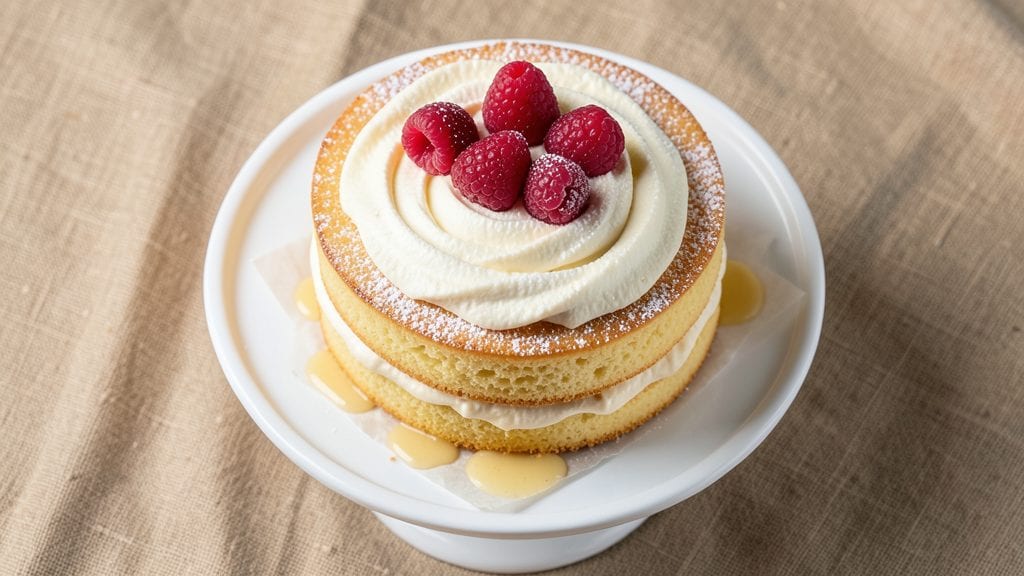
This vanilla cake with cream cheese frosting recipe delivers the perfect balance of tender, moist cake and tangy, velvety frosting that beginners can master with confidence.
The secret lies in the creaming method for light cake layers and a foolproof frosting technique that requires no special skills—just patience and a few simple tools. I've baked this recipe dozens of times, refining it to eliminate common pitfalls like dense cake or overly sweet frosting.
The cake itself uses a classic creaming method with butter and sugar, ensuring a tender crumb while maintaining structure. For the frosting, we whip cream cheese with butter and powdered sugar until perfectly smooth and spreadable—no buttercream machine required.
This combination creates a dessert that's rich enough to impress guests but simple enough for weeknight baking.
What you'll end up with is layered vanilla heaven topped with tangy cream cheese bliss, creating a dessert that's both elegant and approachable. The frosting stays firm enough to pipe but soft enough to spread, with just the right amount of sweetness to complement the cake's vanilla flavor.
This recipe builds on traditional techniques while incorporating modern shortcuts for stress-free baking.
Whether you're celebrating a birthday, holiday, or just craving a classic dessert, this recipe delivers restaurant-quality results with minimal effort. The instructions include troubleshooting tips to ensure your cake rises properly and your frosting comes together smoothly. Let's get baking!
Ingredients for vanilla cake with cream cheese frosting
Classic cake layers and velvety frosting—just twelve ingredients for restaurant-quality dessert.
| Ingredient | Amount | Notes |
|---|---|---|
| Unsalted Butter 🧈 | 1 cup | Softened to room temperature |
| Granulated Sugar 🍚 | 2 cups | Superfine preferred for smoother texture |
| Vanilla Extract 🌸 | 2 tsp | Pure, high-quality extract |
| Large Eggs 🥚 | 4 whole | Room temperature for even baking |
| All-Purpose Flour 🌾 | 2 ½ cups | Sifted before measuring |
| Baking Powder 🧂 | 2 tsp | Aluminum-free for best results |
| Salt 🧂 | ½ tsp | Fine sea salt preferred |
| Milk 🥛 | ½ cup | Whole milk for moisture |
| Cream Cheese 🧀 | 16 oz | Full-fat, room temperature |
| Powdered Sugar 🍚 | 4 cups | Sifted for smooth frosting |
| Vanilla Bean Paste 🌸 | 1 tbsp | For enhanced vanilla flavor |
| Lemon Juice 🍋 | 1 tbsp | Brightens frosting flavor |
The butter and sugar are non-negotiable for tender layers. Use European-style unsalted butter like Plugrá or Land O'Lakes for optimal flavor and texture—it has a higher fat content that prevents dryness. For the vanilla extract, look for pure Madagascar bourbon vanilla at specialty stores like Williams Sonoma or Whole Foods; imitation extracts lack depth. Room-temperature eggs and butter are critical—cold ingredients cause dense cake. The all-purpose flour should be sifted before measuring to eliminate air pockets, and Bob's Red Mill or Gold Medal brands are reliable choices for consistent results.
No vanilla bean paste? Pure vanilla extract plus a pinch of ground vanilla bean seeds works as a substitute. For the frosting, Philadelphia brand cream cheese is the gold standard—it's consistently smooth and rich. Powdered sugar should be sifted to avoid graininess, and if you're short on time, domestic brands like Domino or C&H perform well. The lemon juice adds brightness; if unavailable, a tiny pinch of citric acid dissolved in water achieves the same effect. For dietary adjustments, substitute Greek yogurt for milk to reduce lactose while maintaining moisture.
Store cake layers wrapped in plastic wrap at room temperature for up to 3 days or refrigerate for 1 week. The frosting keeps in an airtight container in the fridge for 5 days—bring it to room temperature before using. For make-ahead convenience, bake the cake 2 days ahead and frost just before serving. The combination of room-temperature ingredients and proper storage ensures the cake remains moist and the frosting stays velvety. Assemble the cake no more than 4 hours before serving to prevent sogginess.
Why You'll Love This Recipe
- Cream Cheese Magic: That frosting? It’s the secret weapon. The vanilla cake soaks it up like a sponge, and the tangy cream cheese balances the sweetness—no artificial flavors, just pure, buttery goodness.
- No-Fuss Assembly: Mix, pour, bake. Repeat for frosting. Honestly, I’ve done it while watching Netflix—no measuring madness, just simple steps with ingredients you already own.
- Birthdays Made Easy: Need a crowd-pleaser for a party? This cake’s my go-to. It’s not fancy, but it’s exactly what you need—rich, moist, and covered in that dreamy frosting that kids and adults devour.
- Budget-Friendly Indulgence: Five basic ingredients, zero waste. You’ll have leftovers (which I always eat), and it costs less than takeout. Plus, cream cheese frosting stretches further than store-bought—win.
Step-by-step instructions for vanilla cake with cream cheese frosting
This method delivers a perfectly moist vanilla cake with velvety cream cheese frosting every time.
Prepare the Cake Batter
Preheat your oven to 350°F and grease two 9-inch round cake pans, lining the bottoms with parchment paper. In a large mixing bowl, cream together the 1 cup unsalted butter and 2 cups granulated sugar on medium speed until light and fluffy, about 3-4 minutes. This step incorporates air, ensuring a tender crumb.
Add the 4 whole large eggs, one at a time, mixing well after each addition. Stir in the 2 teaspoons vanilla extract until fully combined. In a separate bowl, whisk together the 2.5 cups all-purpose flour, 2 teaspoons baking powder, and 0.5 teaspoon salt. Gradually add the dry ingredients to the wet mixture, alternating with the 0.5 cup milk, beginning and ending with the flour.
Mix on low speed just until combined—do not overmix. The batter should be smooth but still slightly lumpy. Divide the batter evenly between the prepared cake pans and smooth the tops. Bake for 25-30 minutes, or until a toothpick inserted into the center comes out clean. Allow the cakes to cool in the pans for 10 minutes, then transfer to a wire rack to cool completely.
Make the Cream Cheese Frosting
In a medium bowl, beat the 16 oz cream cheese on medium speed until smooth and creamy, about 2-3 minutes. This ensures there are no lumps in your final frosting. Gradually add the 4 cups powdered sugar, mixing on low speed until fully incorporated. Add the 1 tablespoon vanilla bean paste and 1 tablespoon lemon juice, beating until smooth and well combined.
The frosting should be thick but spreadable. If it's too thick, add 1-2 tablespoons milk at a time until it reaches the desired consistency. For a glossier finish, you can add 1 teaspoon milk at a time while mixing. Cover the bowl and refrigerate the frosting for 30 minutes to allow the flavors to meld and the texture to firm up slightly.
Assemble the Cake
Once the cakes are completely cool, place one layer on a serving plate. Spread a generous layer of the chilled frosting over the top, using a spatula to smooth it evenly. Place the second cake layer on top and spread the remaining frosting over the entire cake, sealing the sides. Use a long offset spatula to create a smooth finish, or pipe additional frosting for a decorative touch.
For extra flavor, you can brush the cake layers with a simple syrup made from equal parts sugar and water, heated until dissolved. This adds moisture and enhances the vanilla flavor. Chill the cake in the refrigerator for at least 1 hour before serving to allow the frosting to set and the layers to meld together.
Pro Tips For Making Vanilla Cake With Cream Cheese Frosting
- Cream the Butter Cold: Take your butter straight from the fridge—room temperature is overrated here. Cold butter creates lighter layers in the cake batter and prevents the frosting from melting into a sad, greasy mess when it hits the warm cake. I used to rush this step and ended up with a dense, buttery brick instead of fluffy layers.
- Whisk Eggs First: Beat your eggs until they’re pale, thick, and ribbon-like before adding them to the butter mixture. This step aerates the eggs, which directly translates to a taller, softer cake. Skip it, and your cake will sink like a lead balloon—trust me, I’ve seen it happen.
- Sift the Flour Twice: Don’t just toss the flour into the bowl. Sift it first to break up any lumps, then sift it again after mixing with the dry ingredients. This ensures an even distribution and prevents a gritty texture. Yes, it’s extra work, but your cake will thank you with a smoother crumb.
- Frost When Cool: Let the cake sit at room temperature for 10–15 minutes after baking, then cool it completely on a wire rack before frosting. Frosting a warm cake makes it runny and ruins the clean layers. Patience here means a perfect finish—no one wants a cake that looks like a melted ice cream sundae.
Essential equipment for perfect results
Mixing Essentials
Start with a stand mixer or hand mixer—I recommend the KitchenAid Artisan Series for its torque and durability. For the creaming step, use the paddle attachment to blend butter and sugar until light and fluffy.
A medium-speed setting prevents overheating while incorporating air. If you don’t own a mixer, a wooden spoon works for small batches, but expect more elbow grease. 💪
Baking Tools
Two 9-inch round cake pans are non-negotiable—Wilton Perfect Results pans are my go-to for even baking. Line the bottoms with parchment paper to prevent sticking and ensure clean slices.
Preheat your oven to 350°F for consistent results. A toothpick is essential for checking doneness—insert it into the center and wait 5 seconds before pulling out.
Frosting Tools
For the cream cheese frosting, a spatula (I use OXO Good Grips) is perfect for spreading, while a piping bag with a star tip elevates presentation. A medium bowl with smooth sides prevents frosting from sticking during mixing.
Chill the frosting for 30 minutes before assembling—this firms it up for easier handling. A long offset spatula helps create smooth, professional-looking sides. ✨
Optional Extras
Add a fine-mesh sieve to sift powdered sugar for a smoother frosting texture. A small saucepan is useful for making simple syrup (equal parts sugar and water) to brush between layers.
For decorating, sprinkles or edible flowers add flair—just place them on top before the frosting sets. A cooling rack is critical for even cooling to prevent soggy layers.
Budget-Friendly Swaps
Skip the stand mixer? Use a hand whisk for the cake batter—just mix vigorously for 2-3 minutes per step. For frosting, a fork works in a pinch, though it requires more effort. A spoon can replace a spatula for spreading, though it’s messier.
The most important budget tool is a good oven thermometer—many home ovens run hot or cold, and this ensures accuracy. 💡
Nutrition facts
Frequently asked questions
Why does my cream cheese frosting turn out grainy?
Graininess usually happens when powdered sugar isn't sifted or cream cheese isn't fully softened. Always use sifted powdered sugar and beat the 16 oz cream cheese until completely smooth before adding other ingredients. If it's still grainy, add 1-2 teaspoons milk at a time while mixing. Chill the frosting for 30 minutes before using to prevent lumps from forming during assembly.
Can I make this cake without a mixer?
Use a wooden spoon for the cake batter and a fork for the frosting. For the cake, cream 1 cup butter and 2 cups sugar vigorously for 5-7 minutes until light. For the frosting, beat the 16 oz cream cheese with a fork until smooth, then gradually add powdered sugar while mixing with a spatula. The process just takes more elbow grease!
How do I prevent my cake layers from being dry?
Dry cake often results from overbaking or using cold ingredients. Bake until a toothpick comes out clean (usually 25-30 minutes at 350°F), then cool completely before frosting. Use room-temperature butter, eggs, and milk—cold ingredients prevent proper moisture distribution. For extra moisture, brush warm layers with simple syrup (equal parts sugar and water) before frosting.
Can I substitute regular vanilla extract for vanilla bean paste?
Yes, but you'll need to adjust the flavor. Use 2 teaspoons vanilla extract plus ½ teaspoon ground vanilla bean seeds (from a scraped vanilla bean) for depth. If you can't find vanilla bean seeds, add ½ teaspoon lemon zest to the frosting to enhance brightness. The paste adds natural sweetness and complexity that extract alone can't match.
How long can I keep this cake before serving?
Assembled cake stays fresh for 3 days at room temperature if stored in an airtight container. For longer storage, refrigerate for up to 1 week—bring to room temperature before serving. The frosting can be made 2 days ahead and stored separately in the fridge. For best texture, assemble the cake no more than 4 hours before serving to prevent sogginess.