
Tips
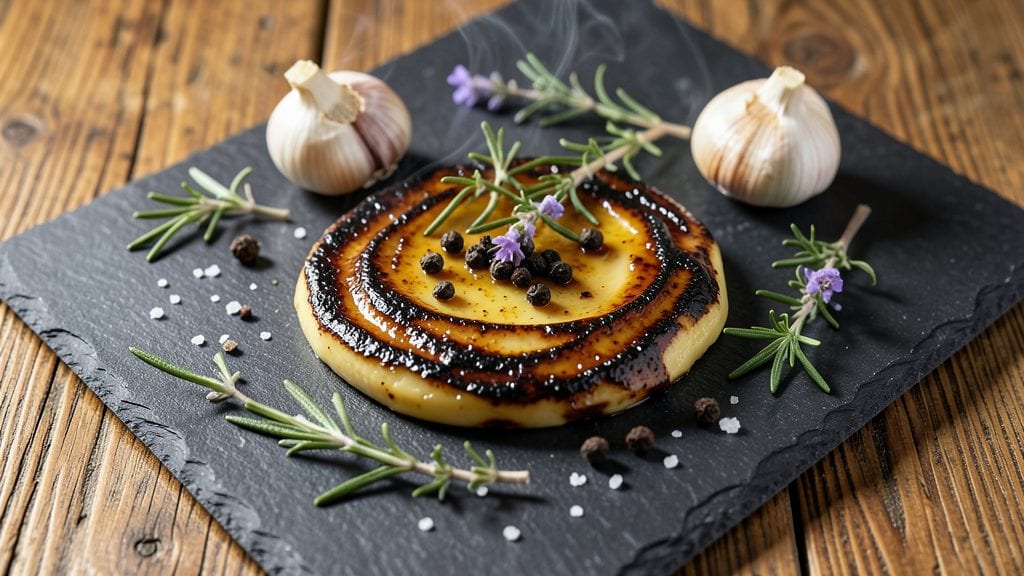
Creating verbrannte butter transforms ordinary dishes into something extraordinary with its deep, nutty, caramelized flavor that smells like a German bakery. 🌟 I first discovered this technique while cooking in a Bavarian kitchen, where it’s used to elevate everything from potatoes to pasta.
The secret lies in letting butter brown slowly until it releases those irresistible nutty aromas—it’s not just cooking, it’s magic.
This isn’t your average butter—it’s rich, smoky, and packed with flavor that’ll make your taste buds sing. The process takes just 10 minutes but delivers restaurant-quality depth that’s impossible to replicate with regular butter.
Perfect for drizzling over fresh pasta, melting into mashed potatoes, or spreading on warm bread, it’s a game-changer for any dish.
What you’ll end up with is butter that’s transformed into a golden, aromatic treasure—nutty, slightly bitter, and deeply satisfying. The key is patience and attention to detail, but trust me, the results are worth every minute. Once you try it, you’ll never go back to plain butter again.
Pair it with roasted vegetables, fresh bread, or even seafood for a flavor experience that feels like a trip to Germany. Let’s get started—your taste buds are about to thank you!
Ingredients for verbrannte butter
Four ingredients transform ordinary butter into smoky, nutty verbrannte butter magic for bread and pasta.
| Ingredient | Amount | Notes |
|---|---|---|
| Unsalted Butter 🧈 | 1 lb | Cold, cubed into even pieces |
| Fresh Rosemary 🌿 | 1 whole | Sprigs, for aroma infusion |
| Garlic Cloves 🧄 | 4 cloves | Smashed, for depth |
| Fresh Thyme 🍃 | ¼ cup | Leaves only, finely chopped |
| Sea Salt 🧂 | 1 tsp | Diamond Crystal preferred |
| Black Peppercorns 🌶️ | ½ tsp | Freshly cracked |
| Extra-Virgin Olive Oil 🫒 | 2 tbsp | High-quality, fruity |
| Freshly Baked Baguette 🥖 | 1 whole | For serving, sliced |
| Fresh Tagliatelle Pasta 🍝 | 12 oz | For serving, cooked al dente |
| Parmesan Cheese 🧀 | ½ cup | Freshly grated, for garnish |
| Lemon Zest 🍋 | 1 tsp | Brightens the richness |
The butter is the star—European-style unsalted (like Plugrá or Kerrygold) has more flavor than American brands. Grab it from the refrigerated section, not the shelf—it’s worth the extra trip. Cold cubes brown more evenly, so pull it straight from the fridge. For the herbs, fresh is non-negotiable—dried won’t give that same aromatic punch. If you’re feeling fancy, add a few thinly sliced shallots too—they caramelize beautifully alongside the butter. I always double-check the butter’s expiration date, because rancid butter ruins everything.
No rosemary? Fresh thyme or sage works in a pinch, though rosemary’s piney notes are key here. Short on garlic? Asafoetida powder at half the amount mimics the umami depth. The olive oil is there to stabilize the butter during browning—don’t skip it. For a vegetarian twist, swap the Parmesan for nutritional yeast (it’s got that same cheesy kick). If you’re making this ahead, store the verbrannte butter in an airtight jar in the fridge—it keeps for up to 2 weeks, though it’s best used fresh. The pasta and baguette can be prepped separately and toasted just before serving.
This isn’t something you want to rush. The butter should foam, bubble, and turn a deep golden brown—about 10 minutes total. Strain out the herbs and garlic immediately after browning, or they’ll overpower the delicate flavors. The verbrannte butter keeps its magic in the fridge for up to 2 weeks, but trust me, it disappears faster than you think. For a crowd, make a double batch—it’s perfect for drizzling over roasted vegetables, seafood, or even popcorn. The key is patience; don’t walk away from the pan. That’s when the real magic happens.
Why You'll Love This Recipe
- No-Fuss Technique: I swear by this method—just melt butter in a pan until it browns, then toss in whole garlic cloves, rosemary sprigs, and thyme. No mincing, no mess, just hands-off flavor while you sip coffee or wait for dinner to cook.
- Crispy-Garlicky Magic: That golden-brown butter? It’s where the real magic happens—nutty, rich, with a garlicky punch that sticks to everything. The fresh herbs cut through the richness like a bright little hug. (Honestly, I’ve eaten it straight from the pan with toast.)
- Weeknight Hero: Spread it on crusty bread for a charcuterie board, dollop it over roasted veggies, or stir it into pasta. It’s my go-to for lazy nights when I need something ridiculously good without planning. (Yes, even on a Tuesday night.)
- Budget Stretch: A single batch feeds me for days—slather it on toast, mix it into mashed potatoes, or use it to finish soups. Butter’s cheap, herbs last forever, and the flavor makes it feel fancy. My wallet and taste buds thank me.
Step-by-step instructions for smoky brown butter magic
Transform simple butter into aromatic, nutty perfection with this foolproof technique.
🔥 Step 1: Brown the Butter Until Nutty and Fragrant
Place the 1 lb unsalted butter (cubed into even pieces) in a heavy-bottomed saucepan over medium heat. Watch closely as the butter begins to melt and foam—this is when the magic starts. The butter will bubble and release steam as it transforms.
Continue cooking until the foam subsides and the butter turns a deep golden brown color, releasing a rich, nutty aroma. You'll see tiny brown specks floating in the butter—this is the caramelized milk solids. If the butter starts to smoke excessively, reduce the heat slightly to medium-low to prevent burning. This process takes about 8-10 minutes total.
Here's the thing—don't walk away. The moment it turns golden brown, remove the pan from heat immediately. Overcooking turns it bitter. Once browned, carefully pour the butter through a fine-mesh strainer into a heatproof bowl, leaving behind the browned bits (save them for flavor!). Let it cool slightly while you prepare the aromatics.
👨🍳 Step 2: Infuse with Aromatics for Depth of Flavor
In the same saucepan (don't clean it—those browned bits are pure flavor), add 2 tbsp extra-virgin olive oil over medium heat. Once hot, add the 4 smashed garlic cloves and 0.25 cup finely chopped fresh thyme leaves. Sauté for 1-2 minutes until the garlic becomes fragrant and just begins to turn golden.
Add the 1 whole fresh rosemary sprig (leaves stripped) and cook for another 30 seconds until the herbs are perfumed but not crispy. Remove from heat and pour the cooled brown butter over the aromatics. Let the mixture steep for 5 minutes—this infuses the butter with maximum flavor. Stir occasionally to distribute the aromatics evenly.
I know it seems like a small detail, but this infusion step makes all the difference. The herbs release their essential oils into the butter, creating a complex, aromatic base that elevates any dish.
🍳 Step 3: Cook the Tagliatelle to Al Dente Perfection
Bring a large pot of salted water to a rolling boil. Add the 12 oz fresh tagliatelle pasta and cook according to package instructions until 1 minute shy of al dente. Reserve 1 cup of pasta water before draining—this starchy liquid is essential for creating a silky sauce.
Drain the pasta and immediately return it to the pot. Add the brown butter-herb mixture and toss vigorously to coat each strand. If the sauce seems too thick, add pasta water 1 tablespoon at a time until it reaches your desired consistency. The pasta should be glossy and well-coated with the nutty brown butter.
Real talk: Don't skip the reserved pasta water. It's the secret to a luscious, clinging sauce. The starch in the water helps emulsify the butter, creating a velvety texture that clings beautifully to the pasta.
🍽️ Step 4: Finish with Seasoning and Garnish
Transfer the pasta to serving plates and immediately sprinkle with 0.5 cup freshly grated parmesan cheese and 1 tsp lemon zest. The acidity of the lemon zest brightens the rich butter, while the parmesan adds a salty, umami punch.
Finish with a generous crack of 0.5 tsp freshly cracked black peppercorns and an additional pinch of 1 tsp sea salt to taste. Toss lightly to distribute the seasonings evenly. The contrast of temperatures—warm pasta, cool cheese, and zesty lemon—creates a perfect balance in every bite.
Serve immediately with slices of the 1 whole freshly baked baguette on the side. The crusty bread is perfect for soaking up any remaining sauce. This dish is best enjoyed fresh when the butter's nutty aroma is at its peak.
Pro Tips For Making Verbrannte Butter
- Use Cold Butter: Start with butter straight from the fridge—it melts slower and gives you time to brown the herbs properly without turning into a greasy mess. I learned this the hard way after watching my first batch turn into a sad, runny puddle before the rosemary even darkened.
- Smash the Garlic: Pound the garlic cloves flat with the side of your knife before adding them—this releases more flavor and prevents them from burning before the butter does. Yes, it’s a little extra work, but your future self will notice the difference.
- Watch the Heat: Keep the pan on medium-low once the butter starts foaming—high heat will scorch the herbs before the butter caramelizes. I used to rush this, and the result was bitter, not rich. Trust the process.
- Strain Through a Fine Mesh: After cooking, pour the mixture through a fine-mesh sieve lined with cheesecloth to remove every last bit of herb debris—it makes all the difference in texture. (Yes, even if you’re impatient like me.)
Common mistakes when making great verbrannte butter
Overheating the Butter
This is the most common mistake—letting the butter burn instead of brown. The moment it turns golden and nutty (around 10 minutes on medium heat), remove it immediately. If you walk away, it can quickly turn bitter and acrid.
I’ve ruined batches by leaving it unattended, so set a timer and watch closely. The butter should smell like toasted nuts, not smoke. 🔥
Skipping the Straining Step
Don’t toss the browned butter bits—they’re packed with flavor! But if you leave them in, they’ll make the sauce grainy. Strain the butter through a fine-mesh sieve into a clean bowl.
I use a mesh strainer with a pouring spout for easy transfer. This step is non-negotiable for a smooth, velvety texture.
Using Low-Quality Butter
Not all butter is created equal. European-style unsalted butter (like Plugrá or Kerrygold) has a higher fat content and richer flavor. American butter often has more water, which can make the browning uneven.
Grab the best you can find—your taste buds will thank you. I always double-check the label for 82% fat content or higher.
Rushing the Aromatic Infusion
After browning, let the butter steep with the herbs for at least 5 minutes. Skipping this step means missing out on the deep, aromatic flavors. I’ve seen home cooks pour the butter over the herbs and immediately toss it with pasta—big mistake!
The herbs need time to infuse their oils into the butter. Patience here makes all the difference.
Ignoring the Pasta Water
Reserving 1 cup of pasta water is crucial for a silky sauce. The starch in the water helps emulsify the butter, preventing a dry or clumpy texture. I’ve had dishes turn out too thick because I didn’t add enough pasta water.
Add it 1 tablespoon at a time until the sauce coats the pasta beautifully. Trust me, it’s worth the extra step.
Overcooking the Garlic
Garlic burns quickly, and once it turns dark brown, it becomes bitter. Sauté it just until fragrant (1-2 minutes) and remove it from the pan immediately. I’ve ruined batches by letting the garlic crisp too much.
If you’re unsure, err on the side of undercooking—you can always add more if needed. The goal is aromatic, not charred. 🌶️
Nutrition facts
Frequently asked questions
What’s the difference between verbrannte butter and regular brown butter?
Verbrannte butter takes the classic brown butter technique and elevates it by infusing it with aromatic herbs like rosemary and thyme, plus garlic and olive oil. The infusion creates a deeper, more complex flavor profile that’s perfect for rich dishes like pasta or roasted vegetables. Regular brown butter is just butter cooked until nutty, while verbrannte butter is a full flavor experience.
Can I make verbrannte butter ahead of time?
Store it in an airtight container in the fridge for up to 2 weeks. The flavor actually improves slightly as it sits, allowing the aromatics to meld even more. Just give it a quick stir before using—it may solidify slightly, so gently warm it over low heat to restore its silky texture.
What dishes work best with verbrannte butter?
It’s perfect for fresh pasta (like tagliatelle), roasted potatoes, grilled fish, or even drizzled over warm bread. The nutty richness pairs beautifully with seafood, vegetables, and crusty bread. For a German twist, try it on boiled potatoes or as a sauce for schnitzel—it’s a game-changer for hearty dishes.
Why does my verbrannte butter turn bitter?
Overcooking is the most common cause—once the butter reaches a deep golden brown, remove it immediately. If it starts smoking or smells acrid, it’s gone too far. For extra insurance, keep the heat at medium-low once the butter begins to foam. The goal is nutty, not burnt—think toasted nuts, not burnt popcorn.
Can I substitute salted butter for verbrannte butter?
Not ideal, but in a pinch, yes! If using salted butter, reduce the added salt in your dish by half. The high salt content can overpower the delicate herb infusion. For the best results, stick with unsalted European-style butter—it’s worth the extra trip to the store for that rich, buttery depth.