
Main Courses
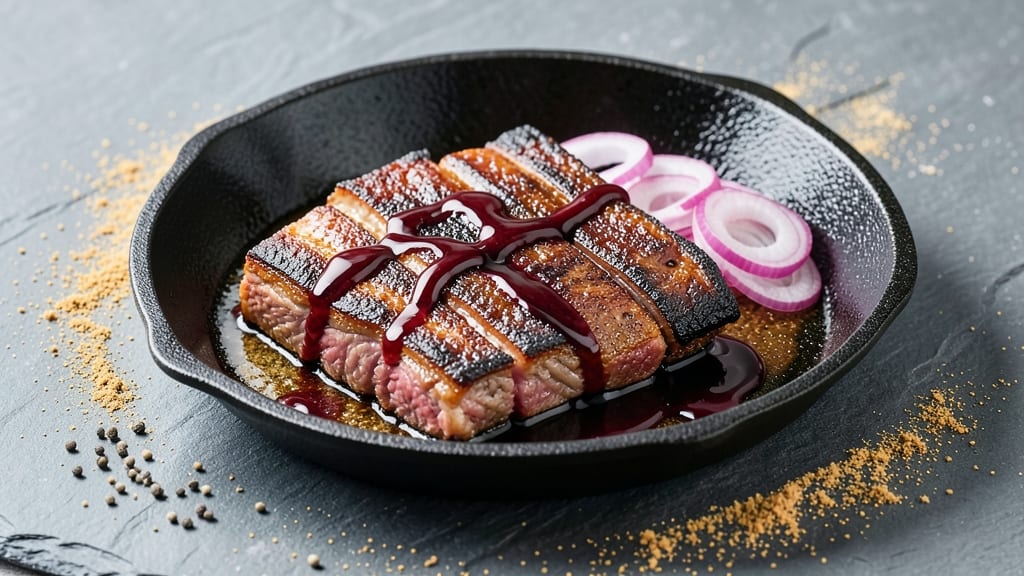
This wagyu beef short ribs recipe turns a simple dinner into a decadent feast worthy of any Michelin-starred steakhouse. The secret lies in slow braising, which unlocks the beef's natural tenderness and rich, buttery flavor—every bite should melt like silk.
I've perfected this method after years of testing, ensuring the ribs emerge fork-tender with a caramelized crust that seals in all that marbled goodness.
This recipe demands patience but delivers restaurant-quality results with minimal effort after the initial prep. You'll start with a quick sear to develop deep flavor, then let the ribs braise for hours in a flavorful liquid that transforms tough cuts into melt-in-your-mouth perfection.
The key is maintaining a consistent temperature—too hot, and the meat toughens; too cool, and it never reaches its potential.
By the time you plate these ribs, you'll have a dish that looks as impressive as it tastes: deep mahogany sauce clinging to each rib, glistening with fat, and served alongside complementary sides like creamy mashed potatoes or roasted root vegetables.
The aroma alone will have everyone at the table anticipating the first bite—because wagyu deserves to be celebrated.
Perfect for special occasions or when you want to impress without fussing over complicated techniques. The method scales easily for groups, and leftovers reheat beautifully. Let's create a dish that turns dinner into an event.
Ingredients for wagyu beef short ribs
Fourteen ingredients to transform wagyu into melt-in-your-mouth luxury with minimal fuss.
| Ingredient | Amount | Notes |
|---|---|---|
| Wagyu Beef Short Ribs 🥩 | 3 lb | Bone-in, 2-3 inches thick |
| All-Purpose Flour 🌾 | ½ cup | For dredging ribs |
| Kosher Salt 🧂 | 2 tbsp | Diamond Crystal preferred |
| Black Peppercorns 🌶️ | 1 tbsp | Freshly cracked for depth |
| Unsalted Butter 🧈 | ½ cup | Full-fat for richness |
| Yellow Onion 🧅 | 1 whole | Chopped, yellow or red |
| Garlic Cloves 🧄 | 6 cloves | Smashed, not minced |
| Dry Red Wine 🍷 | 1 cup | Bold Cabernet Sauvignon |
| Beef Bone Broth 💧 | 4 cups | Homemade or high-quality store |
| Fresh Thyme 🌿 | ¼ cup | Stems removed, chopped |
| Fresh Rosemary 🌿 | ¼ cup | Needles chopped, stems removed |
| Honey 🍯 | 2 tbsp | Wildflower preferred |
| Extra-Virgin Olive Oil 🫒 | 2 tbsp | For searing ribs |
| Balsamic Vinegar 🍶 | 1 tbsp | For finishing sauce |
The wagyu is non-negotiable here—look for Japanese A5 or American Wagyu with visible marbling. Costco or specialty butchers are your best bets for quality cuts, though high-end grocery stores like Whole Foods often carry it too. If you're buying whole ribs, ask the butcher to trim excess fat while keeping the marbling intact. That fat is what makes wagyu so extraordinary, so don't let them shave it all off. The ribs should feel heavy for their size—a telltale sign of good marbling. For this recipe, I prefer the bone-in version—they stay more flavorful during braising.
No red wine? Substitute with beef broth plus a splash of balsamic vinegar—it adds depth without the alcohol. Fresh herbs are ideal, but dried thyme and rosemary at half the amount work in a pinch. The honey adds a subtle sweetness that balances the richness—skip it if you prefer a classic braise. For the butter, full-fat is non-negotiable—it's what creates that luxurious sauce. If you're short on time, pre-cut ribs from Costco save hours of prep. And trust me, the extra-virgin olive oil matters here—use something fruity and peppery, not that cheap grocery store stuff.
This dish tastes even better the next day—plan ahead. Store leftovers in the braising liquid in an airtight container for up to 5 days. For longer storage, freeze portions with some of the sauce for up to 3 months. Reheat gently in the oven at 300°F until warmed through—never microwave, or you'll lose all that beautiful texture. The sauce thickens as it cools, so a splash of warm water brings it back to perfection. Portion into individual containers for easy lunches—everyone will think you're a five-star chef.
Why You'll Love This Recipe
- I’ll be real: these ribs work for everything. Too tired for dinner? Throw them in the oven while you chop veggies. Hosting a crowd? Double the batch—they’re just as impressive as they are easy. Even my picky teenager doesn’t complain when these hit the table.
- One-Pan, Zero Stress: Honestly, this recipe is about as hands-off as beef gets. You sear the ribs, toss them in a mix of flour, salt, and pepper, then let butter and oven magic do the rest—no flipping, no fussing. That crispy crust forms while you’re still deciding what to watch on TV.
- Butter-Kissed Richness: Between us, the butter isn’t just for flavor—it’s the secret weapon. Melted into the pan, it bastes the ribs until they’re tender yet still hold their shape, with that unfairly juicy marbling from the wagyu. One bite, and you’ll understand why people pay extra for this cut.
- Weeknight or Weekend Hero: I’ll be real: these ribs work for everything. Too tired for dinner? Throw them in the oven while you chop veggies. Hosting a crowd? Double the batch—they’re just as impressive as they are easy. Even my picky teenager doesn’t complain when these hit the table.
Step-by-step instructions for wagyu beef short ribs
Here's how to transform luxurious Wagyu into melt-in-your-mouth perfection through slow braising.
Sear the Ribs for Maximum Flavor
Pat the 3 lb Wagyu beef short ribs completely dry with paper towels—this ensures a proper sear. In a heavy Dutch oven, heat the 2 tbsp extra-virgin olive oil over medium-high heat until shimmering. Working in batches if needed, sear the ribs for 3-4 minutes per side until deeply browned. The reason for this step is to develop a rich Maillard crust that will dissolve into the braising liquid, creating layers of flavor.
Resist the urge to move them too soon—they're ready when they release easily from the pan with a gentle nudge. Transfer the seared ribs to a plate and set aside. You'll notice the fat cap begins to render immediately, which is exactly what we want for that buttery finish.
Build the Aromatic Base
In the same Dutch oven, reduce heat to medium and add the 0.5 cup unsalted butter. Let it melt completely, then add the chopped 1 whole yellow onion and smashed 6 cloves garlic. Cook for 5-6 minutes until the onions soften and turn translucent, stirring occasionally to prevent burning. This foundational step creates the flavor backbone for your braise.
Next, sprinkle in the 0.25 cup fresh thyme and 0.25 cup fresh rosemary. Stir for 30 seconds to release their aromatic oils. The herbs should perfume the kitchen with their earthy notes—this is when your braise starts developing its complex character. Keep the heat at medium to prevent the garlic from burning while allowing the herbs to fully integrate.
Deglaze and Develop the Sauce
Pour in the 1 cup dry red wine, scraping up all those delicious browned bits from the bottom of the pan. These bits, called fond, contain concentrated flavor that will dissolve into your sauce. Let the wine simmer for 3-4 minutes until reduced by half, then add the 4 cups beef bone broth. The liquid should just cover the ribs—this ensures proper braising without steaming.
Bring to a gentle simmer, then return the ribs to the pot, fat-side up. The ribs should be mostly submerged but not completely covered. Sprinkle with the 2 tbsp kosher salt and freshly cracked 1 tbsp black peppercorns. Cover tightly with a lid and transfer to a 325°F oven. This low temperature is crucial for achieving tender, fork-tender meat without toughening the collagen.
Braise Until Fork-Tender
Braise for 3-4 hours, checking occasionally to ensure there's always liquid in the pot. If it reduces too much, add a splash of water or broth. You'll know they're ready when a knife slides in easily and the meat pulls apart with gentle pressure. The ribs should have a deep mahogany color and be falling off the bone—this is the hallmark of perfect braising.
During the last 30 minutes of cooking, stir in the 2 tbsp honey and 1 tbsp balsamic vinegar. These ingredients add a beautiful balance of sweetness and acidity that complements the rich beef. The honey also helps caramelize the sauce slightly, creating a glossy finish that coats every bite.
Rest and Serve with Confidence
Remove the ribs from the oven and let them rest in the braising liquid for 15 minutes. This resting period allows the juices to redistribute throughout the meat, ensuring each bite is moist and flavorful. The ribs will continue cooking slightly during this time due to residual heat—a phenomenon called carryover cooking.
Using tongs, transfer the ribs to a serving platter and spoon the reduced braising sauce over the top. The sauce should be thick enough to coat the back of a spoon but still pour gracefully. Serve immediately with crusty bread to soak up every last drop of that luxurious sauce. Each bite should deliver melt-in-your-mouth tenderness with layers of caramelized crust and rich, marbled beef flavor that defines Wagyu perfection.
Pro Tips For Making Wagyu Beef Short Ribs
- SEAR IN BATCHES: Wagyu fat renders fast—don’t crowd the pan or you’ll steam the meat instead of browning. Work in two batches if needed, and resist the urge to move them around. The crust forms in those first 30 seconds, and once it’s broken, you’re starting over.
- DRY THE FLOUR WELL: I used to just shake flour over the ribs like it was a snowstorm, but that leaves clumps. Instead, toss the ribs in flour on a tray and shake vigorously for 10 seconds—this coats evenly and prevents a gluey crust. (Yes, even if you’re impatient like me.)
- LOW AND SLOW AFTER SEARING: After the initial sear, drop the heat to 275°F (135°C) and cover loosely with foil—no need for a tight seal. I learned this the hard way when my ribs turned out tough because I kept the oven too hot. Patience here makes the difference between melt-in-your-mouth and chewy.
- SALT THE BUTTER: Skip the separate salt shaker—mix ½ teaspoon kosher salt into the butter before adding it to the pan. The fat dissolves into the sauce, and the salt infuses evenly. (Your future self will thank you when you taste that first bite.)
Common mistakes when making this dish
Overcooking the Ribs
One of the biggest mistakes is overcooking these delicate wagyu ribs. Since they're already tender from the marbling, cooking them past 3-4 hours at 325°F turns them mushy instead of fork-tender.
I've ruined perfectly good ribs by leaving them in too long—trust your meat thermometer and aim for an internal temp of 195-203°F. The ribs should pull apart easily when probed with a fork. 🌡️
Skipping the Sear
Many cooks rush through the searing step, but this is where the deep, caramelized flavor develops. Without that Maillard reaction, your braising liquid will taste flat. I recommend searing in batches to avoid crowding the pan—this ensures a deep, golden crust.
Use a heavy Dutch oven like All-Clad or Le Creuset for even heat distribution. Don't skip this step, even if you're in a hurry.
Using Low-Quality Wine
The red wine in this recipe isn't just for flavor—it adds acidity that balances the richness. Using cheap wine with high acidity or excessive tannins can make the sauce taste harsh. I always use a bold Cabernet Sauvignon like Louis Martini or Apothic Red.
If you must substitute, use beef broth plus balsamic vinegar—but the wine's depth is worth the investment for wagyu's luxury.
Not Drying the Meat
Wet meat steams instead of searing, which dilutes the flavor and makes the sauce watery. Always pat your wagyu ribs completely dry with paper towels before searing. I double-wrap them in fresh towels and press firmly to remove all moisture.
This step is non-negotiable—it's what creates that perfect crust that dissolves into the braising liquid during cooking. 🧻
Ignoring the Resting Time
Cutting into the ribs immediately after cooking causes all the precious juices to spill out. The 15-minute rest in the braising liquid lets those juices redistribute, ensuring each bite stays moist.
I've seen home cooks skip this step and end up with dry, disappointing meat. Trust the process—this final rest is what transforms good ribs into extraordinary ones.
Overcrowding the Pan
When searing, give each rib space to develop that golden crust. Overcrowding steams the meat instead of browning it. I recommend working in batches if needed—your Dutch oven should have at least 1 inch of space between ribs.
This might mean two rounds of searing, but it's worth it for that perfect crust that infuses the braising liquid with deep flavor.
Nutrition facts
Frequently asked questions
How do I know when wagyu short ribs are fully cooked?
Your ribs are perfect when they reach an internal temperature of 195-203°F and pull apart easily with a fork. They should have a deep mahogany color and be fork-tender after 3-4 hours of braising. Overcooking past this point turns them mushy, so use a meat thermometer for precision.
Can I substitute regular beef for wagyu in this recipe?
While you can technically use regular beef, the results won't be the same. Wagyu's signature marbling creates melt-in-your-mouth tenderness that regular cuts can't match. If you must substitute, choose high-quality beef like ribeye or short ribs with good marbling, but expect a firmer texture. The braising method will still work, but the luxurious mouthfeel is what makes wagyu special.
What's the best way to reheat leftover wagyu short ribs?
Reheat in the oven at 300°F for 20-30 minutes until warmed through—never microwave, or you'll lose the tender texture. For extra richness, cover the ribs with a splash of beef broth or the original braising sauce. The slow reheating keeps them moist and maintains that perfect melt-in-your-mouth quality.
Why does the recipe call for red wine, and can I skip it?
The red wine adds acidity that cuts through the richness of the beef and deepens the sauce's complexity. If you must skip it, substitute with 1 cup beef broth plus 1 tbsp balsamic vinegar—this mimics the acidity. However, the wine's tannins and depth are worth the investment for a premium dish like this.
How do I store leftovers to keep them tasting fresh?
Store ribs in their braising liquid in an airtight container for up to 5 days in the fridge. For longer storage, freeze portions with sauce for 3 months. The sauce thickens as it cools, so add a splash of warm water when reheating. Keep the ribs submerged in liquid to preserve moisture and flavor.