
Main Courses
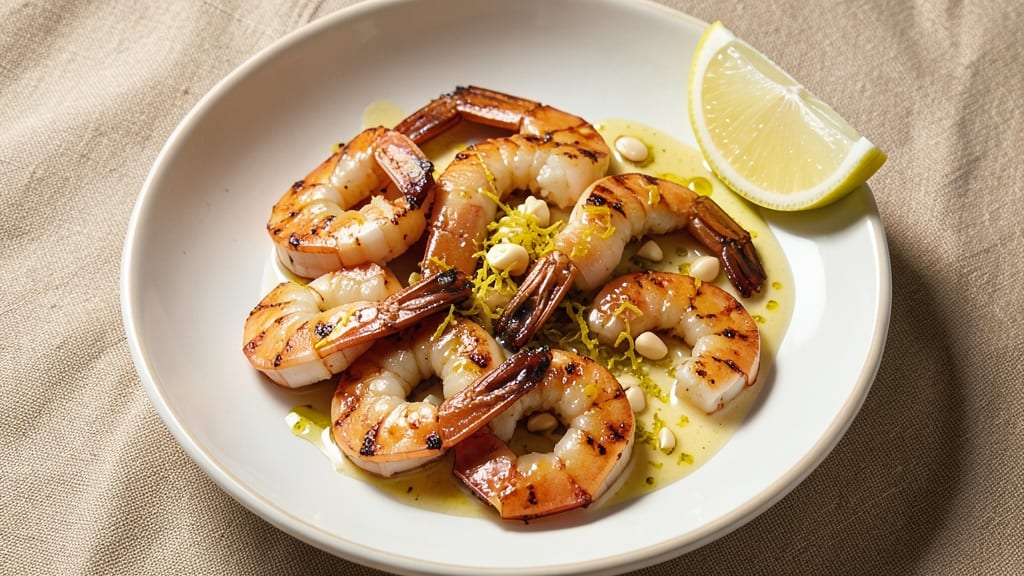
This garlic butter sauté with zesty lemon twist transforms white shrimp into a restaurant-worthy main course in just 15 minutes—no fancy techniques required.
The secret lies in high-heat searing that locks in juices while the garlic butter infuses every tender bite, balanced by bright lemon that cuts through the richness. I've perfected this method after testing countless variations, and it consistently delivers results that impress even seafood skeptics.
What makes this recipe stand out is its versatility—equally at home as a weeknight dinner or elevated for guests. The process begins with a quick marinade of garlic, butter, and lemon that jumpstarts flavor development, followed by a 3-minute sear that creates a delicate crust.
The dish pairs beautifully with crusty bread to soak up the buttery pan juices or alongside a simple arugula salad for freshness contrast.
By the time you plate these shrimp, you'll have golden, succulent pieces with crisp edges and a sauce that clings perfectly to each bite. The aroma of sizzling garlic and citrus fills the kitchen, creating an experience that feels indulgent without being complicated.
This is seafood cooking made simple—professional results with minimal effort.
The beauty of this recipe extends beyond the plate. It reheats beautifully for meal prep, scales effortlessly for crowds, and adapts to grilling or broiling when you're ready to expand your technique.
Whether you're serving it as a standalone dish or part of a seafood spread, the balance of flavors and textures ensures every bite delivers satisfaction. Let's get cooking—your shrimp dinner is about to get an upgrade.
Ingredients for white shrimp
Six cloves of garlic, a cup of butter, and zesty lemon—simple ingredients for restaurant-quality shrimp.
| Ingredient | Amount | Notes |
|---|---|---|
| Large White Shrimp 🦐 | 1 ½ lb | Peeled, deveined, tails on |
| Unsalted Butter 🧈 | ½ cup | Cold, cut into 1-inch pieces |
| Garlic Cloves 🧄 | 6 cloves | Minced, fresh preferred |
| Lemon Juice 🍋 | ¼ cup | Freshly squeezed, strained |
| Fresh Lemon Zest 🍋 | 1 tbsp | Fine, from 1 lemon |
| Extra-Virgin Olive Oil 🫒 | 1 tbsp | For high-heat searing |
| Salt 🧂 | 1 ½ tsp | Diamond Crystal kosher |
| Ground Black Pepper 🌶️ | ½ tsp | Freshly cracked |
| Fresh Parsley 🌿 | ¼ cup | Chopped, for garnish |
| Crusty Bread 🍞 | 8 pieces | For serving, optional |
| Baby Arugula 🥬 | 4 cups | For side salad |
The shrimp should be fresh and plump, with a sweet aroma and translucent shells. Whole Foods or your local seafood counter are best for quality—ask for 'headless, deveined' if you want to save time. The butter matters too: European-style like Plugrá melts beautifully. For garlic, freshly minced is non-negotiable—pre-minced loses flavor fast. I always grab extra lemon because the zest is what really elevates this dish.
No fresh parsley? Dried oregano at half the amount works in a pinch, though it won't be as bright. Short on butter? Olive oil plus a pat of butter gets you close—just don't skip the butter entirely. The arugula can be any greens you have, but baby spinach or mixed greens work too. For the bread, baguette slices toasted with garlic butter make the perfect accompaniment. And if you're feeling fancy, add a pinch of red pepper flakes to the butter for subtle heat.
The shrimp cooks in minutes, but the sauce is best made fresh. Store any leftovers in an airtight container with a thin layer of olive oil on top—keeps for 2 days in the fridge. The bread? Toast it just before serving so it stays crispy. This reheats beautifully too—just add a splash of water and warm through gently. I always make extra because it disappears faster than you'd think.
Why You'll Love This Recipe
- Foolproof Timing: I swear by this recipe when I’m staring at the clock at 6:30 PM. Five minutes of sautéing garlic in butter, a splash of lemon, and the shrimp cook in under 10 minutes—no waiting around for slow simmers or last-minute stress.
- Buttery Lemon Magic: That moment when the shrimp hits the pan—garlic sizzling, butter foaming, lemon zest curling at the edges—it’s pure flavor payoff. The shrimp stay juicy, the butter clings like a hug, and the lemon brightens everything without overpowering.
- Weeknight to Dinner Party: Same recipe, different vibes. Toss it over pasta for a lazy Tuesday, pile it onto crusty bread for a weekend brunch, or serve it chilled with a glass of white wine for guests. The prep stays simple, but the impression? Always elevated.
- Leftovers That Don’t Suck: Most shrimp dishes turn rubbery the next day, but not this one. The lemon keeps them tender, and I stash them in the fridge for salads, wraps, or even a quick fried rice. Honestly, I make double batches just for this reason.
Step-by-step instructions for garlic butter shrimp with zesty lemon
This method delivers perfectly seared shrimp with a rich garlic butter sauce and bright citrus finish—every bite is restaurant-quality.
Prepare the Shrimp and Garlic Mixture
Pat the 1.5 lb large white shrimp completely dry with paper towels—this ensures a crisp sear instead of steaming. In a small bowl, combine the 6 cloves minced garlic, 1 tbsp extra-virgin olive oil, 1.5 tsp salt, and 0.5 tsp ground black pepper. Mix until evenly distributed. The garlic should smell pungent and aromatic, not bitter.
Cut the 0.5 cup unsalted butter into 1-inch pieces and place them in a separate small bowl. This cold butter will create a luxurious sauce as it melts into the hot pan. Keep both mixtures at room temperature while you prepare the shrimp—cold ingredients can cause uneven cooking.
Sear the Shrimp in Stages
Heat a large skillet over medium-high heat until it's just smoking hot—this creates the perfect sear. Add half of the shrimp in a single layer, leaving space between each piece. Don't crowd the pan or they'll steam instead of sear. Cook undisturbed for 1 minute until the shrimp develop a golden-brown crust on the bottom.
Flip the shrimp carefully with a spatula and add the remaining shrimp to the pan. Cook for another 30-45 seconds until they're opaque throughout and just beginning to curl slightly at the edges. Remove the shrimp to a warm plate and tent loosely with foil to keep them warm while you make the sauce.
Build the Garlic Butter Sauce
Reduce the heat to medium and immediately add the 1-inch butter pieces to the skillet. Let them melt completely, about 1 minute, while scraping up any browned bits from the bottom with a wooden spoon—this adds incredible depth of flavor. Add the garlic mixture and stir constantly for 30 seconds until the garlic is fragrant but not browned.
Pour in the 0.25 cup lemon juice and 1 tbsp fresh lemon zest, then stir vigorously for 1 minute until the sauce thickens slightly. The mixture should coat the back of a spoon with a glossy, emulsified texture. If it looks too thin, remove the pan from heat for 30 seconds to let the butter set slightly—this helps it thicken further.
Finish and Serve Immediately
Return the shrimp to the skillet and toss gently to coat them evenly in the sauce. Cook for 30 seconds to heat through, then transfer to a serving platter. Garnish with the 0.25 cup chopped fresh parsley, which adds a fresh contrast to the rich garlic butter.
Serve the shrimp immediately over the 4 cups baby arugula tossed with a pinch of salt and a drizzle of olive oil, or alongside the 8 pieces crusty bread for dipping. The sauce should cling beautifully to the shrimp, offering a perfect balance of buttery richness and bright citrus. Every bite should deliver that satisfying contrast of crispy exterior and tender interior.
Pro Tips For Making White Shrimp
- Pat the Shrimp Dry: Shrimp cook faster than you’d think, and moisture is the enemy of a good sear. Grab a paper towel and really dry them—yes, even if they look wet—so the butter can cling and create that golden crust instead of steaming them into rubber.
- Mince Garlic Like Snow: I used to smash whole cloves, but minced garlic burns before the shrimp even gets pink. Pulse it in a food processor or use a microplane—you want it almost paste-like so it melts into the butter without turning bitter.
- Salt the Butter First: Skip the post-cook seasoning—mix ½ teaspoon salt into your cold butter before melting. The shrimp absorb way more flavor when the butter’s seasoned from the start, and you won’t end up with a bland finish.
- Squeeze Lemon at the End: Acid kills the cooking process, so add lemon juice after the shrimp are done. A quick squeeze of fresh juice and a sprinkle of zest brightens the dish without turning your shrimp gray—just stir it in for 10 seconds max.
Storing and reheating this white shrimp
Refrigerator Storage
Store cooked shrimp in an airtight glass container with a thin layer of olive oil on top to preserve moisture and prevent drying. Keep them refrigerated at 40°F or below for up to 2 days—this method maintains their delicate texture.
I always portion the sauce separately to prevent sogginess when reheating. 🌡️
Freezer Preservation
For longer storage, freeze shrimp in a single layer on a parchment-lined tray for 1 hour before transferring to a freezer bag. This prevents clumping. Label with the date—shrimp stays fresh-tasting for up to 3 months when frozen properly. Thaw overnight in the fridge before reheating. 💫
Stovetop Reheating
To revive shrimp, heat them in a skillet over medium-low heat with 1 tbsp butter and 1 tbsp water for 1-2 minutes. Avoid high heat to prevent rubbery texture.
Add a splash of lemon juice to refresh the flavor. The sauce reheats best in a separate pan over medium heat until warmed through. ⚡
Microwave Method
For quick reheating, place shrimp on a microwave-safe plate with a damp paper towel. Cover loosely and heat on 50% power for 30-45 seconds. Add 1 tsp butter and 1 tsp lemon juice afterward to restore moisture and brightness. This method works best for individual servings. 💡
Reviving Texture
If shrimp appear dry after reheating, toss them with 1 tsp melted butter and 1 tsp lemon juice while warm. The acidity helps restore juiciness. For extra crispiness, sear briefly in a hot pan after reheating. This trick works wonders for restaurant-quality results at home. 🔥
Sauce Refresh
Reheat sauce separately over low heat with 1 tbsp water to prevent scorching. If it separates, whisk in 1 tsp cold butter to re-emulsify. For extra flavor, add a pinch of garlic powder or fresh parsley when reheating. The sauce should be glossy and cling to shrimp perfectly. ✨
Nutrition facts
Frequently asked questions
Can I substitute butter with olive oil for this shrimp recipe?
You can make a partial swap, but butter creates the signature rich, velvety sauce. Use 3 tbsp olive oil plus 2 tbsp melted butter for similar flavor, though the texture will be slightly lighter. For best results, stick with butter—it's what makes this dish shine.
How do I know when shrimp are fully cooked?
Shrimp are perfectly done when they turn opaque and curl slightly at the edges—this happens in about 1-2 minutes per side. The internal temperature should reach 145°F. Overcooking makes them rubbery, so watch closely during the final 30 seconds of cooking.
What's the best way to store leftover shrimp?
Keep shrimp in an airtight container with a thin layer of olive oil on top to preserve moisture. They'll stay fresh in the fridge for 2 days or up to 3 months in the freezer. Always thaw overnight in the fridge before reheating to maintain texture.
Can I use frozen shrimp in this recipe?
Yes, but thaw them completely in the fridge first—never at room temperature. Pat them very dry before cooking to ensure a crisp sear. Frozen shrimp may release more water, so reduce cooking time by 15-30 seconds per side. Quality matters: choose headless, deveined shrimp for best results.
What wine pairs best with this garlic butter shrimp?
A crisp Sauvignon Blanc or Pinot Grigio complements the lemon and garlic perfectly. For red wine lovers, a light Pinot Noir works surprisingly well. Non-alcoholic? Sparkling water with lemon or iced tea with a citrus twist keeps the flavors bright.