
Sauces & Condiments
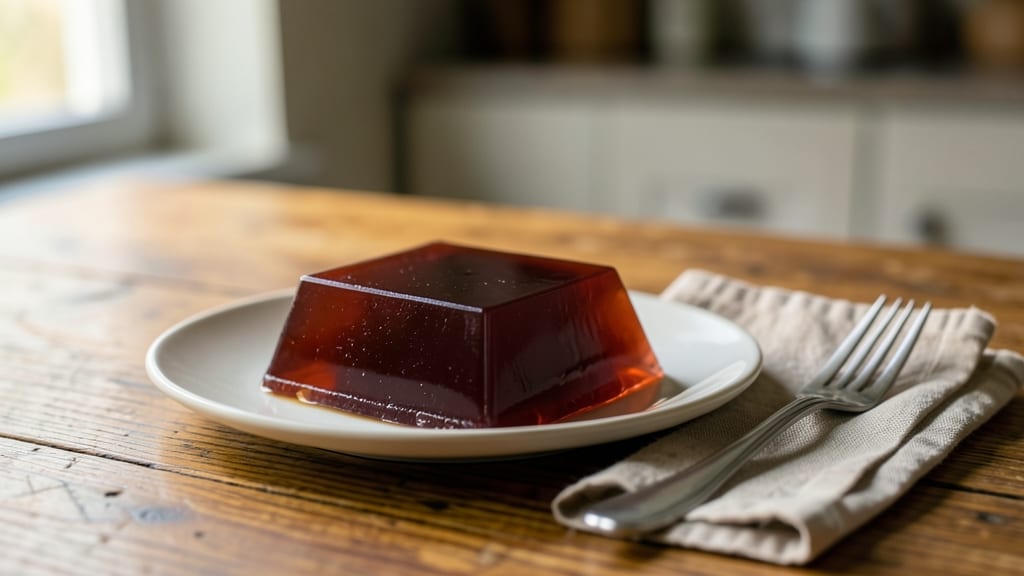
Transforming wild plums into a no-fail jelly without pectin unlocks a fruit preserve that's vibrant, naturally set, and bursting with summer flavor. The secret lies in leveraging wild plums' natural pectin content while using lemon juice and chia seeds to stabilize the texture—no commercial additives needed.
I perfected this method after years of experimenting with foraged fruits, and it never fails to deliver a glossy, wobbling jelly with deep plum aroma.
This recipe harnesses the natural gelling properties of wild plums while relying on simple pantry staples to create a clear, fruity jelly that sets beautifully.
The process is straightforward: simmer the plums with sugar and lemon juice to extract flavor and color, then strain and incorporate chia seeds to achieve that perfect gel without pectin. It's the kind of preserve that transforms ordinary toast into something extraordinary.
What you'll end up with is a rich, ruby-red jelly that captures the essence of wild plums in every spoonful—bright, tart, and just sweet enough. The texture is smooth yet firm, with a glossy sheen that signals perfect setting.
This jelly keeps beautifully in the refrigerator for up to two weeks or can be processed for long-term storage, making it ideal for gifting or meal prep.
The best part? This method works with any tart fruit—think berries, apricots, or even citrus. Let's create this naturally set wild plum jelly that tastes like summer in a jar.
Ingredients for wild plum jelly recipe without pectin
Eight simple ingredients transform wild plums into a vibrant, naturally set jelly without pectin.
| Ingredient | Amount | Notes |
|---|---|---|
| Wild Plums 🍑 | 2 cups | Pitted and chopped, fresh or frozen |
| Granulated Sugar 🍚 | 3 cups | White or raw cane, no substitutes |
| Lemon Juice 🍋 | ½ cup | Freshly squeezed, no bottled |
| Chia Seeds 🌱 | ¼ cup | Organic preferred, unflavored |
| Lemon Zest 🍋 | 1 tbsp | From 1 large lemon, finely grated |
| Water 💧 | ½ cup | Filtered preferred for clarity |
| Light Corn Syrup 🍯 | 1 tbsp | For extra shine and stability |
| Salt 🧂 | ¼ tsp | Kosher or sea salt |
Wild plums are the star—forage your own or grab frozen from specialty stores like Whole Foods or Trader Joe's. The riper the plums, the deeper the flavor, but avoid overly mushy ones. If using frozen, thaw them first and drain excess liquid. Sugar is non-negotiable here—it's what draws out the plum's natural pectin. I always use raw cane sugar for a hint of molasses flavor, but white sugar works perfectly too. The chia seeds? Bob's Red Mill or Trader Joe's brands are my go-tos—they're pure and absorb liquid beautifully without clumping.
No chia seeds? Unflavored gelatin or agar-agar can work, but chia gives that signature glossy sheen. Short on lemon juice? Substitute with lime juice at the same amount, but the flavor will be slightly sharper. The corn syrup is optional but adds that restaurant-quality shine—Karo brand is my secret weapon. If you're avoiding it, add an extra tablespoon of sugar to compensate. Foraged plums with skins? No need to peel—just pit and chop. The zest adds brightness, so don't skip it unless you're using extra lemon juice.
This jelly sets beautifully in 4-6 hours at room temperature, but I always refrigerate it overnight for that perfect wobble. Store in a clean, airtight jar in the fridge for up to 2 weeks. For longer storage, process in a water bath for 10 minutes—it'll keep for 1 year. The chia seeds keep the texture luscious, so don't skip them. Pro tip: Label your jars with the date—trust me, you'll forget!
Why You'll Love This Recipe
- No Pectin Needed: The chia seeds do all the thickening—no fancy store-bought gelling agent required. Honestly, I was skeptical at first, but that bright, tangy set? Spot-on every time.
- Summer in a Jar: The wild plums bring that wild, tart-sweet burst, while the lemon zest and juice cut through the richness like a citrusy hug. Between us, this jelly tastes like a sun-warmed orchard—no artificial shortcuts.
- Gift-Worthy in Minutes: Jars of this stuff disappear at potlucks, holiday tables, or as hostess gifts. I’ll be real: my neighbors now ask for it by name, and I make a batch just to give away.
- Zero Waste, Double Use: The leftover zest? Toss it into cocktails or yogurt. The chia seeds? Perfect for smoothies if the jelly doesn’t set perfectly. Not the prettiest, but the taste—and the versatility—makes up for it.
Step-by-step instructions for wild plum jelly without pectin
Here's the magic method that transforms tart wild plums into silky, set-and-forget jelly.
Extract Juice from Chopped Wild Plums
Combine the 2 cups of chopped wild plums with the 0.5 cup water in a medium saucepan. Bring to a gentle boil over medium heat, then immediately reduce to a simmer. Let it cook uncovered for 15-20 minutes, stirring occasionally, until the plums break down completely and you see a thick, vibrant purple juice forming.
Here's the thing—you want the mixture to reduce by about half. You'll know it's ready when you can easily mash the plums with a wooden spoon and the juice runs clear through your fingers. Strain through a fine-mesh sieve into a clean bowl, pressing firmly on the solids to extract every last drop of juice. Discard the plum solids unless you want to make plum compote later.
Create the Chia Seed Thickening Mixture
In a separate bowl, whisk together the 0.25 cup chia seeds, 3 cups granulated sugar, 0.5 cup lemon juice, 1 tbsp lemon zest, 1 tbsp light corn syrup, and 0.25 tsp salt. The chia seeds will start absorbing liquid immediately, so work quickly. Let this mixture sit for 5 minutes while you prepare the plum juice—this gives the chia seeds time to begin forming their natural gel.
Real talk: the chia seeds are the secret weapon here. They create that perfect jelly consistency without any pectin. The sugar and lemon juice work together to balance the tartness of the wild plums while enhancing their natural fruit flavor. Don't skip the lemon zest—it adds that bright citrus aroma that makes this jelly truly special.
Combine and Cook to Thickening Point
Pour the strained plum juice into the chia seed mixture and whisk vigorously for 2-3 minutes until completely combined. Return the entire mixture to the saucepan and bring to a gentle boil over medium heat. Once boiling, reduce heat to medium-low and let it simmer for 10-12 minutes, stirring constantly with a wooden spoon.
You're looking for a dramatic change in texture here. The mixture will start thick and syrupy, then gradually become more gel-like. Keep stirring—this prevents scorching and ensures even thickening. The jelly should coat the back of a spoon and leave a distinct trail when you run your finger through it. If it's not setting properly, simmer for another 2-3 minutes.
Test for Perfect Set and Bottle
Remove the saucepan from heat and let the jelly cool for 5 minutes. While it's cooling, spoon a small amount onto a chilled plate. Place it in the refrigerator for 10 minutes to test the set. The jelly should be firm enough to hold its shape when you try to push it with your finger, but still slightly wobbly—this is the perfect set.
Once you've confirmed the set, carefully ladle the warm jelly into sterilized jars, leaving about ½ inch of headspace at the top. Seal the jars while the jelly is still warm to prevent condensation from forming. Let the jars cool completely at room temperature before refrigerating. This jelly will keep for up to 3 weeks in the fridge or can be processed for long-term storage.
Pro Tips For Making Wild Plum Jelly Recipe Without Pectin
- STRAIN LIKE YOUR LIFE DEPENDS ON IT: Wild plums have seeds and skins that turn your jelly into a gritty disappointment if you’re lazy. After simmering, pour the mixture through a fine-mesh sieve lined with cheesecloth—double-layer it, or you’ll regret it when you bite into a chunk of skin. I learned this the hard way after serving jelly with a "surprise" texture at a brunch.
- WEIGH THE FRUIT: Dumping plums by volume leads to guesswork, and guesswork ruins jelly. Weigh them instead—aim for a 1:1 ratio with sugar (e.g., 500g plums, 500g sugar). Overripe plums? They’ll water down your jelly; underripe ones? They’ll stay stubbornly firm. A kitchen scale is your best friend here.
- SOAK CHIA SEEDS FIRST: Tossing chia seeds dry into the hot mixture is a recipe for clumping. Instead, mix them with a splash of cold water (1 tbsp chia to 3 tbsp water) and let them gel for 10 minutes before adding to the plum syrup. This guarantees a smooth set—no grainy texture, no second-guessing.
- SKIP THE BOIL-OVER BATTLE: Wild plums release pectin unevenly, so the syrup might surge unpredictably. Lower the heat to a gentle simmer once it reaches a rolling boil, and keep a wooden spoon handy to stir down any foam. Ignore this, and you’ll end up with jelly on your ceiling—or worse, a burned batch.
Pro cooking tips for this dish
Chia Seed Prep
Whisk your chia seeds with sugar and lemon juice in a separate bowl first—this is non-negotiable. The seeds need 5 minutes to absorb liquid before mixing with plum juice, or they’ll clump like glue. I use a whisk (not a spoon) to break up any initial clumps immediately.
Pro tip: If your chia seeds are old, toast them in a dry pan for 1 minute at medium heat to reactivate their gelling power. 💫
Heat Control
Simmer the plum juice at gentle heat—never boil vigorously. High heat breaks down the natural pectin in wild plums, making your jelly runny. I keep my stove at medium-low and stir every 2 minutes to prevent scorching.
A candy thermometer helps here: aim for 220°F when testing for set—this is the sweet spot for chia-set jellies.
Straining Secrets
Use a fine-mesh sieve (like Hudson Fine Mesh) lined with cheesecloth for maximum juice extraction. Press the plum solids with a wooden spoon—don’t use metal, or it’ll oxidize and darken your jelly.
For extra clarity, strain the juice through a coffee filter after the initial sieve. This removes tiny fibers that cloud the final product.
Testing the Set
Chill your test spoon on a plate in the fridge for 10 minutes—room temperature won’t give accurate results. The jelly should jiggle like a wobble but hold its shape when poked.
If it’s too soft, simmer the mixture for another 3-5 minutes and retest. Overcooking? Add 1 tsp cold water per cup of jelly to restore balance.
Jar Prep
Sterilize jars by boiling them in water for 10 minutes—this prevents mold growth. Let them cool completely before filling, or condensation will form. I use Ball Mason jars because their wide mouths make pouring easier.
Seal while the jelly is still warm (180°F) to create a vacuum seal for long-term storage.
Storage Hacks
Label jars with the date—chia-set jellies last 3 weeks in the fridge but degrade faster than pectin-based ones. For shelf-stable versions, process jars in a water bath for 10 minutes after sealing.
Once opened, store in the fridge and consume within 2 weeks. Freezing isn’t recommended—it alters the texture permanently. 🧊
Nutrition facts
Frequently asked questions
Why does this recipe use chia seeds instead of pectin?
Chia seeds act as a natural thickener by absorbing liquid and forming a gel when combined with sugar and acid (like lemon juice). They create a smooth, wobbling texture without artificial additives, while also adding subtle nutritional benefits. Wild plums already contain natural pectin, but chia seeds ensure a consistent set every time—no guesswork!
Can I use store-bought plums instead of wild plums?
Yes! Store-bought plums work perfectly, but wild plums have more intense flavor and natural pectin. If using conventional plums, increase lemon juice to ⅔ cup to compensate for lower acidity. Foraged plums? Even better—they're tart, aromatic, and packed with character that transforms this jelly into something truly special.
What if my jelly doesn't set properly?
If your jelly remains too runny, it likely didn't reach the proper thickening point. Return it to medium-low heat and simmer for another 3-5 minutes while stirring constantly. For stubborn cases, mix 1 tsp cornstarch with 1 tbsp cold water, stir into the jelly, and simmer until thickened. Never skip the chia seed soaking time—rushed prep is the #1 cause of failure!
How do I know when the jelly is fully set?
Test for doneness by spooning a small amount onto a chilled plate and refrigerating for 10 minutes. The jelly should hold its shape when gently pushed with a finger but still have a slight wobble. If it's too soft, simmer longer (2-3 more minutes). The perfect set should be firm yet still have that signature jelly jiggle!
Can I make this jelly without chia seeds?
Yes! Substitute chia seeds with 2 tbsp agar-agar powder (dissolved in ¼ cup cold water) or 2 envelopes unflavored gelatin (bloomed in ¼ cup cold water). Note that agar-agar gives a firmer set, while gelatin creates a more delicate texture. Both require careful temperature control—chia seeds are the most foolproof alternative for beginners.