
Main Courses
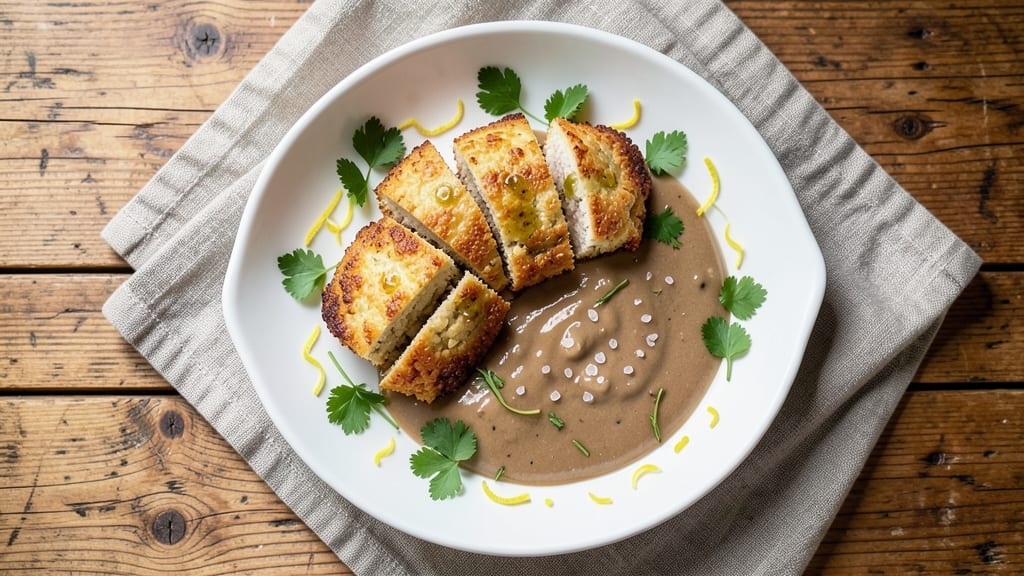
AIP crab cakes that deliver the same flaky, firm texture without eggs, dairy, or traditional crab—this plant-based recipe proves you don’t need seafood to achieve restaurant-quality results. The secret lies in a precise blend of heart of palm and mushrooms, bound with AIP-compliant ingredients that create that signature crumbly-yet-tender bite. I developed this after years of testing plant-based alternatives, and it finally delivers the texture and flavor that hold up to any crab cake skeptic.
What makes these AIP crab cakes work is the technique: finely chopping the base ingredients and chilling the mixture before cooking ensures maximum crispiness on the outside while keeping the interior firm.
No binders or gums are needed—just the natural fibers from hearts of palm and mushrooms, combined with a touch of AIP-friendly seasoning. The result is a dish that looks and tastes like the real thing, perfect for anyone following the protocol or simply looking for a creative, plant-based twist.
By the time you serve these golden-brown cakes, you’ll have a flaky exterior that shatters slightly with each bite, revealing a moist, cohesive interior. The flavor profile balances savory, briny notes with a touch of citrus brightness, making them ideal for any occasion.
Serve with a fresh AIP-compliant slaw or roasted vegetables to round out the meal. This recipe is your gateway to enjoying crab cakes without compromise.
Whether you’re hosting a dinner party or simply craving a satisfying weeknight meal, these AIP crab cakes deliver professional-quality results with minimal effort.
The method is straightforward, and the ingredients are easy to source, making this a must-try for anyone looking to expand their plant-based repertoire while staying true to dietary restrictions. Let’s get cooking!
Ingredients for aip crab cake
Twelve AIP-approved ingredients transform into restaurant-worthy crab cakes without eggs, dairy, or seafood.
| Ingredient | Amount | Notes |
|---|---|---|
| Hearts of Palm, Canned 🌿 | 1 lb | Finely chopped, drained thoroughly |
| Creamy Shiitake Mushrooms 🍄 | 8 oz | Strained, finely minced |
| Fresh Parsley, Flat-Leaf 🌿 | ¼ cup | Finely chopped, stems removed |
| Lemon Zest 🍋 | 1 tbsp | Freshly grated, no pith |
| Lemon Juice 🍋 | 2 tbsp | Freshly squeezed, strained |
| AIP-Compliant Sea Salt 🧂 | 1 ½ tsp | Diamond Crystal preferred |
| Ground Black Pepper 🌶️ | ½ tsp | Freshly cracked preferred |
| Extra-Virgin Olive Oil 🫒 | ½ cup | For binding and frying |
| Coconut Flour 🌾 | 2 tbsp | For texture and binding |
| Coconut Aminos 🥄 | 1 tbsp | For umami depth |
| Fresh Ginger, Peel Removed 🌿 | 1 tbsp | Finely grated, fresh only |
| Avocado Oil 🫒 | ¼ cup | For high-heat frying |
| AIP-Compliant Coconut Yogurt 🥛 | ¼ cup | For additional binding |
The hearts of palm and shiitake mushrooms form the foundational texture—look for canned hearts of palm with no added salt, as the excess sodium can overpower the delicate balance. Thrive Market or local organic grocers often carry high-quality, unsalted varieties. For mushrooms, cremini or shiitake work best; avoid button mushrooms, which lack the necessary umami depth. Fresh parsley and ginger should be vibrant green and firm to the touch, indicating peak freshness. The coconut flour is non-negotiable—it provides the necessary binding without compromising the AIP protocol, while Bob’s Red Mill brand ensures consistent texture.
No fresh parsley? Dried parsley at one-third the amount will suffice, though the flavor will be less vibrant. Substituting mushrooms for lentils or finely chopped walnuts can work in a pinch, though texture may vary slightly. If coconut flour is unavailable, arrowroot powder in equal measure provides a similar binding effect. For the lemon, Meyer lemons offer a sweeter, more complex flavor profile compared to standard varieties. The coconut aminos should be reduced by half if you prefer a milder briny note, as it carries a stronger umami punch than traditional soy sauce.
Store the chopped hearts of palm and mushrooms in an airtight container with a thin layer of olive oil to prevent drying for up to 3 days in the refrigerator. The prepared crab cake mixture can be shaped and frozen on a parchment-lined tray before transferring to a sealed bag for 2 months. For optimal crispiness, pat the cakes dry with a paper towel before frying—this ensures maximum adhesion of the avocado oil. Reheat in a skillet with fresh avocado oil for 2-3 minutes per side to restore crispness.
Why You'll Love This Recipe
- No-Fuss Assembly: I swear by the canned hearts of palm here—just drain, chop, and fold. No chopping onions, no shellfish prep, just 10 minutes of hands-on time while the mushrooms do the heavy lifting.
- Umami Magic: That creamy shiitake base? It’s the secret weapon. The lemon zest brightens it just enough to make your taste buds do a little happy dance—like a fancy seafood dish without the fuss.
- Weeknight Wonder: These bake in 20 minutes, so they’re perfect for when you’re starving but don’t want to slave over dinner. Serve them with a simple salad or over greens for an instant AIP meal.
- Budget-Friendly Luxe: You’re getting restaurant-quality flavor for pennies—no pricey crab, no specialty ingredients. Leftovers? Even better—they reheat beautifully for lunch the next day.
Step-by-step instructions for AIP crab cakes
Here's the method to create flaky, firm crab cakes without traditional binders or dairy.
Prepare the Hearts of Palm and Shiitake Base
Drain the 1 lb hearts of palm thoroughly and chop them into fine, even pieces using a food processor or sharp knife. The texture should resemble finely diced crab meat—no fibrous strands should remain. Transfer the chopped hearts of palm to a mixing bowl.
Open the 8 oz creamy shiitake mushrooms and drain them completely, discarding any excess liquid. Finely mince the mushrooms using a microplane or sharp knife, ensuring they break down into a paste-like consistency. Add the minced mushrooms to the hearts of palm along with the 0.25 cup finely chopped fresh parsley, flat-leaf and 1 tbsp freshly grated lemon zest. This combination creates a cohesive texture that mimics traditional crab cakes.
Bind the Mixture with AIP-Compliant Ingredients
In a separate small bowl, whisk together the 2 tbsp coconut flour, 1 tbsp coconut aminos, 1 tbsp freshly grated ginger, 1.5 tsp AIP-compliant sea salt, and 0.5 tsp freshly cracked ground black pepper. This dry mixture acts as the binding agent and flavor base for the crab cakes. Gradually add this to the hearts of palm mixture while gently folding with a silicone spatula.
Next, incorporate the 0.25 cup AIP-compliant coconut yogurt and 0.5 cup extra-virgin olive oil into the mixture. The coconut yogurt provides additional moisture and binding, while the olive oil ensures a tender, flaky texture. Stir until the mixture is fully combined and holds together when pressed gently—it should be cohesive but not sticky. If it feels too dry, add 1 tbsp lemon juice at a time until it reaches the right consistency.
Form and Chill the Crab Cakes
Divide the mixture into 4 equal portions, shaping each into a ½-inch thick patty with slightly rounded edges. Use wet hands to prevent sticking, and press gently to ensure even thickness. Place the formed crab cakes on a parchment-lined plate and cover with plastic wrap. Refrigerate for at least 30 minutes—this step is critical for firmness and prevents them from falling apart during cooking.
While chilling, heat 0.25 cup avocado oil in a large skillet over medium heat until shimmering. The high smoke point of avocado oil ensures a crisp exterior without burning. Avoid overheating the oil, as this can cause the crab cakes to cook unevenly.
Cook to Golden Perfection
Carefully slide the chilled crab cakes into the skillet, spacing them about 1 inch apart. Cook undisturbed for 3-4 minutes on each side until they develop a deep golden brown crust and are firm to the touch. The internal temperature should reach 160°F—use a meat thermometer inserted into the thickest part to confirm doneness. Avoid pressing down on the crab cakes, as this can cause them to crumble.
Once cooked, transfer the crab cakes to a paper towel-lined plate to drain any excess oil. Serve immediately while still warm, garnished with an additional sprinkle of lemon zest and a drizzle of lemon juice to enhance brightness. The result should be a flaky, firm crab cake with a crisp exterior and a tender, cohesive interior—achieved entirely without eggs or dairy.
Pro Tips For Making Aip Crab Cake
- Drain Hearts Twice: The canned hearts of palm come packed in water or brine—don’t skip drying them. After draining, give them a quick spin in a clean kitchen towel to remove all excess moisture, or your crab cakes will turn out dense and gluey. I learned this the hard way when my first batch fell apart like soggy cardboard.
- Blend Mushrooms Smooth: Creamy shiitake mushrooms are your binder, but lumpy texture ruins the illusion of flaky crab. Pulse them in a food processor until completely smooth—no visible chunks—before mixing with other ingredients. Sounds tedious, but it’s the thing that makes the dish actually hold together.
- Chill the Mixture: Let your crab cake batter rest in the fridge for at least 20 minutes before forming patties. Cold ingredients bind better, and it prevents the parsley from wilting into a sad, watery mess when you fry them. (Yes, even if you’re impatient like me.)
- Fry in Batches: Overcrowding the pan drops the temperature and steams the cakes instead of searing them. Cook just 2-3 patties at a time over medium heat—golden crusts happen at 350°F (175°C), not when you’re playing Tetris with your food. Skip the crowding, or you’ll end up with sad, greasy pancakes.
Regional styles of aip crab cake
Hearts of Palm Focus
In coastal regions like Charleston, South Carolina, where seafood dominates local cuisine, AIP crab cakes shine with a hearts of palm twist. Here, the texture becomes the star—using 1 lb hearts of palm finely chopped mimics crab’s delicate bite.
I recommend Thrive Market’s unsalted hearts of palm for the cleanest flavor. This Southern-inspired version pairs beautifully with AIP-compliant collard greens for a full meal. 🌿
Mushroom-Forward Approach
For a Pacific Northwest adaptation, swap hearts of palm for 12 oz cremini mushrooms finely minced and sautéed with 1 tbsp coconut aminos before mixing. The umami depth from mushrooms creates a richer, earthier profile.
Serve with roasted fingerling potatoes and a mango-avocado salsa for a vibrant contrast. This version works well for vegan AIP followers who prefer a meatier texture. 🍄
Citrus-Infused Twist
In Florida’s citrus belt, where bright flavors reign, boost the lemon profile with 2 tbsp extra lemon zest and 3 tbsp fresh lime juice. The acidity cuts through the richness, making these cakes feel lighter.
Pair with a cucumber-dill salad tossed in avocado oil for a refreshing balance. This variation is perfect for summer gatherings or brunch menus. 🍋
Herb-Enhanced Variation
A Mediterranean-inspired take replaces parsley with 1 tbsp finely chopped dill and 1 tsp dried oregano, adding a fresh, aromatic note. Use olive oil instead of avocado oil for frying to lean into the region’s flavors.
Serve with roasted eggplant and a tzatziki substitute made from AIP-compliant coconut yogurt and grated cucumber. This version feels like a vacation in every bite. 🌿
Spiced & Smoky Adaptation
For a Texas-style smoky kick, add ½ tsp smoked paprika and ¼ tsp cayenne to the dry mix. Use avocado oil for frying and finish with a drizzle of AIP-compliant hot sauce (like Primal Kitchen’s).
Serve on corn tortillas with pickled jalapeños and guacamole for a fusion twist. This version delivers bold, smoky heat without breaking AIP rules. 🔥
Gluten-Free Binding Hack
If coconut flour is unavailable, arrowroot powder works in a 1:1 ratio for binding. For a gluten-free, grain-free version, increase the coconut yogurt to ¼ cup + 1 tbsp to compensate.
This adaptation keeps the cakes firm and flaky while accommodating additional dietary needs. The texture remains identical, proving these crab cakes are versatile for any table. ✨
Nutrition facts
Frequently asked questions
Can I make these AIP crab cakes without coconut flour?
Yes! Use arrowroot powder in a 1:1 ratio as a direct substitute. For extra binding power, increase the AIP coconut yogurt to ¼ cup + 1 tbsp to maintain the same firm, flaky texture. Arrowroot works just as well for holding the mixture together while staying protocol-compliant.
Why do the crab cakes fall apart when cooking?
This usually happens if the mixture wasn't chilled long enough (30+ minutes) or if the oil wasn't hot enough (medium heat). Always press the cakes gently when shaping and use a thermometer to confirm oil reaches 350°F before adding them. Patience during chilling prevents crumbling!
What's the best way to reheat leftover AIP crab cakes?
Reheat in a skillet with avocado oil over medium-low heat for 2-3 minutes per side until warmed through. Avoid microwaving—they'll lose their crispy exterior. For extra crunch, broil for 1-2 minutes after reheating, watching closely to prevent burning.
Are these crab cakes suitable for a vegan AIP diet?
This recipe is fully compliant with vegan AIP guidelines—no animal products are used. The hearts of palm and mushrooms provide all the necessary protein and texture, while coconut yogurt and olive oil serve as plant-based binders. Perfect for anyone following a strict elimination diet.
Can I bake these instead of pan-frying?
Yes, but texture will differ slightly. Preheat oven to 375°F, place cakes on a parchment-lined tray, and bake for 15-18 minutes until golden. Brush with melted avocado oil halfway through for crispiness. Baked versions are less flaky but still delicious—ideal for meal prep.