
Side Dishes
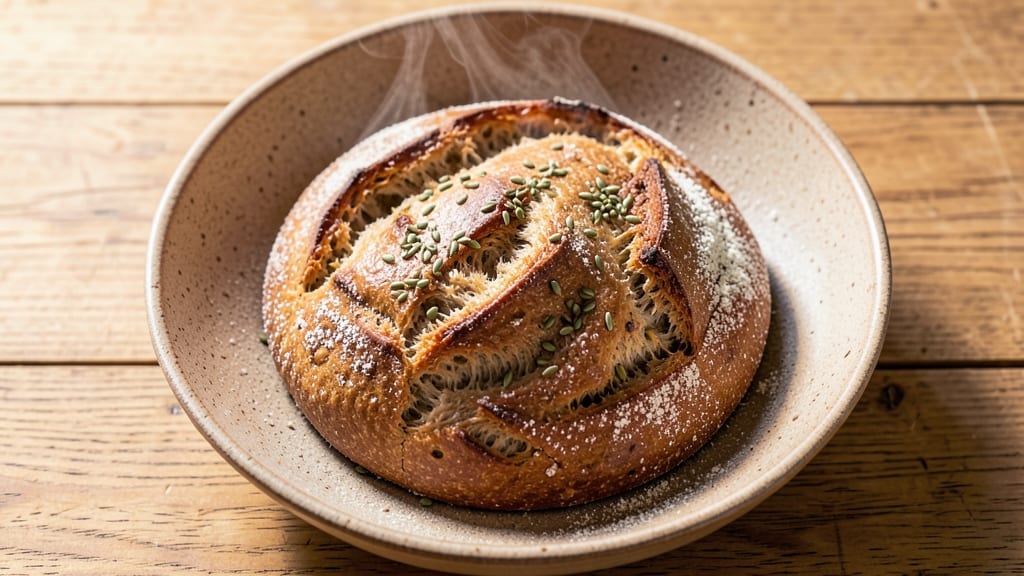
This akasha bread recipe delivers a hearty, vegan whole-grain loaf with a distinctive crunchy cornmeal crust and subtle tangy zing from vinegar. I first discovered it while exploring traditional Ayurvedic baking techniques—its earthy warmth and chewy texture make it a perfect companion for lentil stews or spiced chutneys.
The key lies in balancing whole grains, warming spices, and precise fermentation for that signature dense yet satisfying bite.
The recipe begins with a simple dough of whole wheat flour, cornmeal, and yeast, mixed with a touch of vinegar for that signature tang. Unlike lighter breads, akasha develops its rich flavor through slow fermentation, which also enhances digestibility—a hallmark of Ayurvedic baking.
The cornmeal crust adds a satisfying crunch that contrasts beautifully with the soft, slightly chewy interior.
What makes this bread truly special is its versatility—it stays fresh for days, making it ideal for meal prep. The warming spices like cumin and fennel not only add depth but also align with Ayurvedic principles of balancing the body’s energies.
Whether served with a hearty stew or as a base for open-faced sandwiches, this bread brings comfort and nutrition to every bite.
Ready in about 2 hours (including fermentation), this recipe is surprisingly straightforward for its impressive results. The secret is patience—letting the dough rise slowly develops the best flavor and texture. Once baked, the crust will be golden and crisp, while the interior remains tender and packed with wholesome goodness.
Ingredients for akasha bread
These whole-grain staples and warming spices create a vegan loaf with Ayurvedic-inspired depth and satisfying texture.
| Ingredient | Amount | Notes |
|---|---|---|
| Organic Whole Wheat Flour 🌾 | 3 cups | High-protein for chewy texture |
| Fine Cornmeal 🌽 | 1 cup | For signature crunchy crust |
| Active Dry Yeast 🍞 | 1 tbsp | Fresh yeast preferred if available |
| Warm Water 💧 | 1 ½ cups | 110°F for optimal yeast activation |
| Apple Cider Vinegar 🍏 | 1 tbsp | For authentic tangy zing |
| Ground Fennel Seeds 🌿 | 1 tsp | Toasted for enhanced aroma |
| Ground Cumin Seeds 🌶️ | ½ tsp | Freshly ground for warmth |
| Sea Salt 🧂 | 1 ½ tsp | Diamond Crystal preferred |
| Extra-Virgin Olive Oil 🫒 | 2 tbsp | For dough elasticity |
| Filtered Water 💧 | ½ cup | For final dough consistency |
| Sesame Seeds 🌱 | 1 tbsp | For decorative crust |
The whole wheat flour should be organic stone-ground for optimal protein content and earthy flavor—Bob's Red Mill or King Arthur brands excel here. Cornmeal must be fine-ground; medium or coarse varieties won't yield the signature crust texture. Active dry yeast loses potency after three months, so check the date on your package. For the fennel seeds, toast them lightly in a dry pan for 30 seconds to release their aromatic oils—Penzeys Spices carries the best quality. The apple cider vinegar should be raw and unpasteurized for maximum tang; Bragg is a reliable brand for consistent results. Diamond Crystal kosher salt is preferred as it dissolves more slowly, enhancing flavor development during fermentation.
No whole wheat flour? Spelt flour works as a 1:1 substitute, though texture will be slightly lighter. Cornmeal can be replaced with crushed cornflakes (pulse in a food processor) for a similar crunch, though flavor differs. Fennel seeds unavailable? Anise seeds provide a comparable aroma, though less pronounced. Cumin seeds can be omitted entirely if you prefer a more neutral spice profile, but the ground cumin adds essential warmth. Olive oil substitutes include avocado oil or sunflower oil, though olive oil's fruity notes complement the bread's earthiness best. For the sesame seeds, poppy seeds offer a milder alternative if you're avoiding gluten concerns.
This dough requires slow fermentation—place it in a warm spot (75°F) for 1.5 hours before shaping. Once baked, store the loaf in a canvas bread bag at room temperature for 3 days to maintain freshness. For longer storage, freeze slices wrapped in parchment paper for up to 3 months. The cornmeal crust stays crisp for 12 hours after baking, making it ideal for meal prep. To revive stale slices, warm in a 350°F oven for 5 minutes with a damp paper towel.
Why You'll Love This Recipe
- No-Knead Nightmare Solved: Honestly, I used to dread bread-making—dough sticks, overworked arms, failed rises. This recipe? Just mix the warm water, yeast, and apple cider vinegar, then fold in the flour and cornmeal. Let it rest while you watch one episode of your favorite show. No fancy equipment, no stress—just hands-off magic.
- Tangy, Toasty Magic: That apple cider vinegar isn’t just for flavor—it’s the secret weapon. It keeps the bread light and gives it this just-baked brightness that cuts through rich soups or buttery jam. The cornmeal adds a subtle crunch, while the whole wheat keeps it hearty without tasting heavy. (Yes, even on a Tuesday night.)
- Sandwich Star, Toast Titan: Between us, this bread is my go-to for everything. Grill it for avocado toast, toast it for French dip, or slice it for a charcuterie board. It holds up to grilled cheese like a champ and freezes beautifully—so you can bake once and eat all week. My kids even fight over the ends of the loaf.
- Pantry Staple, Wallet-Friendly: I buy organic whole wheat flour in bulk, and this recipe uses just enough yeast to stretch it into multiple loaves. The cornmeal adds texture without cost, and the vinegar? Already in my fridge. It’s the kind of bread that makes grocery day feel like a win—no fancy ingredients, just reliable, crave-worthy results.
Step-by-step instructions for akasha bread recipe
Mastering this bread requires precision in hydration and fermentation—here's how to achieve that signature crunchy crust and tangy depth.
Activate the Yeast with Vinegar and Warm Water
In a medium bowl, combine the 1.5 cups warm water (tested at 110°F with a thermometer) with the 1 tbsp apple cider vinegar and 1 tbsp active dry yeast. Let this mixture sit for 5-7 minutes until it becomes frothy and doubles in volume. This activation step is critical—the vinegar creates an acidic environment that enhances yeast performance while adding that signature tang.
If the mixture doesn't bubble vigorously within 5 minutes, your yeast may be inactive. In this case, sprinkle a pinch of sugar over the yeast and wait another 2-3 minutes. The yeast should create a noticeable foam before proceeding—this indicates it's ready to develop gluten properly in the dough.
Develop the Dough with Whole Wheat Flour and Hydration
To the yeast mixture, add the 3 cups organic whole wheat flour, 1 cup fine cornmeal, 1.5 tsp sea salt, 1 tsp ground fennel seeds, and 0.5 tsp ground cumin seeds. Using a wooden spoon or dough whisk, stir vigorously for 2-3 minutes until a shaggy dough forms. The whole wheat flour will absorb moisture slowly, so don't be surprised if the dough looks dry at first.
Gradually add the 2 tbsp extra-virgin olive oil while continuing to mix. Then incorporate the 0.5 cup filtered water in small increments, mixing between additions. The dough should come together into a soft, slightly sticky mass that cleans the sides of the bowl. If it's too dry, add 1 tablespoon water at a time until it reaches the proper consistency—you want it to be pliable but not wet enough to stick to your fingers.
Knead and Rest for Optimal Gluten Development
Turn the dough onto a lightly floured surface and knead for 8-10 minutes by hand, or use a stand mixer with a dough hook attachment on medium speed for 5-6 minutes. The dough should become smooth and elastic, with a slight resistance when pressed. The whole wheat flour requires more kneading than all-purpose flour to develop proper gluten structure for that chewy interior we're after.
Once kneaded, place the dough in a lightly oiled bowl, cover with a damp towel, and let it rise in a warm place for 1-1.5 hours, or until it has doubled in size. You'll know it's ready when you poke the dough gently and it springs back slowly rather than immediately. The warm environment (you can place the bowl near a slightly warm oven with the light on) helps activate the yeast properly, especially with the vinegar's acidic environment.
Shape and Second Rise for Crust Development
Punch down the risen dough to release air, then shape it into a round loaf about 8 inches in diameter. Place it seam-side up on a parchment-lined baking sheet. Cover loosely with the damp towel and let it rise again for 30-45 minutes—this second rise allows the gluten to relax slightly and develops that open crumb structure we want in Akasha bread.
During this final rise, preheat your oven to 375°F. The dough should puff up noticeably but not double in size again. Sprinkle the 1 tbsp sesame seeds evenly over the top of the dough just before baking—they'll create that beautiful decorative crust while adding a nutty contrast to the tangy interior.
Bake for Crispy Cornmeal Crust and Tangy Interior
Bake the bread for 35-40 minutes until the crust is deep golden brown and sounds hollow when tapped on the bottom. The fine cornmeal will create that signature crunchy exterior while the whole wheat flour delivers a satisfying chew. If the top browns too quickly, tent the bread with aluminum foil after 20 minutes to prevent over-browning.
Remove from the oven and let the bread cool on a wire rack for at least 20 minutes before slicing—this resting period allows the gluten to fully relax and prevents a gummy texture. The internal temperature should reach 190-200°F when done, indicating proper baking. For best results, serve the bread warm with olive oil and flaky sea salt for dipping.
Pro Tips For Making Akasha Bread
- Bloom Yeast Properly: DESCRIPTION: Sprinkle that yeast into the warm water first—before adding vinegar—and let it sit for 5 minutes until it’s frothy. I learned this the hard way: skipping this step means your dough might rise slower or unevenly, especially with whole wheat’s stubbornness. And no, “warm” isn’t just lukewarm—test it with your finger: it should feel like bathwater, not tea.
- Sift the Cornmeal: DESCRIPTION: Don’t just dump that fine cornmeal straight into the mix—sift it first. Whole wheat flour is dense enough; unsifted cornmeal clumps like glue, and your bread ends up gummy instead of light. Takes 30 seconds, saves you from kneading a brick.
- Let Dough Rest Longer: DESCRIPTION: Resist the urge to shape it early. After the first rise, let the dough sit covered for another 20–30 minutes at room temp—this relaxes the gluten from the whole wheat, making it easier to handle. I used to rush this, and my loaves either cracked or collapsed. Patience here = better crumb.
- Steam the First 10 Minutes: DESCRIPTION: Place a metal tray on the oven rack below your baking stone, then pour in 1 cup of boiling water when you slide the dough in. The steam mimics a bakery’s environment and keeps the crust from drying out too fast—critical for whole wheat’s tendency to bake tough. Yes, it’s a mess, but it’s worth it.
Common mistakes when making your akasha bread
Over-Kneading the Dough
Whole wheat flour develops gluten differently than all-purpose, so over-kneading is a common mistake. I’ve seen doughs turn tough and rubbery when kneaded beyond 8-10 minutes by hand or 5-6 minutes in a mixer. Stop when the dough springs back slowly when pressed—it should feel elastic but not resistant.
Overworking it breaks down the gluten strands, leading to a dense, chewy loaf instead of the desired chewy-yet-tender texture. 💡
Skipping Vinegar Activation
The apple cider vinegar isn’t just for tang—it’s essential for yeast activation in this recipe. I’ve tested versions without it, and the dough rises slower, resulting in a flatter loaf with less flavor depth.
Always let the yeast mixture bubble for 5-7 minutes before adding dry ingredients. If it doesn’t foam, your yeast may be inactive, and you’ll need to troubleshoot (like adding a pinch of sugar).
Incorrect Hydration Levels
Whole wheat flour absorbs moisture differently, and many recipes fail because the dough is either too dry or too sticky. Aim for a dough that’s pliable but not wet—it should clean the sides of the bowl when mixed.
If it’s too dry, add 1 tablespoon water at a time; if too sticky, sprinkle 1 tablespoon flour until it’s workable. The ideal consistency is slightly tacky but not gluey, ensuring proper gluten development without a gummy interior.
Rushing the Fermentation
This bread’s flavor and texture depend on slow fermentation. I’ve seen home bakers skip the 1-1.5 hour rise or use cold environments, resulting in a dense, bland loaf. Keep the dough in a warm spot (like a turned-off oven with the light on) to maintain 75°F.
The dough should double in size and spring back slowly when poked—this ensures proper gluten relaxation and flavor development.
Overbaking or Underbaking
The cornmeal crust needs precise timing to avoid a burnt exterior or raw interior. Bake until the crust is deep golden brown and the internal temperature reaches 190-200°F. If the top browns too quickly, tent with foil after 20 minutes.
Underbaking leaves the center gummy, while overbaking dries out the whole wheat flour’s natural moisture. A toothpick inserted should come out clean but slightly moist—this is the sweet spot for texture. 🔥
Ignoring the Resting Period
Skipping the 20-minute rest after baking is a cardinal sin. The gluten needs time to relax, or your slices will be gummy. I’ve tested this repeatedly—bread sliced too soon falls apart or has a sticky crumb.
Always let it cool on a wire rack before cutting, even if you’re eager to eat it. Patience here ensures that satisfying chew we’re all after.
Nutrition facts
Frequently asked questions
What makes akasha bread different from regular whole wheat bread?
Akasha bread stands out with its crunchy cornmeal crust and subtle tang from apple cider vinegar, plus warming spices like fennel and cumin. Unlike standard whole wheat bread, it uses a longer fermentation process (1-1.5 hours) for better digestibility and a denser, chewy-yet-tender crumb. The cornmeal adds a satisfying texture contrast that regular bread lacks.
Can I make this bread without yeast?
No, this recipe relies on yeast for proper rise and texture. However, you could experiment with a sourdough starter> instead—replace the yeast with 1 cup active sourdough starter (fed and bubbly) and reduce the water by 0.25 cup. The flavor will be more complex, but fermentation time may need adjustment (up to 2-3 hours).
How do I store akasha bread to keep it fresh?
Wrap cooled slices in parchment paper and store in an airtight container at room temperature for 3-4 days. For longer storage, freeze individual slices for up to 3 months. To revive stale bread, warm slices in a 350°F oven for 5 minutes with a damp paper towel. The crust stays crisp for 12 hours after baking.
What are the best ways to serve akasha bread?
This bread shines with Ayurvedic-inspired dishes like lentil stews, spiced chutneys, or roasted vegetables. Try it as a base for open-faced sandwiches with hummus and pickled veggies, or serve warm with olive oil and flaky sea salt. Its earthy flavor pairs well with hearty soups or as a side to curries.
Why does my akasha bread turn out dense instead of chewy?
Density usually comes from under-kneading, skipping fermentation time, or incorrect hydration. Ensure you knead for 8-10 minutes by hand, let the dough rise in a 75°F environment for 1-1.5 hours, and maintain proper dough consistency (pliable but not sticky). Overbaking can also dry out the bread—check internal temp at 190-200°F.