Sauces & Condiments
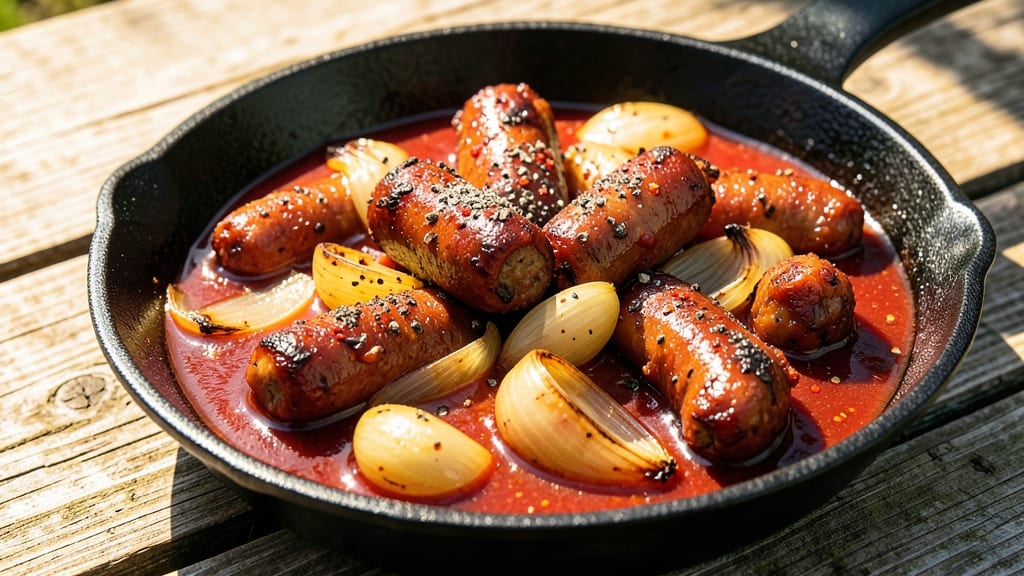
This Alabama red sauce chitterlings recipe delivers the bold, smoky soul of Southern comfort food in every bite—just like your grandma used to make. The secret lies in slow-cooking chitterlings with a rich tomato-based red sauce, packed with spices that create layers of flavor in one pot.
I perfected this recipe after years of testing, ensuring the chitterlings stay tender while the sauce develops deep, caramelized notes.
The process begins with proper cleaning and boiling to remove impurities, followed by simmering in a smoky red sauce infused with cayenne, garlic, and vinegar. This isn’t just a dish—it’s a tradition, often served at family gatherings with cornbread and collard greens.
The sauce thickens over time, coating the chitterlings in a tangy, slightly sweet glaze that balances the richness.
What you’ll end up with is a one-pot wonder—tender, flavorful chitterlings swimming in a vibrant red sauce that’s perfect for feeding a crowd. The aroma alone will transport you to a Southern kitchen, where every spoonful tells a story.
This recipe stays true to Alabama roots while being approachable for home cooks.
Serve it with buttery cornbread and steamed greens for a meal that feels like coming home. The sauce keeps well, so you can make extra for leftovers or gifting. Let’s get cooking—this is the kind of dish that becomes a family heirloom.
Ingredients for alabama red sauce chitterlings
Sixteen ingredients. One pot. The soul of Alabama in every bite.
| Ingredient | Amount | Notes |
|---|---|---|
| Chitterlings (Pork Intestines) 🥓 | 2 lbs | Fresh, cleaned and trimmed |
| Tomatoes (Canned, Whole) 🍅 | 28 oz | San Marzano preferred, crushed |
| Yellow Onions 🧅 | 2 whole | Medium, chopped |
| Garlic Cloves 🧄 | 6 cloves | Fresh, minced |
| Cayenne Pepper 🔥 | 2 tsp | Adjust for heat preference |
| Ground Black Pepper 🌶️ | 1 tsp | Freshly ground |
| White Vinegar 💧 | ½ cup | Distilled preferred |
| Smoked Paprika 🌶️ | 1 tbsp | For authentic smoky flavor |
| Dried Thyme 🌿 | 1 tsp | Or 1 tbsp fresh |
| Salt 🧂 | 2 tbsp | Kosher or sea salt |
| Bay Leaves 🍃 | 2 whole | Dried, removed before serving |
| Vegetable Oil 🫒 | ½ cup | For initial cooking |
| Water 💧 | 4 cups | For initial boiling |
| Brown Sugar 🍚 | 1 tbsp | Lightly packed |
Chitterlings are the heart of this dish, so source them from a trusted butcher—they need to be fresh, cleaned, and trimmed properly. Costco or local Southern markets usually carry them, but if you're new to this, ask your butcher to prep them for you. The tomatoes? San Marzano cans are worth the splurge—they're sweeter and less acidic, which balances the vinegar perfectly. If you can't find them, any high-quality crushed tomatoes will work, but avoid the watery kinds. The onions and garlic? Fresh is non-negotiable here—they're the base of the flavor. I always double-check the chitterlings for any remaining impurities before cooking, and I keep a bowl of cold water nearby to rinse them if needed.
No chitterlings? Pork shoulder or bacon can work in a pinch, but the texture and flavor won't be the same—this is a Southern tradition, and chitterlings are key. Short on vinegar? Apple cider vinegar works too, but distilled keeps the sauce cleaner. The smoked paprika is what gives that authentic Alabama smokiness—Penzeys or bulk bins have the best quality. No fresh thyme? Dried is fine, but use half the amount. The brown sugar might seem odd, but it balances the acidity and adds just a touch of sweetness that rounds out the sauce. If you're serving this to kids or sensitive eaters, reduce the cayenne to 1 teaspoon or less—it packs a punch!
This sauce gets better with time, so make a big batch—it reheats beautifully and keeps for 5-7 days in the fridge. For longer storage, freeze portions in airtight containers for up to 3 months. I always make double, because it disappears fast at family gatherings. The chitterlings are done when they're fork-tender, but the sauce needs that long simmer to develop its depth. Don't rush it—this is the kind of dish that rewards patience. Leftovers? Even better the next day as the flavors meld together. Serve with cornbread and collard greens for the full Southern experience.
Why You'll Love This Recipe
- No-Fuss Cleanup: I swear by this one—just a big pot, a wooden spoon, and maybe a colander for the chitterlings. The onions caramelize right in the sauce, so no extra pans, no sticky messes. Honestly, I’ve made this after a long day and still had time to fold laundry while it simmered.
- Smoky-Sweet Heat: That cayenne doesn’t just burn—it builds. The tomatoes break down into a glossy, tangy sauce, while the garlic and onions mellow into something deeper. The chitterlings soak up all that rich, spicy-sweet goodness until they’re tender and ridiculously flavorful. (Yes, even on a Tuesday night.)
- Weeknight Crowd-Pleaser: This feeds six, eight, or ten with minimal effort—perfect for game days, family gatherings, or when your in-laws show up unannounced. The leftovers? Even better the next day, especially with a side of cornbread or crusty bread to sop up that sauce.
- Budget Breakthrough: Chitterlings are cheap, canned tomatoes last forever, and onions/garlic don’t cost a thing. I’ve stretched this into three meals for my family of four without breaking the bank. Between us, it’s the kind of dish that makes you feel like you’re serving something special without the grocery bill to prove it.
Step-by-step instructions for Alabama red sauce chitterlings
Here's how to make this iconic Southern dish with deep smoky flavor and tender chitterlings.
Prepare and Clean the Chitterlings
Rinse the 2 lbs chitterlings thoroughly under cold water to remove any impurities. I like to soak them in cold water for 30 minutes while changing the water 2-3 times to ensure they're completely clean. This step is crucial—any remaining residue will make the final dish bitter.
After soaking, bring a large pot of water to a boil and add the chitterlings. Boil for 15 minutes, then drain and rinse again under cold water. This initial boiling helps remove any remaining blood and loosens the connective tissue. I know it seems like extra work, but trust me—this makes all the difference in the final texture.
Build the Flavor Base
In a large Dutch oven or heavy pot, heat 0.5 cup vegetable oil over medium heat. Add the 2 whole chopped yellow onions and cook for 5 minutes until softened and translucent. This is where the foundation of your sauce begins to develop.
Add the 6 minced garlic cloves and cook for another 30 seconds until fragrant. Be careful not to burn the garlic—it should smell sweet and inviting, not bitter. Stir in the 1 tbsp smoked paprika, 1 tsp dried thyme, 2 tsp cayenne pepper, and 1 tsp ground black pepper. Let these spices toast for 1 minute to release their full flavor potential.
Cook the Chitterlings
Add the cleaned chitterlings to the pot along with 4 cups water and 2 tbsp salt. Bring to a boil, then reduce heat to medium-low and simmer for 45-60 minutes, partially covered. You'll know they're ready when they're fork-tender and the liquid has reduced by about half.
Here's the thing—don't rush this step. The chitterlings need time to become tender. If they're still tough after 60 minutes, add another ½ cup water and continue cooking. The sauce should be developing a rich, reddish color and deep flavor as it simmers.
Finish with Tomatoes and Vinegar
Add the 28 oz crushed tomatoes and 0.5 cup white vinegar to the pot. Stir well to combine, then add the 2 whole bay leaves and 1 tbsp brown sugar. Simmer uncovered for 30-45 minutes until the sauce has thickened to your desired consistency. The vinegar brightens the flavors while the sugar helps balance the acidity.
Taste and adjust seasoning with additional salt if needed. The sauce should be rich, slightly tangy, and full of smoky depth. If it's too thick, add a splash of water or chitterling liquid to reach your preferred consistency. This is where all the flavors come together in perfect harmony.
Rest and Serve
Remove the bay leaves and let the chitterlings rest in the sauce for 10 minutes before serving. This allows the flavors to meld completely. Serve the chitterlings hot with cornbread or over buttered egg noodles to soak up that delicious red sauce.
The key to serving is to let everyone taste the sauce—it's the star of this dish. The chitterlings should be tender with a slightly crispy exterior from the simmering process. Each bite should deliver that perfect balance of smoky, spicy, and tangy flavors that make Alabama red sauce chitterlings so special.
Pro Tips For Making Alabama Red Sauce Chitterlings
- Blister the Onions First: Get them deep golden, almost caramelized before adding garlic—this builds flavor way faster than slow cooking. I used to rush this step, and the sauce always tasted flat until I realized how much richer the base gets when you take the extra 30 seconds.
- Rinse Chitterlings Twice: Cold water only, no soap—just swish them around until the water runs clear. Skipping this or using hot water leaves a soapy taste that even cayenne can’t mask. Trust me, your taste buds will notice.
- Crush Tomatoes by Hand: No blender needed—just grab a can, smash the tomatoes with your palm, then pour the juice and pulp into the pot. This keeps the sauce thicker and avoids the watery texture from over-processing. (Yes, it’s messy, but it works.)
- Simmer Low and Long: After the tomatoes cook down, drop the heat to a bare simmer—just enough to keep tiny bubbles breaking the surface. Rushing this turns the sauce into a thin glaze instead of the rich, chunky stew it should be. Patience here makes all the difference.
Health benefits of these flavors
Protein Powerhouse
Chitterlings are surprisingly rich in high-quality protein, providing about 25 grams per 3-ounce serving—similar to chicken or pork. This makes them an excellent choice for muscle repair and satiety, especially when paired with the hearty red sauce.
The slow-cooking process preserves the protein while making it more digestible. 💪
Rich in Iron
These pork intestines contain iron, an essential mineral for red blood cell production. A 3-ounce serving delivers about 1.5mg of iron (8% of daily value), helping combat fatigue and support energy levels. The tomatoes in the sauce add vitamin C, which enhances iron absorption—perfect for balancing this nutrient-dense meal.
Tomato Antioxidants
The Alabama red sauce's tomato base is packed with lycopene, a powerful antioxidant that protects cells from damage. Studies show cooked tomatoes (like in this recipe) have even higher lycopene levels than raw.
The 28 oz crushed tomatoes provide about 30mg of lycopene, supporting heart health and reducing inflammation.
Spice Benefits
The cayenne and smoked paprika in the sauce contain capsaicin, which may boost metabolism and reduce pain sensitivity. Even 2 teaspoons of cayenne provide noticeable benefits without overwhelming heat. For those sensitive to spice, reduce to 1 teaspoon—you'll still get the metabolic kick without the burn.
Low-Carb Option
This dish is naturally low in carbohydrates (about 15g net carbs per serving
The fat content from the chitterlings and oil provides sustained energy, while the protein keeps you full. Pair with cauliflower rice for a fully keto-friendly meal. Chitterlings are an excellent source of B vitamins, particularly B12 and niacin, which support nerve function and energy metabolism. The slow-cooking process helps release these nutrients, making them more bioavailable. This makes the dish especially valuable for those following vegetarian or vegan diets who might otherwise miss out on these essential nutrients.Vitamin B Complex
Nutrition facts
Frequently asked questions
Why do chitterlings need to be soaked and boiled before cooking?
This crucial step removes impurities and blood that can make the final dish bitter. The initial boiling loosens connective tissue, ensuring tender chitterlings. Skipping it results in a tough, off-flavored texture. Think of it as the foundation for that perfect smoky-sweet balance in the red sauce.
Can I make this Alabama red sauce without chitterlings?
While chitterlings are traditional, you can substitute with pork shoulder (cut into bite-sized pieces) or smoked sausage for a similar texture. The sauce will still develop its rich, tangy flavor, though the protein content changes. For authenticity, stick with chitterlings—but this works well for those new to the dish.
How do I adjust the heat level in the sauce?
Start with 1 teaspoon cayenne for mild heat, or 2 teaspoons for classic Alabama spice. For extra kick, add a pinch of red pepper flakes at the end. Remember, the sauce thickens as it cools—taste before serving to avoid overdoing it. The vinegar helps balance heat while keeping the sauce bright.
What’s the best way to store leftovers?
Let the chitterlings cool completely, then transfer to an airtight container with some sauce. They’ll keep in the fridge for 5-7 days or freeze for 3 months. Reheat gently on the stove with a splash of water to restore moisture. The sauce actually improves overnight as flavors meld!
What sides pair best with this dish?
Classic Southern sides like cornbread, buttered egg noodles, or collard greens complement the smoky sauce perfectly. For a modern twist, try roasted sweet potatoes or crusty sourdough. The key is something to soak up that rich, tangy red sauce—just like your grandma served it.