
Side Dishes
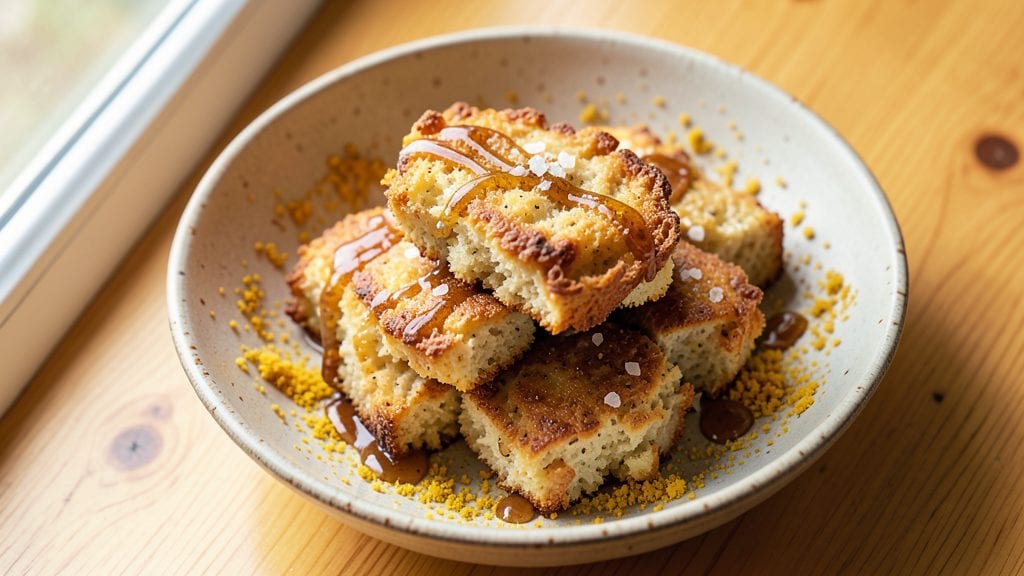
This Amish fritter bread delivers the perfect harmony of crisp golden crust and tender, juicy pink centers that melt in your mouth—just like Grandma used to make. The traditional recipe combines cornmeal and flour for that signature texture, while a touch of baking powder ensures lightness.
What makes it special is the balance of sweetness and simplicity, a staple in Amish kitchens for generations.
The secret lies in the frying technique—cooking the dough in small batches over medium heat until golden brown ensures even cooking without burning. The pink hearts form naturally from the baking powder and leavening, creating that irresistible contrast between the crisp exterior and soft interior.
It’s a dish that transports you to a warm kitchen table, where every bite feels like a homemade hug.
Serve this classic side warm with maple syrup, jam, or even a sprinkle of cinnamon sugar for extra indulgence. The rich, buttery flavor pairs beautifully with breakfast meats or as a sweet treat on its own.
Whether you're recreating a family tradition or trying something new, this recipe delivers comfort in every bite.
Perfect for brunch gatherings, church potlucks, or a cozy weekend breakfast, Amish fritter bread is a timeless favorite that never goes out of style. Let’s get started on making yours today—just like the Amish have been doing for decades.
Ingredients for amish fritter bread
Nine simple ingredients transform into golden fritters with juicy pink centers—just like Grandma’s.
| Ingredient | Amount | Notes |
|---|---|---|
| All-Purpose Flour 🌾 | 2 cups | Sifted for smooth batter |
| Fine Yellow Cornmeal 🌽 | 1 cup | Not coarse, for texture |
| Granulated Sugar 🍚 | ¼ cup | Light brown works too |
| Baking Powder 🍞 | 1 tbsp | Aluminum-free preferred |
| Salt 🧂 | ½ tsp | Fine sea salt |
| Unsalted Butter 🧈 | ½ cup | Cold, cubed for frying |
| Large Eggs 🥚 | 1 whole | Room temperature |
| Milk 🥛 | ½ cup | Whole milk preferred |
| Vanilla Extract 🌸 | 1 tsp | Pure vanilla extract |
| Cinnamon Sugar 🍯 | ¼ cup | For dusting after frying |
| Vegetable Oil 🫒 | 2 cups | For deep frying (peanut oil works too) |
The cornmeal is non-negotiable here—it’s what gives those fritters that signature texture. Bob’s Red Mill or Annie’s make great fine yellow cornmeal, but if you’ve only got coarse, pulse it in a food processor until smooth. The baking powder is key for those pink hearts—don’t use baking soda. For the butter, Land O’Lakes or Plugrá work perfectly, but any unsalted will do. I always grab extra eggs at Walmart when they’re on sale—they keep for weeks in the fridge, and you’ll want them for this recipe.
No vanilla extract? Vanilla bean paste at half the amount works wonders. Short on milk? Heavy cream or buttermilk both add richness. The cinnamon sugar can be swapped for powdered sugar plus a pinch of cinnamon if that’s what’s in your cabinet. For the oil, peanut oil is classic (if you’re avoiding nuts, vegetable oil works fine), and you’ll want enough to fill your pot about halfway. If you’ve got leftover oil, save it for frying more fritters—no need to toss it.
This batter keeps in the fridge for 2 days, so make extra. The fritters reheat beautifully—just pop them in a 200°F oven for 5 minutes to revive that crispy crust. Store them in an airtight container between layers of parchment paper to keep them from sticking. They’re even better the next day, so double the batch if you can—freeze extras for up to 3 months.
Why You'll Love This Recipe
- Fewer Ingredients, Big Payoff: I swear by this recipe because it’s that simple—just flour, cornmeal, sugar, baking powder, and salt. No eggs, no butter, no fuss. The cornmeal gives it that rustic texture without extra work, and honestly? That’s what makes it my go-to when I’m too tired to measure a dozen things.
- Sweet-Savory Magic: Between us, the sugar in this dough isn’t just for sweetness—it caramelizes just enough when fried to give it this almost buttery crunch. And that crispy exterior with the soft, pillowy inside? It’s the kind of contrast that makes you reach for seconds without even thinking.
- Breakfast or Snack, No Excuses: I keep a batch in the freezer for lazy mornings or when friends drop by unexpectedly. Toss them in the toaster for breakfast, serve warm with jam for a snack, or even use them to sop up gravy at dinner. It’s the ultimate multitasker, and I love that it doesn’t demand a special occasion.
- Budget-Friendly Staples: This recipe costs me pennies per serving—flour, cornmeal, sugar? Pantry basics that never go to waste. Plus, the dough keeps for days in the fridge, so I can make a big batch and stretch it across the week. No food waste, no guilt, just pure, reliable comfort food.
Step-by-step instructions for Amish fritter bread
Here's how to make these golden, juicy fritters with a crispy cornmeal crust and tender pink centers.
Mix the Dry Ingredients
In a large bowl, whisk together the 2 cups all-purpose flour, 1 cup fine yellow cornmeal, 0.25 cup granulated sugar, 1 tablespoon baking powder, and 0.5 teaspoon salt. I like to use a whisk for this step to make sure everything gets evenly distributed. Sift the dry ingredients first if you have a sifter—this prevents lumps in the batter and gives you that perfect light texture.
Set the bowl aside while you prepare the wet ingredients. The reason we mix these first is so they're ready to go when you're ready to combine everything. Just make sure you keep the bowl covered with a clean kitchen towel or plastic wrap so no flour gets into your workspace.
Cream the Wet Ingredients
In a separate medium bowl, melt the 0.5 cup unsalted butter in the microwave for 20-30 seconds or melt it in a small saucepan over low heat. Let it cool slightly so it's warm but not hot to the touch. Add the 1 whole large egg, 0.5 cup milk, and 1 teaspoon vanilla extract to the melted butter.
Whisk everything together until smooth and fully combined. The mixture should look like a creamy, slightly thick custard. If you notice any lumps, strain the mixture through a fine-mesh sieve to ensure a smooth batter. This step is crucial for getting that tender, juicy texture in the finished fritters.
Combine Wet and Dry Ingredients
Gradually pour the wet ingredients into the dry ingredients while whisking continuously. Start slowly and mix gently to avoid creating air bubbles or overmixing. Once everything is incorporated, let the batter rest for 5 minutes—this allows the flour to fully hydrate and the gluten to relax, which prevents tough fritters.
After resting, give the batter one final stir. It should be thick but still pourable. If it looks too thick, add 1-2 tablespoons of milk to loosen it slightly. The batter should coat the back of a spoon but still flow freely. This consistency ensures the fritters hold their shape while staying juicy inside.
Heat the Oil for Frying
Fill a deep skillet or Dutch oven with 2 cups vegetable oil and place it over medium-high heat. Use a thermometer to monitor the temperature—you want it to reach 350°F. If you don't have a thermometer, test the oil by dropping in a small piece of batter. It's ready when the batter sizzles and rises to the surface immediately.
Keep the oil at 350°F throughout the frying process. If it gets too hot, the fritters will brown too quickly on the outside before cooking through inside. If it's too cool, they'll absorb too much oil and become greasy. Maintaining the right temperature is key to getting that perfect golden crust with a juicy center.
Fry the Fritters
Using a spoon or small ladle, carefully drop 2-tablespoon portions of batter into the hot oil. Fry 3-4 fritters at a time so they don't overcrowd the pan, which would lower the oil temperature. Fry for 2-3 minutes per side, turning carefully with a slotted spoon, until they're golden brown and the internal temperature reaches 190°F.
As you fry, place the cooked fritters on a paper towel-lined plate to drain excess oil. Immediately sprinkle each fritter with 0.25 cup cinnamon sugar while they're still hot—this gives them that signature sweet, crunchy coating. Serve warm for the best texture, with a side of honey or maple syrup for dipping.
Pro Tips For Making Amish Fritter Bread
- Sift the Cornmeal First: I learned this the hard way—skipping this step means clumpy fritters. Lightly toast the fine yellow cornmeal in a dry pan for 2 minutes before mixing, then sift it directly into your dry ingredients. This cuts down on lumps and gives those fritters their signature texture right from the start.
- Use a Light Hand with Sugar: Too much sugar makes these fritters dense and gummy. Measure your granulated sugar carefully (about ¼ cup per batch), and resist the urge to eyeball it. If you’re worried about sweetness, add a pinch of cinnamon instead—it enhances the flavor without weighing down the crumb.
- Fry in Batches of Three: Crowding the pan steams the fritters instead of frying them, and that’s how you end up with soggy centers. Work in small batches—three at a time—so the oil stays hot and the cornmeal gets that perfect golden crust. Yes, it takes longer, but it’s the only way to guarantee crispy edges every time.
- Test Doneness with a Thermometer: I used to pull fritters out when they looked golden, only to have them fall apart when sliced. Instead, use an instant-read thermometer—remove them at 350°F internal temp. They’ll keep cooking outside the pan, and the crumb stays intact. (Your future self will thank you.)
Wine and beer pairings for this amish fritter bread
Sweet Maple Syrup
Amish fritter bread's buttery, golden crust pairs perfectly with Grade B maple syrup—its deeper color and richer flavor complement the cinnamon sugar coating beautifully. I always reach for Wright's Co-op or Sugar Bush Farm syrups, which have that perfect balance of sweetness and earthiness.
Drizzle warm syrup over the fritters right before serving to enhance their natural caramelized notes. 🍁
Spiced Apple Cider
A warm mulled cider with cinnamon sticks, cloves, and a touch of orange peel makes an excellent beverage pairing. The spices in the cider mirror the cinnamon sugar on the fritters, creating a cohesive flavor profile.
For an extra special touch, simmer 1 cup apple cider with 1 cinnamon stick, 2 star anise pods, and 1 strip orange peel for 10 minutes. Serve in mugs for a cozy breakfast experience. 🍎
Light Cream Soda
For a refreshing contrast, try pairing these fritters with a cream soda—its vanilla notes enhance the vanilla extract in the batter. I love A&W Root Beer or Coca-Cola's Vanilla Coke for this pairing.
The carbonation cuts through the richness of the fritters while the vanilla ties everything together. Chill the soda well before serving to balance the warm fritters. 🥤
Black Coffee
If you prefer a classic breakfast pairing, hot black coffee works surprisingly well with Amish fritters. The bitterness of the coffee helps cleanse your palate between bites, making each crispy, sweet bite stand out.
I recommend a medium-roast coffee like Peet's Major Dickason's Blend for a balanced flavor that won’t overpower the fritters. ☕
Lemonade Twist
For a lighter option, serve freshly squeezed lemonade alongside the fritters. The acidity brightens the sweetness and balances the richness. I make mine with 2 cups water, 1 cup lemon juice, and 1/3 cup sugar, chilled thoroughly.
Add ice cubes and lemon slices for a refreshing contrast to the warm fritters. 🍋
Nutrition facts
Frequently asked questions
What makes Amish fritter bread different from regular corn fritters?
The key difference lies in the batter ratio and technique. Amish fritter bread uses equal parts flour and cornmeal for that signature crispy crust, plus baking powder creates those signature pink, tender centers. Regular corn fritters often rely more on cornmeal and lack the leavening for that signature texture. The frying temperature (350°F) and cinnamon sugar coating are also traditional Amish touches.
Can I make this recipe without deep-frying?
Yes! For a lighter version, bake the fritters at 375°F for 12-15 minutes on a greased baking sheet. Brush with melted butter halfway through for crispiness. The texture will be slightly different (less crispy), but still delicious. Air fryers work too at 350°F for 8 minutes, spraying with oil halfway.
Why did my fritters turn out greasy instead of crispy?
Greasy fritters usually mean the oil was too cool (below 350°F) or overcrowding the pan. Fry in small batches of 3-4 fritters and maintain consistent oil temperature. Also ensure your batter isn't too thin—it should hold its shape when dropped. A thermometer helps, but if you don't have one, test with a small batter piece that sizzles immediately.
How do I store leftover Amish fritter bread?
Store in an airtight container between layers of parchment paper to prevent sticking. They'll stay fresh for 3 days at room temperature or 1 week in the fridge. For longer storage, freeze for up to 3 months. Reheat in a 200°F oven for 5 minutes to restore crispiness. The cinnamon sugar coating stays best when stored properly.
What's the history behind this Amish recipe?
Amish fritter bread originated in Pennsylvania Dutch country during the 1800s as a simple, resourceful dish using basic pantry staples. The cornmeal connection ties to Amish farming traditions, while the frying method reflects German settlers' cooking techniques. It became a beloved breakfast staple in Amish communities, often served with maple syrup or fresh fruit. The recipe spread through church gatherings and family cookbooks.