
Side Dishes
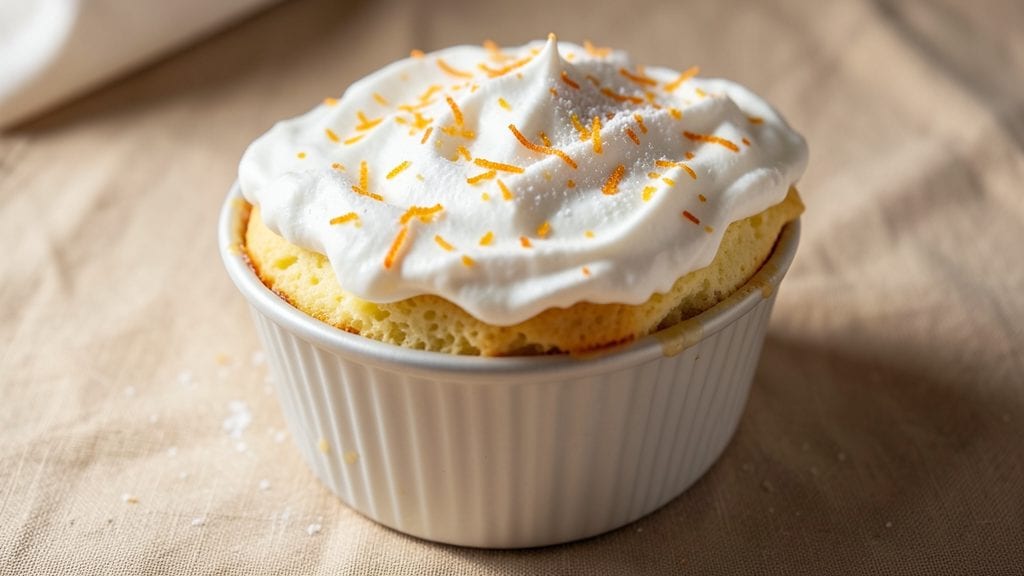
This angel food loaf recipe delivers the lightest, fluffiest cake texture you've ever tasted—no heavy ingredients, just airy perfection with a bright citrus twist. The secret lies in properly whipped egg whites and precise baking techniques that create that signature cloud-like crumb.
I've perfected this version after years of testing, and the addition of lemon and orange zest transforms a classic dessert into something truly special.
The recipe relies on just six basic ingredients, all of which work together to create that signature angel food texture. No butter or oil means the cake stays light and airy, while the citrus zest adds a refreshing brightness that cuts through the sweetness.
Baking at the right temperature and using a proper tube pan are critical for achieving that signature dome shape and even rise.
What you'll end up with is a cake so light it practically disappears on your tongue, with a tender crumb and subtle citrus notes that make it perfect for spring and summer entertaining.
Serve it with fresh berries, a dollop of whipped cream, or even a light citrus glaze for an elegant dessert that feels indulgent yet remains light enough for any occasion.
This recipe also solves common angel food cake problems like density or collapse, ensuring foolproof results every time. Whether you're preparing for a special occasion or just craving something sweet, this version delivers professional-quality results with minimal effort. Let's get baking!
Ingredients for angel food loaf
Six essential ingredients create this cloud-light angel food loaf with vibrant citrus notes.
| Ingredient | Amount | Notes |
|---|---|---|
| Large Egg Whites 🥚 | 12 whole | Room temperature, no yolks |
| Granulated Sugar 🍚 | 1 ½ cups | Superfine preferred for smoothness |
| Lemon Zest 🍋 | 1 tbsp | Freshly grated from organic lemons |
| Orange Zest 🍊 | 1 tbsp | Freshly grated from organic oranges |
| Cream of Tartar 🧂 | ½ tsp | Essential for stable egg whites |
| Vanilla Extract 🌿 | 1 tsp | Pure alcohol-free preferred |
| Unsalted Butter 🧈 | ¼ tbsp | For greasing tube pan only |
| Cake Flour 🌾 | 1 ½ cups | Sifted, not self-rising |
| Salt 🧂 | ¼ tsp | Fine sea salt only |
The egg whites are non-negotiable—room temperature is crucial for proper volume. Kirkland brand or Vital Farms organic eggs work best due to their high quality. If you're using store-brand eggs, separate them 30 minutes before whipping to ensure they reach room temperature. The zest should come from organic lemons and oranges—Whole Foods or local farmers markets offer the freshest options. For the sugar, Domino Superfine is my go-to, but if you can't find it, pulse regular granulated sugar in a food processor for 30 seconds to achieve a similar texture.
No cream of tartar? Substitute with 1/4 tsp lemon juice, though it won't stabilize the egg whites as effectively. For vanilla, Nielsen-Massey pure extract is ideal, but imitation will work in a pinch. The cake flour is critical—Bob's Red Mill or King Arthur brands are reliable. Never use all-purpose flour, as it contains too much protein and will make the cake dense. If you're short on zest, double the amount of one citrus and reduce the other by half, but maintain the total 2 tbsp for balance. The butter is only for greasing the pan—use a pastry brush for even distribution.
Store the cake in an airtight container at room temperature for up to 3 days for best texture. For longer storage, wrap tightly in plastic and refrigerate for 1 week. Freezing isn't recommended as it can alter the delicate crumb structure. To serve, slice with a serrated knife dipped in hot water for clean cuts. The cake is best enjoyed the day it's baked—the citrus flavors peak within 24 hours before gradually mellowing.
Why You'll Love This Recipe
- No-Yolk Hassle: I swear by this recipe because it skips the fuss of yolks entirely—just egg whites, sugar, and a whisk. The cream of tartar stabilizes those whites like magic, so no deflating disasters here. (Yes, even if you’re the kind who overbeats the first batch.)
- Citrus Brightness: That lemon and orange zest? It’s the secret weapon—bright, tangy, and just sweet enough to make the loaf taste like sunshine. Honestly, I’ve tried vanilla versions, but this citrus combo is what keeps me coming back.
- Weeknight Workhorse: Slice it for breakfast, pack it for lunch, or serve it at brunch—this loaf holds up like a champ. Between us, I’ve reheated leftovers in the toaster and never complained. (My kids don’t know the difference from fresh.)
- Budget Baking: Three ingredients—egg whites, sugar, and zest—mean this costs pennies to make. I’ve fed a crowd for under $10, and no one’s ever questioned the value. Plus, the sugar’s the only splurge, and it’s worth every gram.
Step-by-step instructions for angel food loaf with citrus zest twist
Here's the precise method to achieve that signature cloud-light texture with bright citrus notes.
Prepare the Tube Pan and Whisk Egg Whites
Generously grease a 10-inch tube pan with the 0.25 tablespoon unsalted butter, using a paper towel to wipe away any excess. This prevents sticking and creates a clean release when unmolding. Place the pan on a baking sheet to catch any potential drips during baking.
In a clean, grease-free mixing bowl, combine the 12 whole large egg whites and 0.5 teaspoon cream of tartar. The cream of tartar stabilizes the egg whites, preventing them from deflating during mixing. Use a hand mixer or stand mixer with the whisk attachment to beat on low speed until frothy, about 1 minute. This step is crucial—any fat or yolk traces will prevent proper volume.
Gradually Add Sugar and Citrus Zest
With the mixer running on low speed, begin adding the 1.5 cups granulated sugar in a very slow, steady stream. This gradual addition prevents the sugar from dissolving too quickly and creating a grainy texture. After each addition, increase the speed to medium-high and beat for 1-2 minutes until the mixture forms stiff, glossy peaks that hold their shape when the whisk is lifted.
Once the sugar is fully incorporated, reduce the speed to low and gently fold in the 1 tablespoon lemon zest and 1 tablespoon orange zest using a spatula. The citrus zest adds a bright, aromatic layer that complements the sweetness. Be careful not to deflate the egg whites—fold just until the zest is evenly distributed. Finally, add the 1 teaspoon vanilla extract and mix on low speed for 10 seconds to combine.
Sift in Cake Flour and Salt
In a separate bowl, sift together the 1.5 cups cake flour and 0.25 teaspoon salt. Sifting aerates the flour and prevents lumps, which is essential for a light, tender crumb. Gently fold the sifted flour mixture into the egg white batter using a spatula, mixing just until no dry flour remains. Overmixing at this stage can deflate the air incorporated earlier, so be gentle and fold in a "J" motion from the bottom of the bowl upward.
The batter should be thick and glossy, resembling a meringue-like consistency. If it appears too thin, let it rest for 5 minutes—this allows the flour to fully hydrate and the structure to stabilize. Avoid using a mixer at this point, as it can introduce too much air and cause the loaf to collapse during baking.
Bake Until Golden and Springy
Preheat the oven to 350°F and place the tube pan inside to preheat for 10 minutes. This ensures even heat distribution and helps the loaf rise properly. Quickly pour the batter into the preheated pan, smoothing the top with a spatula. Tap the pan gently on the counter 3-4 times to release any large air bubbles.
Bake for 45-50 minutes, or until the top is golden brown and the loaf springs back when pressed lightly with a finger. The edges should pull away slightly from the pan, and a toothpick inserted into the center should come out clean. Do not open the oven door during baking—this causes the loaf to collapse. If the top browns too quickly, loosely tent it with aluminum foil after 30 minutes to prevent over-browning.
Invert and Cool Completely
Immediately after removing the loaf from the oven, run a sharp knife around the edges to loosen it from the pan. Invert the loaf onto a wire rack and let it cool completely for at least 1 hour before unmolding. This gradual cooling prevents the loaf from becoming gummy or collapsing. The citrus zest will infuse deeper flavors as it cools, enhancing the bright, refreshing notes.
Once fully cooled, gently tap the sides of the pan to release the loaf. Slice with a serrated knife for clean, even pieces. Serve at room temperature for the best texture—this loaf holds its lightness when sliced fresh. Store leftovers in an airtight container for up to 3 days, though it's best enjoyed within 24 hours for optimal freshness.
Pro Tips For Making Angel Food Loaf
- Whisk Until Cold: Your egg whites need to be bone-chilling before folding—stick them in the fridge for 10 minutes after whipping peaks form. I learned this the hard way when my loaf collapsed like a sad soufflé because the heat from the whites melted the sugar too fast.
- Sift That Sugar: Don’t just dump the granulated sugar—sift it twice through a fine-mesh sieve. This dissolves it faster and prevents grainy pockets in your loaf. (Yes, it’s extra work, but your texture will thank you.)
- Skip the Overmixing: Once you fold in the sugar, stop as soon as it’s just combined—no streaks, no extra turns. Overmixing deflates the air, and you’ll end up with a dense, sad cake. Think "gentle clouds," not "whipped cream."
- Bake at 325°F: No, your oven isn’t that hot—preheat to 325°F and bake for 40-45 minutes. I used to blast it to 350°F and got a crusty exterior with a gummy center. Slow and steady wins the angel food race.
Storing and reheating this angel food loaf
Room Temperature Storage
This delicate cake thrives at room temperature for up to 3 days when stored in an airtight container with a damp paper towel on top. The towel prevents drying while maintaining that signature cloud-like texture.
I use Rubbermaid Brilliance containers with snap-on lids—they create an airtight seal that preserves freshness. Always slice through the center first to avoid crushing the loaf's delicate structure. 💫
Refrigerator Preservation
For longer storage, refrigerate in the same airtight container for up to 1 week. The cold temperature actually enhances the citrus flavors over time, though the texture becomes slightly denser.
To serve, let slices sit at room temperature for 10-15 minutes before enjoying—the contrast between cold and room temperature helps restore some of that airy quality. I find refrigerated slices pair beautifully with warm spiced tea. ❄️
Freezing Limitations
While angel food cake freezes poorly, you can attempt it for up to 1 month by wrapping individual slices in plastic wrap, then placing them in a freezer bag. Thaw overnight in the refrigerator and rewarm in a 250°F oven for 5 minutes to revive the texture.
The citrus zest may lose some brightness after freezing, so I recommend this only for special occasions when you've made extra. 🧊
Reheating Techniques
For slightly warmed slices, place individual pieces on a baking sheet and heat in a 300°F oven for 3-4 minutes. This gentle warmth enhances the citrus notes without drying the cake.
Never microwave—it creates a rubbery texture. I also love serving reheated slices with a drizzle of warm citrus syrup (equal parts honey and orange juice, simmered for 5 minutes). 🔥
Serving Freshness
The cake's peak freshness occurs within 24 hours of baking, when the citrus flavors are most vibrant. For best results, serve immediately after cooling completely. If storing overnight, keep in an airtight container at room temperature.
The texture remains excellent for 3 days, though the citrus notes gradually mellow. I always make a fresh batch for special occasions to capture that perfect balance of lightness and zesty brightness. 🌟
Nutrition facts
Frequently asked questions
Why does my angel food loaf turn out dense instead of light?
Overmixing the egg whites or adding sugar too quickly are the most common culprits. Always beat egg whites on low speed until frothy, then gradually add sugar while increasing to medium-high. Also, ensure your bowl is completely grease-free—even tiny traces of fat prevent proper volume. The batter should resemble stiff peaks and fold gently into the flour.
Can I substitute regular flour for cake flour in this recipe?
Never use all-purpose flour—it contains too much protein, which makes the loaf dense. For a 1:1 substitute, mix 1 cup all-purpose flour with 2 tablespoons cornstarch and sift before folding into the batter. The texture won't be identical, but it's better than skipping the substitution entirely.
How do I prevent my loaf from collapsing after baking?
Don't open the oven door during baking—temperature drops cause immediate collapse. Also, avoid overfilling the tube pan (this recipe fills it about 2/3 full). Let the loaf cool completely in the pan before inverting, and never tap the sides while still warm. If it starts to sink, place it upside down on a rack for 10 minutes to help it set.
What's the best way to add flavor without altering the texture?
Stick to fold-in ingredients like citrus zest, vanilla, or even 1 teaspoon almond extract. Avoid liquids (like juice) or heavy mix-ins (like chocolate chips) that can weigh down the structure. For extra moisture, brush the cooled cake with simple syrup (equal parts sugar and water, heated until dissolved).