Sauces & Condiments
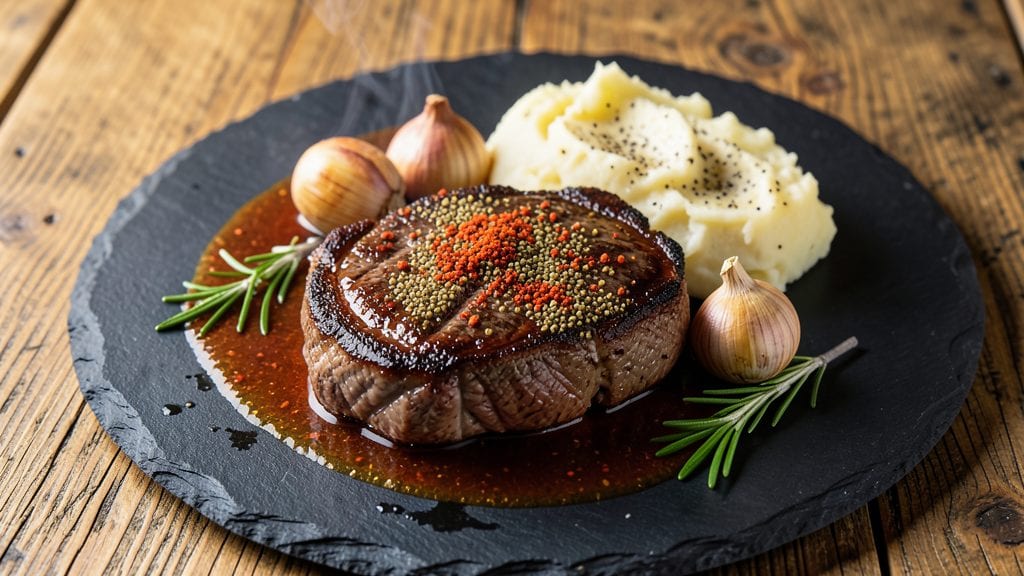
Angelo's Steak Pit seasoning transforms ordinary grilled meat into restaurant-quality masterpieces with just a sprinkle. This bold smoky-spiced blend captures the signature flavors of Angelo's iconic steakhouse, where every bite carries layers of garlic, smoked paprika, and warm spices.
I developed this recipe after years of perfecting the balance—no more guessing which spices to use or how much to add.
The secret lies in the precise ratios of 10 dry ingredients that work together to create depth without overpowering. Each component plays a role: the smoked paprika delivers that signature smoky aroma, while the black pepper and garlic powder build the foundation for rich, savory flavor.
This blend stays fresh for months in an airtight container, making it your go-to for everything from steaks to chicken or even roasted vegetables.
What makes this seasoning truly special is its versatility—use 1 to 2 tablespoons per pound of meat, whether you're grilling, broiling, or even seasoning ground meat for burgers.
The spices cling to the surface, creating a flavorful crust while letting the natural taste of the meat shine through. Once you try this, store-bought blends won’t compare.
Perfect for meal preppers, grill masters, or anyone who wants restaurant-quality flavor at home. Store it in a cool, dark place, and you’ll always have Angelo’s magic at your fingertips. Let’s make this seasoning blend!
Ingredients for angelo's steak pit seasoning
Ten spices that capture Angelo's iconic steakhouse flavor in every bite.
| Ingredient | Amount | Notes |
|---|---|---|
| Smoked Paprika 🌶️ | 3 tbsp | High-quality for authentic smoky depth |
| Garlic Powder 🧄 | 2 tbsp | Freshly ground preferred |
| Onion Powder 🧅 | 1 tbsp | Fine grind for even distribution |
| Black Pepper 🌶️ | 1 ½ tbsp | Freshly cracked for maximum heat |
| Ground Cumin 🌿 | 1 tbsp | Toasted for deeper aroma |
| Dried Oregano 🍃 | 1 tbsp | Italian or Mediterranean blend |
| Ground Mustard 🌶️ | 1 tsp | Adds subtle tangy warmth |
| Salt 🧂 | 1 ½ tsp | Diamond Crystal kosher preferred |
| Ground Coriander 🌿 | 1 tsp | Sweet citrusy undertone |
| Cayenne Pepper 🔥 | ½ tsp | Adjust for desired heat level |
The smoked paprika is non-negotiable—Penzeys or McCormick Gourmet deliver that authentic smoky depth. I always grab the hot smoked paprika if available, but even mild works. The garlic powder should be freshly ground (that pre-ground stuff loses punch fast), so buy it in small quantities. For the black pepper, Tellicherry or freshly cracked peppercorns make a world of difference. Store these spices in dark glass jars away from light—they'll stay potent for months. The cumin? Toast it lightly in a dry pan before grinding for an extra layer of warmth.
No smoked paprika? Substitute 1 tbsp regular paprika plus 1/2 tsp liquid smoke—it's not perfect, but gets you close. Short on cayenne? Red pepper flakes at half the amount work in a pinch. The mustard adds that subtle tang—if you're avoiding it, extra pinch of salt helps balance the richness. For a deeper flavor, add 1/2 tsp ground ginger. The oregano should be Italian or Mediterranean—Mexican oregano has a completely different profile and won't work here. If you're making a big batch, double-check your measurements—this blend is delicate when scaled up.
This keeps like a dream—6-12 months in an airtight container in a cool, dark place. I portion mine into small glass jars for easy access, and it's always ready when I'm grilling. The spices mellow slightly over time, so add a pinch of cayenne if you want to revive the heat. Once opened, keep it sealed tightly—humidity is the enemy of freshness. For extra longevity, add a silica packet to your storage container. Trust me, you'll want to make extra—this blend disappears fast.
Why You'll Love This Recipe
- Pantry Magic: I swear by this mix—no fresh herbs, no last-minute grocery runs. Just pull those spices from your cabinet, measure, and boom. That smoky paprika alone makes everything taste like it’s been slow-smoked, even if I’m using a cast-iron skillet on the stove.
- Smoky Depth in Minutes: The cumin and smoked paprika team up for this rich, almost charred flavor. Honestly, it’s the kind of taste that makes you pause mid-bite, like someone secretly grilled the meat for hours. (Spoiler: I didn’t.)
- Game for Any Protein: This isn’t just steak—it’s my go-to for chicken thighs, roasted potatoes, even scrambled eggs. Between us, I’ve used it on tofu for my vegetarian friend, and she didn’t even ask what was in it. (She just asked for the recipe.)
- Lasts Forever, Costs Nothing: A little goes a long way, and I’ve got jars of this stashed for months. The cumin keeps it fresh, and the blend is so potent that a teaspoon transforms a basic meal. My budget and my taste buds win. (Yes, even on a Tuesday night.)
Step-by-step instructions for Angelo's steak pit seasoning
Here's how to blend these spices into a powerful, restaurant-quality dry rub.
Measure Ingredients Precisely
Start by gathering all your ingredients and measuring them exactly as listed. I use separate measuring spoons for each spice to avoid cross-contamination—this ensures pure flavor profiles. The smoked paprika should be the first ingredient you measure, as it forms the smoky backbone of the blend. Use a fine-mesh strainer if your smoked paprika has any large chunks to guarantee an even distribution.
For the garlic powder and onion powder, I recommend using freshly ground versions if possible—they pack more aromatic punch than pre-ground spices that lose potency over time. The black pepper should be freshly cracked for maximum heat and aroma. Weigh or measure each ingredient carefully, as these quantities create the perfect balance of smoky, spicy, and earthy flavors that define Angelo's signature blend.
Combine Dry Ingredients in a Mixing Bowl
Place a medium mixing bowl on your countertop and add all the measured spices in this order: smoked paprika, garlic powder, onion powder, black pepper, ground cumin, dried oregano, ground mustard, salt, ground coriander, and finally cayenne pepper. This sequence helps prevent the cayenne from contaminating other spices if you're using shared utensils.
Use a silicone spatula to gently fold the spices together, breaking up any clumps that may have formed during storage. I like to work in small batches, mixing thoroughly after each addition. The goal is to create a uniform blend where you can't distinguish individual spices—just a harmonious, complex flavor profile. This takes about 2-3 minutes of careful mixing by hand.
Grind for Maximum Flavor Development
Transfer the combined spices to a high-quality spice grinder or clean coffee grinder. Pulse in short bursts rather than continuous grinding—this prevents overheating which can alter the spices' delicate flavors. I find that 10-15 seconds of grinding is sufficient to create a fine, even powder. If using a mortar and pestle, work in small batches for about 1 minute per batch until completely smooth.
The grinding process is crucial for developing the spices' full potential. You'll notice the blend becoming darker and more aromatic as it reaches a fine powder consistency. The ground mustard and cayenne pepper will become particularly potent during this stage, so be cautious if you're sensitive to heat. The final texture should resemble fine table salt with no visible grit.
Store Properly for Long-Lasting Freshness
Transfer the freshly ground seasoning to an airtight glass container with a tight-sealing lid. I recommend using a jar with a silicone seal to prevent moisture infiltration. Label the container with the date and contents—this helps track freshness, as properly stored seasoning maintains its peak flavor for up to 6 months.
Store in a cool, dark place like your pantry or a cabinet away from the stove. The glass container protects the seasoning from light and air, which can degrade the spices' oils and aromatics over time. When ready to use, shake the container vigorously before each application to ensure even distribution of all the spices.
Pro Tips For Making Angelo'S Steak Pit Seasoning
- TOAST THE SPICES: I learned this the hard way—skipping the toasting step means your smoked paprika and cumin will taste flat, not deep. Heat them in a dry pan over medium-low for 30 seconds, stirring constantly, until fragrant. The color will darken slightly, and that’s your cue to stop—any longer, and you’ll burn the delicate flavors.
- GRIND FRESH GARLIC: Store-bought garlic powder loses punch fast, especially the onion powder. If you’re making this for a big batch, crush a few cloves of fresh garlic and a small onion, then dry them in the oven at 200°F for 10 minutes before grinding. The extra effort makes the seasoning taste like it’s been simmering in a real steakhouse.
- MEASURE BY VOLUME, NOT SPOONS: That jar of smoked paprika you’ve had for a year? It’s packed differently than when it was new. Use measuring spoons for accuracy—no eyeballing. For this recipe, a heaping 1 tablespoon of smoked paprika is not the same as a level 1 tablespoon. Trust the scale if you’re serious about consistency.
- STORE IN AIRLESS CONTAINER: This seasoning won’t last forever, but it’ll stay fresh twice as long if you keep it in a vacuum-sealed bag or a jar with a tight seal. Moisture is the enemy—even a little humidity turns cumin and paprika into clumps that ruin the texture. I’ve got a jar of this mix from six months ago that still tastes fresh because I transferred it to a mason jar with a silicone lid.
Wine and beer pairings for this angelo's steak pit seasoning
Bold Red Wine Pairings
For this smoky-spiced blend, I always reach for a bold Cabernet Sauvignon from Napa Valley—its dark fruit and tannins stand up to the seasoning’s intensity. A 2018 Robert Mondavi Reserve (around $50) has just the right structure to complement the smoky paprika and black pepper.
If you prefer something more approachable, try a Malbec from Argentina like Catena Zapata—its juicy dark plum notes harmonize beautifully with the blend’s warmth. 🍷
Malty Amber Ales
For beer lovers, an amber ale with caramel and toasty notes is perfect. I love Allagash Amber (about $12)—its balanced malt sweetness and subtle spice mirror the seasoning’s complexity.
Another great choice is Fat Tire Amber Ale from New Belgium, which has just enough hop bitterness to cut through the richness. For a stronger option, try a Belgian Dubbel like Westmalle Dubbel—its dark fruit and spice notes create a magical pairing. 🍺
Whiskey & Bourbon Pairings
If you’re serving grilled meats with this seasoning, a smoky bourbon like Blantons Single Barrel (around $30) enhances the flavors beautifully. The caramel and vanilla notes in bourbon complement the sweet spices, while the smoke in the seasoning echoes the charred oak of the whiskey.
For a lighter sip, Buffalo Trace offers a smoother profile that won’t overpower the dish. 🥃
Light White Wine Contrast
Don’t overlook crisp whites for lighter applications like seasoned chicken or fish. A dry Riesling from Germany, like Dr. Loosen Blue Slate (about $20), balances the seasoning’s heat with its bright acidity.
The mineral notes in the wine also cleanse your palate between bites. For a budget-friendly option, Sauvignon Blanc from New Zealand works surprisingly well—its citrusy freshness cuts through the smokiness. 🍷
Craft Beer Experimentation
For adventurous drinkers, try pairing with a smoked porter like Founders Kentucky Breakfast Stout—the coffee and chocolate notes in the beer mirror the depth of the seasoning. If you prefer something lighter, a honey wheat ale with a touch of spice, like Allagash White, provides a refreshing contrast.
The key is matching the beer’s flavor profile to the dish’s intensity. 🍻
Nutrition facts
Frequently asked questions
Can I make this seasoning without smoked paprika?
Yes, but the flavor will be noticeably different. For a substitute, mix 1 tbsp regular paprika with ½ tsp liquid smoke—this combo mimics the smoky depth. If you're avoiding all smoked flavors, increase the black pepper to 2 tbsp and add ½ tsp ground fennel for warmth. The blend will still be delicious but won't have that signature Angelo's Steak Pit smokiness.
How much seasoning should I use per pound of meat?
For most cuts like steak or chicken, use 1 to 2 tablespoons per pound of meat. Pat the meat dry first—this helps the seasoning adhere better. For delicate fish or shrimp, reduce to ½ to 1 tablespoon per pound and let it sit for 10-15 minutes before cooking to prevent overpowering. The blend is potent, so start with less if you're unsure.
Why does my homemade blend taste weaker than store-bought?
Freshness is key! Store-bought blends often contain preservatives and stronger spices. To boost flavor, toast your spices lightly before grinding (especially cumin and coriander) and use freshly ground black pepper. Also, store your homemade blend in an airtight glass jar away from light—exposure to air dulls the spices over time. If it still tastes weak, add ½ tsp extra cayenne or smoked paprika.
Can I use this seasoning on vegetables or tofu?
It works wonderfully on portobello mushrooms, eggplant, or grilled tofu. For vegetables, use ½ to 1 tablespoon per pound and toss them in a little olive oil first to help the seasoning stick. The smoky, garlicky flavors complement roasted Brussels sprouts or asparagus beautifully. Just avoid using it on very mild veggies like zucchini—it might overpower them.
How do I revive stale seasoning?
If your blend has lost its kick, toast it lightly in a dry skillet over low heat for 2-3 minutes, stirring constantly. This reactivates the spices' oils. For extra punch, add ¼ tsp ground ginger or a pinch of cayenne per 2 tablespoons of seasoning. If it smells musty, discard it—this indicates spoilage. Properly stored seasoning should last 6-12 months.