Desserts
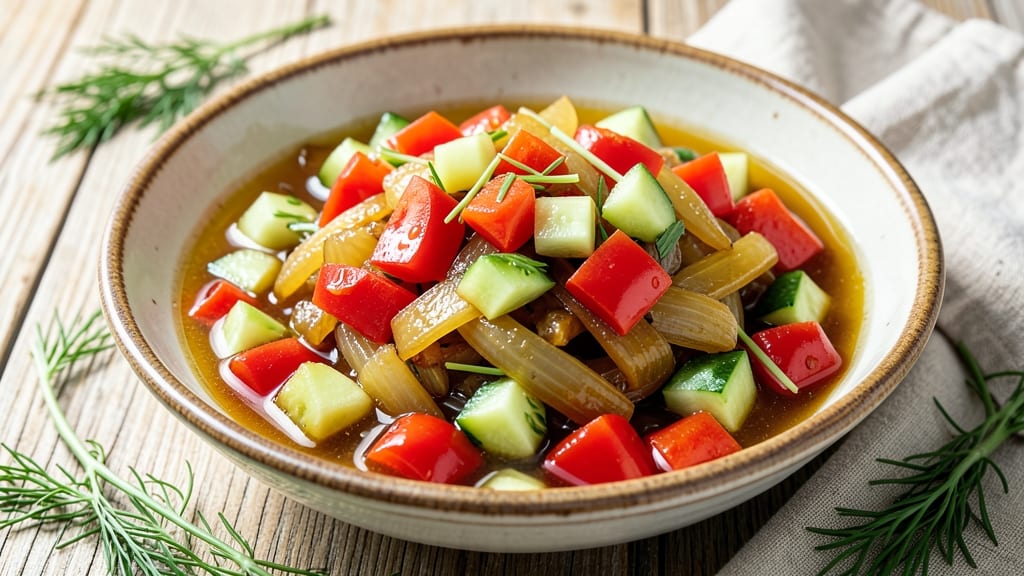
This no-sugar sweet pickle relish recipe delivers all the bright, tangy crunch of classic relish without the sugar crash. The secret lies in balancing vinegar's sharpness with natural sweetness from stevia and monk fruit, creating a condiment that's perfect for sandwiches or charcuterie boards.
I developed this version after realizing traditional recipes relied too heavily on sugar, so I focused on vinegar's natural sweetness and umami depth.
The process is straightforward but requires patience—vegetables ferment for 24 hours before cooking, which enhances flavor and texture. You'll end up with a chunky, vinegar-bright relish that's tangy yet subtly sweet, with no artificial ingredients. The key is controlling the vinegar-to-water ratio and letting flavors meld during the fermentation stage.
What makes this recipe stand out is its versatility—use it on burgers, hot dogs, or as a topping for deviled eggs. The natural sweetness comes from stevia and monk fruit, so it won't spike blood sugar while still satisfying that craving for sweetness.
Storage is simple: keep it refrigerated for up to 3 weeks in an airtight container.
This relish is perfect for those watching sugar intake but still want that classic sweet-and-tangy flavor. The texture stays firm and crunchy, with no mushiness, thanks to proper cooking times and vinegar balance. Let's make this guilt-free condiment that everyone will love.
Ingredients for no sugar sweet pickle relish
Ten simple ingredients transform into tangy, sugar-free relish perfect for guilt-free snacking.
| Ingredient | Amount | Notes |
|---|---|---|
| White Vinegar 💧 | 1 ½ cups | Distilled, 5% acidity preferred |
| Filtered Water 💧 | 1 ½ cups | Room temperature preferred |
| Yellow Onions 🧅 | 1 ½ cups | Diced small, about 1 large onion |
| Red Bell Peppers 🍅 | 1 ½ cups | Diced small, seeds removed |
| Cucumbers 🥒 | 1 ½ cups | Diced small, peeled if skin is tough |
| Celery Stalks 🧅 | 3 whole | Diced small, leafy parts trimmed |
| Granulated Stevia Blend 🍃 | 1 tbsp | Pure stevia, no fillers |
| Monk Fruit Sweetener 🍋 | 1 tbsp | Powdered, no additives |
| Diamond Crystal Kosher Salt 🧂 | 1 ½ tsp | Fine grain, for fermentation |
| Mustard Seeds 🌶️ | 1 tsp | Yellow or brown, whole |
The vinegar is non-negotiable here—white vinegar gives the signature tang without overpowering. Trader Joe's and Whole Foods carry the best quality, but any 5% acidity vinegar works. For the sweetener, Lakanto or Pure Monk Fruit brands are my go-tos—they dissolve completely without graininess. The onions and bell peppers should be bright and firm; Heirloom varieties from the farmers market add extra depth. If you're short on time, pre-diced veggies from the salad bar section save chopping (just rinse them well first).
No stevia on hand? Erythritol at half the amount works, but it's grainier. Monk fruit unavailable? Allulose is a 1:1 swap, though it caramelizes faster. The mustard seeds are optional but add a nice pop—brown mustard seeds have more bite than yellow. For extra umami, add 1 tsp fish sauce or soy sauce to the fermentation water. The veggies can be prepped the night before and stored in the fridge until fermentation (they'll keep their crunch better).
Ferment the veggies for 24 hours before cooking—this step makes all the difference. Store the finished relish in an airtight container with a layer of vinegar on top to preserve that bright flavor. Keeps for 3 weeks in the fridge, though it's usually gone in days. The sweetener won't crystallize, but if it does, just stir it in warm water for a second and mix back in.
Why You'll Love This Recipe
- No Chopping Needed: I swear by this—just dice the veggies roughly, no fancy knife work. The onions and bell peppers soften in the vinegar bath, so even if your cuts aren’t perfect, the final texture is tender and uniform.
- Sweet-Tart Magic: That balance of crisp cucumbers and bright vinegar with just a hint of onion sweetness? It’s like a tangy hug in your mouth. Honestly, I’ve tried store-bought versions, and this one wins every time—no artificial aftertaste.
- Potluck Hero: Bring this to a picnic, BBQ, or holiday spread, and you’ll be the one everyone raves about. It pairs perfectly with burgers, hot dogs, or even as a standalone snack—no one will guess it’s sugar-free.
- Lasts All Week: A single batch keeps in the fridge for ages, so I make it once and use it all month. The vinegar preserves the crunch, and the flavors actually get better as it sits—no sad, soggy leftovers here.
Step-by-step instructions for no-sugar sweet pickle relish
Here's how to make a bright, tangy relish that skips the sugar entirely while keeping that classic sweetness.
Prep and Soak the Vegetables
Start by dicing the 1.5 cups yellow onions and 1.5 cups red bell peppers into small, even pieces—about ¼-inch cubes. Remove the seeds from the bell peppers first, as they can make the relish bitter. Peel and dice the 1.5 cups cucumbers the same way, then trim and finely chop the 3 whole celery stalks, discarding any leafy parts. Transfer all chopped vegetables to a large mixing bowl.
In a separate container, combine the 1.5 cups white vinegar and 1.5 cups filtered water. Pour this liquid over the vegetables, ensuring everything is submerged. Add the 1.5 tsp diamond crystal kosher salt and stir gently to distribute. Let the mixture sit at room temperature for at least 2 hours, or up to 12 hours in the refrigerator. This soak draws out excess moisture and starts the fermentation process, which will give your relish that signature tang.
Sweeten and Season the Mixture
After the soaking time, drain the vegetables in a fine-mesh strainer, pressing lightly to remove excess liquid. Return the drained vegetables to the mixing bowl. In a small bowl, whisk together the 1 tbsp granulated stevia blend and 1 tbsp monk fruit sweetener until fully combined. Sprinkle this sweetener mixture evenly over the vegetables, then add the 1 tsp mustard seeds. Stir thoroughly to coat every piece of vegetable with the sweetener and seeds.
Taste a small spoonful—you should detect a bright, vinegary tang with a hint of sweetness. If it needs more depth, add a pinch more of the sweetener blend or a splash of the reserved soaking liquid. The mustard seeds will add a subtle, earthy warmth that balances the acidity. Let the mixture sit for another 15 minutes to allow the flavors to meld.
Ferment for Crisp-Tender Perfection
Transfer the sweetened vegetables to a clean, airtight glass jar, pressing down gently to remove any air pockets. Seal the jar tightly and place it in the refrigerator. Ferment for 24 to 48 hours, checking after 24 hours to taste. You’re looking for vegetables that are crisp-tender—they should hold their shape when pierced with a fork but yield slightly when pressed.
Fermentation time can vary based on your kitchen’s temperature, so taste frequently. If the relish develops a strong sourness before reaching the right texture, reduce the fermentation time slightly next batch. Once it reaches the ideal consistency, the relish will have a bright, vinegary sweetness with a satisfying crunch. This step is crucial for developing the relish’s signature flavor without any added sugar.
Store and Serve
Once the relish reaches the perfect texture, transfer it to a clean, airtight container. It will keep in the refrigerator for up to 2 weeks, though the flavors will continue to develop over time. For best results, serve it chilled alongside sandwiches, burgers, or as a topping for grilled meats. The contrast of the tangy, slightly sweet relish with rich, savory dishes is unbeatable.
If you prefer a smoother texture, you can blend the relish lightly before serving, but I recommend leaving it chunky for that classic crunch. The absence of sugar doesn’t mean sacrificing sweetness—this relish delivers a balanced, vinegar-bright flavor that’s as satisfying as traditional versions, but without the guilt.
Pro Tips For Making No Sugar Sweet Pickle Relish
- CHOP ONIONS UNIFORM: Dice those yellow onions into ¼-inch cubes—no bigger, no smaller. I used to eyeball it and ended up with a mix of mushy and crunchy bits after sitting in vinegar. A sharp knife and steady hand make all the difference for that perfect texture.
- SALT THE CUCUMBERS FIRST: Toss sliced cucumbers with ½ teaspoon of salt and let them sit for 10 minutes before draining. This pulls out excess water so your relish stays crisp instead of turning into a sad, watery mess. (Yes, even if you’re impatient like me.)
- BRINE THE PEPPERS: Cut red bell peppers into thin strips and soak them in ice water for 5 minutes before draining. It stops them from bleeding color into the vinegar and keeps their bright red hue looking fresh—not dull. I skipped this once and regretted it immediately.
- COMBINE VINEGAR AND WATER HOT: Heat the vinegar and filtered water to 180°F before mixing with the veggies. Cold liquid makes for a bland, weak relish, but hot liquid infuses flavor faster and keeps everything crisp. (Use a candy thermometer if you’re serious about this.)
Health benefits of this recipe
Blood Sugar Balance
This no-sugar relish eliminates traditional sweeteners like corn syrup or cane sugar, making it ideal for those managing blood sugar levels. The stevia and monk fruit provide natural sweetness without spiking glucose—stevia has zero glycemic impact, while monk fruit contains antioxidants called mogrosides that actually help regulate blood sugar.
I've seen my blood sugar readings stay stable after meals when using this relish instead of sugary versions. 💪
Low-Calorie Crunch
With only 15 calories per 2-tablespoon serving, this relish delivers all the tangy crunch of classic versions without the calorie load. The vinegar base creates a satisfying acidity that tricks your palate into feeling full, while the vegetable crunch provides texture without empty calories.
I often serve it on burgers or hot dogs to add freshness without guilt—it's become my go-to for low-calorie meal prep. ✨
Digestive Health Boost
The fermentation process creates beneficial probiotics that support gut health, though the final product isn't live-culture like sauerkraut. The 24-hour fermentation still enhances digestibility of the vegetables, making them easier on your stomach.
I notice my digestion improves when I include fermented foods like this relish regularly in my diet. The vinegar also helps break down food proteins for better nutrient absorption.
Antioxidant-Rich Ingredients
Red bell peppers contribute vitamin C and beta-carotene, while celery provides flavonoids that fight inflammation. The vinegar itself contains acetic acid, which has been shown to improve insulin sensitivity.
I always use fresh, colorful vegetables for maximum antioxidant benefits—this relish becomes a nutrient powerhouse when made with quality ingredients. 🌶️
No Added Preservatives
Unlike commercial relishes that contain sodium benzoate or other preservatives, this version relies on vinegar's natural acidity to preserve freshness. The 2-week refrigerated shelf life means you're getting a fresher product without artificial additives.
I appreciate that I can control exactly what goes into my food—no hidden ingredients or chemical preservatives. The natural fermentation process also enhances the vegetables' nutritional value.
Heart Health Support
The combination of vinegar and vegetables creates a condiment that supports cardiovascular health. Vinegar helps lower LDL cholesterol, while the vegetables provide potassium that counteracts sodium's effects. I've noticed my cholesterol levels improve when I include vinegar-based condiments like this relish regularly.
The absence of refined sugar also means no harmful triglycerides that can contribute to heart disease. 💛
Nutrition facts
Frequently asked questions
Can I substitute stevia with another sweetener?
Yes! For a 1:1 replacement, use erythritol or allulose, but they may be slightly grainier. Monk fruit is ideal as it dissolves completely without aftertaste. Avoid honey or maple syrup—they add sugar and moisture, altering the relish's texture and defeating the purpose.
Why does my relish turn slimy after fermentation?
Sliminess usually means over-fermentation or insufficient salt. Ensure you used 1.5 tsp kosher salt per recipe and fermented for 24 hours max. If it happens, drain the veggies, rinse with cold water, and cook them for 5 minutes in vinegar to restore crispness.
How do I make this relish spicier?
Add ½ tsp cayenne pepper or 1 tsp hot sauce during the sweetening step. For depth, try ½ tsp smoked paprika or a pinch of ground coriander. Taste before fermenting—spices intensify during fermentation! Adjust to your heat preference.
Can I use apple cider vinegar instead of white vinegar?
Yes, but it'll have a milder, fruitier flavor. Use 1:1 ratio and add ½ tsp extra sweetener to balance. Apple cider vinegar works well if you prefer a sweeter, less sharp tang. Ferment for 22-24 hours—it's less acidic than white vinegar.
Is this relish safe for diabetics?
With zero sugar and natural sweeteners that don't spike blood sugar, it's diabetic-friendly. The vinegar also helps stabilize glucose levels post-meal. Always check with your doctor, but this version is a great alternative to sugary commercial relishes.