
Side Dishes
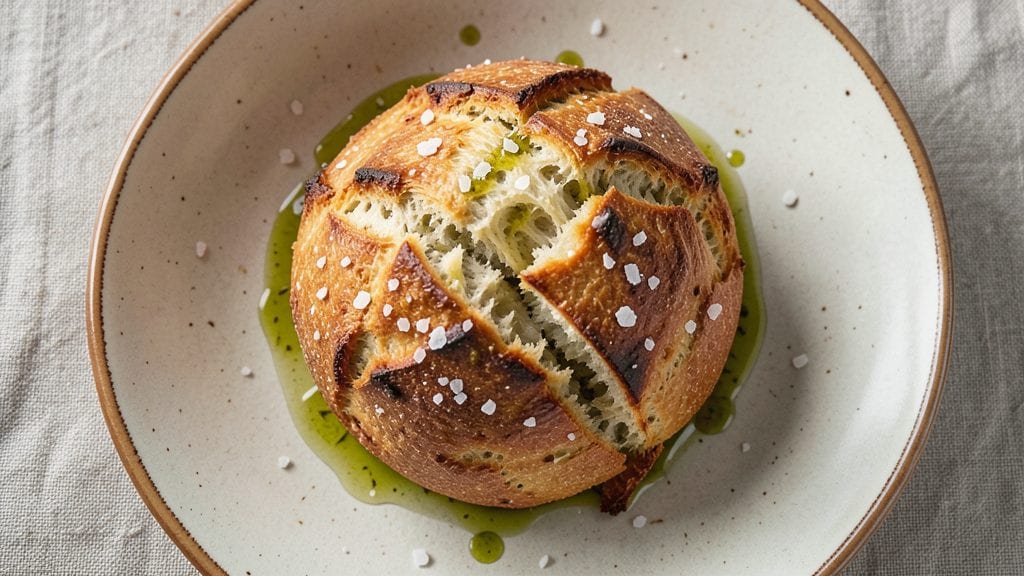
This Arabic bread recipe without yeast delivers the same warm, chewy texture and subtle tang of traditional khobz, but with a quick 15-minute method that skips fermentation entirely.
The secret lies in a simple dough of flour, yogurt, and baking powder—no yeast, no waiting, just foolproof flatbread that’s perfect for wrapping, dipping, or serving alongside stews. I developed this version after years of searching for a yeast-free alternative that still captured the essence of Middle Eastern bread-making.
What makes this recipe work is the balance of ingredients: yogurt adds natural acidity and tenderness, while baking powder ensures a light, airy crumb without yeast’s long rise time.
The dough comes together in minutes, and with just a few minutes of shaping and baking, you’ll have flatbread that’s soft inside, slightly crisp at the edges, and completely pocket-free—ideal for those who prefer a cleaner, more controlled texture.
This method also eliminates the risk of overproofing or uneven baking that can plague yeast-based doughs.
The result is bread that’s versatile enough for any meal—use it to scoop up hummus, wrap around grilled meats, or serve as a base for open-faced sandwiches.
The subtle tang from the yogurt pairs beautifully with rich dishes like lamb or spiced vegetables, while the neutral flavor lets it complement bold flavors without overpowering them. No special equipment is needed; a simple cast-iron skillet or baking sheet will do the job.
Whether you’re avoiding yeast for dietary reasons or simply want a faster way to the table, this recipe delivers restaurant-quality flatbread with minimal effort. The key is patience in the final baking step—just a few minutes at high heat ensures perfect texture every time. Let’s get started!
Ingredients for arabic bread recipe without yeast
Eight simple ingredients transform into fluffy, yeast-free Arabic bread with perfect texture.
| Ingredient | Amount | Notes |
|---|---|---|
| All-Purpose Flour 🌾 | 3 ½ cups | Spooned and leveled, not packed |
| Plain Yogurt 🥛 | 1 cup | Full-fat for best texture |
| Baking Powder 🍞 | 1 ½ tsp | Freshly opened for best rise |
| Salt 🧂 | 1 tsp | Fine sea salt preferred |
| Extra-Virgin Olive Oil 🫒 | 1 tbsp | For dough and brushing |
| Water 💧 | ½ cup | Room temperature preferred |
| Garlic Powder 🧄 | ½ tsp | Optional for subtle flavor |
| Sesame Seeds 🌰 | 1 tbsp | For topping, optional |
The flour is the foundation—King Arthur or Gold Medal brands yield the best results due to their high protein content. For yogurt, Greek-style full-fat works best (like Fage or Chobani), as it adds richness and tenderness. Baking powder must be fresh; if it's over six months old, test it by mixing with water—it should bubble vigorously. The olive oil should be extra-virgin, not light or refined, for authentic flavor. Water temperature matters: too cold slows hydration, too warm activates the baking powder prematurely. For garlic powder, McCormick or Penzeys brands offer consistent quality without overpowering the dough.
No plain yogurt? Substitute sour cream or buttermilk at the same amount, though texture may vary slightly. Running short on olive oil? Melted butter works in a pinch, but expect a richer flavor profile. Skip the garlic powder? A pinch of onion powder (¼ tsp) adds depth without garlic's intensity. For sesame seeds, toasted at the store enhances flavor, but raw seeds work fine. If you lack sesame seeds, try poppy seeds or everything bagel seasoning for a different but still appealing finish. The dough should be slightly sticky but manageable—add a splash more water if needed, but avoid overworking it.
Store the dough in an airtight container for up to 2 days in the fridge, though it's best used fresh. Once baked, flatbread stays soft for 3 days if wrapped tightly in foil or stored in a bread bag. For longer storage, freeze portions between parchment paper for up to 3 months. Reheat in a dry skillet over medium heat for 30 seconds per side to restore crispness. The subtle tang from the yogurt pairs best with warm dishes, so serve immediately alongside stews or grilled meats for optimal flavor contrast.
Why You'll Love This Recipe
- No Yeast, No Stress: I swear by this for lazy days—just mix, shape, and bake. No waiting for dough to rise, no yeast to buy, and no fussy timing.
- Tangy Crisp Magic: That yogurt and olive oil combo gives it a tender crumb with a golden, shatterable crust. Honestly, it’s the kind of bread that makes you pause mid-bite.
- Breakfast to Dinner: Use it for flatbreads, sandwiches, or even a quick toast with za’atar. I’ve wrapped it around falafel, stuffed it with eggs, and even used it as a pizza crust.
- Budget-Friendly Staple: Flour, yogurt, and oil? You already have these. A single batch stretches for days—freeze extras for when you’re too tired to bake.
Step-by-step instructions for Arabic bread without yeast
This method delivers restaurant-quality flatbread with a tender crumb and crisp exterior—no yeast required.
Mix the Wet and Dry Ingredients Separately
In a large mixing bowl, combine the 3.5 cups all-purpose flour, 1.5 teaspoons baking powder, 1 teaspoon salt, and 0.5 teaspoon garlic powder. Whisk these dry ingredients together until evenly distributed—you should see no more than a few small flour streaks remaining. This ensures even leavening throughout the bread.
In a separate bowl, mix the 1 cup plain yogurt, 1 tablespoon extra-virgin olive oil, and 0.5 cup water until smooth. The yogurt should be fully incorporated, and the mixture should have a thick, creamy consistency. This combination creates the signature tender texture that distinguishes this bread from traditional flatbreads.
Combine and Knead the Dough
Pour the wet ingredients into the bowl with the dry ingredients and stir with a wooden spoon until a shaggy dough forms. The dough will be sticky but should come together quickly. Avoid adding extra flour at this stage—it can make the bread dense. Once combined, turn the dough onto a lightly floured surface and knead for 3-4 minutes until smooth and elastic.
Here's the thing—this dough doesn't need long kneading like yeast breads. You're simply developing the gluten enough to create structure while keeping the texture tender. The dough should be soft but not sticky enough to cling to your hands. If it feels too wet, add 1-2 tablespoons more flour sparingly, but don't overdo it.
Divide and Shape the Dough Balls
Divide the dough into 8 equal portions (about 3 ounces each). Roll each portion into a smooth ball and let them rest on a floured surface for 5 minutes. This resting period helps the dough relax and makes shaping easier. The balls should feel firm but still slightly tacky to the touch.
After resting, flatten each ball into a 4-inch circle using your hands or a rolling pin. Press gently from the center outward, creating a slightly thicker edge than the center. This technique prevents cracking during cooking and creates that characteristic flatbread shape. Keep the shaped dough covered with a clean kitchen towel while you prepare the next batch.
Cook on a Preheated Surface
Heat a dry skillet or griddle over medium-high heat until very hot—you should see a slight shimmer of heat when water is sprinkled on it. Place one dough circle in the pan and cook for 1-2 minutes per side until golden brown spots appear and the edges begin to crisp. The bread should puff slightly but not rise dramatically.
I always press down gently on the flatbread during the first 10 seconds of cooking—this prevents it from curling and ensures even contact with the pan. Flip carefully using a thin spatula and cook the other side until it develops similar golden spots. Remove to a clean towel and brush lightly with extra-virgin olive oil while still warm. Repeat with remaining dough balls.
Add Topping and Serve Warm
While the bread is still warm, sprinkle each flatbread with 1 teaspoon sesame seeds evenly distributed over the surface. The seeds should stick to the oil you brushed on earlier. This step adds both visual appeal and a subtle nutty flavor that complements the bread's mild taste.
Serve immediately while the bread is at its peak texture—crisp edges with a soft, slightly chewy interior. These flatbreads are perfect for scooping up dips, wrapping around grilled meats, or simply enjoying with butter. The garlic powder adds just enough subtle flavor to make them versatile for any meal.
Pro Tips For Making Arabic Bread Recipe Without Yeast
- STRETCH THE DOUGH: I learned this the hard way—don’t skip kneading. After mixing flour, yogurt, baking powder, and salt, fold in olive oil by hand until the dough pulls away from the bowl. The more you work it (2-3 minutes), the lighter and fluffier the bread turns out.
- CHILL THE DOUGH: Sounds counterintuitive, but resist the urge to bake immediately. Wrap the dough in plastic and refrigerate for 30 minutes—yes, even if you’re impatient. This relaxes the gluten, so the bread rises evenly instead of collapsing into a dense brick.
- USE THICK YOGURT: Thin yogurt makes for a gummy mess. Grab full-fat, thick plain yogurt (Greek-style if possible) and strain it through a fine sieve if it’s too runny. The thicker the yogurt, the better the structure and texture of the bread.
- BAKE IN A HOT PAN: Preheat your baking sheet or skillet until it’s smoking hot—this isn’t the time to be gentle. The dough should sizzle slightly when you place it in, which guarantees a crispy crust. If your pan isn’t hot enough, the bottom will turn soggy.
Serving suggestions for this arabic bread recipe without yeast
Dipping Essentials
Serve your yeast-free Arabic bread with a classic hummus made from chickpeas, tahini, and lemon—its creamy texture contrasts beautifully with the bread’s crisp edges. I love using Sabra Classic Hummus as a base, then customizing with roasted garlic or smoked paprika for extra depth.
For a smoky twist, pair with baba ganoush (roasted eggplant dip) or muhammara (red pepper and walnut spread). 🥗
Wrapping Station
Transform your flatbread into handheld meals by wrapping around shawarma-spiced chicken, grilled lamb, or falafel. Keep the fillings warm in a slow cooker set to 165°F—this ensures they stay tender while the bread stays crisp.
For a vegetarian option, stuff with spiced chickpeas, pickled vegetables, and feta cheese. The bread’s neutral flavor lets the fillings shine.
Breakfast Spread
Elevate your morning routine by serving warm flatbread with scrambled eggs, crumbled feta, and za’atar seasoning. Drizzle with extra-virgin olive oil and sprinkle with toasted pine nuts for crunch.
This combination is inspired by shakshuka, but without the stew—perfect for a quick, protein-packed breakfast. The yogurt in the dough adds a subtle tang that balances the richness. 🍳
Dessert Twist
Sweet tooth craving? Brush warm flatbread with melted butter, sprinkle with cinnamon, and top with date paste or honey. For a festive touch, add chopped pistachios or orange zest.
This dessert version works well with Arabic coffee or mint tea—the warmth of the bread complements the bitterness of the coffee beautifully.
Garnish Like a Pro
Finish your presentation with fresh parsley, cilantro, or mint leaves for a pop of color. A drizzle of pomegranate molasses (about 1 teaspoon) adds a tangy sweetness that elevates any dish.
For a smoky flavor, sprinkle with smoked paprika or sumac right before serving. These garnishes not only look stunning but also enhance the bread’s natural flavors. ✨
Meal Prep Hack
Make a double batch and store flatbreads in an airtight container at room temperature for up to 3 days. Reheat in a skillet over medium heat for 20-30 seconds per side to restore crispness.
Pack individual portions with dips or fillings in small containers for easy grab-and-go meals. This is my go-to for lunchboxes or office lunches—just reheat and enjoy! 💡
Nutrition facts
Frequently asked questions
Why does this recipe work without yeast?
The magic comes from the combination of baking powder and yogurt. The baking powder creates lift and airiness, while the yogurt adds natural acidity and tenderness—replacing yeast's fermentation process. This gives you the same soft texture in just 15 minutes without waiting for dough to rise.
Can I make this bread in a conventional oven instead of a skillet?
Preheat your oven to 450°F and bake the flattened dough circles on a parchment-lined sheet for 5-6 minutes per side. Brush with olive oil after baking for that same crisp exterior. The oven method works well for larger batches and is great if you don't have a griddle.
What if my flatbread cracks while cooking?
Cracking happens when the dough isn't properly relaxed or the heat is too high. Let the dough rest 5 minutes after shaping, and press down gently on the bread during the first 10 seconds of cooking to prevent puffing. If it cracks, just flip it quickly—the inside will still be perfectly tender.
How can I make this bread gluten-free?
Replace the all-purpose flour with a 1:1 gluten-free baking flour blend (like Bob's Red Mill) and add 1 extra teaspoon of baking powder to ensure proper rise. You may need to adjust the water slightly—start with 0.4 cups instead of 0.5 cups and add more as needed. The texture will be slightly denser but still delicious.
Can I freeze the dough balls before cooking?
Yes! Shape the dough balls, place them on a tray, and freeze for 1 hour. Then transfer to a freezer bag for up to 3 months. Thaw in the fridge overnight, then cook as directed. The texture remains excellent, though you may need to add 1 extra teaspoon water if the dough feels dry after thawing.