Side Dishes
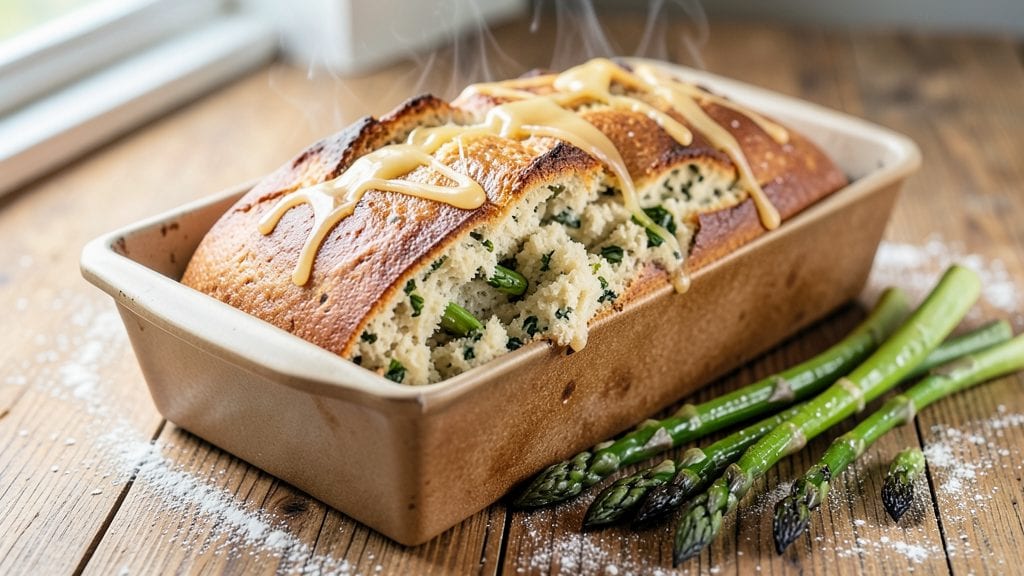
This asparagus bread recipe transforms spring's freshest vegetable into a herb-infused loaf with a golden, crunchy topping that steals every dinner show.
After years of experimenting with savory breads, I finally cracked the balance between tender crumb and vibrant asparagus flavor—where the spears stay crisp while infusing the dough with their signature freshness.
The secret lies in proper prep: blanching the asparagus just enough to soften without sacrificing texture, then folding it into a foolproof dough that rises perfectly every time.
What makes this recipe stand out is how it elevates simple ingredients into something restaurant-worthy. You'll work with five key components—fluffy bread dough, tender asparagus, aromatic herbs, a crispy egg wash, and a sprinkle of toasted seeds—that come together in under 2 hours (including proofing).
The result? A loaf with a crusty exterior, moist interior, and subtle asparagus notes that make every slice unforgettable. Perfect for spring brunches or as a side that pairs beautifully with grilled meats.
The bread's herb-infused flavor comes from fresh dill and chives, while the asparagus adds a delicate, garden-fresh brightness that cuts through richer dishes. The crunchy topping—made with a simple egg wash and toasted seeds—gives it that bakery-style appeal without requiring special equipment.
Whether you're a seasoned baker or new to savory breads, this recipe delivers consistent, professional results with minimal fuss.
Here's where it gets interesting—this loaf reheats beautifully, making it ideal for meal prep. Slice it fresh from the oven for maximum texture, or toast leftovers for a quick breakfast. The asparagus flavor actually intensifies slightly as the bread sits, so it tastes even better the next day.
Ready to bake bread that's as nutritious as it is delicious? Let's get started with the ingredients.
Ingredients for asparagus bread
Transform spring's asparagus into a restaurant-worthy herb-infused loaf with these precise ingredients.
| Ingredient | Amount | Notes |
|---|---|---|
| All-Purpose Flour 🌾 | 4 cups | Sifted for even texture |
| Fresh Asparagus 🌱 | 1 lb | Medium spears, trimmed ends |
| Active Dry Yeast 🍞 | 2 ¼ tsp | Instant yeast preferred |
| Granulated Sugar 🍚 | 1 tbsp | For yeast activation |
| Warm Water 💧 | 1 cup | 110°F for yeast activation |
| Unsalted Butter 🧈 | ½ cup | Cold, cubed for dough |
| Large Eggs 🥚 | 1 whole | Room temperature |
| Fresh Dill 🌿 | ¼ cup | Chopped, stems removed |
| Fresh Chives 🌱 | ¼ cup | Finely chopped |
| Diamond Crystal Kosher Salt 🧂 | 1 ½ tsp | Adjust to taste |
| Sesame Seeds 🌾 | ¼ cup | Toasted for crunch |
| Poppy Seeds 🌱 | 1 tbsp | Toasted for topping |
| Large Eggs 🥚 | 1 whole | For egg wash |
The asparagus selection is critical. Medium spears with vibrant green tips ensure optimal flavor and texture—avoid woody stalks. Trim the ends precisely to create a clean base for blanching. For the yeast, King Arthur or Bob's Red Mill brands perform consistently, while Whole Foods bulk bins offer freshness. The butter should be cold and cubed to prevent overmixing the dough. Fresh herbs are non-negotiable here; Trader Joe's organic section delivers the most aromatic dill and chives. Toast the seeds in a dry pan until golden for maximum crunch—just 2-3 minutes over medium heat.
No fresh dill? Dried dill at one-third the amount works, though flavor intensity suffers. Substitute chives with green onion tops if needed, but the flavor profile shifts slightly. For a gluten-free version, replace flour with a 1:1 gluten-free blend like Bob's Red Mill, though texture may vary. The sesame and poppy seeds can be swapped for toasted sunflower seeds for a nutty alternative. If blanching asparagus feels tedious, lightly steamed asparagus works nearly as well—just avoid overcooking to preserve crispness. The egg wash requires room-temperature eggs to create a smooth, glossy finish.
Store the dough, once mixed, in an airtight container at room temperature for up to 24 hours or refrigerate for 48 hours—allow it to come to room temperature before shaping. The baked loaf maintains freshness for 3 days at room temperature when wrapped in a clean kitchen towel, or 5 days refrigerated in an airtight container. For longer storage, slice and freeze individual portions for up to 3 months. Reheat slices in a 350°F oven for 5-7 minutes to restore crispiness. The asparagus flavor intensifies slightly overnight, making leftovers even more flavorful.
Why You'll Love This Recipe
- No Waste Wonder: I swear by this trick—use the asparagus trimmings you’d normally toss. Just pulse them in the food processor, mix into the dough, and suddenly your scraps become flavor gold. (Yes, even on a Tuesday night.)
- Earthy Sweet Crust: That crispy, golden crust? It’s not just sugar—it’s the caramelized asparagus peeking through, adding a subtle grassy sweetness. Honestly, it’s the kind of flavor that makes you pause mid-bite.
- Meal Prep MVP: Bake a loaf on Sunday, and you’ve got breakfast, lunch, or a snack covered for days. Toast it straight up, or slice it for sandwiches—it’s my go-to for busy mornings when I’m too tired to think.
- Budget-Friendly Staple: Flour, yeast, and sugar are pantry basics, and asparagus is cheaper than you’d expect in season. I’ve made this for under $2 a loaf, and it still feels like a treat. (Between us, my wallet approves.)
Step-by-step instructions for herb-infused asparagus bread
This method transforms fresh asparagus into a flavorful loaf with a crispy seed topping and tender herb-infused crumb.
Prepare the Asparagus and Yeast Mixture
Preheat your oven to 375°F and line a 9x5-inch loaf pan with parchment paper, leaving an overhang on the sides for easy removal. Trim the ends from the 1 lb fresh asparagus, then pulse in a food processor until finely chopped—you should have about 1½ cups of bright green purée. Set aside.
In a small bowl, whisk together the 2.25 tsp active dry yeast, 1 tbsp granulated sugar, and ½ cup warm water (110°F). Let it sit for 5-10 minutes until frothy. This step activates the yeast, ensuring your dough rises properly. If it doesn't bubble, your yeast may be inactive—start over with fresh yeast.
Mix the Dough and Incorporate Herbs
In a large mixing bowl, combine the 4 cups all-purpose flour and 1.5 tsp diamond crystal kosher salt. Sift if necessary to eliminate lumps. Make a well in the center and pour in the yeast mixture, asparagus purée, 1 whole large egg (room temperature), and 0.5 cup cold unsalted butter (cubed).
Using a wooden spoon or dough whisk, gradually incorporate the ingredients from the edges, working your way toward the center. Once combined, add the 0.25 cup chopped fresh dill and 0.25 cup finely chopped fresh chives, mixing until evenly distributed. The dough will be sticky—this is normal due to the asparagus purée. Avoid adding extra flour, as it can compromise the texture.
Knead and Shape the Dough
Turn the dough onto a lightly floured surface and knead gently for 3-4 minutes until just cohesive. Avoid over-kneading, as this can develop gluten and make the bread dense. Shape the dough into a rectangular loaf, about 9x5 inches, and place it in the prepared loaf pan. Cover loosely with a damp towel and let it rise in a warm place for 1 hour or until doubled in size.
Here's the thing—this dough is delicate due to the asparagus. If it doesn't rise much, don't worry; it will still bake up well. The asparagus adds moisture, so the dough behaves differently than traditional bread dough. Press your finger gently into the dough—if it springs back slowly, it's ready for the oven.
Prepare the Seed Topping and Bake
In a small bowl, combine the 0.25 cup sesame seeds and 1 tbsp poppy seeds. Toast them in a dry skillet over medium heat for 2-3 minutes, stirring constantly, until fragrant and lightly golden. Remove from heat and let cool slightly.
Brush the risen dough with the remaining 1 whole large egg (for egg wash), reserving about 1 teaspoon for later. Sprinkle the toasted seed mixture evenly over the top, pressing down gently to adhere. Bake for 35-40 minutes until the bread is golden brown and the internal temperature reaches 190°F. The top should be crispy, and the loaf should pull away from the sides of the pan.
Cool and Serve
Remove the bread from the oven and let it cool in the pan for 10 minutes. Use the parchment overhang to lift it out and transfer to a wire rack to cool completely. The bread will firm up as it cools, making it easier to slice. Cut into 4 even servings, reserving any extra for later.
Serve warm or at room temperature. The asparagus adds a subtle earthiness, while the herbs and seeds provide a delightful crunch and freshness. Pair with a simple butter or a bowl of soup for a comforting meal. The bread keeps well for 3 days at room temperature, wrapped in a cloth to maintain freshness.
Pro Tips For Making Asparagus Bread
- Blanch asparagus first: I learned this the hard way—raw asparagus in dough makes the bread dense and bitter. Give those spears a quick 2-minute boil in salted water, then shock in ice water to stop cooking. Drain well and pat dry before chopping; this keeps the bread light and lets the flavor shine.
- Use a thermometer for yeast: That warm water isn’t just "warm"—it needs to be 105–110°F to activate yeast properly. I used to eyeball it and end up with sluggish dough or, worse, burnt yeast. A cheap instant-read thermometer solves this in seconds.
- Don’t overmix the dough: After adding the chopped asparagus, resist the urge to punch and fold like you’re making pizza dough. Overworking it develops gluten too much, and the bread turns tough. Mix just until combined—about 5 minutes by hand—and let the yeast do the rest.
- Shape loaves loosely: Stuffing asparagus chunks into tightly packed dough traps steam and makes the bread gummy. Instead, shape loaves with gentle folds, leaving room for expansion. My grandmother swore by this, and her asparagus bread always had that perfect open crumb—no matter how impatient I was to bake it.
Regional styles of this asparagus bread
Italian Herb Variation
Inspired by Italian focaccia, this version swaps dill for fresh rosemary and chives for thyme, adding 2 tbsp olive oil to the dough for extra richness. Use 1½ tsp sea salt and top with coarse sea salt flakes instead of seeds.
Bake at 400°F for 25 minutes before adding the topping to achieve a crispier crust. The rosemary infuses a piney aroma that pairs beautifully with grilled lamb or roasted vegetables.
French Baguette Style
For a French-inspired twist, shape the dough into a 12-inch baguette and bake in a preheated Dutch oven at 450°F for 20 minutes. Brush with garlic-infused olive oil (mix 3 tbsp olive oil with 1 minced garlic clove) after baking.
Sprinkle with flaky sea salt and toasted black sesame seeds. The high heat creates a crispy crust while keeping the interior tender—perfect for dipping in soups or pairing with charcuterie.
German Sauerbraten Bread
This hearty variation incorporates ¼ cup sauerkraut juice into the dough for tanginess, replacing 1 tbsp water. Add 1 tsp caraway seeds to the dough and top with crumbled bacon bits and extra sesame seeds.
Bake at 375°F for 40 minutes until golden. The sauerkraut adds a deep, fermented flavor that complements smoked sausages or roasted pork—ideal for German-inspired meals.
Mediterranean Sun-Dried Tomato
Blend ½ cup sun-dried tomatoes into the asparagus purée for a vibrant, umami-rich twist. Add 1 tsp dried oregano and ½ tsp red pepper flakes to the dough. Top with crumbled feta cheese and toasted pine nuts before baking.
The sun-dried tomatoes deepen the flavor profile, making this version perfect for Mediterranean meals like grilled fish or caprese salads.
American Herb & Cheese
Replace the sesame seeds with shredded cheddar cheese and add ½ cup sharp cheddar crumbles to the dough. Use 1 tbsp smoked paprika and ½ tsp garlic powder for depth. Top with extra cheddar and crushed red pepper flakes before baking.
This version delivers a bold, cheesy flavor that pairs perfectly with BBQ ribs or hearty stews—ideal for American comfort food lovers.
Japanese Miso-Infused
Add 1 tbsp white miso paste to the dough along with the yeast mixture for an umami kick. Swap chives for green onions and top with toasted white sesame seeds and crushed nori flakes.
Bake at 375°F for 35 minutes until golden. The miso adds a savory depth that complements Japanese dishes like teriyaki chicken or miso soup—perfect for a fusion-inspired meal.
Nutrition facts
Frequently asked questions
Can I use frozen asparagus instead of fresh in this recipe?
Fresh asparagus gives the best flavor and texture, but you can use frozen asparagus if needed. Thaw it first, drain well, and pat dry completely before processing. The texture will be slightly softer, so expect a more tender crumb in the final loaf. For best results, avoid overcooking the frozen asparagus during processing.
Why does my dough feel too sticky and not rise properly?
The asparagus purée adds natural moisture, making the dough stickier than traditional bread. Don't add extra flour—this can make the bread dense. Instead, wet your hands slightly when handling it and ensure your yeast is active (it should bubble within 5-10 minutes when mixed with warm water). A warm oven with the light on can help create a proofing environment if your kitchen is cool.
How can I make this bread gluten-free?
Replace the all-purpose flour with a 1:1 gluten-free baking blend like Bob's Red Mill or King Arthur. You may need to add ½ tsp xanthan gum if your blend doesn't include it. Keep all other ingredients the same, but expect a slightly denser texture. Bake for 5-10 minutes longer at 375°F to ensure the center reaches 190°F.
Can I make this bread without a food processor?
Finely chop the asparagus by hand with a sharp knife, aiming for small pieces. You'll need about 1½ cups of chopped asparagus (similar to what you'd get from processing). For even texture, pulse in a blender or food chopper if available. The flavor will still be delicious, though slightly less uniform.
What’s the best way to reheat sliced asparagus bread?
For maximum crispiness, wrap slices in foil and warm in a 350°F oven for 5-7 minutes. To revive the crust, place slices directly on the oven rack for 3-4 minutes. Microwaving works in a pinch but can make the bread gummy. The bread reheats best when it's been stored for 1-2 days—fresh slices may dry out more quickly.