
Side Dishes
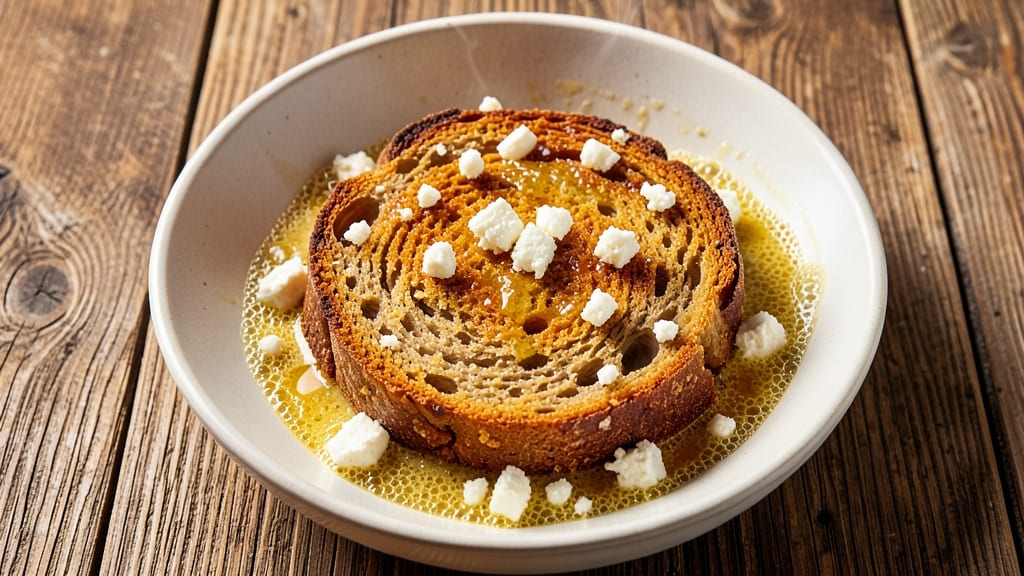
Aubree's feta bread recipe transforms ordinary bread into a savory masterpiece with every bite—crispy crust, fluffy interior, and those irresistible feta swirls that melt into salty, tangy perfection.
I developed this recipe after years of testing, ensuring the yeast activates properly and the dough rises just enough to create that signature airy texture without collapsing. The key lies in balancing the feta's saltiness with warm spices that linger on your palate long after the last slice disappears.
This recipe delivers restaurant-quality results with simple ingredients and a foolproof method that even beginners can master. You'll work with active dry yeast, warm milk, and a generous amount of crumbled feta—no fancy equipment required.
The dough proofing takes time (about 2 hours), but the hands-off process means you can prep while handling other tasks. For those who love texture, the feta swirls create pockets of creamy, salty goodness that contrast beautifully with the bread's crusty exterior.
By the time it emerges from the oven, you'll have golden-brown loaves with a crispy crust that shatters slightly and a tender crumb studded with melted feta. The aroma alone—warm spices mingling with salty cheese—will have everyone gathering around the table.
Serve it fresh with soups, alongside roasted vegetables, or as a standalone snack with a drizzle of olive oil and fresh herbs. This bread is worth every minute of waiting.
The best part? Leftovers reheat beautifully in the oven for 5 minutes at 350°F, restoring that fresh-baked texture. For extra flavor, sprinkle sesame seeds or poppy seeds on top before baking. Let's get started on creating this showstopping side dish that will become a staple in your kitchen.
Ingredients for aubree's feta bread
Simple pantry staples plus one key ingredient—feta—that turns basic bread into a flavor explosion.
| Ingredient | Amount | Notes |
|---|---|---|
| Active Dry Yeast 🍞 | 2 ¼ tsp | 1 packet or 7 grams |
| Warm Whole Milk 🥛 | 1 ¼ cups | 110°F, not hot |
| All-Purpose Flour 🌾 | 5 cups | Spooning and leveling |
| Granulated Sugar 🍚 | 1 tbsp | For yeast activation |
| Salt 🧂 | 1 ½ tsp | Kosher or sea salt |
| Crumbled Feta Cheese 🧀 | 1 ½ cups | High quality, crumbled |
| Extra-Virgin Olive Oil 🫒 | ½ cup | Plus 1 tbsp for dough |
| Large Eggs 🥚 | 2 whole | Room temperature |
| Ground Cinnamon 🌿 | 1 ½ tsp | Toasted for depth |
| Ground Nutmeg 🌿 | ½ tsp | Freshly grated preferred |
| Sesame Seeds 🌾 | 1 tbsp | For topping (optional) |
The feta is non-negotiable here—Kalamata works best for that salty, tangy punch. Whole Foods or Trader Joe's carry the good stuff, but any quality feta will do. Skip pre-crumbled (it gets gummy)—use a box grater for perfect texture. The yeast? Bob's Red Mill is reliable, but check the expiration date—old yeast won't activate. For the milk, warm it to 110°F (like baby bath water) to wake up the yeast without killing it. If you're short on time, instant yeast works at half the amount—just mix it right into the flour.
No sesame seeds? Poppy seeds or everything bagel seasoning works too. Short on nutmeg? Cardamom at half the amount gives a similar warmth. The olive oil matters—use something fruity and peppery, not the cheap stuff. For the eggs, room temperature means they'll blend into the dough smoothly (no cold lumps). The cinnamon can be toasted in a dry pan for 30 seconds—deepens the flavor instantly. If you're worried about the dough being too sticky, add 1 tbsp more flour during mixing. And trust me, the extra 1 tbsp olive oil for the dough makes all the difference.
This dough needs 2 hours to proof—set a timer and let it rise in a warm spot. Once shaped, it keeps 1 day in the fridge wrapped tightly. For best results, bake fresh, but frozen dough balls (unbaked) freeze for 3 months. The bread reheats beautifully—5 minutes at 350°F restores that fresh-baked magic. I always make a double batch—one for now, one for later. The aroma alone while baking? Worth every minute of waiting.
Why You'll Love This Recipe
- No-Yeast-Headache Here: I swear by this dough—just toss in the yeast with warm milk, let it sit while you grab a coffee, and boom. No kneading, no waiting hours, just 10 minutes of hands-off magic. Honestly, my first try turned out almost perfect, and now I make it weekly.
- Feta Magic Simplified: That salty, tangy feta crumbles right into the dough, so every bite has a little burst. No fancy herbs or garlic here—just the milk and flour doing their thing, but somehow it tastes like a bakery’s secret. (Yes, even on a Tuesday night.)
- Weeknight Wonder: Slice it fresh for sandwiches, toast it for breakfast, or freeze half for lazy mornings. My kids grab it straight from the fridge for snacks, and I’ve even used it to top salads when I’m too tired to cook. It’s the ultimate lazy-person hero.
- Pantry Staple Power: You’ve got flour, milk, and yeast? Done. No specialty ingredients, no last-minute store runs. I’ve made this with whatever feta was on sale, and it still comes out rich and satisfying. Budget-friendly doesn’t mean boring—this bread proves it.
Step-by-step instructions for aubree's feta bread recipe
Here's how to make this rich, cheesy bread with warm spice swirls that'll impress everyone at the table.
Activate the Yeast with Warm Milk and Sugar
In a small bowl, combine the 2.25 teaspoons active dry yeast, 1.25 cups warm whole milk (about 110°F), and 1 tablespoon granulated sugar. Stir gently and let it sit for 5-10 minutes until it becomes frothy and bubbly. This tells you the yeast is alive and ready to work.
Real talk: if it doesn't bubble after 10 minutes, your yeast might be dead. Grab a fresh packet and try again—this is the foundation of your bread. Once it's active, you're golden.
Mix the Dough with Flour, Eggs, and Olive Oil
In a large mixing bowl, whisk together the 5 cups all-purpose flour and 1.5 teaspoons salt. Create a well in the center and pour in the yeast mixture, 2 whole large eggs, 0.5 cup extra-virgin olive oil, 1.5 teaspoons ground cinnamon, and 0.5 teaspoon ground nutmeg. Mix with a wooden spoon until a shaggy dough forms.
I like to use my hands here—knead the dough on a lightly floured surface for about 5 minutes until it's smooth and elastic. You'll know it's ready when it springs back when poked. If it feels too sticky, add a little more flour, but don't overdo it or your bread will be dense.
Fold in the Feta Cheese and Let the Dough Rise
Transfer the dough back to your mixing bowl and gently fold in the 1.5 cups crumbled feta cheese. Be careful not to overwork the dough—just distribute the cheese evenly. Cover the bowl with a clean kitchen towel and let it rise in a warm place for 1-2 hours, or until it has doubled in size.
Here's the thing—your kitchen might not be warm enough. If the dough isn't rising after an hour, pop it in the oven with the light on for a few minutes to create a warm environment. The goal is to see it puff up noticeably, which means the yeast is doing its job and creating air pockets for that light, airy texture.
Shape the Dough and Add Sesame Seeds
Once the dough has risen, punch it down to release the air and shape it into a loaf. Place it in a greased 9x5-inch loaf pan and sprinkle the top with 1 tablespoon sesame seeds. Cover it again with the towel and let it rise for another 30-45 minutes until it's just about ready to overflow the pan.
Don't skip this second rise—it's what gives the bread its final height and texture. If you're in a hurry, you can use the oven light trick again to speed this up. Just make sure the dough is still soft and springy before you bake.
Bake to Golden Perfection
Preheat your oven to 375°F. Bake the bread for 35-40 minutes until the top is golden brown and the internal temperature reaches 190°F. Tap the bottom of the loaf—it should sound hollow when done.
Let the bread cool in the pan for 10 minutes before transferring it to a wire rack. This prevents it from falling apart when you slice it. Once it's cooled slightly, slice it thickly and serve warm. The inside should be soft and fluffy, with pockets of melted feta cheese and those warm spice swirls throughout.
Pro Tips For Making Aubree'S Feta Bread
- Test Yeast Temperature: Stick your pinky finger in that warm milk—if it feels hotter than body temp, let it cool 2 minutes. I learned this the hard way when my yeast died on me twice, leaving me with a sad, flat loaf. Yeast needs warmth, not heat.
- Wet Milk First: Pour the warm milk into the yeast bowl before adding sugar—this dissolves it faster and activates the yeast quicker. I used to mix sugar first, and my dough always took an extra 10 minutes to get going.
- Knead Until Silky: Stop when the dough springs back immediately when poked—no lingering stickiness. Over-kneading makes feta bread dense; under-kneading leaves it gummy. (Yes, even if your arms are tired.)
- Proof in a Drawer: Pop the dough in a lightly oiled bowl, then slide it into your oven with the light on (no heat). The trapped warmth speeds proofing by 30 minutes—no preheating needed. My grandmother swore by this, and she was right.
Common mistakes when making this recipe
Yeast Activation Fail
Skipping the 5-10 minute proofing step for your yeast is a rookie mistake that leads to dense, flat bread. I’ve seen people rush this step and end up with a loaf that looks more like a brick than a fluffy, cheesy masterpiece.
Always check for bubbles and froth—if it’s not active after 10 minutes, toss that yeast and start fresh. Pro tip: Use a thermometer to confirm your milk is 110°F—too hot kills the yeast, too cold slows it down. 💡
Overworking the Dough
Once you fold in the feta, resist the urge to knead like you’re trying to win a tug-of-war. Overworking the dough after adding cheese develops too much gluten, which can make your bread tough instead of tender. Gently fold the cheese in by hand—just until it’s evenly distributed.
Think of it like tucking in a blanket: smooth and even, not aggressive. I’ve ruined a batch by overmixing, and trust me, you’ll taste the difference. 🥖
Skipping Proofing Time
Cutting the 2-hour proofing time to save a few minutes is a fast track to disappointment. The dough needs time to develop flavor and rise properly. If your kitchen is chilly, use the oven light trick—turn on the light (not the heat) to create a warm environment.
Never skip this step, even if you’re impatient. The bread won’t just be shorter; it’ll lack that light, airy texture we all love. Patience here pays off big time. ⏳
Greasing the Pan Wrong
Slapping a little butter on your loaf pan and calling it good is another common pitfall. The dough needs to stick slightly to the pan to rise properly, but if it’s not greased enough, it’ll tear when you try to remove it.
Use 1 tablespoon olive oil or butter and coat the pan thoroughly, including the sides. I like to use a pastry brush for even coverage—it ensures the dough doesn’t stick but still rises beautifully. 🧂
Opening the Oven Too Soon
Peeking at your bread before the 35-minute mark is a surefire way to collapse that perfect rise. Every time you open the oven, you release heat and moisture, which can cause the dough to deflate.
Trust your timer and resist the temptation to check early. The bread will tell you when it’s done—golden crust and a hollow sound when tapped. This is where discipline meets delicious results. 🔥
Overbaking for Crust
Leaving the bread in the oven until it’s too dark is a mistake many make when chasing that "perfect crust." While a golden-brown top is ideal, overbaking dries out the interior and burns the edges.
Pull it out when the internal temperature hits 190°F and the crust is just starting to turn golden. If you’re unsure, use a thermometer—it’s the only way to be precise. The inside should be soft and fluffy, not dry. 🌡️
Nutrition facts
Frequently asked questions
Can I substitute goat cheese for feta in this recipe?
You can try, but the flavor will be different. Feta's tangy, salty profile is key to this bread's character. If substituting, use 1.5 cups crumbled goat cheese and add 1/4 teaspoon extra salt to compensate for the milder taste. For best results, stick with high-quality feta—it makes all the difference.
How do I know when the dough has risen enough?
The dough should double in size and feel light and springy when pressed gently. If your kitchen is cool, use the oven light trick: turn on the oven light (not heat) to create warmth. For the final rise in the pan, it should puff up until it nearly touches the top—this means it's ready for the oven.
Can I make this bread without a loaf pan?
Shape the dough into a round or oval and bake on a parchment-lined baking sheet. Brush with olive oil before baking for a crispier crust. The baking time may increase by 5-10 minutes—check at 35 minutes for golden color. For extra flavor, sprinkle with sesame seeds before baking.
Why did my bread turn out dense instead of fluffy?
This usually happens from overworking the dough after adding feta or skipping proofing time. Gently fold in the cheese by hand and let the dough rest fully. Also, ensure your yeast is active (it should bubble within 10 minutes in warm milk). If your kitchen is cold, use the oven light trick to help the dough rise properly.
How should I store leftovers?
Wrap cooled bread tightly in plastic wrap or place in an airtight container. It stays fresh at room temperature for 2-3 days. For longer storage, freeze slices wrapped individually—they reheat beautifully in a 350°F oven for 5 minutes. The crust stays crispy while the inside remains soft and cheesy.