
Soups & Stews
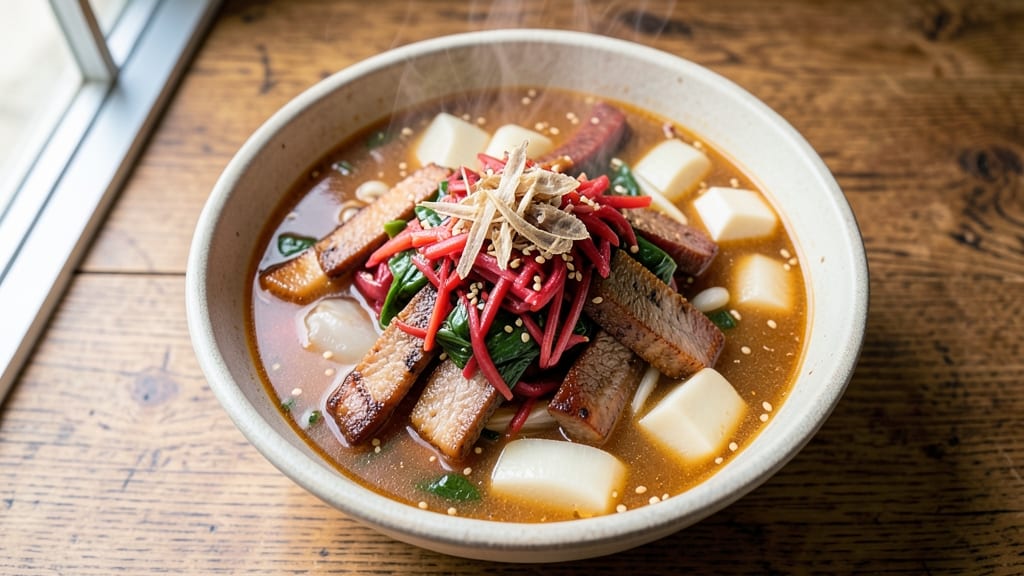
This authentic kimchi soup recipe brings the bold flavors of Korea to your kitchen, where fermented heat meets hearty comfort in every spoonful. The secret lies in balancing tangy kimchi with rich broth and tender protein, creating a dish that’s both deeply traditional and impossible to resist.
I’ve perfected this version after years of testing—it’s the kind of soup that warms you from the inside out while delivering layers of umami and spice.
The foundation is a slow-simmered broth infused with garlic, ginger, and scallions, which forms the soul of the dish. We’ll add protein—whether it’s thinly sliced pork, fish cake, or tofu—to round out the meal, while kimchi provides that signature fermented punch.
The result is a soup that’s restorative, flavorful, and packed with texture, from the crisp edges of kimchi to the melt-in-your-mouth tenderness of the broth.
What makes this recipe stand out is its authenticity without compromise. No shortcuts here—just the careful balance of ingredients that Korean home cooks rely on.
The soup is designed to be flexible yet precise, so you can adjust the spice level to your taste while keeping the essence of traditional kimchi jjigae intact. Whether you’re serving it as a main dish or a side to rice, this soup delivers comfort in every bowl.
Ready to dive in? This recipe is your gateway to restaurant-quality kimchi soup at home, with step-by-step guidance to ensure every element—from the broth to the final garnish—comes together perfectly. Let’s get started.
Ingredients for authentic kimchi soup
Pantry staples meet Korean market finds for this soul-warming kimchi jjigae.
| Ingredient | Amount | Notes |
|---|---|---|
| Kimchi 🥬 | 3 cups | Homemade or high-quality store-bought |
| Korean Radish (Daikon) 🥕 | 1 lb | Julienned or matchstick-cut |
| Pork Shoulder 🥩 | 1 lb | Thinly sliced, boneless preferred |
| Dried Anchovy Fillets 🐟 | ¼ oz | For umami depth |
| Silken Tofu 🧀 | 1 block | Cubed, firm tofu works too |
| Garlic Cloves 🧄 | 6 cloves | Minced for aromatic base |
| Fresh Ginger 🌿 | 2 tbsps | Grated, peeled |
| Green Onions 🧅 | 3 whole | Sliced, white and green parts |
| Korean Red Pepper Flakes (Gochugaru) 🌶️ | 1 tbsp | Adjust for spice preference |
| Soy Sauce 🍶 | ½ cup | Korean soy sauce preferred |
| Sesame Oil 🫒 | 1 tbsp | For finishing aroma |
| Korean Fish Cake (Sundae) 🐟 | 1 package | Frozen or fresh, sliced |
| Rice 🍚 | 2 cups | Cooked, for serving |
| Vegetable Oil 🫒 | 2 tbsps | For stir-frying |
| Salt 🧂 | 1 tsp | Kosher or sea salt |
The kimchi is non-negotiable—homemade or high-quality store-bought from the Korean market section of your grocery store. Look for bright red, vibrant kimchi with intact cabbage pieces—no slimy or discolored jars. The pork shoulder should be thinly sliced (ask your butcher to slice it for you if needed) and the daikon radish should be fresh, not rubbery. For the tofu, silken gives the perfect melt-in-your-mouth texture, but extra-firm works too if you prefer chewier bites. The anchovy fillets might be hard to find—substitute with 1 tsp anchovy paste if necessary, but don't skip them entirely.
No gochugaru? Korean red pepper flakes are essential for that signature flavor, but substitute with a mix of cayenne and paprika if you're in a pinch. The fish cake can be swapped for extra tofu or shrimp—just adjust cooking time. Fresh ginger and garlic should be minced finely for that aromatic punch. The soy sauce matters too—Korean soy sauce (ganjang) adds depth, but regular soy works in a bind. And if you're feeling adventurous, add a splash of doenjang (fermented soybean paste) for extra umami.
This soup tastes even better the next day as flavors meld. Store in an airtight container in the fridge for up to 5 days. The tofu and fish cake can be prepped ahead and stored separately. For serving, keep the sesame oil and green onions on hand to drizzle and garnish at the table. Freezes beautifully for 3 months—just reheat gently and add a splash of water if it thickens too much.
Why You'll Love This Recipe
- One-Pot Magic: I swear by this recipe because it’s actually one-pot—no fussing with multiple pans or cleanup. Toss in the pork shoulder (it practically melts in), kimchi, and radish, then let the broth do the work. By the time you’re dicing tofu, the soup’s already singing.
- Umami Bomb: That first spoonful? Chef’s kiss. The dried anchovy fillets dissolve into the broth, packing in this deep, salty richness that makes the kimchi’s tang sing. The pork shoulder adds a caramelized depth, and the silken tofu soaks it all up like a sponge—creamy, satisfying, and impossible to stop eating.
- Leftovers That Shine: Here’s what sold me—this soup gets better the next day. The flavors meld overnight, and reheating it? Zero effort. I’ll be real: I make a big batch on Sundays, and by Wednesday, it’s still the star of my lunch. (Yes, even on a Tuesday night.)
- Budget-Friendly Powerhouse: Pork shoulder and kimchi stretch for miles, and dried anchovies cost pennies but taste like a luxury. The radish adds freshness without breaking the bank, and tofu keeps it light. Honestly, it’s the kind of meal where I’m feeding my family and my wallet—no guilt, just flavor.
Step-by-step instructions for authentic kimchi soup
Here's how to craft a deeply flavorful kimchi soup that balances fermented tang with rich umami.
Prepare the Protein and Vegetable Base
Begin by slicing the 1 pound pork shoulder into thin strips—about ¼-inch thick—for even cooking. In a large pot, heat 2 tablespoons vegetable oil over medium-high heat until shimmering. Add the pork and sear for 3-4 minutes until the edges turn opaque and slightly browned. This initial browning builds deep flavor that infuses the broth.
Remove the pork and set aside. In the same pot, add 2 tablespoons grated fresh ginger and 6 minced garlic cloves, cooking for 30 seconds until fragrant. Add 1 tablespoon Korean red pepper flakes (gochugaru) and stir for 10 seconds to toast the spices—this prevents bitterness and enhances their warmth. Immediately pour in 0.5 cup soy sauce and deglaze the pot, scraping up any browned bits from the bottom. These flavorful deposits are the soul of your soup.
Build the Broth with Kimchi and Umami Boosters
Return the pork to the pot and add 3 cups kimchi, breaking it into chunks with a wooden spoon. Pour in 8 cups water (enough to generously cover the ingredients) and bring to a rolling boil. Once boiling, reduce heat to medium-low and simmer for 20 minutes, partially covered. This allows the kimchi's fermented flavors to meld with the pork while preventing excessive evaporation.
After 20 minutes, add the 0.25 ounce dried anchovy fillets and 1 package sliced Korean fish cake (sundae). These ingredients dissolve into the broth, adding layers of umami that elevate the entire dish. Simmer uncovered for another 10 minutes to let the flavors integrate fully. The broth should now have a vibrant deep golden hue and a complex aroma blending spicy, funky, and savory notes.
Finish with Tofu and Seasoning
Cut the 1 block silken tofu into ½-inch cubes and gently add them to the simmering broth. They'll cook quickly, so avoid stirring vigorously to prevent breaking. Add the 1 pound julienned Korean radish (daikon) and simmer for 5-7 minutes until the radish softens but retains a slight bite—this texture contrast is essential for balance in the soup.
Season to taste with 1 teaspoon salt, adjusting for both saltiness and acidity from the kimchi. The soup should taste boldly savory with a tangy brightness from the fermented vegetables. If it needs more depth, add another ½ teaspoon soy sauce. Remove from heat and let it sit for 5 minutes to allow flavors to settle.
Serve with Garnishes and Cooked Rice
Ladle the soup into bowls, dividing the 2 cups cooked rice evenly among them. Garnish each serving with 3 sliced green onions (white and green parts separated) and a drizzle of 1 tablespoon sesame oil. The sesame oil adds a final aromatic layer that enhances the soup's complexity. Serve immediately while the broth is steaming hot—this is when the flavors are most vibrant and the textures perfect.
For an authentic touch, offer extra gochugaru on the side so diners can adjust spice levels to their preference. The combination of tender pork, silky tofu, crisp radish, and fermented kimchi creates a harmonious bowl that delivers both comfort and authenticity in every spoonful. The rice soaks up the flavorful broth, making each bite a complete experience.
Pro Tips For Making Authentic Kimchi Soup
- Bloom the Kimchi First: Toss your kimchi with a splash of water (about ¼ cup) and let it sit for 10 minutes before cooking—this softens the texture and releases its fermented punch. I used to skip this, and my soup always tasted muted; now it’s bold and vibrant from the start.
- Cut Radish in Half: Slice the Korean radish into ½-inch thick half-moons instead of thin coins. Thicker pieces hold their shape better during simmering, and you’ll avoid a mushy mess that ruins the dish’s texture. (Yes, even if it looks less "restaurant-perfect.")
- Don’t Rush the Pork: Simmer the pork shoulder on low heat for at least 45 minutes after the initial boil—this melts the collagen into rich broth, not just shreds. I learned this the hard way when my soup tasted like boiled leather; patience here makes all the difference.
- Toast Anchovies Dry: Heat the dried anchovies in a dry pan for 20 seconds until fragrant before adding them to the broth. This deepens their umami without turning the soup fishy—skip this, and you’ll taste the difference. (Your future self will notice.)
Wine and beer pairings for these flavors
Korean Rice Wine
Kimchi soup’s fermented depth pairs beautifully with Korean rice wine (makgeolli), a lightly fizzy, slightly sweet, and tangy drink that mirrors the soup’s complexity. I recommend Hwaryong Makgeolli—its creamy texture and mild alcohol warmth complement the spicy, funky notes of the kimchi.
Serve it chilled in small cups alongside the soup for sipping between bites. The subtle sweetness balances the soup’s acidity, while the effervescence cleanses your palate. 🍶
Light Korean Lager
For a crisp, refreshing contrast, try a Korean lager like Hite or Cass. These beers have a clean, slightly malty profile that won’t overpower the soup’s bold flavors. The light body and subtle hop bitterness provide a refreshing counterpoint to the richness of the pork and tofu.
Serve it ice-cold to enhance the cooling effect against the spicy kimchi. A Hite in particular is a staple in Korean homes and pairs effortlessly with everyday meals.
Soju Cocktail Twist
If you prefer cocktails, mix soju (like Chum Churum) with a splash of yuzu juice and a dash of honey for a bright, citrusy drink. The soju’s clean alcohol cuts through the soup’s fat, while the yuzu’s acidity echoes the kimchi’s tang.
Serve in a chilled glass with a lemon twist for an elegant touch. This combo is especially refreshing if your kimchi soup is on the spicier side. 🍹
Non-Alcoholic Options
For a non-alcoholic pairing, barley tea (boricha) or soy milk are traditional choices. Boricha, with its nutty, toasty notes, complements the soup’s umami without competing. Alternatively, a chilled glass of soy milk adds a creamy, slightly sweet contrast that rounds out the meal.
Both options are easy to find in Korean markets and pair beautifully with the soup’s hearty flavors.
Spicy Beer Fusion
For adventurous drinkers, try a spicy Korean beer like Obonggiri, which combines soju with a chili-infused beer. The heat in the beer mirrors the kimchi’s spice, creating a harmonious bite. Serve it alongside the soup to let diners adjust their spice levels with each sip.
The beer’s bold flavor also makes it a great choice for heartier versions of kimchi soup with extra pork or seafood.
Nutrition facts
Frequently asked questions
What makes this kimchi soup recipe truly authentic?
Authenticity comes from three key elements: fermented kimchi (not just regular cabbage), gochugaru (Korean red pepper flakes), and the umami-rich broth built with anchovies and fish cake. The slow simmering process and proper balance of spice, salt, and acidity are also critical. Unlike quick versions, this recipe uses thinly sliced pork and julienned daikon for traditional texture.
Can I make this soup vegetarian or vegan?
Yes! Skip the pork and fish cake, then use extra-firm tofu or mushrooms for protein. For umami depth, add 1 tbsp soy sauce and 1 tsp mushroom powder. The broth will still be rich, though the texture will differ slightly.
Why does my kimchi soup taste too salty?
Kimchi itself is already salty, so the key is balancing it with acidity (more kimchi juice) and sweetness (a touch of sugar or honey). If it's too salty, add 1 tbsp rice vinegar or ½ cup water to dilute. Taste as you go—kimchi soup should be bold but harmonious, not overpowering.
How spicy should kimchi soup be?
Traditional versions range from mildly spicy to intensely fiery, depending on preference. Start with 1 tbsp gochugaru and adjust to taste—add more while cooking or serve extra on the side. For beginners, reduce to ½ tbsp and use milder kimchi (like white kimchi).
Can I prep kimchi soup ahead of time?
The broth and kimchi base can be made 1-2 days ahead and reheated gently. Store in an airtight container in the fridge. Add fresh tofu and radish just before serving to keep them tender. For longer storage, freeze the broth (without tofu) for up to 3 months. Reheat on low heat, stirring occasionally.