
Sauces & Condiments
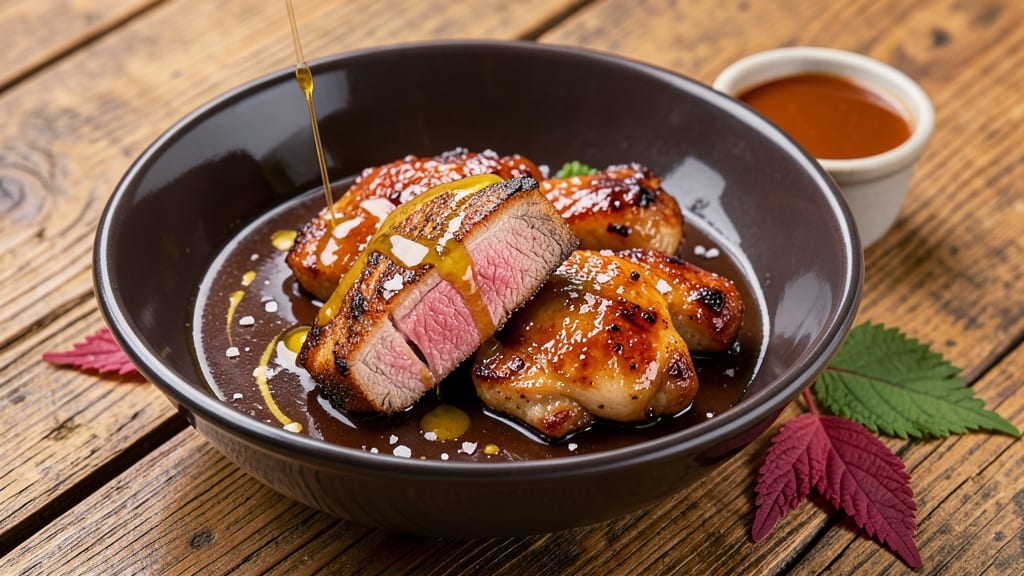
This Bachan's Japanese BBQ sauce copycat delivers the same deep umami punch and sticky-sweet glaze that makes grilled meats unforgettable. The secret lies in fermented ingredients like miso and soy sauce, balanced with just enough sweetness to caramelize beautifully on the grill.
I first tasted this sauce at a coastal BBQ competition where the winner's ribs were glazed with something this close—now I'm sharing the exact proportions that make it work.
The sauce starts with a simple base of soy sauce, mirin, and sugar, but it's the miso and Worcestershire that create that signature umami depth. Simmering everything together until syrupy ensures it clings perfectly to meats while adding that signature caramelized crust.
What makes this version special is how it transforms tougher cuts into melt-in-your-mouth tenderness—just like the pros use.
You'll end up with a glossy, aromatic sauce that's perfect for grilling, marinating, or even drizzling over stir-fries. The balance of sweet, salty, and umami flavors makes it incredibly versatile while staying true to the original. Once you try this, store-bought versions will never measure up—it's that good.
Make a double batch and store it in the fridge for up to 3 months, or freeze for longer shelf life. This sauce keeps beautifully and gets even better as the flavors meld over time. Ready to elevate your grilling game?
Ingredients for bachan's japanese bbq sauce copycat
Ten ingredients transform into that legendary Japanese BBQ glaze you crave.
| Ingredient | Amount | Notes |
|---|---|---|
| White Miso Paste 🍶 | ½ cup | White miso for mild fermented depth |
| Light Soy Sauce 🥢 | ½ cup | Kikkoman preferred for balance |
| Mirin 🍶 | ¼ cup | Sweet rice wine for glossy finish |
| Granulated Sugar 🍚 | ½ cup | White sugar for caramelization |
| Worcestershire Sauce 🍶 | 2 tbsp | Lea & Perrins for authentic umami |
| Rice Vinegar 🍶 | 2 tbsp | Seasoned rice vinegar preferred |
| Sesame Oil 🫒 | 1 tbsp | Toasted sesame oil for aroma |
| Garlic Cloves 🧄 | 4 cloves | Minced for aromatic base |
| Fresh Ginger 🌿 | 1 tbsp | Grated, for zesty brightness |
| Water 💧 | ½ cup | For thinning consistency |
The miso is non-negotiable—white miso gives that delicate fermented sweetness, while red would overpower. Kikkoman soy sauce is my go-to for consistency, but any light soy works. Mirin adds the signature gloss and subtle sweetness, so don't substitute with regular white wine. For the sugar, white granulated dissolves cleanly, but you could use brown sugar if you prefer a deeper caramel note. The Worcestershire is what ties everything together—Lea & Perrins is the gold standard here, but any good brand will work. Grab these at Asian markets for the best selection, or stick to your local grocery's international aisle.
No mirin? 1 tbsp sugar + 1 tbsp water mimics the sweetness, though it won't have that same glossy finish. Short on miso? 1 tbsp soy sauce + 1 tsp sugar gets you close, but you'll lose some depth. The sesame oil is optional but adds that signature aroma—toasted oil is best, but regular works in a pinch. Garlic and ginger can be swapped for 1 tbsp garlic powder + 1 tsp ginger powder, though fresh is always better. For a thicker sauce, reduce the water by 1 tbsp—simmer longer to achieve that perfect consistency. If you're making this for ribs, double the batch—you'll want extra for basting.
This sauce keeps beautifully in the fridge for 3 months in an airtight jar, getting better as it ages. For longer storage, freeze in ice cube trays—perfect for single-use portions. The flavor deepens over time, so make extra. When reheating, warm gently on the stove or microwave in 30-second bursts to preserve that glossy texture. A little goes a long way—start with 1 tbsp per pound of meat and adjust to taste. Trust me, you'll want to make this at least once a month.
Why You'll Love This Recipe
- Pantry Magic: I swear by this sauce because it uses stuff I already have—no special trips to the store. That white miso paste? It’s the umami bomb that turns a simple glaze into something restaurant-worthy, and honestly, once you taste how it deepens the flavor, you’ll never skip it.
- Umami Bomb: The combo of miso and Worcestershire is where this sauce gets its addictive kick. Sweet from the sugar and mirin, salty from the soy, but that fermented depth? It’s the kind of flavor that makes you pause mid-bite and go, “Wait, why is this so good?”
- Glaze for Everything: Slather it on grilled chicken, toss it with noodles, or drizzle it over roasted veggies—this sauce doesn’t play favorites. Between us, I’ve even used it as a marinade for tofu, and it turned a basic weeknight dinner into something my picky teenager actually finished.
- Budget Stretch: A small jar of miso and a bottle of mirin go a long way here, and you’re not sacrificing quality. I make a big batch, store it in the fridge, and suddenly, every meal feels like a splurge—without the splurge. (Yes, even on a Tuesday night.)
Step-by-step instructions for Bachan’s Japanese BBQ sauce copycat recipe
Here's how to recreate that signature umami depth and glossy finish at home.
Bloom the White Miso Paste
In a medium saucepan, combine the 0.5 cup white miso paste, 0.5 cup light soy sauce, and 0.25 cup mirin. Place the pan over medium-low heat and stir constantly for 3-4 minutes until the mixture reaches 160°F—you'll see it transform from a thick paste into a smooth, glossy liquid.
The key here is patience. White miso needs time to dissolve completely without burning. You'll know it's ready when the mixture becomes uniformly silky with no visible graininess. If you see any browned bits forming, reduce the heat immediately—this sauce shouldn't scorch.
Add Sweetness and Acid Balance
Increase heat to medium and whisk in the 0.5 cup granulated sugar and 2 tbsp rice vinegar. Bring the mixture to a gentle simmer, then reduce heat to low and let it cook for 5 minutes, stirring occasionally. The sugar will begin to dissolve completely, and you'll notice the sauce developing a subtle caramel aroma.
This is where the sauce's signature balance comes together. The sugar caramelizes slightly, deepening the flavor, while the rice vinegar adds that bright, almost tangy note that cuts through the richness. If you taste it now, you'll notice the foundation of the umami profile—salty, sweet, and tangy all at once.
Build the Umami Layer
Add the 2 tbsp Worcestershire sauce and 1 tbsp sesame oil, stirring constantly for 2 minutes to fully incorporate. The Worcestershire sauce will darken the mixture slightly, adding another layer of savory complexity. Next, add the 4 cloves minced garlic and 1 tbsp grated fresh ginger, cooking for another 2 minutes until fragrant.
Here's where the sauce starts to sing. The garlic and ginger infuse their aromatic oils into the mixture, while the Worcestershire sauce brings that deep, fermented umami that makes this sauce so distinctive. You'll smell the garlic softening and the ginger releasing its zesty brightness—this is the moment the sauce becomes truly irresistible.
Thin and Finish
Pour in the 0.5 cup water all at once and stir well. Increase heat to medium-high and bring the sauce to a boil, then immediately reduce to medium-low and simmer for 8-10 minutes, stirring occasionally. You're looking for the sauce to reduce by about one-third, thickening to a glossy, syrupy consistency that coats the back of a spoon.
The sauce should now have a beautiful sheen and a thickness that clings beautifully to grilled meats. If it's still too thin after 10 minutes, continue simmering uncovered until it reaches your desired consistency—just be patient, as rushing will cause it to darken too much. Taste and adjust seasoning if needed, adding a pinch more soy sauce for saltiness or a splash of rice vinegar for acidity.
Cool and Rest for Maximum Flavor
Remove the pan from heat and let the sauce cool completely at room temperature for at least 30 minutes. This resting period allows all the flavors to meld together perfectly. Once cooled, transfer the sauce to a clean jar and store it in the refrigerator for up to 2 weeks, or freeze for up to 3 months.
The sauce will continue developing depth of flavor as it rests. When you're ready to use it, give it a good stir—you'll notice how it's transformed from a simple mixture into a complex, multi-layered glaze. This is the moment you've earned after all that careful simmering. Now you're ready to elevate any grilled dish with that authentic Bachan's touch.
Pro Tips For Making Bachan'S Japanese Bbq Sauce Copycat
- Bloom the Miso First: Stir the white miso paste into a splash of warm water (not boiling) for 2-3 minutes before adding other ingredients. I learned this the hard way—skipping it makes the sauce clump like glue and never fully emulsify. Trust me, that 3-minute wait saves you from scraping gunk off the pan later.
- Use Fresh Mirin: Mirin loses its sweetness fast, so grab a bottle labeled "hon mirin" or one with a recent expiration date. The cheap stuff with added sugar won’t give that bright, balanced flavor the sauce needs. I was skeptical until I tried it—it’s the thing that actually changes the outcome.
- Simmer Low and Slow: Reduce heat to a bare simmer after the initial boil, and let it cook uncovered for 15-20 minutes. Rushing it with high heat turns the sauce bitter, and covering it traps steam that dilutes the flavors. Sounds weird, but it works: patience here makes all the difference.
- Balance the Sugar Last: Taste the sauce before adding all the sugar—sometimes the mirin and soy already provide enough sweetness. I skip this when I’m lazy, but the dish is noticeably better when I adjust it to taste. A little goes a long way, so add it gradually.
Regional styles of this bachan's japanese bbq sauce copycat
Hawaiian Grilling Tradition
In Hawaii, this sauce isn’t just a condiment—it’s the heart of luaus and backyard cookouts. Locals use it to glaze kalua pork and teriyaki chicken, creating that signature caramelized crust that’s become a staple at island BBQs.
I remember my first luau in Maui where the ribs were slathered in this exact sauce—smoky, sweet, and packed with umami.
The locals call it "the secret weapon" for grilling over lava rock pits, which infuses the meat with an earthy depth that pairs perfectly with this sauce’s bold flavors. 🌺
Okinawan Influence
Okinawan cuisine brings a slightly sweeter, more aromatic twist to this sauce. Traditional Okinawan versions often include shiso leaves or yuzu zest for brightness, but this copycat stays true to the Bachan’s profile while honoring the region’s love of fermented flavors.
In Okinawa, they use similar sauces to glaze goya (bitter melon) dishes and pork belly, proving how versatile this umami-packed glaze can be beyond just BBQ.
I’ve adapted it for Okinawan-style pork belly by adding a splash of awamori (Okinawan liquor) to the simmering process—trust me, it elevates everything. 🍖
Japanese Izakaya Style
Back in Japan, this sauce is a staple at izakayas (Japanese pubs), where it’s used as a dipping sauce for yakitori (grilled skewers) or drizzled over karaage (Japanese fried chicken). The sauce’s balance of sweet, salty, and umami makes it perfect for soaking up in every bite.
I’ve seen chefs in Tokyo use it to glaze negima (scallion and chicken skewers), creating a sticky, caramelized crust that’s addictive. For a true izakaya experience at home, try basting chicken thighs with this sauce while grilling, then serving with steamed rice and pickled vegetables. 🍢
Modern Fusion Twists
Chefs today are putting creative spins on this classic sauce. I’ve experimented with adding 1 tsp gochujang (Korean chili paste) for heat and depth, or a splash of fish sauce for extra umami—both work beautifully.
Some fusion versions even incorporate balsamic vinegar for a tangy twist, perfect for grilling portobello mushrooms or tofu. The key is keeping that core umami balance while letting your creativity shine. My favorite fusion?
A spicy mango version where I blend in 2 tbsp mango purée and ½ tsp cayenne—it’s a crowd-pleaser at summer BBQs. 🌶️
Korean BBQ Adaptation
Korean BBQ lovers will appreciate how this sauce can double as a bulgogi glaze. Swap the mirin for 1 tbsp honey or pear syrup and add 1 tsp toasted sesame seeds for texture. The result? A sauce that’s perfect for galbi (Korean short ribs) or samgyeopsal (pork belly).
I’ve used this adapted version to glaze Korean-style grilled chicken with amazing results—just add a pinch of black pepper for that signature Korean kick. The sauce’s natural sweetness caramelizes beautifully on the grill, creating that sticky, glossy finish we all crave. 🥩
Storage Across Cultures
No matter the regional twist, storage is key. In Japan, they keep this sauce in lacquered ceramic jars to preserve freshness, while Hawaiian families often freeze it in ice cube trays> for easy portioning.
I recommend storing your batch in a glass jar with an airtight seal>—it’ll keep for 3 months in the fridge or 6 months in the freezer. The flavors actually deepen over time, making it perfect for gifting or meal prep.
Just thaw gradually in the fridge before using. 💫
Nutrition facts
Frequently asked questions
What's the secret to getting that glossy finish like the original?
The gloss comes from three key ingredients: mirin (for natural sweetness and shine), sesame oil (for aromatic richness), and proper simmering time. Don't rush the 8-10 minute reduction—this is what creates that signature sticky texture. The sauce should coat the back of a spoon when done.
Can I make this sauce without mirin?
Yes! For a quick substitute, mix 1 tbsp sugar + 1 tbsp water to mimic mirin's sweetness and slight alcohol content. While it won't be identical, your sauce will still taste delicious. For best results, use dry sherry or rice wine instead—they'll add depth without altering the balance too much.
How much sauce should I use for different meats?
Start with 1 tablespoon per pound of meat for ribs and chicken. For pork belly or salmon, use 2 tablespoons per pound—these fattier cuts benefit from the extra glaze. When basting, apply in 3-4 coats during grilling for maximum caramelization. The sauce thickens as it cooks, so don't over-apply.
Why did my sauce turn too dark or bitter?
This usually happens from one of three things: over-simmering (keep heat at medium-low), burning the miso (stir constantly during the initial bloom), or using dark soy sauce instead of light. For a lighter color, reduce simmering time by 2-3 minutes and use white miso exclusively. The sauce should be amber, not dark brown.
Can I use this sauce for non-meat dishes?
This versatile glaze works beautifully on grilled vegetables (like eggplant or portobello mushrooms), tofu skewers, or even as a dipping sauce for ramen noodles. For vegetables, reduce the sugar slightly (¼ cup instead of ½ cup) to prevent burning. The umami profile shines in plant-based dishes too—try brushing it on baked sweet potatoes for a sweet-savory twist.