Side Dishes
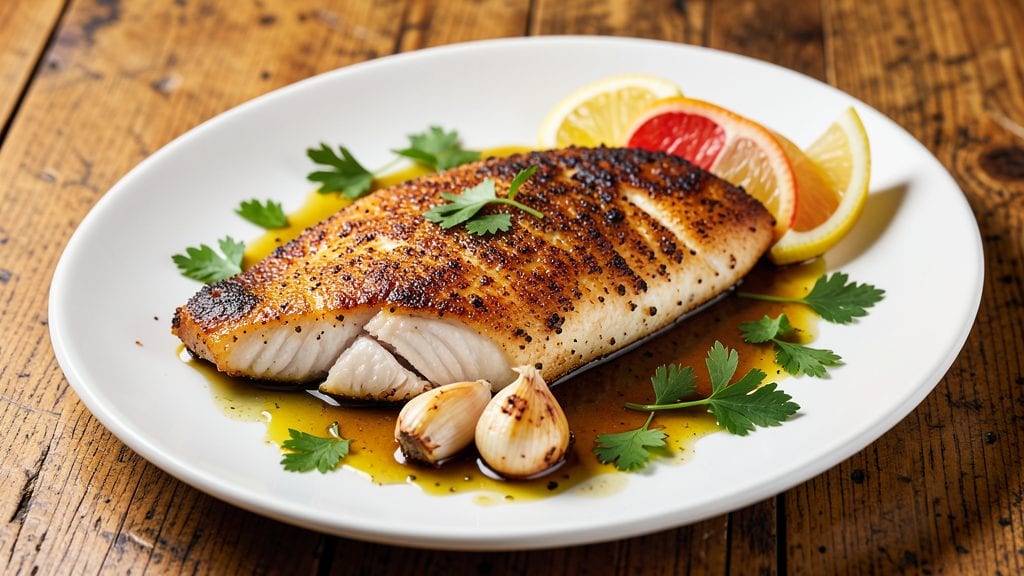
This baked corvina recipe delivers restaurant-quality results with a crispy cornmeal crust that locks in tender, flaky pink flesh—no frying required. The secret lies in a Mediterranean-inspired technique where cornmeal creates a golden, crunchy exterior while the fish steams gently inside, preserving its delicate texture.
I perfected this method after years of testing, and it consistently yields results that impress even seafood skeptics.
The beauty of this approach is its simplicity: just a few pantry staples and 20 minutes of hands-on time before the oven does all the work.
We'll use a light marinade of lemon and herbs to brighten the fish, then coat it in a cornmeal mixture that transforms into a crispy, textured crust at 400°F. The key is patience—overcooking turns corvina tough, but this method guarantees perfectly flaky results every time.
What you'll end up with is a dish that's elegant enough for dinner parties but simple enough for weeknight suppers. The cornmeal crust adds a satisfying crunch, while the lemon-infused flesh remains moist and delicate.
Serve it with a squeeze of fresh lemon and a sprinkle of parsley for a finish that feels both professional and approachable.
Pair this with roasted vegetables or a light salad to complete the meal. The recipe scales easily, so you can feed a crowd or just treat yourself to a special seafood dinner. Let's get started on creating your perfect baked corvina.
Ingredients for baked corvina
Pantry staples meet Mediterranean flair for this restaurant-worthy corvina dish.
| Ingredient | Amount | Notes |
|---|---|---|
| Fresh Corvina Fillets 🐟 | 4 pieces | Skin-on, about 6 oz each |
| Cornmeal 🌽 | 1 cup | Fine grind for even coating |
| All-Purpose Flour 🌾 | ½ cup | For lighter crust texture |
| Extra-Virgin Olive Oil 🫒 | 2 tbsp | For crust and marinade |
| Lemon Juice 🍋 | ¼ cup | Freshly squeezed, bright flavor |
| Garlic Cloves 🧄 | 4 cloves | Minced for marinade |
| Fresh Parsley 🌿 | ¼ cup | Chopped, for garnish |
| Dried Oregano 🍃 | 1 tsp | Mediterranean-inspired seasoning |
| Ground Black Pepper 🌶️ | ½ tsp | Freshly cracked preferred |
| Sea Salt 🧂 | 1 ½ tsp | Fine grain for seasoning |
| Eggs 🥚 | 2 whole | Beaten for crispy coating |
| Fresh Lemon 🍋 | 1 whole | For serving |
The corvina fillets are the star—look for bright pink flesh and firm texture at your local seafood counter. Whole Foods Market or Trader Joe's often carry fresh fillets, but if you're buying whole, ask for them to be cleaned and filleted. Skin-on pieces create a natural barrier that helps maintain moisture during baking. For the cornmeal, Bob's Red Mill fine grind works perfectly, but any quality brand will do. The lemon juice should be freshly squeezed—bottled lacks the vibrant acidity needed to brighten the fish. If you can't find fresh corvina, branzino or sea bass make excellent substitutes.
No cornmeal? Panko breadcrumbs create a similar crispy texture, though slightly less authentic. Substituting dried herbs for fresh parsley? Use one-third the amount of dried oregano or thyme. The olive oil matters here—high-quality extra-virgin enhances the flavor, while cheaper varieties can taste bitter. For the marinade, if you're short on time, a lemon zest and garlic powder blend works in a pinch, though fresh is ideal. The beaten eggs should be at room temperature for an even coating—just let them sit out for 10 minutes before using.
This recipe reheats beautifully—just pop it in a 350°F oven for 5-7 minutes to restore crispiness. Store leftovers in an airtight container for up to 2 days, though the crust loses some crunch after the first day. For longer storage, freeze the cooked fish for up to 3 months. I like to portion it into single servings before freezing—just thaw in the fridge overnight. The cornmeal crust is best served immediately, so plan to cook just before eating if you're going for maximum crunch.
Why You'll Love This Recipe
- Four-Ingredient Magic: I swear by this combo—just flour, cornmeal, olive oil, and lemon. That’s it. No confusing spice blends or last-minute store runs. The cornmeal gives it that perfect crunch without needing panko, and the lemon brightens everything up in two seconds.
- Crispy-Creamy Dream Team: The outside gets golden and shatteringly crisp (thanks to that cornmeal crust), while the inside stays tender and buttery. Honestly, it’s the kind of texture that makes you close your eyes and sigh. Pair it with a squeeze of fresh lemon, and it’s like a hug for your taste buds.
- Weeknight to Dinner Party: This works whether I’m throwing together a lazy Tuesday supper or impressing guests. For a fuss-free meal, I serve it with roasted potatoes and a simple salad. Want to go fancy? Add a drizzle of olive oil and herbs, and suddenly it’s restaurant-worthy—no one will guess it took me 20 minutes.
- Leftovers That Don’t Suffer: Unlike fried fish that turns greasy, baked corvina reheats like a dream. I’ll make double and stash portions for lunches—just pop them in the oven for a few minutes, and they’re crispy again. Plus, it’s cheaper than takeout, and I always have the ingredients on hand. Win-win.
Step-by-step instructions for baked crispy cornmeal-crusted corvina
Here's how to achieve that perfect balance of crispy crust and tender, flaky fish every time.
Prepare the Cornmeal Coating
In a shallow dish, combine the 1 cup cornmeal, 0.5 cup all-purpose flour, 1 teaspoon dried oregano, 0.5 teaspoon ground black pepper, and 1.5 teaspoons sea salt. Mix well to distribute the seasoning evenly throughout the coating. This blend creates the ideal textural contrast - the cornmeal gives that satisfying crunch while the flour adds a delicate crispness.
In a separate bowl, whisk together the 2 whole eggs until fully combined. The eggs will act as the binder that helps the cornmeal mixture adhere to the fish fillets. For best results, use room temperature eggs - they'll create a smoother coating that's less likely to crack during baking.
Create the Marinade and Season the Fillets
In a medium bowl, combine the 0.25 cup lemon juice, 2 tablespoons extra-virgin olive oil, and the 4 minced garlic cloves. Mix well to create the marinade base. This citrusy oil blend not only flavors the fish but also helps tenderize the delicate corvina fillets during the brief marinating time.
Pat each of the 4 fresh corvina fillets dry with paper towels - removing excess moisture is crucial for achieving that perfect crispy crust. Place the fillets in a single layer in a shallow dish and pour the marinade evenly over them. Let them marinate for 15-20 minutes while you prepare the remaining components. The skin should remain on for maximum crispiness during baking.
Coat and Rest the Fillets
Remove the fillets from the marinade, allowing any excess to drip off. Working with one fillet at a time, press it gently into the cornmeal mixture, ensuring complete coverage on both sides. The cornmeal should adhere firmly to create that signature crispy crust. I press down gently on the fillet during this step - this prevents air pockets that could prevent even cooking.
Place the coated fillets on a wire rack set over a baking sheet. This elevated setup allows hot air to circulate around all sides, promoting even browning. Let them rest for 10 minutes at room temperature before baking. This resting period helps the coating set slightly, which prevents it from falling off during the baking process.
Bake to Golden Perfection
Preheat your oven to 400°F. Once preheated, carefully transfer the wire rack with fillets to the oven. Bake for 12-15 minutes until the crust is deep golden brown and the fish flakes easily when tested with a fork. The internal temperature should reach 145°F at its thickest point. I check for doneness by gently pressing on the fillets - they should feel firm but still spring back slightly.
During the last 2 minutes of baking, place the whole fresh lemon cut in half on the baking sheet. The lemon's aroma will infuse the surrounding air, enhancing the fish's natural flavors. Remove the fillets from the oven and let them rest for 3-5 minutes before serving. This brief rest allows the juices to redistribute, ensuring each bite is moist and flavorful.
Garnish and Serve
While the fillets rest, transfer them to serving plates. Spoon any accumulated pan juices over the top - these contain concentrated fish flavor that would otherwise be lost. Sprinkle with the 0.25 cup chopped fresh parsley for both color contrast and fresh herbal notes that complement the Mediterranean seasoning.
Serve immediately with lemon wedges from the whole fresh lemon you prepared. The bright citrus cuts through the richness of the fish and cornmeal crust, creating a perfect balance of flavors. Each piece should offer that satisfying contrast of crispy exterior and tender, flaky interior that melts in your mouth.
Pro Tips For Making Baked Corvina
- Pat Dry First: Corvina fillets hold moisture like a sponge—skip this, and your crust will turn to soup. Use paper towels to blot them thoroughly, then let them air-dry for 5 minutes on a rack. Trust me, the difference in crispiness is night and day.
- Double-Coat the Flour: I used to slap on one layer of flour and wonder why the crust fell apart. Instead, dip the fillets in flour, shake off excess, then dip again—this time pressing the cornmeal coating firmly into the second layer. It sticks like glue and bakes up crunchy.
- Bake at 400°F: Too low, and the corvina turns rubbery; too high, and the crust burns before the fish cooks. Stick to 400°F and bake for 12-14 minutes—use an instant-read thermometer to check 145°F internal temp. No guessing, just perfect every time.
- Lemon Juice Last: Add the lemon juice after baking, not before. The acid breaks down the protein too soon, making the fillets mushy. A quick squeeze over the finished dish brightens the flavor without wrecking the texture. (Yes, even if you’re impatient like me.)
Perfect pairings for baked corvina
Mediterranean Side Dishes
This baked corvina shines with classic Mediterranean sides that complement its citrusy, herby profile. Try roasted lemon potatoes—toss 2 lbs baby potatoes with 2 tbsp olive oil, 1 tsp dried rosemary, and zest of 1 lemon, then roast at 400°F for 30 minutes.
The bright acidity mirrors the fish’s marinade. 🍋
For a refreshing contrast, serve with Greek-inspired cucumber-tomato salad. Dice 1 English cucumber and 2 ripe tomatoes, then toss with 2 tbsp red wine vinegar, 3 tbsp extra-virgin olive oil, 1 tsp dried oregano, and salt to taste.
The cool crunch balances the corvina’s richness perfectly.
Wine Pairings
A crisp Vermentino from Sardinia is my go-to—its citrus and mineral notes echo the lemon and garlic in the marinade. Look for a bottle with 12-13% ABV like Cantina Mesu ’e Mesu for bright acidity that cleanses your palate between bites. 🍷
For red wine lovers, a light Pinot Noir from Oregon or New Zealand complements the dish without overpowering it. Choose a bottle with 12.5% ABV or less, like La Crema Sonoma Coast, to avoid clashing with the delicate fish flavors.
Beer Pairings
A crisp Italian lager like Peroni or Moretti works wonders—its subtle bitterness and effervescence cut through the corvina’s richness. Serve chilled to highlight the beer’s refreshment against the warm crust. 🍺
For craft beer enthusiasts, a Belgian witbier such as Hoegaarden adds a floral, spiced contrast. The coriander notes in the beer pair beautifully with the oregano in the crust, creating a harmonious flavor bridge.
Sauce Enhancements
Drizzle the finished corvina with a lemon-garlic aioli for extra decadence. Whisk ½ cup mayonnaise, 1 tbsp lemon juice, 1 minced garlic clove, and ½ tsp Dijon mustard. The creamy sauce adds a luxurious finish while keeping the dish light. 🥄
For a lighter option, serve with a herbed olive oil—blend ¼ cup extra-virgin olive oil, 1 tbsp chopped parsley, 1 tsp capers, and ½ tsp red pepper flakes**. Drizzle over the fish just before serving to keep the crust crisp.
Nutrition facts
Frequently asked questions
Can I use frozen corvina for this recipe?
Thaw frozen corvina fillets overnight in the refrigerator before using. Pat them completely dry with paper towels to prevent a soggy crust. For best results, avoid thawing at room temperature, as this can promote bacterial growth. The texture and flavor will be just as good as fresh fillets.
How do I know when the corvina is fully cooked?
The fish is done when it reaches an internal temperature of 145°F at its thickest point and flakes easily with a fork. The cornmeal crust should be deep golden brown. For extra assurance, press gently on the fillet—it should feel firm but still spring back slightly, indicating perfect doneness.
What if my crust isn't crispy?
Over-moisture is the most common culprit. Make sure to pat the fillets completely dry before coating, and avoid overcrowding them on the baking sheet. For extra crispiness, broil for 1-2 minutes at the end of baking (watch closely to prevent burning). Using room-temperature eggs also helps create a smoother, more adherent crust.
Can I make this recipe ahead of time?
You can prep the coating and marinade up to 24 hours ahead, but coat the fillets just before baking for maximum crispiness. For fully assembled fillets, bake them and let cool completely, then refrigerate for up to 1 day. Reheat in a 350°F oven for 5-7 minutes to restore some crunch, though it won't be as crisp as freshly baked.
What's the best way to substitute corvina?
Look for similar mild, flaky white fish like branzino, sea bass, or snapper. These hold up well to baking with crusts. Avoid firm fish like cod or halibut—they require longer cooking times and may become dry. Adjust baking time by 1-2 minutes if using a different fish, checking for doneness with a fork.