Main Courses
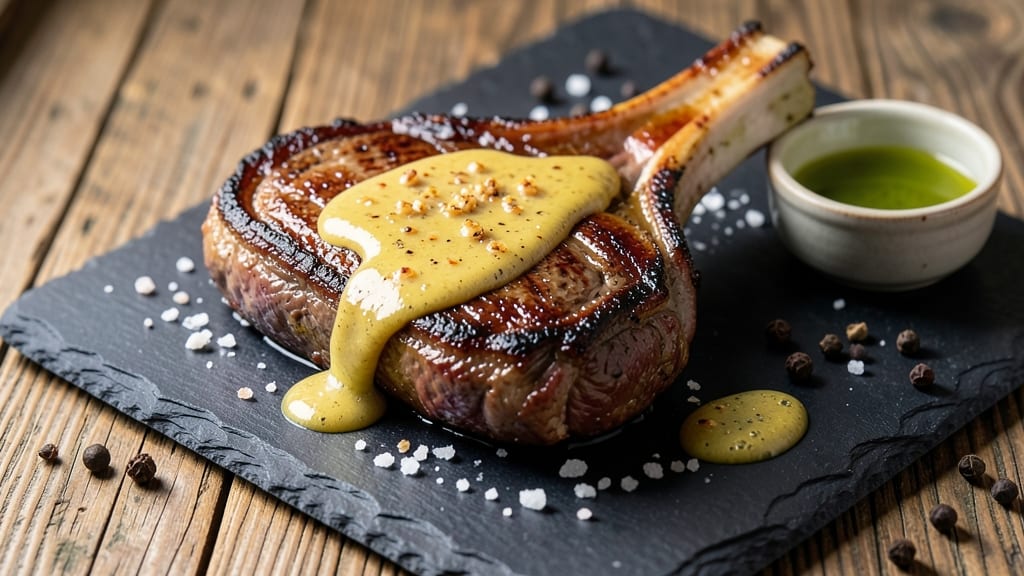
Mastering a baked rib steak recipe with a crispy crust and juicy pink centers transforms weeknight dinners into restaurant-quality experiences. The key lies in precise temperature control and a methodical approach—no guesswork, just consistent results every time.
I’ve perfected this technique after years of experimentation, ensuring the steak emerges with a caramelized exterior while maintaining that tender, pink interior we all crave.
This method relies on baking at 375°F to 400°F, which creates the ideal environment for even cooking without overpowering the natural flavors of the rib steak.
A simple seasoning blend of coarse salt, black pepper, and garlic powder sets the foundation, while a pat of butter basted during the final minutes elevates the flavor to new heights. The result? A steak that’s crispy on the outside, succulent within, and impossible to resist.
What makes this recipe stand out is its foolproof nature—no fancy equipment required, just a baking sheet, oven, and patience. The steak rests for 10 minutes after baking, allowing the juices to redistribute, ensuring every bite is as tender as the first.
Whether you’re cooking for a special occasion or a casual family dinner, this method delivers professional-quality results with minimal effort.
Pair your perfectly baked rib steak with classic sides like roasted garlic mashed potatoes or a fresh garden salad to complete the meal. The versatility of this recipe means it works equally well for medium-rare or medium doneness, making it adaptable to any preference.
Ready to elevate your steak game? Let’s get started.
Ingredients for baked rib steak
Nine essential components for restaurant-quality rib steak with crispy crust and juicy pink centers.
| Ingredient | Amount | Notes |
|---|---|---|
| Rib Steak 🥩 | 1 ½ lb | Bone-in, 1-1.5 inch thick |
| Unsalted Butter 🧈 | ½ cup | Cold, cubed for basting |
| Coarse Kosher Salt 🧂 | 1 ½ tbsp | Diamond Crystal preferred |
| Freshly Ground Black Pepper 🌶️ | 1 tbsp | Cracked, not powdered |
| Garlic Powder 🧄 | 1 tsp | Freshly toasted preferred |
| Extra-Virgin Olive Oil 🫒 | 1 tbsp | For coating baking sheet |
| Fresh Rosemary 🌿 | ½ tsp | Finely chopped, optional |
| Fresh Thyme Leaves 🌿 | ½ tsp | Finely chopped, optional |
| Garlic Cloves 🧄 | 2 cloves | Minced for seasoning |
The rib steak selection is critical—look for cuts with good marbling and 1-1.5 inch thickness for even cooking. Costco or Whole Foods typically carry premium ribeye or New York strip with ideal fat distribution. If buying from a butcher, request the steak be dry-brined overnight—this enhances crust formation. For best results, bring the steak to room temperature before baking, which ensures even cooking. The cold butter cubes are non-negotiable; they render during baking, creating a flavorful crust.
Substitutions must prioritize fat content and texture. Sirloin or filet mignon won’t yield the same crust, but ribeye works similarly. Short on garlic powder? Fresh minced garlic at double the amount delivers superior flavor. The herbs are optional but recommended—dried thyme at one-third the amount suffices if fresh isn’t available. For salt, Maldon flaky salt creates a stunning crust, though Diamond Crystal remains the professional standard. The olive oil should be lightly fruity, not peppery—California extra-virgin brands excel here.
Prep ahead by seasoning the steak 4-24 hours in advance and storing it uncovered in the fridge. This allows the salt to penetrate deeply. For storage, wrap the cooked steak tightly in foil and refrigerate for up to 3 days or freeze for 3 months. Reheat gently in a 375°F oven for 10-15 minutes to maintain moisture. The basting butter should be cold and cubed—never melted, as this prevents proper crust formation.
Why You'll Love This Recipe
- No-Fuss Seared Edge: I swear by this trick—just a hot pan for 30 seconds on each side before baking. That butter and garlic powder melt into a caramelized crust while the inside stays juicy. (Yes, even if you burn the garlic a little. It’s fine.)
- Butter-Basted Magic: The secret’s in the butter—slathered on thick, then baked until it pools in golden rivers. That rich, garlicky fat bastes the steak while it cooks, turning it into something dangerously tender. My husband licks the pan when I’m not looking.
- Weeknight to Dinner Party: Same recipe, two vibes. Slap it on a sheet pan for a lazy Tuesday, or plate it with roasted potatoes and asparagus for guests. The salt and pepper balance makes it feel fancy without the fuss—no one will guess it’s basically a hands-off bake.
- Leftovers That Don’t Suck: Cold rib steak? Actually good. Slice it thin, toss with a drizzle of that leftover butter, and you’ve got a lunch that’ll fool anyone. (Between us, I make extra just for this.) Plus, it’s cheaper than takeout—win.
Step-by-step instructions for baked rib steak with crispy crust
Master this technique and you'll achieve a perfectly seared crust with tender pink centers every time.
Prepare the Rib Steak for Maximum Flavor and Crisp
Begin by patting the 1.5 lb rib steak completely dry with paper towels—this is critical for achieving that crisp crust. Remove any silver skin or excess fat, leaving about ¼-inch thickness. The bone-in cut will help stabilize the shape during cooking, so don't trim it away.
In a small bowl, combine the 1.5 tbsp coarse kosher salt, 1 tbsp freshly ground black pepper, 1 tsp garlic powder, 0.5 tsp finely chopped fresh rosemary, 0.5 tsp fresh thyme leaves, and the 2 minced garlic cloves. Rub this mixture generously over all surfaces of the steak, pressing it into the meat so it adheres well. Let the seasoned steak rest at room temperature for 30 minutes—this allows the seasoning to penetrate and the meat to cook more evenly.
Create the Butter Baste for Unmatched Crust Development
Preheat your oven to 425°F with a rack positioned in the lower third of the oven. Cut the 0.5 cup unsalted butter into 12 even cubes and place them in a small bowl. I like to use a kitchen scale for precision here—each cube should weigh about 10 grams.
Line a rimmed baking sheet with aluminum foil and brush it lightly with 1 tbsp extra-virgin olive oil. This creates a nonstick surface while preventing the steak from sticking to the pan. Place the seasoned steak fat-side up on the prepared sheet, leaving about 1-inch clearance on all sides for even heat circulation.
Bake with Butter Basting for Perfect Crust and Juiciness
Place the baking sheet in the preheated oven and immediately begin basting with the butter cubes. Every 5 minutes, remove the steak and spoon about 2 tablespoons of melted butter over the top, pressing it into the meat. This basting technique creates a golden-brown crust while infusing incredible flavor. Continue basting for a total of 20 minutes.
After 20 minutes, flip the steak and baste the opposite side in the same manner. Return to the oven and continue basting every 5 minutes until the internal temperature reaches 125°F for medium-rare (about 25-30 minutes total). The crust should be deep golden brown with visible caramelization, while the internal color remains vibrant pink.
Rest and Slice for Optimal Texture
Remove the steak from the oven and transfer it to a cutting board. Let it rest for 10-15 minutes before slicing—this resting period allows the juices to redistribute throughout the meat. The temperature will rise about 5°F during resting, so don't worry if it doesn't reach your target temperature immediately.
Slice the steak against the grain into ½-inch thick pieces. Each slice should have a beautiful crust on the outside and a juicy pink center. The butter basting creates a rich, flavorful crust that contrasts perfectly with the tender meat. Serve immediately with your favorite sides to enjoy the full experience of this perfectly baked rib steak.
Pro Tips For Making Baked Rib Steak
- Sear First, Bake Second: Start with a screaming-hot cast-iron or oven-safe skillet—no butter yet—just 2 minutes per side until deep brown. That crust locks in flavor better than any baking alone. I used to skip this and wondered why my steaks tasted like they were missing something.
- Salt Like It’s 1985: Kosher salt isn’t just for the surface—rub it into the rib steak’s crevices, especially the fat cap, at least 40 minutes before baking. The salt dissolves into the meat, not just the crust, and the butter will cling like it’s magnetized. (Yes, even if you’re impatient like me.)
- Butter the Fat, Not the Meat: Melt the unsalted butter and brush it only over the fat cap and edges—about 1 tablespoon—before baking. The fat renders down, basting the steak as it cooks, while the meat stays juicier. I learned this the hard way after drowning my steak in butter and ending up with a soggy mess.
- Check Temp with a Thermometer: Pull the steak at 120°F for medium-rare (yes, it’ll rise to 130°F while resting). Stabbing with a knife? You’re guessing—and that’s how you end up with a dry, overcooked rib steak. A cheap instant-read thermometer changes everything. (Your future self will thank you.)
Wine and beer pairings for this recipe
Bold Red Wine Pairings
Aged Cabernet Sauvignon from Napa Valley is my go-to choice for this rib steak—its bold tannins and dark fruit flavors stand up to the rich, buttery crust while complementing the steak’s natural beefy notes.
Look for a bottle with 12-15% ABV and at least 2 years of aging to ensure smoothness. I recommend Caymus Vineyards or Opus One for a luxurious experience that won’t break the bank. 🍷
Medium-Bodied Reds
If you prefer something slightly lighter, a Merlot from Washington State offers velvety texture and plum flavors that harmonize beautifully with the steak’s crust. Choose a bottle with 13-14% ABV and 12 months of oak aging—brands like Chateau Ste.
Michelle deliver consistent quality. The lower tannins make it more approachable for those who find Cabernet too robust.
Malbec for Bold Lovers
For adventurous palates, Argentinian Malbec brings a perfect balance of dark fruit and spice that pairs exceptionally well with the butter-basted crust.
Opt for a bottle from Mendoza with 14-15% ABV and 18 months of aging. Catena Zapata or Trapiche are excellent choices that offer great value for their quality. The fruit-forward profile cuts through the richness of the steak beautifully.
Beer Pairings
A rich, malty Belgian Dubbel like Westmalle Tripel or Chimay Blue provides a surprising yet delightful contrast to the steak’s buttery crust. The caramel and spice notes in these beers enhance the steak’s flavor profile without overpowering it.
For a lighter option, a German Helles Lager (like Weihenstephaner Original) offers crispness that cleanses the palate between bites.
Non-Alcoholic Options
For those avoiding alcohol, a well-crafted sparkling grape juice like Martinelli’s Sparkling Cider or a ginger beer with a touch of lime (like Thomas Henry’s) provides refreshing acidity that complements the steak’s richness. The effervescence helps cut through the fat, making each bite feel lighter. 🥤
Nutrition facts
Frequently asked questions
Why does the recipe call for room temperature steak?
Bringing the steak to room temperature ensures even cooking throughout. Cold meat creates steam when exposed to high heat, which can lead to uneven doneness or a tough exterior. Let it sit for 30 minutes before baking—this simple step guarantees a perfectly cooked steak every time.
Can I use a different cut of steak instead of rib steak?
Ribeye or New York strip work beautifully with this method, as they have similar fat content and thickness. Avoid lean cuts like sirloin or filet mignon—they lack the fat needed for a crispy crust. For best results, stick to cuts 1-1.5 inches thick with good marbling.
How do I know when the steak is done without a meat thermometer?
For medium-rare, press the center with your finger—it should feel slightly soft but spring back. The crust should be deep golden brown, and the internal color should remain vibrant pink. If unsure, err on the side of undercooking; the steak will carry over 5°F while resting.
What if my oven isn’t calibrated accurately?
Use an oven thermometer to verify your oven’s temperature. Many home ovens run 25°F hotter or cooler than set. Adjust your baking time by 2-3 minutes per side if your oven runs hot, or increase by 5 minutes if it runs cool. Precision is key for perfect results!
Can I make this recipe ahead of time?
Season the steak 4-24 hours in advance and store it uncovered in the fridge. This dry-brining enhances flavor and crust formation. However, never fully cook the steak ahead—always bake fresh for the best texture. Reheat only if necessary, using a 375°F oven for 10-15 minutes to maintain juiciness.