
Main Courses
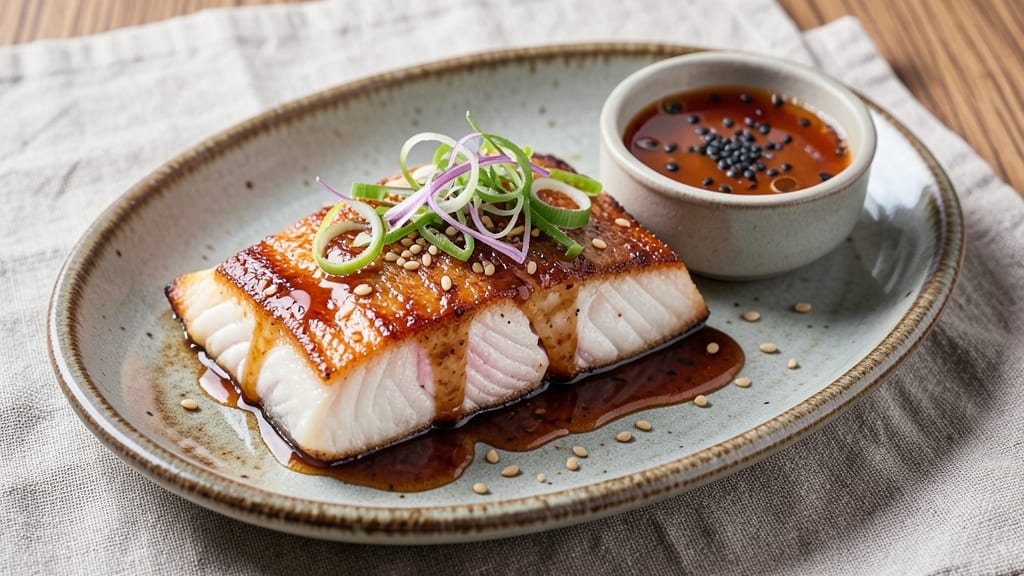
This baked teriyaki fish recipe delivers the perfect balance of caramelized crisp edges and juicy pink centers, transforming simple white fish into a restaurant-worthy dish. The secret lies in a homemade teriyaki glaze that caramelizes beautifully in the oven, creating a glossy finish while keeping the fish tender.
I developed this method after years of testing—no more dry, overcooked fish here.
The process is straightforward but precise: you'll marinate the fish briefly to infuse flavor, then bake it with the teriyaki sauce for a sticky, flavorful crust. The glaze isn't just for show—it locks in moisture while adding depth with soy, ginger, and garlic.
This recipe works beautifully with firm white fish like cod or halibut, but even beginners will achieve professional results.
What you'll end up with is fish that's perfectly cooked through with a glazed caramelized crust that cracks slightly when cut, revealing tender, moist flesh underneath. The aroma of caramelizing teriyaki fills your kitchen, making this dish impossible to resist.
Serve it over steamed rice or with roasted vegetables for a complete meal that's both elegant and satisfying.
This method also works well for meal prep—just store leftovers in the fridge for up to 2 days, though I doubt they'll last that long. The sauce can be adjusted to your preference: sweeter for a more traditional teriyaki flavor or slightly tangier with extra rice vinegar.
Let's get started on creating your perfect baked teriyaki fish.
Ingredients for baked teriyaki fish
The secret to perfect baked teriyaki fish is balancing crispy edges with juicy centers—here's what you'll need.
| Ingredient | Amount | Notes |
|---|---|---|
| White Fish Fillets 🐟 | 4 pieces | Cod or halibut, 6-8 oz each |
| Extra-Virgin Olive Oil 🫒 | 1 tbsp | For oiling baking sheet |
| Sesame Oil 🫒 | 1 tbsp | For finishing glaze |
| Soy Sauce 🍶 | ½ cup | Low-sodium preferred |
| Honey 🍯 | ⅓ cup | Wildflower preferred |
| Rice Vinegar 🍶 | 2 tbsp | For tangy balance |
| Fresh Ginger 🧄 | 2 tbsp | Finely grated, fresh only |
| Garlic Cloves 🧄 | 4 cloves | Minced, fresh preferred |
| Sesame Seeds 🌾 | 1 tbsp | Toasted for garnish |
| Salt 🧂 | 1 tsp | Kosher or sea salt |
| Black Pepper 🌶️ | ½ tsp | Freshly ground |
| Cornstarch 🌾 | 1 tbsp | For sauce thickening |
| Steamed White Rice 🍚 | 2 cups | Cooked, for serving |
The fish is everything here. Cod or halibut are ideal—thick enough to stay juicy but firm enough to hold shape. Grab the freshest fillets you can find, ideally from the seafood counter at Whole Foods or your local fishmonger. Look for fillets with a vibrant color and minimal fishy odor. If using frozen, thaw overnight in the fridge. The olive oil isn't just for flavor—it creates a barrier that keeps the fish moist while baking. I always use extra-virgin for its fruity notes, but any good-quality oil works. For the glaze, low-sodium soy sauce prevents over-salting, and wildflower honey adds depth over plain old table sugar.
No sesame oil? Avocado oil at half the amount works in a pinch, though it lacks the nutty aroma. Substituting honey? Maple syrup or agave keeps things vegan, but honey's caramelization is what gives that signature teriyaki shine. Fresh ginger and garlic are non-negotiable for authentic flavor—dried ginger at half the amount won't cut it. The cornstarch is key for thickening the sauce without making it gluey. For the rice, jasmine or basmati pairs perfectly, but any steamed white rice will do. No rice? Serve over cauliflower rice for a low-carb option. The sesame seeds? Toast them in a dry pan for 30 seconds—they'll add crunch and aroma that can't be matched by the pre-toasted kind.
Prep the fish and sauce ahead if you're short on time—they'll keep 2 days in the fridge. The sauce thickens as it cools, so reheat gently with a splash of water if it seems too thin. Leftovers reheat beautifully in a skillet or microwave (though I won't judge if you eat it cold). For meal prep, portion the fish and sauce separately—freeze for up to 1 month. The rice? Cook a big batch and freeze portions—it reheats perfectly. This dish tastes even better the next day as flavors meld, so plan accordingly.
Why You'll Love This Recipe
- One-Pan Magic: I swear by this for nights when I’m too tired to scrub pots—just toss the fish, drizzle the sesame oil and honey-soy glaze, and let the oven do the work. That golden crust? Zero effort, all flavor.
- Sweet-Savory Balance: The honey cuts through the saltiness of the soy sauce like a dream, while the sesame oil adds this nutty depth that makes it taste way fancier than it is. (Yes, even my picky husband asks for seconds.)
- Meal Prep MVP: Bake a big batch on Sunday, and you’ve got lunch all week—pack it cold for salads or reheat it gently for a quick dinner. The teriyaki stays sticky and delicious, not dry or sad.
- Budget Bright Spot: White fish is affordable, and this recipe stretches it further than takeout ever could. Honestly, I’ve fed four people for under $15 with leftovers to spare—no guilt, just good food.
Step-by-step instructions for baked teriyaki fish
Here's how to achieve that perfect balance of crispy caramelized edges and tender pink centers every time.
Prepare the Glazing Sauce
In a small saucepan, combine the 0.5 cup soy sauce, 0.33 cup honey, 2 tablespoons rice vinegar, 2 tablespoons finely grated fresh ginger, and 4 minced garlic cloves. Bring this mixture to a gentle simmer over medium heat, then reduce the heat to low and let it cook for 5-7 minutes until slightly thickened. You'll notice the aroma becomes rich and fragrant.
While the sauce simmers, whisk in the 1 tablespoon cornstarch to help thicken it further. Continue cooking for another 2-3 minutes until the sauce reaches a glossy, syrupy consistency that coats the back of a spoon. Remove from heat and stir in the 1 tablespoon sesame oil—this adds depth of flavor and helps create that signature teriyaki sheen.
Season and Oil the Fish
Pat the 4 pieces white fish fillets completely dry with paper towels—this step is crucial for achieving crispy edges. Place them on a clean work surface and season both sides generously with 1 teaspoon salt and 0.5 teaspoon freshly ground black pepper. The seasoning should adhere well to the surface of the fish.
Lightly brush both sides of each fillet with 1 tablespoon extra-virgin olive oil. This creates a barrier that helps the fish brown beautifully in the oven. Arrange the fillets on a parchment-lined baking sheet, leaving about 1 inch of space between each piece so they cook evenly without steaming.
Bake the Fish to Juicy Perfection
Preheat your oven to 400°F for 10 minutes to ensure it reaches the proper temperature. While it preheats, spread the teriyaki glaze evenly over the top of each fish fillet, making sure to coat all surfaces. The glaze should look glossy and inviting—this is what creates that beautiful caramelized crust.
Bake the fish for 12-15 minutes until the edges are deep golden brown and the fish flakes easily with a fork at the thickest part. The centers should remain opaque and slightly translucent—this is your visual cue that the fish is perfectly cooked and juicy. If you're unsure, use an instant-read thermometer to check that the internal temperature reaches 145°F.
Finish with Sesame Seeds and Serve
Remove the fish from the oven and immediately sprinkle 1 tablespoon toasted sesame seeds over each fillet. These add a delightful nutty crunch and beautiful contrast to the glossy glaze. Let the fish rest for 2-3 minutes before serving—this allows the juices to redistribute and keeps the fillets moist.
Serve the baked teriyaki fish hot over 2 cups steamed white rice, spooning any extra glaze from the baking sheet over the top. The combination of crispy, caramelized edges with tender pink centers and the aromatic rice creates a truly satisfying meal that delivers on that promised juicy texture. Enjoy immediately while the fish is at its best!
Pro Tips For Making Baked Teriyaki Fish
- Preheat Pan, Not Just Oven: I learned this the hard way—cast iron or stainless steel pans get way hotter than your oven. Toss your fish fillets in the preheated pan for 30 seconds on each side before transferring to the oven. That quick sear locks in moisture and gives you a better caramelized crust than baking alone.
- Pat Dry, Then Salt: Wet fish steams instead of browning. After patting the fillets thoroughly with paper towels, sprinkle a pinch of salt (about ¼ teaspoon per fillet) and let them sit for 5 minutes. The salt draws out any remaining moisture, and those edges will crisp up beautifully in the teriyaki glaze.
- Skip the Raw Honey: If your teriyaki sauce has raw honey, warm it gently in a small saucepan for 1-2 minutes until it’s just runny—no boiling. Cold honey won’t emulsify with the soy and sesame oil, and your sauce will split into greasy pools instead of a glossy coat. (Yes, even if you’re impatient like me.)
- Bake at 375°F, Not 400°F: I used to blast this at 400°F, thinking it’d cook faster, but the fish would dry out before the glaze caramelized. 375°F is the sweet spot—hot enough to cook the fish in 12-15 minutes but gentle enough to let the teriyaki reduce into a sticky, flavorful crust. Cover loosely with foil halfway if your oven runs hot.
Creative variations of baked teriyaki fish
Spicy Sesame Twist
For a kick, add 1 tbsp gochujang (Korean chili paste) and 1 tsp sriracha to the teriyaki glaze before baking. The heat balances beautifully with the sweetness, and the umami from gochujang deepens the sauce.
I like to finish with extra 1 tsp toasted sesame seeds and ½ tsp red pepper flakes for visual pop. 🌶️
Miso-Glazed Fusion
Swap out half the soy sauce for 2 tbsp white miso paste and reduce honey to ¼ cup for a richer, fermented depth. The miso adds a subtle earthiness that pairs perfectly with the caramelized crust.
Serve with steamed bok choy and pickled ginger to cut through the richness. This Japanese-inspired twist feels like a sushi chef's secret.
Sweet Chili Heat
Blend 2 tbsp sambal oelek into the teriyaki glaze for a Thai-inspired version. The sweet chili heat creates a sticky, vibrant sauce that clings to the fish like candy.
Garnish with thinly sliced scallions and crushed peanuts for crunch. Serve over jasmine rice with a side of cucumber salad for a refreshing contrast. 🔥
Honey-Garlic Butter
For a Western twist, replace the sesame oil with 2 tbsp melted butter> and add 1 tbsp minced fresh rosemary to the glaze. The butter creates a golden, buttery crust while the rosemary adds an aromatic touch.
Finish with lemon zest> and a sprinkle of flaky sea salt> for brightness. This version feels like a restaurant-quality upgrade.
Vegetarian Adaptation
Swap the fish for extra-firm tofu> cut into thick slabs. Press the tofu for 30 minutes> to remove excess water, then brush with 1 tbsp aquafaba> before baking.
The teriyaki glaze clings beautifully, creating the same crispy edges. Serve with steamed broccoli> and sesame-ginger dressing> for a complete plant-based meal. 🌱
Meal Prep Hack
For easy prep ahead, bake the fish as directed, then store components separately. Keep the cooked fish in an airtight container> with a paper towel to absorb moisture, and refrigerate the glaze in a separate jar.
Reheat fish in a skillet with a splash of water for 2-3 minutes> per side, then drizzle with warmed glaze. The flavors meld even better the next day! ⏰
Nutrition facts
Frequently asked questions
What's the best fish for this baked teriyaki recipe?
Firm white fish like cod, halibut, or mahi-mahi work perfectly—they hold shape while staying tender. Avoid delicate fish like flounder or sole, which can fall apart. For extra richness, try salmon (cook to 135°F internal temp).
Can I make the teriyaki glaze ahead of time?
The sauce keeps well in an airtight container for 5 days in the fridge or 3 months frozen. Reheat gently with a splash of water to restore its glossy consistency. The glaze actually improves overnight as flavors meld.
Why did my fish turn out dry?
Overcooking is the #1 cause—fish is done when it flakes easily at 145°F (white fish) or 135°F (salmon). Pat fish dry before baking (this prevents steaming) and brush with oil to create a moisture barrier. For extra insurance, bake on a wire rack over a tray.
How can I make this dish spicier?
Add 1 tsp chili flakes or 1 tbsp gochujang to the glaze before baking. For heat control, serve with pickled ginger or sriracha on the side. The sweetness in teriyaki balances heat beautifully—just don't overdo it!
What sides pair best with this dish?
Classic pairings include steamed jasmine rice, roasted broccoli, or quick-pickled cucumbers. For a complete meal, add sesame green beans or miso soup. The sticky glaze works especially well with cold noodles or warm dumplings for contrast.