
Side Dishes
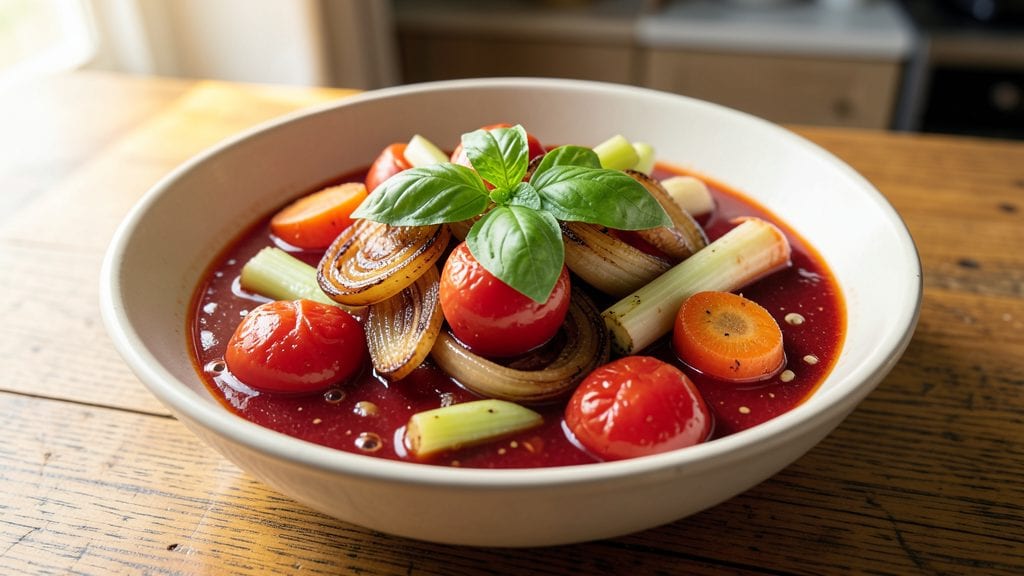
Transforming Ball canned stewed tomatoes into a rich, simmered sauce is a game-changer for home cooks who want restaurant-quality flavor without the fuss. This method preserves the tomatoes' natural sweetness while building depth through slow cooking—perfect for soups, stews, or pasta dishes that need that authentic touch.
The process is straightforward but requires precision to ensure safety and flavor development.
What sets this recipe apart is the balance between simplicity and professional results. You'll start with sterilized jars and fresh tomatoes, then simmer them with aromatic herbs and spices until they break down into a velvety sauce.
The key lies in proper sterilization and processing times, which guarantee both safety and that signature rich texture. This isn't just a pantry staple—it's a flavor foundation.
By the time you're done, you'll have jars of deeply flavorful stewed tomatoes that transform ordinary meals into extraordinary ones. The sauce thickens beautifully when reheated, releasing aromas that fill your kitchen and make every bite taste like it came from a family recipe passed down for generations.
This method ensures you'll always have a reliable, high-quality sauce on hand.
Whether you're prepping for winter meals or stocking your pantry for quick weeknight dinners, this recipe delivers consistent, professional-quality results. The process is foolproof once you understand the critical steps—sterilization, proper cooking times, and sealing techniques. Let's get started on creating your own pantry treasure.
Ingredients for ball canned stewed tomatoes
Fresh tomatoes and simple pantry staples transform into velvety sauce with just 13 ingredients.
| Ingredient | Amount | Notes |
|---|---|---|
| Ball Canned Stewed Tomatoes 🍅 | 2 cans | 14.5 oz each, no salt added |
| Yellow Onion 🧅 | 1 whole | Medium, roughly chopped |
| Celery Stalks 🥬 | 2 pieces | Medium, roughly chopped |
| Carrots 🥕 | 2 medium | Peeled, roughly chopped |
| Garlic Cloves 🧄 | 4 cloves | Peeled, smashed |
| Fresh Basil Leaves 🌿 | ¼ cup | Packed, stems removed |
| Fresh Thyme 🌿 | ¼ cup | Stems removed |
| Extra-Virgin Olive Oil 🫒 | ¼ cup | High quality, fruity |
| Salt 🧂 | 1 tsp | Diamond Crystal kosher |
| Black Peppercorns 🌶️ | ½ tsp | Freshly cracked |
| Sugar 🍚 | 1 tbsp | Granulated, optional |
| Sterilized Mason Jars 🍯 | 4 jars | Pint size, lids included |
| Water 💧 | 1 cup | For sterilization |
The quality of your tomatoes and jars makes all the difference. Ball canned tomatoes are ideal—they're pre-sterilized and consistent, but if you're using fresh, choose ripe, vine-ripened tomatoes with minimal seeds. For jars, Ball or Kerr pint-sized mason jars are the gold standard (they seal better than quart sizes for sauces). The fresh herbs? Grow your own or grab from the grocery store's produce section—they need to be vibrant, not wilted. If you're using dried herbs, cut the amounts in half, but fresh is worth the extra effort here.
No fresh basil? Dried basil works at one-third the amount, but you'll miss that bright, fresh flavor. Short on garlic? Garlic powder at half the amount gets you close, though fresh is always better. The sugar is truly optional—skip it if you prefer tartness, but it helps balance acidity in some tomato batches. For the olive oil, any good quality works, but avoid heavily flavored varieties. The carrots and celery add natural sweetness and depth, so don't skip them—even if you're in a hurry, chopping them takes just 5 minutes.
Sterilize your jars and lids in boiling water for 10 minutes before filling—this is non-negotiable for safety. The sauce keeps beautifully for 12-18 months in a cool, dark pantry. I always label mine with the date and what they're for (soup, pasta, etc.). Reheat gently on the stove—never microwave directly from the jar. The flavors actually improve over time, so make extra if you can. Portion into smaller jars for gifts—people will think you're a culinary genius.
Why You'll Love This Recipe
- Pantry in Minutes: I swear by this when I forget to meal prep. Just open a can of those rich, chunky Ball stewed tomatoes, toss in roughly chopped onion, celery, and carrots—no fancy knife skills needed—and let it simmer. The worst part is waiting for the garlic to soften.
- Sweet-Savory Magic: That first spoonful of caramelized tomatoes with crispy edges? It’s the kind of flavor that makes you pause mid-bite. The onions mellow into sweetness while the garlic cloves deepen into warmth—like a hug in a bowl. (Yes, even on a Tuesday night.)
- Leftovers That Don’t Lie: This stew thickens beautifully overnight, so the next day it’s even better—richer, deeper, and perfect for reheating. I make a double batch because it’s the only way to avoid scraping the pot clean twice.
- Budget-Friendly Staple: Honestly, it’s hard to beat the value: one can of tomatoes, a few veggies from the crisper, and garlic from the jar. It feeds four for under $5 and still tastes like you slaved over it. My college-student self would’ve cried happy tears.
Step-by-step instructions for homemade stewed tomato sauce
Transform simple canned tomatoes into a rich, aromatic sauce perfect for canning or immediate use.
Sauté the Vegetable Base
In a large, heavy-bottomed pot, heat the 0.25 cup extra-virgin olive oil over medium heat. Add the 1 whole yellow onion, 2 pieces celery stalks, and 2 medium carrots, all roughly chopped. Cook for 8-10 minutes, stirring occasionally, until the vegetables soften and the onion becomes translucent.
This foundational step builds flavor through caramelization—don't rush it. When the vegetables release their natural juices and begin to brown slightly at the edges, add the 4 cloves garlic cloves (peeled and smashed). Cook for an additional 1-2 minutes until fragrant, being careful not to let the garlic burn. The aroma will transform your kitchen into a Mediterranean herb garden.
Add Tomatoes and Seasonings
Pour in the 2 cans ball canned stewed tomatoes, crushing them lightly with your hands to break up any large chunks. Stir in the 1 tsp salt, 0.5 tsp black peppercorns (freshly cracked), and 1 tbsp sugar (if using). Bring the mixture to a gentle boil over medium-high heat, then reduce the heat to low and let it simmer uncovered for 30-40 minutes.
During this time, the sauce will thicken as excess moisture evaporates. Stir occasionally to prevent sticking, and taste occasionally to adjust seasoning. You're aiming for a balance between sweetness from the sugar and acidity from the tomatoes. The sugar helps mellow the acidity, creating a more complex flavor profile that will shine in your preserved jars.
Finish with Herbs and Simmer
Once the sauce has thickened noticeably and the vegetables are tender, stir in the 0.25 cup fresh basil leaves and 0.25 cup fresh thyme. Simmer for an additional 15-20 minutes to allow the herbs to infuse their aromatic oils into the sauce. The basil will add bright, sweet notes while the thyme contributes an earthy depth—together they create a herbaceous harmony that elevates the simple tomato base.
After simmering, taste the sauce again and make any final adjustments to seasoning. If it's too thick for your preference, you can thin it slightly with a small amount of water (though this isn't necessary for canning). The sauce should coat the back of a spoon but still be spoonable. This is your perfect balance point between rich and velvety.
Prepare and Fill Sterilized Jars
While the sauce simmers, prepare your 4 sterilized mason jars by placing them in a large pot of boiling water (along with their lids) for 10 minutes. This ensures they're completely sterilized and ready for safe preservation. Remove the jars from the boiling water and keep them hot until you're ready to fill them.
Using a ladle or funnel, carefully fill each jar with the hot stewed tomato sauce, leaving about 1-inch headspace at the top. Wipe the rims of the jars with a clean, damp cloth to ensure a perfect seal. Place the lids on the jars and screw the bands down until they're fingertip-tight.
Process the Jars for Safe Preservation
Return the filled jars to the pot of boiling water, ensuring they're completely submerged by at least 1 inch. Cover the pot and bring the water to a rolling boil. Once boiling, process the jars for 35 minutes for pint-sized jars. This processing time ensures the sauce is safely preserved and free from bacteria.
After processing, carefully remove the jars from the pot and let them cool on a towel-lined counter for 12-24 hours. You'll hear the satisfying "ping" as the lids seal. Once cooled, check that the lids are sealed by pressing down on the center—they shouldn't pop back up. Store your beautifully preserved stewed tomato sauce in a cool, dark place for up to 12 months. This sauce will be the foundation of countless meals, from hearty pasta dishes to rustic braises.
Pro Tips For Making Ball Canned Stewed Tomatoes
- Sauté the Aromatics Slow: Ball canned stewed tomatoes are already cooked, so don’t rush the onion, celery, and carrots—take 8-10 minutes over medium heat until the onion turns deep golden and the celery softens. I used to burn this part every time until I realized patience here means the whole dish tastes richer, not just sweetened by sugar.
- Drain and Rinse the Tomatoes: Those cans come packed in thick syrup, which can make your stew cloyingly sweet. Drain the tomatoes and give them a quick rinse under cold water to cut the excess sugar—this keeps the balance right without diluting the flavor. (Yes, even if the recipe doesn’t say it.)
- Crush Half the Garlic: Whole cloves add aroma, but crushed garlic dissolves faster and blends into the sauce. Use 3 whole cloves for depth and 2 minced for punch—this way, you get both layers of flavor without bitterness. I learned this after one batch tasted like garlic breath.
- Simmer, Don’t Boil: A rolling boil turns stewed tomatoes mushy and one-dimensional. Keep the heat at a gentle simmer (tiny bubbles, occasional swirls) for 20-25 minutes. This lets the flavors meld without breaking down the texture—trust me, your spoon will thank you.
Essential equipment for perfect results
Heavy-Bottomed Pot
Your sauce's foundation starts with the right pot—I recommend a 5-6 quart enameled cast iron Dutch oven like the Le Creuset Signature or All-Clad Stainless Steel. These pots distribute heat evenly and prevent scorching, which is critical when simmering tomatoes for 45-60 minutes.
Avoid thin aluminum or nonstick pans—they can't handle prolonged cooking without hot spots. I've ruined several batches using cheap pots, so invest in quality here. 🔥
Canning Equipment Kit
Skip the guesswork and grab a Ball Complete Canning Kit—it includes everything you need: a canning rack, jar lifter, bubble tool, and lid magnet. The rack ensures jars stay submerged during processing, and the jar lifter protects your hands from hot glass.
For processing, a large stainless steel stockpot (at least 8 quarts) works perfectly. If you're serious about canning, consider a Presto 23-Quart Pressure Canner for larger batches or meat-based recipes.
High-Quality Thermometer
Accurate temperature control is everything when canning. Use a Thermoworks Thermapen ONE to monitor both your sauce's temperature (aim for 185-200°F before canning) and the processing water (212°F for boiling water bath).
I keep mine within arm's reach while processing—it's the only way to ensure safety and consistency. Never rely on the stove's built-in thermometer; they're notoriously inaccurate.
Jar Funnel & Ladle
Filling jars cleanly is easier with a Ball Wide-Mouth Jar Funnel—it prevents spills and makes filling pint jars a breeze. Pair it with a stainless steel ladle (like the OXO Good Grips) to transfer the hot sauce.
The funnel's wide mouth accommodates thick sauces better than narrow spouts. Pro tip: Run the funnel and ladle through the dishwasher between batches to keep them sanitized. 💡
Vacuum Sealer (Optional)
For long-term storage beyond canning, a FoodSaver Vacuum Sealer extends shelf life to 2 years in the freezer. I use it for backup jars or when I've made extra sauce.
The FoodSaver FM2400 handles pint jars perfectly. While not essential for canning, it's a game-changer for meal prep. Just remember: vacuum-sealed sauces should be refrigerated after opening, not recanned.
Cleaning Supplies
Keep a dedicated jar cleaning station with white vinegar, baking soda, and microfiber cloths. After processing, soak jars in hot vinegar water (1:1 ratio) to remove residue, then scrub with baking soda.
I store my supplies in a plastic bin under the sink for quick access. Never reuse lids—they're single-use for safety. Keep a pack of Ball lids on hand; they're the gold standard for sealing.
Nutrition facts
Frequently asked questions
Can I use fresh tomatoes instead of Ball canned stewed tomatoes?
Yes, but you'll need to prep them first! Peel, core, and chop 4-5 pounds of ripe tomatoes (about 8-10 medium tomatoes) and simmer them uncovered for 30-40 minutes to break down the texture before adding other ingredients. Fresh tomatoes work beautifully but require extra cooking time to achieve the same consistency.
How do I know if my sealed jars are properly preserved?
Look for two key signs:
- the lid should be concave (curved inward) when pressed, and
- you'll hear a satisfying "ping" sound as it seals during cooling. After 12-24 hours, press the center again—it shouldn't pop back up. If any jars don't seal, refrigerate and use within 1 week or reprocess them.
Can I adjust the sugar amount in this recipe?
The 1 tbsp sugar is optional and helps balance acidity, but you can omit it completely or reduce to ½ tbsp if your tomatoes are naturally sweet. For tart varieties, try 1-2 tbsp to enhance flavor. Just remember: sugar isn't just for sweetness—it also helps with preservation by increasing the sauce's density.
What's the best way to reheat canned stewed tomatoes?
Gently reheat on the stove over low-medium heat, stirring occasionally, until warmed through (5-10 minutes). Never microwave directly from the jar—it can cause temperature shock and weaken the seal. For best results, transfer to a saucepan first. The sauce will thicken further as it heats, so add a splash of water if needed.
How long will these preserved tomatoes last?
Properly processed and sealed jars will keep for 12-18 months in a cool, dark pantry. The flavor actually improves over time! After opening, refrigerate and use within 1 week or freeze for up to 3 months. Always check for any signs of spoilage (mold, off smells, or bulging lids) before using—when in doubt, throw it out!