
Soups & Stews
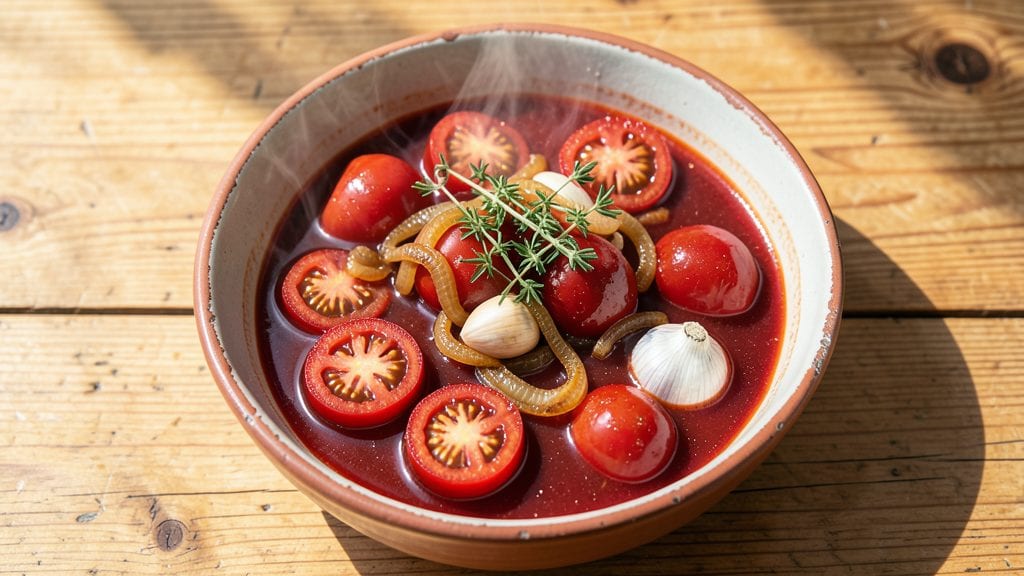
Grandma's old-fashioned stewed tomatoes recipe is the kind of dish that transforms simple ingredients into something deeply comforting and nostalgic. The slow simmering process develops layers of sweetness and herbal depth that store-bought versions simply can't match.
I first learned this recipe from my grandmother, who always said the secret was patience—letting the tomatoes break down just enough to release their natural sugars while keeping the texture rich and jam-like.
What makes this recipe special is its balance of simplicity and tradition. You'll use fresh tomatoes, a touch of sugar to enhance their natural sweetness, and a blend of vinegar and herbs to create that signature tangy depth.
The slow cooking method allows flavors to meld together perfectly, resulting in a sauce that's versatile enough to serve as a side dish, sandwich spread, or even a topping for roasted meats. It's the kind of recipe that feels like a warm hug on a chilly evening.
By the time you're done, you'll have a batch of stewed tomatoes with a glossy sheen and a texture that's just right—thick enough to coat the back of a spoon but still spreadable.
The aroma alone will transport you back to your grandmother's kitchen, where every meal felt like a celebration. This is the kind of dish that gets better with time, both in the pot and in your memory.
The beauty of this recipe is its versatility—use it as a side for grilled meats, spread it on fresh bread, or serve it alongside roasted vegetables. It's a classic that never goes out of style, and once you try it, you'll understand why it's been a family favorite for generations.
Let's get started on recreating this timeless dish.
Ingredients for grandma's old fashioned stewed tomatoes
Fresh tomatoes, herbs, and a touch of sugar transform into nostalgic, slow-simmered sweetness.
| Ingredient | Amount | Notes |
|---|---|---|
| Fresh Tomatoes 🍅 | 4 lb | Roma or vine-ripened, halved |
| Yellow Onion 🧅 | 1 whole | Medium, chopped |
| Garlic Cloves 🧄 | 4 cloves | Peeled, lightly crushed |
| Granulated Sugar 🍚 | ½ cup | White or light brown |
| White Vinegar 💧 | ¼ cup | Distilled preferred |
| Fresh Thyme Leaves 🌿 | 1 tbsp | From 2 sprigs, stems removed |
| Fresh Basil Leaves 🌿 | ½ cup | Chopped, stems removed |
| Salt 🧂 | 1 tsp | Kosher or sea salt |
| Ground Black Pepper 🌶️ | ½ tsp | Freshly ground preferred |
| Olive Oil 🫒 | 2 tbsp | Extra-virgin for richness |
| Bay Leaves 🍃 | 2 whole | Dried, removed before serving |
| Fresh Parsley 🌿 | ¼ cup | Chopped, for garnish |
The tomatoes are the heart of this dish, so pick ripe but firm ones—the kind with vibrant color and minimal bruising. I always grab Roma tomatoes from the farmers market when they're in season, but grocery store vine-ripened work too. If you can't find fresh, canned San Marzano tomatoes (drained and crushed) are a solid backup. The onions and garlic should be fresh too—no sad, sprouting bulbs. For the herbs, fresh thyme and basil make all the difference, but dried works in a pinch (use half the amount). The sugar is key here—it's not just sweetening, it's helping those tomatoes break down and release their natural flavors. I like to use light brown sugar sometimes for a hint of molasses depth, but white works perfectly fine.
No fresh basil? Dried basil or oregano at half the amount will still give you that herbal note. Running low on vinegar? Apple cider vinegar works too, though it'll have a slightly different tang. The olive oil is just for preventing sticking—you could use butter if you're feeling fancy, but it's not necessary. If you're short on time, pre-chopped onions and garlic from the store are totally fine, but I always chop mine fresh for that extra flavor. The bay leaves add depth but can be skipped if you're not a fan—just remember to remove them before serving. For a smoky twist, add a dash of smoked paprika at the end.
This sauce tastes even better the next day as the flavors meld together. Store it in an airtight container in the fridge for up to 5 days, or freeze portions for up to 6 months. I like to portion it into small jars so it's ready for quick use—perfect for sandwiches, grilled meats, or even a quick pasta sauce. The texture will thicken as it cools, so just add a splash of water or vinegar to loosen it up if needed. And trust me, the aroma alone will make your kitchen feel like Grandma's.
Why You'll Love This Recipe
- Just Five Ingredients: I swear, this recipe’s pantry-friendly. No fancy shopping—just tomatoes, onion, garlic, sugar, and vinegar. That’s it. The kind of simplicity that makes me feel like I’m cheating when I pull it off.
- Sweet-Sour Magic: Between us, the sugar and vinegar combo is chef’s kiss. The tomatoes caramelize into this glossy, jammy texture while the acidity cuts through—bright, tangy, and just sweet enough. It’s the kind of flavor that lingers, making you reach for seconds without thinking.
- Pantry Staple Power: Here’s what sold me—this stuff lasts. I make a big batch and use it all week: drizzled over toast, mixed into eggs, or spooned straight from the jar. No waste, just pure versatility. (Yes, even on a Tuesday night.)
- Budget-Friendly Pantry Gold: Honestly, I’ve never spent less than $5 on ingredients for this. Fresh tomatoes in season? Even better. It’s the kind of recipe that turns grocery store produce into something special without breaking the bank. My wallet and my taste buds thank me.
Step-by-step instructions for Grandma's old fashioned stewed tomatoes
Here's the timeless method that creates that perfect balance of sweetness and herbal depth.
Prepare the Tomatoes and Aromatics
Begin by washing the 4 lb fresh tomatoes thoroughly and cutting them in half crosswise. Remove the cores and any seeds, then chop the tomatoes into ½-inch chunks. Place them in a large mixing bowl.
In the same bowl, add the 1 whole yellow onion that's been chopped into ¼-inch pieces, the 4 peeled garlic cloves that have been lightly crushed, the 2 whole bay leaves, and the 1 tbsp fresh thyme leaves. Give everything a gentle stir to distribute the aromatics evenly through the tomatoes.
Sweeten and Acidify the Mixture
In a separate small bowl, whisk together the ½ cup granulated sugar and ¼ cup white vinegar until the sugar is completely dissolved. This creates a simple syrup that will balance the tomatoes' natural acidity while adding just the right amount of sweetness.
Pour this mixture over the tomato and aromatic mixture in the large bowl. Add the 1 tsp salt and ½ tsp ground black pepper, then stir everything together thoroughly. The tomatoes should be well-coated with the syrup and seasonings. Let this mixture sit at room temperature for 15 minutes while you prepare your cooking vessel.
Simmer the Tomatoes Until Thickened
Heat a large, heavy-bottomed pot over medium heat. Add the 2 tbsp olive oil and allow it to warm through for about 1 minute. Transfer the tomato mixture to the pot, stirring occasionally as it comes to a gentle simmer.
Once the mixture reaches a simmer, reduce the heat to low and partially cover the pot. Let the tomatoes cook for 45-60 minutes, stirring occasionally. You're looking for the mixture to thicken noticeably and reduce by about one-third. The tomatoes should be tender but still hold their shape slightly, with a glossy appearance.
Finish with Fresh Herbs and Rest
After the initial simmering time, stir in the ½ cup chopped fresh basil leaves and ¼ cup chopped fresh parsley. These herbs will add bright, fresh notes that contrast beautifully with the sweet, slow-cooked tomatoes. Continue cooking for another 10-15 minutes until the flavors have melded together perfectly.
Remove the 2 bay leaves before serving. For the best texture and flavor, let the stewed tomatoes rest at room temperature for 10 minutes before serving. This resting period allows all the flavors to settle and the mixture to thicken slightly more. Serve warm as a side dish, over pasta, or as a topping for bruschetta.
Pro Tips For Making Grandma'S Old Fashioned Stewed Tomatoes
- Peel the Tomatoes: Skip the knife and boiling water—my grandmother used a paring knife to slice off the stem end, then plunged the tomatoes into ice water for 30 seconds. The skins slid right off, and the fruit stayed firmer. (Yes, even if you’re impatient like me.)
- Sauté Onions Low and Slow: After burning three batches, I finally figured out: low heat is your friend. Cook the onions in their own rendered fat until they’re deep golden, not brown—about 15 minutes. Rushed onions taste bitter, and that ruins the whole stew.
- Crush Garlic, Don’t Mince: I was skeptical until I tried it—lightly crushing the garlic cloves with the flat side of your knife releases more flavor without burning. Toss it in at the end for a bright, aromatic finish. (No, you don’t need to chop it into oblivion.)
- Add Vinegar Last: This isn’t the prettiest method, but it’s the tastiest: save the vinegar until the very end. Stir it in just before serving—it brightens the tomatoes without making them taste like they’ve been pickling for a week. (Your future self will thank you.)
Perfect pairings for these flavors
Classic Side Dishes
This stewed tomato sauce pairs beautifully with crusty Italian bread or garlic toast—the perfect vehicle for soaking up every last bit of the rich, sweet-savory sauce. I like to serve it alongside roasted chicken thighs or pork chops, where the sauce complements the meat's natural juices.
For a heartier meal, try it with creamy polenta or mashed potatoes—the tangy sweetness cuts through the richness perfectly. 🍞
For a Southern-inspired spread, serve it warm over cornbread or alongside biscuits for breakfast or brunch. The acidity in the tomatoes balances the buttery richness of the bread, creating a comforting combination.
I often make a big batch and serve it as a side for Sunday dinner, where it pairs wonderfully with slow-cooked meats like pulled pork or smoked sausage.
Sandwich Spread
This sauce transforms into an old-fashioned sandwich spread when slightly thinned with a splash of water or vinegar. Spread it generously on toasted sourdough or rye bread with a slice of sharp cheddar or provolone for a nostalgic lunch.
I love adding a few crispy bacon strips or avocado slices for extra richness. For a vegetarian option, layer it with fresh mozzarella, roasted red peppers, and balsamic glaze on a ciabatta roll.
For a classic BLT twist, swap the mayo for this tomato sauce, then top with crispy bacon, lettuce, and tomato. The sweet-tangy flavor elevates the sandwich to new heights.
I also like to use it as a dipping sauce for fried chicken or mozzarella sticks—the contrast of warm, crispy food with cool, tangy sauce is unbeatable. 🥪
Meat Pairings
This sauce is a game-changer for grilled or roasted meats. Drizzle it over grilled steaks or pork chops just before serving to add a glossy, flavorful finish. The sweetness caramelizes slightly when exposed to heat, creating a beautiful crust.
I also use it as a marinade base for chicken thighs—simmer the sauce with the meat for 30 minutes before grilling, then serve it back as a sauce. 🍖
For slow-cooked dishes, like beef short ribs or pulled pork, stir the sauce into the cooking liquid during the last 15 minutes of cooking. The tomatoes will meld beautifully with the meat's natural juices, creating a rich, glossy sauce.
I often serve it as a dipping sauce for potato skins or onion rings—the sweetness balances the crispy, salty exterior perfectly.
Breakfast Serving
Don’t underestimate this sauce’s breakfast potential! Warm it slightly and serve it over scrambled eggs or fried eggs for a Southern-style breakfast hash. The sweet-tangy flavor pairs wonderfully with crispy hash browns or sausage patties.
I also like to drizzle it over pancakes or waffles for a tomato-basil brunch twist—it’s unexpected but delicious. 🍳
For a brunch casserole, layer it with shredded hash browns, cheddar cheese, and bacon in a baking dish, then bake until bubbly. The sauce adds a sweet, tangy depth that ties all the flavors together.
I make this dish ahead of time and reheat it in the oven before serving—it’s always a crowd-pleaser.
Nutrition facts
Frequently asked questions
Can I use canned tomatoes instead of fresh?
For a quick version, use 28 oz canned San Marzano tomatoes (drained and crushed) instead of fresh. Reduce the sugar to ¼ cup since canned tomatoes are sweeter. The texture will be slightly softer, but the flavor remains rich and traditional.
How do I adjust the sweetness level?
Start with the full ½ cup sugar and taste after 30 minutes of simmering. For less sweetness, reduce to ⅓ cup or omit entirely. If you prefer it sweeter, add 1 tbsp more sugar at the end. The vinegar balances the sweetness, so don't skip it!
Can I make this in a slow cooker?
Yes! Combine all ingredients in your slow cooker and cook on low for 4-5 hours or high for 2-3 hours. Stir occasionally to prevent sticking. The texture will be slightly thicker, but the flavors deepen beautifully. Just add a splash of water or vinegar if it gets too thick.
Why did my stewed tomatoes turn out too watery?
This usually happens when the tomatoes weren't cooked long enough or the pot wasn't deep enough. Simmer uncovered for 10-15 extra minutes to reduce the liquid, or stir in 1 tsp cornstarch mixed with 1 tbsp water to thicken. The sauce should coat the back of a spoon but still be spreadable.
What's the best way to store leftovers?
Let the sauce cool completely, then transfer to an airtight container. It keeps in the fridge for 5-7 days or freezes for up to 6 months. For reheating, warm gently on the stove over low heat and add a splash of water or vinegar if needed. The flavors actually improve overnight!