
Main Courses
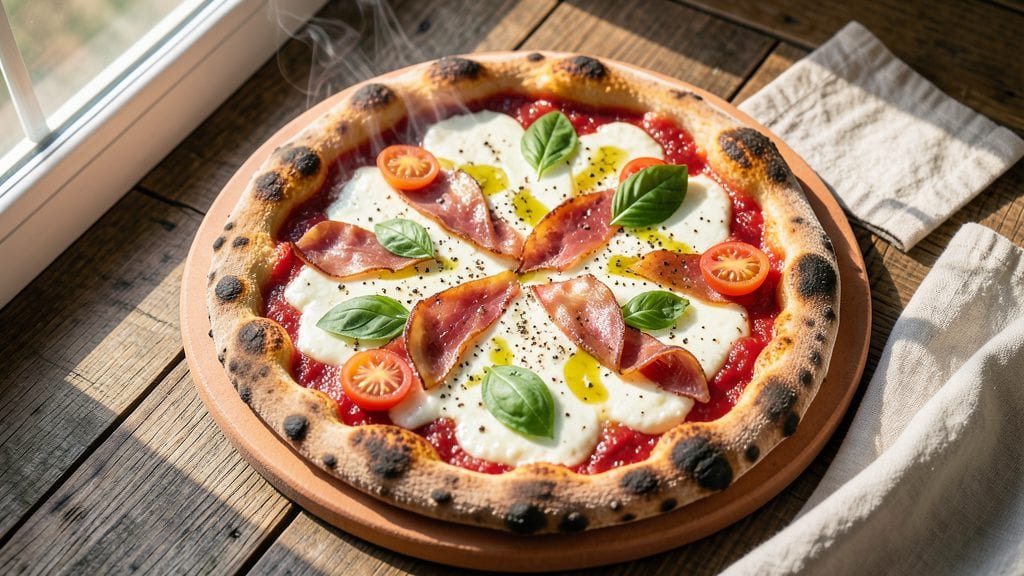
Crafting the perfect Bari pizza brings the soul of Southern Italy to your kitchen—where simple ingredients transform into a wood-fired masterpiece. This Neapolitan-inspired recipe stays true to Bari’s traditions, emphasizing a thin, chewy crust with a crisp yet tender bite.
The secret lies in slow-proved dough and a sauce made with San Marzano tomatoes, creating layers of authentic flavor.
The dough requires patience: a long fermentation period develops its signature chewiness, while the sauce balances acidity and sweetness without overpowering. Toppings like fresh mozzarella, basil, and a touch of aged pecorino elevate each bite.
Baking in a wood-fired oven (or a well-heated home oven) gives that coveted charred edge and airy texture.
What you’ll achieve is a pizza that rivals the best pizzerias in Bari—golden, bubbling, and irresistibly aromatic. The crust stays soft but holds its shape, while the sauce and cheese meld into a harmonious, tangy-sweet experience. This is the kind of pizza that turns ordinary dinners into unforgettable moments.
Serve immediately with a sprinkle of flaky sea salt and a glass of crisp white wine. Whether you’re hosting a gathering or enjoying a quiet evening, this recipe delivers the essence of Bari’s culinary heritage—perfectly executed, every time.
Ingredients for bari pizza
Authentic Bari pizza relies on a few essential ingredients—high-protein flour, San Marzano tomatoes, and fresh mozzarella—crafted for Neapolitan perfection.
| Ingredient | Amount | Notes |
|---|---|---|
| Type 00 Flour 🌾 | 2 ½ cups | High-protein for chewy texture |
| Active Dry Yeast 🍞 | ¼ tsp | Instant yeast preferred |
| Granulated Sugar 🍚 | ¼ tsp | Feeds yeast for activation |
| Warm Water 💧 | 1 cup | 105-110°F for activation |
| Extra-Virgin Olive Oil 🫒 | 2 tbsp | High-quality, fruity variety |
| Diamond Crystal Kosher Salt 🧂 | 1 ½ tsp | Fine grain for even distribution |
| San Marzano Tomato Sauce 🍅 | 1 ½ cups | Canned, crushed tomatoes preferred |
| Fresh Mozzarella 🧀 | 1 lb | Low-moisture alternative works |
| Fresh Basil Leaves 🌿 | ¼ cup | Packed, stems removed |
| Aged Pecorino Romano 🧀 | ¼ cup | Freshly grated for sharpness |
| Garlic Cloves 🧄 | 3 cloves | Minced for sauce |
| Flaky Sea Salt 🧂 | 1 tbsp | For finishing |
| All-Purpose Flour 🌾 | ½ cup | For dusting work surface |
The foundation begins with Type 00 flour, the gold standard for Neapolitan pizza—its low protein content yields a tender yet chewy crust. Caputo brand is the professional choice, but King Arthur or Pillsbury Type 00 work admirably. For yeast, instant yeast eliminates the need for proofing, though traditional active dry yeast requires a brief activation. San Marzano tomatoes are non-negotiable; their natural sweetness and low acidity create the ideal balance for the sauce. When selecting mozzarella, fresh mozzarella from a deli counter offers superior melt and texture, though low-moisture shredded is a practical alternative for convenience. Pecorino Romano should be aged at least 8 months for a robust, sharp flavor that complements the sauce without overpowering it.
Substitutions must preserve the pizza's integrity. No San Marzano tomatoes? Whole peeled tomatoes blended with a pinch of sugar mimic the sweetness, though the texture will differ slightly. Fresh basil unavailable? Dried basil at half the quantity suffices, though it lacks the vibrant aroma. Pecorino Romano can be swapped for Parmesan, but expect a milder finish. For the dough, whole wheat flour can replace up to 20% of the Type 00, though the crust will be denser. Olive oil should never be compromised—extra-virgin with a peppery finish elevates the dough's flavor, while lower-quality oils yield a bland result. Garlic can be omitted entirely for a more traditional approach, though it enhances the sauce's depth.
Proper storage ensures optimal freshness. Fresh mozzarella should be used within 2 days of purchase, while Pecorino Romano keeps for up to 3 months in an airtight container. San Marzano tomatoes remain stable for 18 months unopened, though their quality degrades after opening. The dough can be refrigerated for up to 24 hours or frozen for 3 months—thaw overnight in the refrigerator before shaping. Fresh basil wilts quickly; store stems in a glass of water like flowers to extend freshness by 2-3 days. Pizza toppings should be added just before baking to prevent sogginess, and any leftovers should be consumed within 2 days for peak texture.
Why You'll Love This Recipe
- No-Knead Magic: This dough comes together in minutes—just mix, let rise, and roll. The type 00 flour gives it that perfect balance of chewiness and tenderness without any fuss. I swear, I’ve made it while watching TV.
- Chef’s Kiss Crust: The extra-virgin olive oil and sugar in the dough? That’s the secret. It develops this golden, crispy edge with a soft, pillowy center—no fancy techniques needed. Honestly, the first bite is worth every second of waiting.
- Weeknight Flexibility: Frozen toppings? Fresh basil? Pesto? This pizza plays nice with anything. I’ll toss it together with whatever’s in the fridge—leftovers, store-bought sauce, or even a jar of marinara. It’s my go-to when I’m too tired to plan.
- Budget-Friendly Feast: A bag of type 00 flour and a bottle of olive oil go a long way. I can feed four people for under $10, and there’s always leftovers for lunch. My wallet—and my stomach—thank me every time.
Step-by-step instructions for Bari pizza recipe: Neapolitan-style wood-fired perfection
Mastering this authentic Neapolitan dough requires patience and precision—each step builds toward that signature chewy crust and airy interior.
Activate the Yeast and Create the Dough
In a large mixing bowl, combine the 1 cup warm water, 0.25 tsp granulated sugar, and 0.25 tsp active dry yeast. Let this mixture sit for 5-10 minutes until it develops a frothy foam on the surface—this confirms the yeast is active. If it doesn't bubble, your yeast may be stale, and you'll need to start over.
Next, add the 2.5 cups type 00 flour and 1.5 tsp diamond crystal kosher salt to the bowl. Using a wooden spoon or dough whisk, gently mix until a shaggy mass forms. Then, drizzle in the 2 tbsp extra-virgin olive oil and continue mixing until the dough begins to come together. The dough should feel slightly tacky but not sticky—this indicates proper hydration.
Knead the Dough by Hand for Optimal Texture
Turn the dough onto a lightly floured surface dusted with 0.5 cup all-purpose flour (this prevents sticking and ensures a clean work area). Knead the dough for 8-10 minutes by pressing down firmly with the heels of your hands, then folding and rotating. You're aiming for a smooth, elastic dough that springs back slightly when pressed—this elasticity is what gives Neapolitan pizza its signature chew.
Here's the thing—don't over-knead. Once the dough reaches this stage, it should feel firm yet pliable, like the inside of your cheek. If it resists and feels tough, you've gone too far. Wrap the dough tightly in plastic wrap and let it rest at room temperature for 2 hours, or refrigerate overnight for deeper flavor development.
Prepare the Tomato-Garlic Sauce Base
While the dough rests, create the sauce by combining 1.5 cups san marzano tomato sauce and 3 cloves minced garlic cloves in a small saucepan. Simmer over medium-low heat for 10-12 minutes until the sauce thickens slightly and the garlic infuses its aroma. The sauce should coat the back of a spoon but remain loose enough to spread easily—this ensures it doesn't overwhelm the delicate dough.
Remove from heat and let the sauce cool completely before using. This step is critical: a warm sauce will soften the dough prematurely, making it difficult to shape. Taste the sauce and adjust seasoning with additional diamond crystal kosher salt if needed—Neapolitan pizza relies on bright, balanced flavors, not overpowering saltiness.
Shape and Assemble the Pizza
Divide the rested dough into 4 equal balls (about 8 ounces each) and let them sit uncovered for 15 minutes to relax. On a lightly floured surface, stretch each ball into a 12-inch round, keeping the edges slightly thicker than the center—this creates the classic Neapolitan puff while maintaining a crispy crust. If the dough resists, let it rest another 5 minutes and try again.
Preheat your oven or pizza stone to its highest setting (500°F or higher—wood-fired is ideal, but a broiler works in a pinch). Spread 3-4 tablespoons of the tomato-garlic sauce over each stretched dough, leaving a ½-inch border for the crust. Tear the 1 lb fresh mozzarella into rough chunks and arrange them over the sauce, followed by a sprinkle of 0.25 cup aged pecorino romano and 0.25 cup fresh basil leaves. Finish with a pinch of diamond crystal kosher salt and a few flakes of flaky sea salt for contrast.
Bake for Perfect Crust and Melted Cheese
Transfer the assembled pizzas to the preheated oven or pizza stone. Bake for 10-12 minutes until the crust is deep golden brown with charred spots in places and the cheese is bubbling and slightly browned. The edges should puff dramatically while the center remains soft—this is the hallmark of authentic Neapolitan pizza.
Remove the pizzas and let them rest for 2 minutes before slicing. This resting period allows the cheese to set slightly, preventing a runny mess. Serve immediately with additional flaky sea salt and fresh basil leaves if desired. Each slice should deliver a balance of crispy, chewy, and tender textures with vibrant tomato and garlic flavors.
Pro Tips For Making Bari Pizza
- Dissolve the Sugar First: Skip mixing sugar into the water last—dissolve it first in a splash of warm water before adding to the yeast. I learned this after my dough took forever to activate; the sugar needs to fully integrate, not just sit as gritty bits. Stir until it’s clear, then pour into the flour.
- Stretch, Don’t Roll: Bari pizza dough resists rolling pins—it’s too sticky and elastic. Instead, wet your hands, grab the dough from the center, and stretch it outward with your fingertips, rotating the pan as you go. Sounds messy, but it gives that signature thin, airy edge without tearing.
- Let the Dough Rest Longer: Two hours isn’t enough. Give it at least 3–4 hours at room temp (or overnight in the fridge) for the gluten to fully relax. I used to rush it, and the crust ended up chewy instead of tender. Cover it loosely with a towel—no need for plastic.
- Use Cold Olive Oil: Chill your extra-virgin olive oil in the fridge for 30 minutes before adding it to the dough. Cold oil creates smaller, more even bubbles during baking, leading to a lighter crust. Warm oil makes the dough too soft and gummy—trust me, I’ve made that mistake.
Regional styles of this recipe
Bari's Classic Margherita
Bari's answer to the Margherita pizza is a simpler, more rustic take than Naples' version. Here, the focus is on fresh buffalo mozzarella (not fior di latte) and San Marzano tomatoes reduced until syrupy.
I like to add a pinch of dried oregano to the sauce for that Puglian touch—it's subtle but adds depth. The crust is slightly thicker than Neapolitan, with a crispy yet chewy texture that holds up to the generous cheese. 🌿
Puglian 'Nduja & Olive
This spicy variation hails from the heel of Italy's boot and is Bari's answer to adventurous eaters. Spread the dough with a thin layer of tomato sauce, then layer 2 oz of 'nduja spread (about 2 tablespoons) over the center.
Top with pitted Kalamata olives and shredded pecorino. The heat from the 'nduja pairs perfectly with the briny olives, creating a complex flavor profile that's uniquely Puglian. 🌶️
Seafood Delight
Bari's coastal location means seafood pizza is a staple. After baking the crust, add fresh clams (about 8-10 per pizza) and cherry tomatoes halved. Finish with chopped parsley, lemon zest, and a drizzle of extra-virgin olive oil.
The acidity from the lemon cuts through the richness of the cheese, while the clams add a briny sweetness that's pure Adriatic flavor. 🦪
Traditional Capocollo
For a meat lover's option, use thinly sliced capocollo (cured pork roll) instead of mozzarella. The sauce should be lightly seasoned with black pepper and a splash of red wine vinegar to balance the salty meat.
Add roasted red peppers for sweetness and finish with fresh basil. This version is a Sunday lunch staple in Bari, often served with a crisp white wine. 🍷
Vegetable Foresta
Inspired by Bari's farm-to-table traditions, this version skips cheese entirely. After baking the crust, add sautéed zucchini, eggplant, roasted bell peppers, and artichoke hearts.
Finish with balsamic glaze and fresh arugula. The earthy vegetables shine when paired with the crispy crust, making this a refreshing summer option. 🌱
Sweet Ricotta & Fig
For a dessert pizza, spread the dough with a thin layer of ricotta cheese mixed with honey and vanilla extract. Top with fresh figs sliced in half and toasted walnuts.
Finish with a sprinkle of cinnamon and a drizzle of balsamic reduction. This sweet variation is popular in Bari during harvest season and pairs beautifully with espresso. 🍯
Nutrition facts
Frequently asked questions
What makes Bari pizza different from Neapolitan pizza?
Bari pizza has a slightly thicker, chewier crust than classic Neapolitan pizza, with a focus on rustic simplicity. The dough often includes a touch more olive oil for richness, and the sauce is sometimes reduced to a syrupy consistency. Traditional toppings like 'nduja or capocollo reflect Puglia's bold flavors, while Neapolitan pizza prioritizes minimalist ingredients like San Marzano tomatoes, fresh mozzarella, and basil.
Can I use regular flour instead of Type 00 flour?
While Type 00 flour is ideal for its low protein content (creating that perfect chewy texture), you can substitute with a blend of all-purpose flour and bread flour (70% all-purpose, 30% bread flour). Avoid 100% bread flour—it will make the crust too dense. For best results, use a high-quality Italian "00" flour like Caputo if available, but don't let it stop you from trying!
How do I get the perfect char without a wood-fired oven?
Preheat your oven to its highest setting (500°F or higher) with a pizza stone or steel inside for at least 60 minutes. For extra char, place a metal tray on the lower rack and pour ½ cup water into it 5 minutes before baking. This creates steam, helping the crust puff while the dry heat crisps the edges. A broiler on high for the last 1-2 minutes can also add dramatic browning.
Why did my pizza turn out dense instead of chewy?
Over-kneading or skipping the rest period are common culprits. The dough needs at least 2 hours of rest (or overnight in the fridge) to develop gluten properly. If it feels tough after kneading, you've gone too far—stop when it springs back slightly when pressed. Also, ensure your yeast is fresh (it should foam within 5-10 minutes when mixed with warm water).
What’s the best way to reheat leftover Bari pizza?
For crispy crust and melted cheese, place slices on a baking sheet and bake at 400°F for 8-10 minutes. To avoid sogginess, skip the microwave. For a quick fix, use a toaster oven on high for 3-4 minutes, but expect slightly softer edges. Always reheat until the cheese is bubbly and the crust is firm again.