
Sauces & Condiments
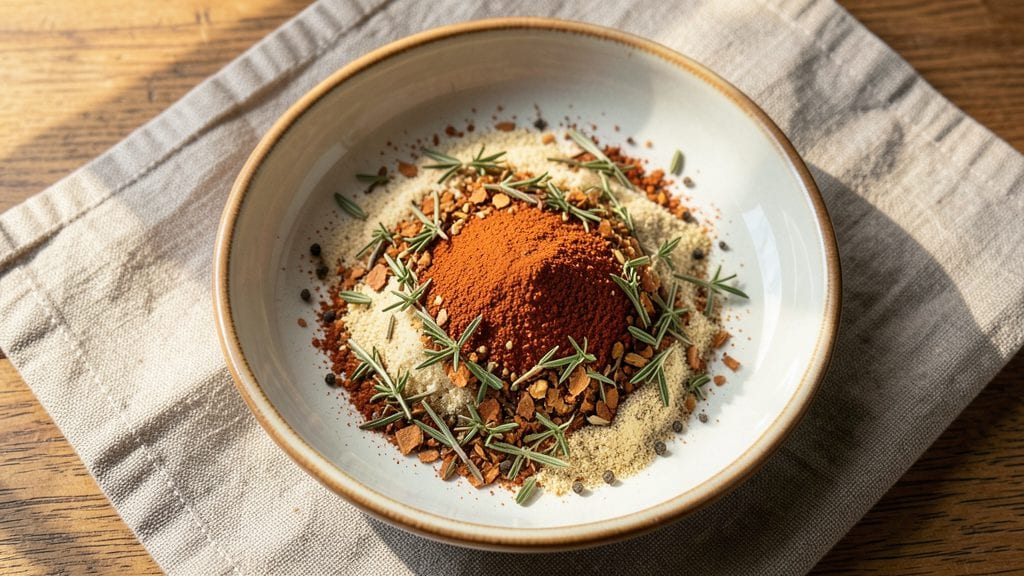
This Everglades seasoning recipe transforms grilling and roasting into a flavor adventure inspired by Florida's wild coastal flavors. The blend of citrus zest, smoked paprika, and fresh herbs captures the essence of the Everglades—bright, aromatic, and just a little smoky.
I developed this mix after years of experimenting with Cajun-inspired seasonings, and it’s become my go-to for everything from seafood to roasted vegetables.
What makes this seasoning special is its versatility and intensity—just a tablespoon or two elevates simple dishes to restaurant-quality. The combination of garlic powder, onion powder, and a touch of cayenne delivers heat without overpowering, while dried thyme and oregano add depth.
It’s perfect for grilling shrimp, seasoning chicken, or even sprinkling over roasted potatoes for a bold, savory kick.
Once you make this blend, you’ll never go back to store-bought seasonings. The spices stay fresh for months in an airtight container, ready to transform any meal.
Whether you’re cooking outdoors or in the oven, this seasoning brings the bold, tangy flavors of the Everglades to your kitchen—simple, professional, and impossible to resist.
Use it on grilled meats, seafood, or vegetables, and store the extra for future flavor adventures. Here’s everything you need to create this foolproof, restaurant-quality blend at home.
Ingredients for everglades seasoning
Simple spices and citrus zest create this restaurant-quality Everglades-inspired blend.
| Ingredient | Amount | Notes |
|---|---|---|
| Smoked Paprika 🌶️ | 2 tbsp | High-quality smoked variety preferred |
| Garlic Powder 🧄 | 1 ½ tbsp | Freshly ground for deeper flavor |
| Onion Powder 🧅 | 1 ½ tbsp | Diamond Crystal preferred for consistency |
| Dried Thyme 🌿 | 1 tbsp | French or English thyme preferred |
| Dried Oregano 🍃 | 1 tbsp | Mexican oregano for authentic flavor |
| Ground Black Pepper 🌶️ | 1 tbsp | Freshly cracked for best flavor |
| Cayenne Pepper 🔥 | ½ tbsp | Adjust for desired heat level |
| Kosher Salt 🧂 | 1 ½ tbsp | Diamond Crystal preferred |
| Ground Coriander 🌿 | 1 tbsp | Toasted for enhanced aroma |
| Lemon Zest 🍋 | 1 tbsp | Fresh, finely grated zest |
The smoked paprika is the heart of this blend—Penzeys or McCormick Gourmet are my go-tos for that deep, smoky character. For the citrus zest, grab a bright, organic lemon (Whole Foods or local markets have the best). Freshly ground spices make a difference, so if you've got a coffee grinder, toast your coriander seeds first (just 30 seconds in a dry pan) before grinding. The Mexican oregano adds that authentic Cajun-inspired depth—don't substitute regular oregano here unless you're okay with a milder profile. I always double-check my cayenne before adding it—start with half the amount and taste as you go.
No smoked paprika? Regular paprika plus a pinch of liquid smoke works in a pinch, but it won't be quite the same. Running out of lemon zest? Orange zest at half the amount gives a different but still bright citrus note. The coriander can be swapped for celery seed at one-third the amount if you're out, though it's more earthy. For heat, red pepper flakes at half the cayenne amount gives a different texture but similar punch. Store-bought seasoning blends? Forget about them—this takes 5 minutes and tastes like you spent hours perfecting it.
This blend keeps for 6-12 months in an airtight container in a cool, dark place. I portion mine into small jars—one for grilling, one for roasting, and one for seafood. The lemon zest loses potency after about 2 months, so if you're not using it all, make a fresh batch with just the zest and spices (without the citrus) for longer shelf life. Freeze extras in ice cube trays if you're not using them within a month—just thaw before using. Trust me, you'll want to make extra.
Why You'll Love This Recipe
- No Measuring Madness: I keep this in a mason jar by my stove—just eyeball a teaspoon of each spice, shake it up, and boom. No scales, no stress, just flavor. Honestly, I’ve made it wrong three times and still ended up with something that made my husband ask for seconds.
- Smoky-Savory Magic: That smoked paprika gives it this deep, almost campfire-like warmth, while the garlic and onion powders sneak in that just-cooked depth. Between us, it’s the kind of seasoning that makes plain grilled chicken taste like it belongs at a backyard BBQ.
- Pantry-to-Plate Flex: Slap it on shrimp for tacos, toss it in ground beef for meatballs, or even sprinkle it over roasted potatoes—it works everywhere. I’ll be real: my lazy Sunday mornings wouldn’t be the same without it on scrambled eggs. Yes, even on a Tuesday night.
- Lasts Forever, Costs Nothing: A little goes a long way, and since it’s just dried spices, it won’t spoil. I’ve had jars of this sitting for months, and it’s still the same reliable, budget-friendly hero. Plus, no wasted leftovers—just endless flavor for pennies.
Step-by-step instructions for Everglades seasoning
This bold Cajun-inspired blend comes together in minutes—perfect for grilling, roasting, or any dish needing that smoky, citrus-kissed heat.
Measure Ingredients Precisely
Start by gathering all your ingredients in a small bowl. I like to use a measuring spoon for each component to ensure accuracy—especially with the cayenne pepper, where even a slight miscalculation can alter the heat level dramatically. The smoked paprika should be a rich, deep red, while the lemon zest will add a bright pop of color and acidity that balances the spices.
Weigh out the 2 tablespoons of smoked paprika, 1.5 tablespoons of garlic powder, and 1.5 tablespoons of onion powder first—they form the aromatic backbone of this blend. The lemon zest should be finely grated, with no pith, to avoid bitterness. If your zest has any white pith, pick it out carefully; it can overpower the delicate citrus notes.
Combine Dry Ingredients Thoroughly
Add the remaining dry ingredients—1 tablespoon of dried thyme, 1 tablespoon of dried oregano, 1 tablespoon of ground black pepper, 0.5 tablespoon of cayenne pepper, 1.5 tablespoons of kosher salt, and 1 tablespoon of ground coriander—directly into the bowl with the smoked paprika and powders. Use a whisk to break up any clumps and blend everything together for about 1 minute. This ensures an even distribution of heat and flavor throughout the mix.
The coriander adds a subtle citrusy depth, while the thyme and oregano bring earthy warmth. The cayenne pepper should be sprinkled in last to preserve its potency—too much mixing can release its oils prematurely, making the blend too intense before it even hits your dish. If you're sensitive to heat, reduce the cayenne to 0.25 tablespoon and adjust to taste later.
Fold in Lemon Zest for Brightness
Sprinkle the 1 tablespoon of lemon zest over the dry ingredients and gently fold it in with a rubber spatula. The zest should distribute evenly, brightening the blend with its citrusy aroma. This step is where the Everglades seasoning truly comes alive—without the lemon, the spices would feel one-dimensional. The zest also helps balance the smokiness of the paprika, creating a well-rounded profile.
Give the mixture one final stir to ensure the zest is fully incorporated. If you're using this seasoning immediately, you can stop here. For long-term storage, transfer the blend to an airtight container and keep it in a cool, dark place for up to 6 months. The lemon zest will lose its potency over time, so I recommend making fresh batches every few months for the best flavor.
Test and Adjust for Perfect Balance
To ensure your seasoning is well-balanced, taste a pinch directly from the bowl. You should detect a harmonious blend of smokiness, heat, and citrus—with no single spice overpowering the others. If the heat from the cayenne is too intense, add a pinch more smoked paprika or lemon zest to mellow it out. Conversely, if the blend feels flat, sprinkle in a tiny bit more cayenne or black pepper to sharpen the flavor.
This seasoning shines on grilled meats, roasted vegetables, or even as a finishing rub for seafood. For extra depth, let the seasoned dish rest for 5-10 minutes before serving—this allows the spices to penetrate the surface and develop their full complexity. Store any leftovers in a small jar, and you’ll have a versatile, restaurant-quality spice blend ready for your next cooking adventure.
Pro Tips For Making Everglades Seasoning
- Toast the Spices: DESCRIPTION:
- Sift the Powders: DESCRIPTION:
- Measure by Spoon: DESCRIPTION:
- Store in Glass: DESCRIPTION:
Regional styles of this dish
Florida Keys Citrus Twist
In the Florida Keys, this seasoning becomes even brighter with the addition of 1 teaspoon of dried lime zest and ½ teaspoon of ground turmeric for a golden hue. The Keys’ seafood-focused cuisine thrives on this variation—perfect for grilling whole red snapper or shrimp skewers.
I like to add 1 teaspoon of Old Bay seasoning to deepen the coastal flavors, creating a hybrid blend that’s impossible to resist. The turmeric also adds a subtle earthiness that pairs beautifully with tropical fruits like mango salsa. 🍋
Cajun Swamp Influence
For a deeper Cajun-inspired profile, swap the oregano for 1 tablespoon of filé powder (ground sassafras leaves) and add ½ teaspoon of ground allspice. This version is ideal for slow-cooked dishes like blackened catfish or gumbo.
The filé powder gives a unique, slightly nutty depth that’s characteristic of Louisiana bayou cooking. I often use this variation when making Everglades-style jerk chicken, where the smokiness and heat shine through. The allspice adds warmth that complements the citrus perfectly. 🌶️
Coastal Seafood Rub
Transform this into a seafood-specific rub by reducing the cayenne to ¼ teaspoon and adding 1 teaspoon of celery seed for a more delicate heat. This blend is perfect for grilling whole fish like flounder or mahi-mahi.
The celery seed adds a subtle crunch and pairs wonderfully with the lemon zest. I also like to include ½ teaspoon of mustard powder to cut through the richness of fatty fish.
This version is my go-to for Everglades-style ceviche, where the bright citrus and smoky notes elevate the dish. 🐟
Smoky Grilling Blend
For a grilling-focused variation, increase the smoked paprika to 3 tablespoons and add ½ teaspoon of ground cinnamon for a touch of sweetness. This works amazingly on pork shoulder or ribs, creating a caramelized crust with every bite.
The cinnamon adds a subtle warmth that balances the heat, making it ideal for long-cooked meats. I often use this blend when smoking brisket, where the smoky depth becomes even more pronounced. Store this version separately to preserve the cinnamon’s potency. 🔥
Vegetable Roasting Seasoning
To use this on vegetables, reduce the cayenne to ¼ teaspoon and add 1 teaspoon of dried rosemary for an earthy aroma. This blend is perfect for roasting sweet potatoes, Brussels sprouts, or asparagus. The rosemary adds a piney note that pairs beautifully with the citrus and smokiness.
I like to toss the veggies in 1 tablespoon of olive oil and roast at 425°F for 20-25 minutes until caramelized. The result is a dish that’s as flavorful as it is visually stunning. 🥔
Storage Adaptations
For longer shelf life, store citrus-heavy variations (like the Florida Keys twist) in the freezer for up to 3 months. The lemon or lime zest loses potency faster, so freezing preserves its brightness.
For non-citrus versions (like the grilling blend), store in an airtight container at room temperature for up to 12 months. I portion mine into small jars—one for grilling, one for seafood, and one for vegetables—to keep flavors distinct and fresh. 💫
Nutrition facts
Frequently asked questions
What's the best way to store this Everglades seasoning?
Keep it in an airtight container in a cool, dark place for up to 6 months. For longer freshness, freeze citrus-heavy versions (like the Florida Keys twist) for 3 months. The lemon zest loses potency fastest, so store non-citrus variations separately for maximum shelf life.
Can I adjust the heat level in this seasoning?
Reduce the 0.5 tablespoon cayenne to 0.25 tablespoon for mild heat or increase to 1 teaspoon for extra spice. For a different texture, swap cayenne with 0.5 tablespoon red pepper flakes. Always taste as you go to balance flavors.
How much seasoning should I use per pound of meat?
Start with 1 tablespoon per pound for chicken or fish, and 2 tablespoons per pound for heartier meats like pork ribs. For vegetables, use 1 teaspoon per pound and toss with olive oil. The citrus zest adds brightness, so don't overdo it—less is more for delicate dishes.
What's the difference between this and Cajun seasoning?
This blend has a brighter citrus kick from lemon zest and a smokier depth from extra smoked paprika. Traditional Cajun seasoning often includes filé powder and more celery salt, while this focuses on coastal Everglades flavors with thyme, coriander, and a touch of cayenne. Think of it as Cajun meets Florida Keys!
Can I make this seasoning without smoked paprika?
Yes! Mix 1.5 tablespoons regular paprika with 0.5 teaspoon liquid smoke for a similar smoky flavor. The texture will be slightly different, but it works in a pinch. For best results, use high-quality paprika and adjust the liquid smoke to taste.