Soups & Stews
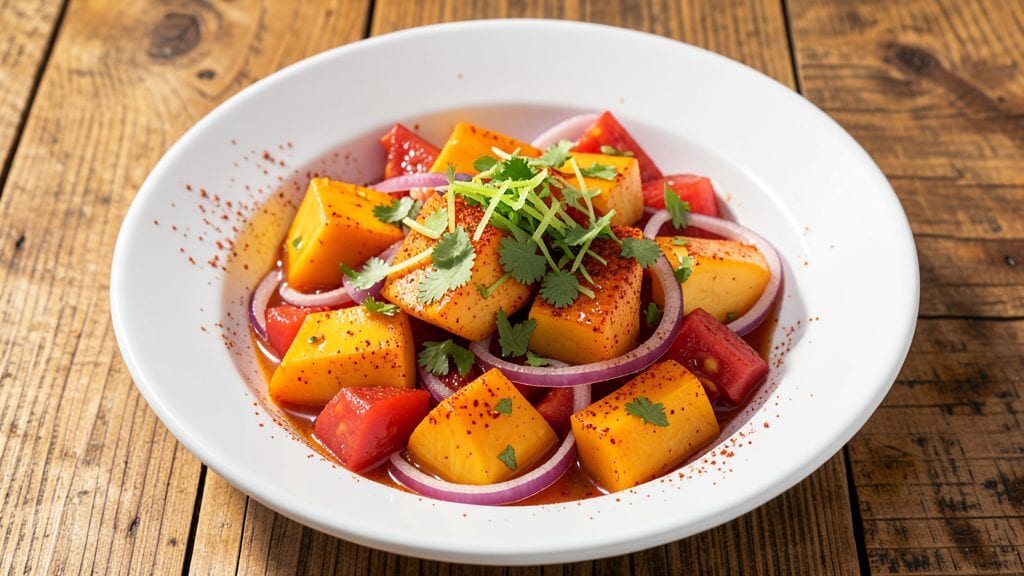
This canned mango tomato salsa recipe transforms pantry staples into a vibrant, no-cook condiment that bridges tropical sweetness with tangy heat—perfect for topping tacos, drizzling over grilled fish, or serving as a refreshing dip.
The secret lies in balancing canned mango’s natural sweetness with diced tomatoes, lime, and a touch of chili powder, creating a sauce that’s ready in 10 minutes with no cooking required.
The beauty of this recipe is its versatility—it works as a marinade for shrimp, a topping for avocado toast, or even a glaze for roasted vegetables. While canned mango might seem unconventional, its jammy texture and mild sweetness elevate the salsa beyond traditional tomato-based versions.
For extra depth, I recommend adding fresh cilantro or a splash of orange juice, but the base recipe delivers bold flavor even without them.
What you’ll end up with is a bright, chunky salsa with a perfect balance of sweet, spicy, and tangy notes—no soggy ingredients or bland aftertaste. The acidity from lime preserves the freshness, while the chili powder adds a subtle kick that lingers.
This recipe is ideal for meal prep, as it keeps well in the fridge for up to 5 days or can be frozen for longer storage.
Pair it with grilled chicken, black beans, or crispy tortilla chips for a meal that feels both effortless and impressive. The tropical heat makes it a standout for summer gatherings or weeknight dinners when you crave something vibrant without the fuss. Let’s make it!
Ingredients for canned mango tomato salsa
Ten simple ingredients transform into vibrant tropical salsa with no cooking required.
| Ingredient | Amount | Notes |
|---|---|---|
| Canned Mango Pieces in Juice 🍈 | 1 ½ cups | Drained, not syrup-packed |
| Diced Tomatoes 🍅 | 1 ½ cups | Fresh or canned, fire-roasted preferred |
| Fresh Lime Juice 🍋 | ½ cup | Freshly squeezed, no pulp |
| Red Chili Powder 🌶️ | 1 ½ tbsp | Smoked or ancho for depth |
| Fresh Cilantro 🌿 | ¼ cup | Stems removed, loosely packed |
| Red Onion 🧅 | ¼ cup | Finely diced, white part removed |
| Extra-Virgin Olive Oil 🫒 | 2 tbsp | High-quality, fruity variety |
| Diamond Crystal Kosher Salt 🧂 | ½ tsp | Fine grain preferred |
| Orange Juice 🍊 | 2 tbsp | Freshly squeezed, optional |
| Garlic Cloves 🧄 | 2 cloves | Minced, fresh preferred |
The canned mango is the cornerstone of this recipe, so opt for brands like Dole or Del Monte—they offer the best balance of sweetness and texture. Fire-roasted diced tomatoes add depth without overpowering the tropical flavors, and Trader Joe's or Whole Foods carry excellent pre-diced options. Fresh lime juice is non-negotiable; bottled versions lack the bright acidity needed to balance the sweetness. For chili powder, Penzeys or La Boheme offer superior blends with authentic smoky notes. The cilantro should be vibrant green with no wilting—Mexican markets often carry the freshest bunches.
No fire-roasted tomatoes? Fresh Roma tomatoes or regular canned tomatoes work just fine, though they’ll lack the smoky depth. Substituting bottled lime juice is possible, but add an extra tablespoon of orange juice to compensate for the lack of acidity. Running short on fresh cilantro? Fresh parsley or even basil can mimic the brightness, though the flavor will differ slightly. For a smokier profile, swap red chili powder for smoked paprika or chipotle powder. The orange juice, while optional, enhances the tropical notes—freshly squeezed is ideal, but bottled works in a pinch.
This salsa maintains its vibrant texture for up to 5 days when refrigerated in an airtight container. For longer storage, freeze in ice cube trays—perfect for single-serving portions. To preserve freshness, always keep the lime juice and orange juice separate until ready to mix. The salsa thickens slightly after chilling, so add a splash of water or extra lime juice if it becomes too dense. Garnish with extra cilantro or a drizzle of olive oil just before serving to elevate presentation.
Why You'll Love This Recipe
- No Chopping Needed: I’ll be honest—this salsa comes together with zero knife work. Just dump the canned mango, tomatoes, and cilantro straight into a bowl, squeeze in lime, and toss. The pre-diced tomatoes and canned mango save me from peeling or dicing, and honestly? That’s a win on a Tuesday.
- Sweet Heat Balance: Between us, the mango’s natural sweetness and the red chili powder create this perfect contrast—like a tropical vacation in your mouth. The lime juice cuts through the richness, and the cilantro adds that fresh, zesty punch that makes it feel restaurant-worthy without the fuss.
- Party in a Jar: This salsa is my go-to for potlucks, game day, or even as a quick snack when friends drop by. It’s bright, bold, and pairs with chips, tacos, or grilled fish—no one will guess it’s mostly pantry staples. Plus, it’s the kind of dish that disappears fast, so I always make extra.
- Budget-Friendly Pantry Magic: I make this at least once a month because it’s so affordable—canned mango and tomatoes last forever, and I can adjust the chili powder to my heat tolerance. Leftovers? They keep for a week in the fridge, and honestly, I’d rather have this than takeout any day.
Step-by-step instructions for tropical mango tomato salsa
This vibrant salsa comes together in minutes with no cooking required—just chop, mix, and taste.
Prepare and Drain the Mango Pieces
Open the can of mango pieces and drain them thoroughly, reserving the juice. I like to use my hands to gently press the mango against the strainer to extract any lingering juice, as this liquid will dilute the salsa's intensity. Transfer the drained mango to a large mixing bowl. The texture should be firm but slightly soft—ideal for blending with the other ingredients without turning mushy.
If the mango pieces are particularly large, I recommend cutting them into smaller bite-sized chunks with a sharp knife. This ensures even distribution throughout the salsa and prevents any awkwardly large pieces from standing out. The goal is a uniform texture where every spoonful delivers the same burst of tropical flavor.
Dice and Finely Chop the Vegetables
Peel and finely dice the 0.25 cup red onion, removing any white or tough outer layers. The smaller the dice, the more evenly the onion will distribute throughout the salsa. I like to use a chef's knife for this step, making sure each piece is roughly 1/8-inch in size. Place the diced onion in the mixing bowl with the mango.
Next, mince the 2 cloves garlic into a fine paste using the flat side of your knife or a garlic press. Fresh garlic adds a bright, aromatic depth that canned or powdered versions simply can't match. Add the minced garlic to the bowl, followed by the 1.5 cups diced tomatoes. If using canned tomatoes, drain them well to avoid excess liquid. The tomatoes should be cut into small, even pieces—about 1/4-inch cubes—for a balanced texture.
Combine Wet Ingredients and Season
Measure out the 0.5 cup fresh lime juice and 2 tbsp orange juice, then pour them into the mixing bowl. The acidity from these citrus juices is what brightens the salsa and cuts through the natural sweetness of the mango. Add the 2 tbsp extra-virgin olive oil next, which helps bind the ingredients and adds a silky mouthfeel. Stir gently to distribute the liquids evenly without breaking down the mango or tomatoes.
Sprinkle in the 1.5 tbsp red chili powder and 0.5 tsp diamond crystal kosher salt, then add the 0.25 cup fresh cilantro, stems removed. The chili powder provides a warm, slightly smoky heat, while the salt enhances all the flavors. Fold the cilantro in last—this ensures its vibrant green color remains intact and visible in the finished salsa. Give everything a thorough mix with a wooden spoon or spatula, making sure the spices are fully incorporated.
Taste and Adjust for Balance
Taste the salsa immediately—this is the only step where timing matters. The flavors should be bright, slightly sweet, and tangy with a subtle heat from the chili powder. If the salsa tastes too mild, add a pinch more salt or an extra splash of lime juice. For more heat, sprinkle in a bit more chili powder. If it needs more acidity, add another 1 tbsp lime juice or 1 tsp orange juice. The key is balance: the sweetness of the mango shouldn’t overpower the acidity, and the heat should be noticeable but not overwhelming.
Let the salsa sit at room temperature for 10-15 minutes before serving. This brief resting period allows the flavors to meld and the juices to distribute evenly. Serve it immediately as a dip for tortilla chips, a topping for grilled fish or chicken, or a refreshing side with tacos. The salsa will keep in an airtight container in the refrigerator for up to 5 days, though it’s best enjoyed fresh.
Pro Tips For Making Canned Mango Tomato Salsa
- DRAIN THE MANGO JUICE: Drain those canned mango pieces completely—don’t just shake them. The extra syrup makes your salsa watery and dulls the flavors. I learned this the hard way after serving a batch that tasted more like mango syrup than salsa.
- TOSS TOMATOES FIRST: Chop the tomatoes and let them sit in a colander for 5 minutes before mixing. This removes excess moisture without cooking them, keeping your salsa bright and chunky instead of mushy.
- SALT THE TOMATOES: Sprinkle a pinch of salt over the diced tomatoes before mixing everything. It draws out more liquid, balances the sweetness, and makes the lime and chili flavors pop. Skip this, and your salsa will taste flat.
- STIR IN CILANTRO LAST: Add fresh cilantro right before serving—it wilts fast and turns bitter if mixed in too early. If you’re prepping ahead, store it separately and fold it in just before eating for maximum freshness.
Health benefits of this recipe
Vitamin C Boost
This tropical salsa packs a serious vitamin C punch thanks to the lime juice, orange juice, and tomatoes. A single serving delivers about 30% of your daily vitamin C needs, which supports immune function and collagen production.
The vitamin C also helps preserve the vibrant colors of the mango and tomatoes, keeping your salsa looking as fresh as it tastes. 💪
Antioxidant Powerhouse
The mango contributes beta-carotene and lycopene, powerful antioxidants that combat oxidative stress and inflammation. Tomatoes add lycopene (especially when fire-roasted), which has been linked to heart health benefits. Together, these ingredients create a flavorful way to boost your antioxidant intake without heavy cooking.
The chili powder adds a touch of capsaicin, which may also contribute to anti-inflammatory effects.
Low-Calorie, High-Flavor
At just 80 calories per serving, this salsa delivers bold tropical flavors without the calorie load. The natural sweetness from mango satisfies cravings while the acidity from lime keeps it refreshing.
It’s an excellent option for those watching calories but still wanting vibrant, restaurant-quality flavors. The olive oil adds healthy fats for satiety, making it a balanced condiment. 🌱
Digestive-Friendly Fiber
Both mango and tomatoes contain dietary fiber, which supports digestive health and helps maintain steady blood sugar levels. A serving provides about 3 grams of fiber, contributing to your daily intake. The fiber content also helps balance the natural sugars in the mango, preventing blood sugar spikes.
This makes the salsa a smart choice for anyone looking to add more fiber to their diet without sacrificing flavor.
Hydration Helper
The high water content in tomatoes and mango (about 90% combined) makes this salsa naturally hydrating. The citrus juices add electrolytes, making it a great post-workout snack or a refreshing addition to meals.
The natural juices also help keep the salsa moist and prevent it from drying out, even when stored in the fridge. 💦
No-Cook Nutrient Retention
Because this salsa requires no cooking, it retains all the water-soluble vitamins (like vitamin C) that would otherwise degrade with heat. The gentle mixing process preserves the nutrients while allowing the flavors to meld naturally.
This makes it a perfect example of how simple, no-cook preparations can deliver maximum nutritional benefits with minimal effort. The canned mango actually contains more nutrients than many fresh varieties due to the preservation process, making it an excellent pantry staple for quick, healthy meals.
Nutrition facts
Frequently asked questions
Can I use fresh mango instead of canned?
Fresh mango works beautifully—just peel, dice, and pat dry to remove excess moisture. The texture will be slightly firmer, but you’ll need to adjust the lime juice (add 1 extra tablespoon) to balance the natural sweetness. For best results, choose ripe but firm mangoes to avoid a watery salsa.
How spicy should this salsa be?
The recipe uses 1.5 tablespoons of mild red chili powder for a subtle kick. For more heat, add ½ teaspoon cayenne pepper or a finely diced jalapeño. For a smoky depth, swap the chili powder for 1 teaspoon smoked paprika. Always taste first—you can adjust spice levels to your preference!
Can I make this salsa ahead of time?
Store it in an airtight container in the fridge for up to 5 days. The flavors actually meld better over time, making it perfect for meal prep. For longer storage, freeze in ice cube trays—thaw overnight in the fridge before using. The texture may thicken slightly after chilling, so stir in a splash of lime juice if needed.
What’s the best way to serve this salsa?
This tropical salsa shines as a dip for tortilla chips, a topping for grilled fish or shrimp, or a marinade for chicken or tofu. It also pairs well with avocado toast, tacos, or even as a glaze for roasted vegetables. The bright flavors make it a refreshing addition to any meal, especially during warm weather.
Why does my salsa taste too sweet?
Too much sweetness usually means the acidity needs balancing. Add 1 extra tablespoon lime juice or 1 teaspoon orange juice to brighten the flavors. If the mango was overly ripe, reduce the amount next time or use slightly underripe mango. The key is the sweet-spicy-tangy balance—always taste as you go!