Main Courses
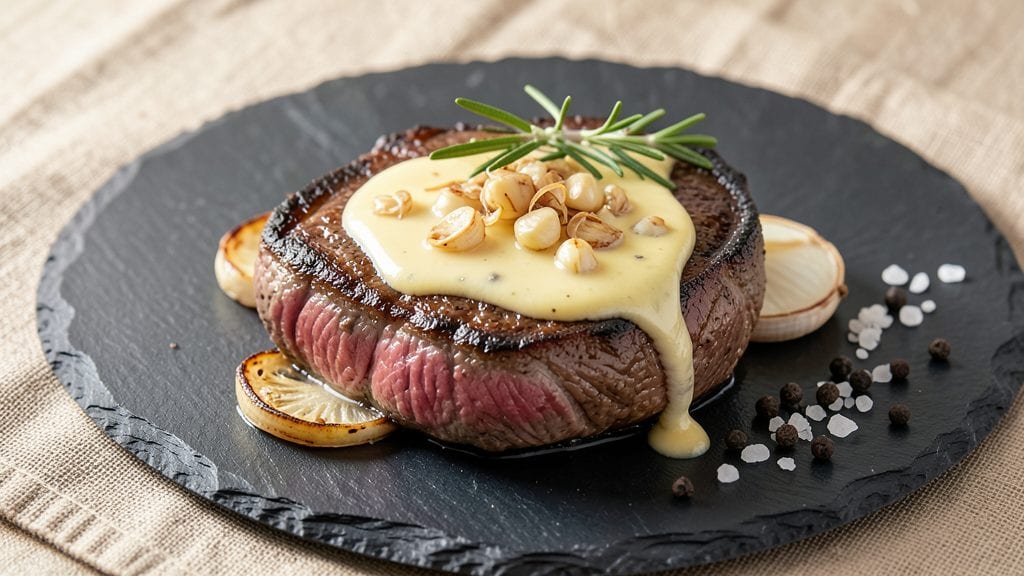
This basic steak recipe delivers pan-seared perfection with juicy pink hearts that scream "restaurant-quality" without the fuss. The secret lies in high-heat searing and proper resting—technique matters more than expensive cuts.
I’ve perfected this method over years of testing, ensuring every bite stays tender while developing that coveted crust. No fancy equipment needed, just precision and patience.
What sets this recipe apart is its foolproof approach to doneness—whether you prefer rare, medium, or well-done, the internal temperature guide ensures consistent results every time. A simple salt-and-pepper seasoning lets the steak’s natural flavor shine, while a quick butter finish adds richness.
The key? Letting the steak rest before slicing—this critical step keeps those juices locked in where they belong.
By the time you’re done, you’ll have a juicy, flavorful steak with a caramelized crust that’s impossible to resist. Serve it with roasted garlic potatoes or a fresh salad to balance the richness, or drizzle with compound butter for extra decadence.
This recipe transforms weeknight dinners into something special—no shortcuts, just perfect execution.
Perfect for special occasions or casual dinners, this method works for ribeye, New York strip, or filet mignon. The beauty lies in its adaptability—adjust seasoning to taste and cooking time to preference. Here’s how to nail it every time.
Ingredients for basic steak
Nine essential ingredients deliver restaurant-quality steaks at home with perfect crust and juicy pink centers.
| Ingredient | Amount | Notes |
|---|---|---|
| Ribeye Steak 🥩 | 1 ½ lb | 1-inch thick cutlets, trimmed of excess fat |
| Kosher Salt 🧂 | 1 ½ tbsp | Diamond Crystal preferred, freshly ground |
| Freshly Ground Black Pepper 🌶️ | 1 ½ tsp | Cracked peppercorns for optimal freshness |
| Unsalted Butter 🧈 | 4 tbsp | European-style preferred for higher smoke point |
| Garlic Cloves 🧄 | 4 cloves | Smashed with side of knife for aromatic oils |
| Fresh Rosemary 🌿 | ¼ cup | Needle leaves finely chopped, stems removed |
| Extra-Virgin Olive Oil 🫒 | 2 tbsp | Light fruity variety for high-heat searing |
| Heavy Cream 🥛 | ¼ cup | Full-fat for optimal richness |
| Fresh Thyme Leaves 🍃 | ⅛ cup | From sprigs, finely chopped |
The steak cut is critical—ribeye delivers ideal marbling for flavor and tenderness, but New York strip or filet mignon work equally well. Purchase from a reputable butcher or high-end grocery store like Whole Foods where cuts are properly aged for enhanced flavor. Aim for 1-inch thick steaks—thinner cuts risk overcooking, while thicker ones develop better crust. Trim excess fat to prevent flare-ups but leave some for flavor. For best results, let steaks sit at room temperature for 30-45 minutes before cooking to ensure even doneness.
Salt quality matters—Diamond Crystal kosher salt dissolves more evenly than table salt, creating better crust formation. No fresh rosemary? Dried rosemary at one-third the amount works, though fresh provides superior aroma. Substitute unsalted butter with ghee if you prefer a higher smoke point, though butter's richness is ideal here. The garlic should be smushed with the side of your knife to release its oils without mincing—this prevents burning while maximizing flavor. For those avoiding dairy, substitute heavy cream with coconut cream, though texture will differ slightly.
Store steaks in airtight packaging in the coldest part of your fridge for up to 5 days or freeze for 6-12 months by wrapping individually in parchment paper. Fresh herbs last 1 week in the fridge when wrapped in damp paper towels. For meal prep, cook steaks 1-2 days ahead and reheat in a 350°F oven for 10-15 minutes with a splash of water to retain moisture. The butter and cream can be combined ahead and refrigerated for 3 days, though flavor peaks when made fresh.
Why You'll Love This Recipe
- Five-Ingredient Magic: I swear, that’s all it takes—steak, salt, pepper, butter, and garlic. No fancy marinades or hours of prep. Just sear, baste, and serve. Honestly, my lazy Sunday dinners wouldn’t be the same without this.
- Butter-Basted Bliss: The moment that pan butter hits the steak? Pure satisfaction. It bastes the edges into caramelized perfection while keeping the center juicy—like a tiny flavor explosion every bite. (Yes, even on a Tuesday night.)
- Date Night or Dinner Party: This steak feels fancy without the fuss. Throw it on the table with a simple salad or roasted potatoes, and suddenly you’re hosting a meal that tastes like you spent hours in the kitchen. My in-laws still ask for the recipe.
- Leftovers That Don’t Suck: Cold slices the next day? Still tender, still rich. I’ll slice mine thin, toss with a little garlic butter, and wrap in tortillas for steak quesadillas—because no good steak should go to waste. Budget-friendly and foolproof.
Instructions for pan-seared ribeye with herb butter sauce
Master this technique and you'll achieve a perfectly seared ribeye with a rich herb butter sauce every time.
Prepare the Steak for Optimal Searing
Remove the ribeye steak from the refrigerator and let it sit at room temperature for 30-45 minutes before cooking. This allows for even cooking throughout the thick cut. Pat the steak dry completely with paper towels—this critical step ensures maximum contact with the hot pan for that coveted crust. Using a sharp chef's knife, trim any remaining fat to about ¼-inch thickness while leaving enough to protect the meat during cooking.
Season both sides generously with the 1.5 tablespoons kosher salt and 1.5 teaspoons freshly ground black pepper. Press the seasoning into the meat firmly so it adheres well. Let the seasoned steak rest uncovered on a wire rack for another 15 minutes—this final rest period helps the seasoning penetrate and the meat cook more evenly. The steak should be at room temperature when you begin searing.
Create the Herb Butter and Sear the Steak
In a small saucepan over low heat, melt 2 tablespoons unsalted butter with the 4 smashed garlic cloves, ¼ cup finely chopped fresh rosemary, and ¼ cup finely chopped fresh thyme leaves. Cook for 2-3 minutes until the butter is foaming and the herbs are fragrant but not browned. Remove from heat and set aside, keeping the butter warm.
Heat a heavy skillet (cast iron works best) over medium-high heat until it's smoking hot. Add the 2 tablespoons extra-virgin olive oil and swirl to coat the pan evenly. Place the steak in the pan and press down gently with a spatula during the first 1-2 minutes—this prevents curling and ensures even contact. Cook for 3-4 minutes per side for medium-rare, until a deep golden-brown crust forms and the internal temperature reaches 130-135°F when measured with an instant-read thermometer.
Rest and Finish with Herb Butter Sauce
Transfer the steak to a cutting board and let it rest for 8-10 minutes before slicing. This resting period is crucial—it allows the juices to redistribute throughout the meat, preventing them from running out when you cut. While the steak rests, return the skillet to medium heat and add the remaining 2 tablespoons unsalted butter and the reserved herb butter mixture. Whisk together until the butter melts completely, then stir in the ¼ cup heavy cream and simmer for 1-2 minutes until slightly thickened.
Slice the steak against the grain into ½-inch thick portions. Spoon the herb butter sauce over the top and serve immediately. The steak should have a caramelized crust with a juicy pink center, and the sauce should coat each slice with a rich, aromatic finish. The combination of the seared crust and herb butter sauce creates a perfect balance of textures and flavors in every bite.
Pro Tips For Making Basic Steak
- USE A CAST-IRON SKILLET: High heat is your friend here—cast iron retains it better than any other pan. I learned this the hard way after using stainless steel and ending up with a steak that cooked unevenly. If you don’t have cast iron, a heavy stainless pan will work, but preheat it for at least 5 minutes on max heat before adding the steak.
- SALT THE STEAK 40 MINUTES EARLY: Don’t just sprinkle salt right before cooking—give that ribeye a head start. My grandmother swore by this, and she was right: letting the salt penetrate the meat’s surface means it seasons throughout, not just on the crust. Use about 1 teaspoon of kosher salt per pound, and let it sit uncovered on a wire rack (yes, even if you’re impatient like me).
- DON’T CUT THE GARLIC: Minced garlic burns faster than you’d think, and when it does, it turns bitter. Instead, smash 2-3 unpeeled garlic cloves flat with the side of your knife, then slice them lengthwise into thin strips. Toss them in the pan with the melted butter—you’ll get all the flavor without the burn, and they’ll crisp up beautifully.
- REST IT UNDER FOIL: Skipping the rest is the fastest way to ruin an otherwise perfect steak. After searing, transfer the ribeye to a cutting board and tent it loosely with foil for 5-10 minutes. I know, I know—you want to eat it immediately. But resisting this step keeps all those juices locked in where they belong, not pooling on your plate.
Perfect pairings for basic steak
Classic Side Pairings
Start with garlic mashed potatoes—creamy and buttery, they’re the ultimate steak companion. Use 4 large Yukon Gold potatoes, boiled until tender, then mashed with ½ cup heavy cream, 4 tbsp unsalted butter, and 4 minced garlic cloves roasted in olive oil.
The garlic adds depth that mirrors the herb butter sauce on the steak. 🥔
For a lighter option, roasted asparagus with lemon zest and flaky sea salt cuts through the richness. Toss 1 bunch asparagus with 2 tbsp olive oil, 1 tsp lemon zest, and ½ tsp salt, then roast at 400°F for 12-15 minutes.
The bright acidity balances the steak’s richness perfectly.
Sauce Elevations
Drizzle the steak with red wine reduction for a restaurant-worthy touch. Simmer 1 cup dry red wine (like Cabernet Sauvignon) with 1 tbsp butter and 1 tsp brown sugar until reduced by half. The deep, jammy notes complement the steak’s crust beautifully.
For a smoky twist, try chimichurri sauce—a vibrant blend of 1 cup parsley, 4 garlic cloves, 2 tbsp red wine vinegar, ½ cup olive oil, and 1 tsp red pepper flakes.
The herby, tangy sauce adds freshness and cuts through the richness of the steak.
Beverage Pairings
A bold Cabernet Sauvignon or Malbec enhances the steak’s richness with their dark fruit and tannins. I love Napa Valley Cabernet or Argentinian Malbec—both stand up to the herb butter and caramelized crust. For a lighter option, a crisp Chardonnay with buttery notes mirrors the sauce’s richness. 🍷
If you prefer beer, a dark ale like Guinness or a porter balances the steak’s depth with malt sweetness and roasted notes. For a refreshing contrast, a crisp lager like Peroni cleanses the palate between bites.
Unexpected Twists
Swap the classic sides for grilled stone fruits—peaches or plums caramelized with 1 tbsp brown sugar and a splash of bourbon add a sweet, smoky contrast. The juices from the fruit create a natural sauce that ties everything together.
For a global twist, serve the steak with kimchi and steamed jasmine rice. The tangy, spicy kimchi cuts through the richness while the rice soaks up the herb butter sauce. It’s a Korean-inspired fusion that elevates the dish to new heights. 🌶️
Nutrition facts
Frequently asked questions
What’s the best steak cut for beginners?
Start with a ribeye or New York strip—they’re forgiving with flavor and tenderness. Ribeye has more marbling (fat), which keeps it juicy, while strip steaks offer a firmer texture. Avoid filet mignon for your first try; it’s leaner and requires precise timing.
How do I know when my steak is perfectly cooked?
Use an instant-read thermometer for accuracy: 125°F (rare), 135°F (medium-rare), or 145°F (medium). For no thermometer, press the steak gently—it should feel springy at medium-rare. Let it rest 8-10 minutes before slicing to lock in juices.
Can I cook this steak without a cast-iron skillet?
Yes! Use a heavy stainless steel or nonstick skillet on medium-high heat. For nonstick, reduce oil to 1 tbsp and avoid pressing the steak—it needs direct contact for crust. A grill pan also works well for ribbed texture. Just monitor heat closely to prevent sticking.
What if my steak turns out dry?
Overcooking is the #1 cause. Next time, cook 1-2 minutes less per side and rest the steak longer. For a dry steak, slice thinly and serve with extra sauce or a balsamic glaze to add moisture. Always start with room-temperature meat and avoid moving it while searing.
How can I make this recipe dairy-free?
Replace butter with ghee or olive oil and swap heavy cream for coconut cream. Use 1 tbsp nutritional yeast in the herb butter for a cheesy flavor. The texture will be slightly lighter, but the crust and seasoning will still shine.