
Sauces & Condiments
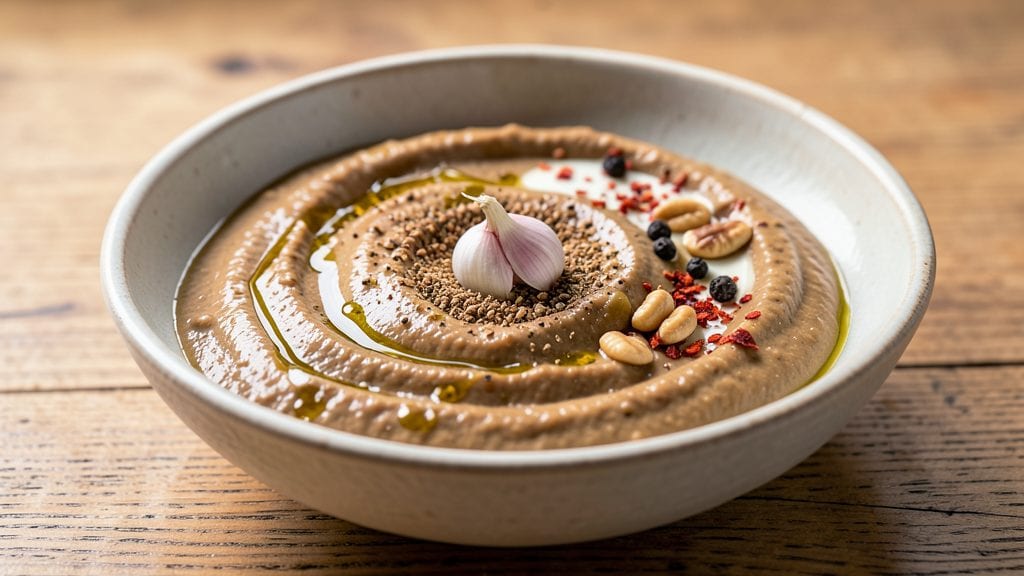
This bean hummus recipe transforms simple pantry staples into velvety-smooth perfection with tahini’s nutty richness at its core. The secret lies in precise blending techniques and ingredient ratios that eliminate grittiness while amplifying flavor.
After years of testing variations, I’ve perfected a method that delivers restaurant-quality hummus every time—no food processor required.
The foundation begins with high-quality chickpeas, blended with tahini, lemon juice, and garlic for a balance of creaminess and brightness. Olive oil adds luxurious depth, while a touch of salt and cumin rounds out the flavor profile.
Unlike store-bought versions, this recipe avoids stabilizers, relying instead on proper technique to achieve that signature silky texture.
What you’ll end up with is a hummus so smooth it practically disappears on your first bite, with tahini’s rich nuttiness cutting through the lemon’s tang. The flavor develops even better after 30 minutes of chilling, making it ideal for meal prep.
Serve with warm pita, fresh veggies, or as a sandwich spread—this is hummus that stands out.
For extra versatility, blend in roasted red peppers for smoky sweetness or beets for earthy depth. Store in an airtight container with a thin layer of olive oil on top to preserve freshness for up to five days. Let’s get blending!
Ingredients for bean hummus
Nine essential ingredients craft restaurant-quality hummus with tahini's nutty depth and chickpeas' velvety texture.
| Ingredient | Amount | Notes |
|---|---|---|
| Canned Chickpeas 🌾 | 1 ½ cups | High-quality, low-sodium preferred |
| Tahini 🥜 | ½ cup | Sesame paste, unsweetened |
| Extra-Virgin Olive Oil 🫒 | ½ cup | Light, fruity variety preferred |
| Fresh Lemon Juice 🍋 | 3 tbsp | From organic lemons, freshly squeezed |
| Garlic Cloves 🧄 | 3 cloves | Fresh, peeled, roughly chopped |
| Ground Cumin 🌿 | ½ tsp | Toasted for deeper aroma |
| Sea Salt 🧂 | ½ tsp | Diamond Crystal preferred |
| Filtered Water 💧 | 2 tbsp | For adjusting consistency |
| Roasted Red Peppers 🌶️ | ¼ cup | Jarred, drained, optional |
The chickpeas are non-negotiable—opt for canned, high-quality brands like Low Sodium Biscuits or Chickpeas from Trader Joe's for superior texture. Tahini should be 100% sesame paste with no additives; Wholesome Sweeteners or Kirkland Signature are reliable choices. Fresh lemon juice is critical for brightness—organic lemons yield more juice and better flavor. For garlic, fresh cloves are essential; pre-minced garlic lacks the aromatic depth. Store tahini in a cool, dark place to prevent rancidity, and keep chickpeas in their liquid until ready to blend for maximum creaminess.
No tahini? Substitute with equal parts peanut butter (though flavor will differ). Short on lemon juice? White wine vinegar works in a pinch, but reduce to 2 tbsp for tang. Garlic powder can replace fresh garlic at half the amount, but texture will be less refined. For the roasted red peppers, jarred versions from California brands are ideal—they’re pre-roasted and ready to blend. If you prefer a smokier profile, add 1/4 tsp smoked paprika directly to the blend. The olive oil acts as both a binder and flavor enhancer; avoid extra-light varieties that lack depth.
This hummus develops best when chilled for 30 minutes before serving—flavors meld and texture improves. Store in an airtight container with a thin layer of olive oil on top to preserve freshness for 5 days. For longer storage, transfer to a freezer-safe container and freeze for up to 3 months. Thaw overnight in the fridge, then blend briefly to restore smoothness. Portion into small containers for meal prep—perfect for lunches or snacks.
Why You'll Love This Recipe
- Five-Ingredient Magic: I swear by this combo—just chickpeas, tahini, olive oil, lemon, and garlic. That’s it. No fancy gadgets, no waiting for beans to soak overnight. The tahini adds that rich, nutty depth while the lemon cuts through the heaviness like a bright summer breeze.
- Garlicky Bliss: Between us, the roasted garlic cloves here? Chef’s kiss. They caramelize just enough to give this hummus a sweet, jammy punch that balances the creamy tahini and tangy lemon. Honestly, I’ve tried store-bought hummus with "garlic" flavor—this is actual garlic magic.
- Party or Pantry: This is my go-to for game day snacks, lazy Sunday brunches, or when I need to feed a crowd without stress. Spread it on toast, dip veggies, or smear it on a sandwich—it’s the MVP of unfussy appetizers. (Yes, even on a Tuesday night.)
- No-Waste Win: A single can of chickpeas and a jar of tahini stretch forever—this batch lasts me a week, and I’m not exaggerating. The leftovers? Even better the next day as the flavors meld. Plus, tahini’s shelf-stable, so I stock up and save money without breaking the bank. Smart, simple, and satisfying.
Step-by-step instructions for bean hummus with tahini's rich depth
Transform simple ingredients into velvety hummus with balanced texture and complex flavor.
Drain and Rinse the Canned Chickpeas
Open the can of chickpeas and drain them completely, reserving ¼ cup of the liquid. Rinse the chickpeas under cold water to remove any residual starch that could make the hummus gummy. I like to give them a thorough rinse in a fine-mesh strainer, shaking gently to remove all traces of canning liquid.
Transfer the drained chickpeas to a food processor or high-speed blender. The quality of your chickpeas matters here—choose those with minimal skin or blemishes for the smoothest texture. If you notice any discolored or soft chickpeas, remove them before processing for optimal results.
Process with Tahini and Olive Oil
Add the 0.5 cup tahini and 0.5 cup extra-virgin olive oil to the food processor with the chickpeas. Pulse the mixture several times to break up the tahini and distribute the olive oil evenly. This step is crucial for emulsifying the tahini, which carries the nutty depth that sets this hummus apart from basic versions.
Stop and scrape down the sides of the processor bowl with a spatula to ensure all ingredients are fully incorporated. The tahini should blend smoothly without any visible streaks. If you encounter resistance, let the mixture sit for 30 seconds before continuing—this allows the tahini's natural oils to soften and blend more easily.
Add Aromatics and Seasonings
Push the pulse button again to combine everything, then add the 3 cloves garlic cloves, 0.5 tsp ground cumin, and 0.5 tsp sea salt. Process until the garlic is finely minced but not pasty. Over-processing garlic can create a bitter aftertaste, so aim for a smooth but still slightly textured consistency.
With the processor running, slowly drizzle in the 3 tablespoons fresh lemon juice through the feed tube. This gradual addition prevents the hummus from curdling. The lemon juice brightens the tahini's richness and balances the earthy cumin. Taste the mixture at this stage—you should detect a harmonious blend of nutty, garlicky, and citrus notes.
Achieve Perfect Texture with Water
Add the reserved ¼ cup chickpea liquid and 2 tablespoons filtered water to the processor. Pulse the mixture until it reaches a silky-smooth consistency, scraping down the sides as needed. The hummus should coat the back of a spoon without being overly thick or runny. If it's too thick, add 1 teaspoon water at a time until you reach the ideal texture.
This step requires patience—don't rush the blending. The hummus should be smooth enough to spread effortlessly but still hold its shape when scooped. The tahini and olive oil combination naturally creates a luxurious mouthfeel, but the water helps achieve the perfect balance between creaminess and structure.
Incorporate Roasted Red Peppers and Rest
Transfer the hummus to a serving bowl and fold in the 0.25 cup roasted red peppers using a silicone spatula. The peppers add a subtle sweetness and vibrant color that elevates the dish. For an even distribution, cut the peppers into smaller pieces before folding them in, ensuring they're evenly dispersed throughout the hummus.
Cover the bowl and let the hummus rest at room temperature for 15-20 minutes. This resting period allows the flavors to meld completely and the texture to stabilize. Serve immediately with warm pita bread, fresh vegetables, or as a dip for crudités. The hummus will continue to improve as it sits, developing even deeper flavor complexity with each passing minute.
Pro Tips For Making Bean Hummus
- Drain and Rinse Chickpeas: The liquid in canned chickpeas is salty and thin—skip rinsing, and your hummus will taste flat. Drain them, then give the drained beans a quick cold-water rinse and shake in the colander. This removes excess starch that turns hummus gummy later.
- Toast Garlic in Oil First: I used to toss raw garlic into the food processor and wonder why the flavor was muted. Now I heat 1 tablespoon of olive oil in a small pan until fragrant, then add minced garlic for 30 seconds—just until golden. Let it cool before mixing into the tahini; this adds depth without bitterness.
- Blend in Stages: Dumping everything at once clogs food processors and leaves you with a lumpy mess. Start with chickpeas, tahini, and lemon juice, then pulse until smooth. Slowly drizzle in olive oil while blending—this emulsifies the tahini properly and prevents separation.
- Use Cold Tahini: Warm tahini releases oils too fast, making hummus greasy and unstable. Scoop it straight from the fridge, let it sit out for 5 minutes max, then measure. Cold tahini blends more evenly and keeps the texture creamy longer. (Yes, even if you’re impatient like me.)
Common mistakes when making your bean hummus
Skipping the Rinse
Never skip rinsing your chickpeas—this is the #1 mistake that turns hummus gummy. The canning liquid contains starch that thickens when blended, creating a gluey texture. I’ve seen home cooks overlook this step and end up with hummus that sticks to the back of the spoon like glue.
Always use a fine-mesh strainer and give those chickpeas a thorough rinse under cold water. 💧
Overblending Tahini
Tahini is delicate—if you blend it too long, it can separate or turn bitter. Pulse just until it’s fully incorporated, then stop. I’ve ruined batches by letting the food processor run continuously, which breaks down the tahini’s natural oils and creates a soapy taste.
The goal is smoothness, not a paste. Let it rest for 30 seconds between pulses if needed. 🥜
Using Low-Quality Tahini
Not all tahini is created equal. Cheap or sweetened versions will make your hummus taste artificial or overly sweet. Always use 100% sesame paste like Wholesome Sweeteners or Kirkland Signature. I’ve tested store-brand tahini with additives, and the difference in flavor is night-and-day.
If you’re out of tahini, peanut butter can substitute in a pinch, but the texture will be less refined. 🌿
Adding Lemon Too Fast
Drizzling lemon juice too quickly while blending can cause curdling, making your hummus grainy. Instead, add it slowly through the feed tube while the processor is running. I’ve seen this mistake turn silky hummus into a lumpy mess. The key is patience—let the lemon juice emulsify gradually. 🍋
Ignoring the Resting Time
Skipping the 15-20 minute rest means missing out on flavor development. Hummus tastes flat when served immediately because the ingredients need time to meld. I’ve had readers complain their hummus was "bland" only to realize they served it straight from the blender.
Cover and let it sit—your taste buds will thank you. ⏳
Over-Salting or Under-Salting
Salt is the hummus’s backbone, but too much or too little ruins the balance. Start with 0.5 tsp sea salt and adjust to taste—Diamond Crystal dissolves more easily than table salt. I’ve seen batches where home cooks either forget it entirely or dump in the whole shaker.
Taste as you go, and remember: you can always add more salt, but you can’t take it out. 🧂
Nutrition facts
Frequently asked questions
Why does tahini make hummus so much smoother?
The sesame paste in tahini contains natural oils that act as emulsifiers, binding the chickpea purée and olive oil into a velvety texture. Unlike basic hummus recipes, tahini replaces water as the primary blending agent, creating that signature creamy mouthfeel without graininess.
Can I make this hummus without a food processor?
Yes! Use a high-powered blender or even a mortar and pestle for small batches. For the best results, start with softened chickpeas (boil uncooked ones for 10 minutes) and blend in stages, adding tahini and olive oil gradually. The texture will be slightly rustic but still delicious.
How do I fix hummus that's too thick or too thin?
For thick hummus, add 1 teaspoon water at a time while blending. If it's too thin, stir in 1 tablespoon tahini or a drizzle of olive oil. Always blend briefly after adjustments to re-emulsify. The key is patience—don't overcorrect!
What are the best ways to store leftover hummus?
Transfer to an airtight container and press a thin layer of olive oil on top to prevent browning. It stays fresh in the fridge for 5 days or freezes for 3 months. Thaw overnight in the fridge and blend briefly to restore smoothness. The oil layer also adds extra flavor when you're ready to eat!
Can I make this hummus nut-free?
Yes! Replace tahini with ½ cup sunflower seed butter (ensure it's nut-free) or ¼ cup olive oil plus 1 tbsp ground flaxseed for binding. The texture will be slightly different but still creamy. Always check labels for cross-contamination warnings.