
Main Courses
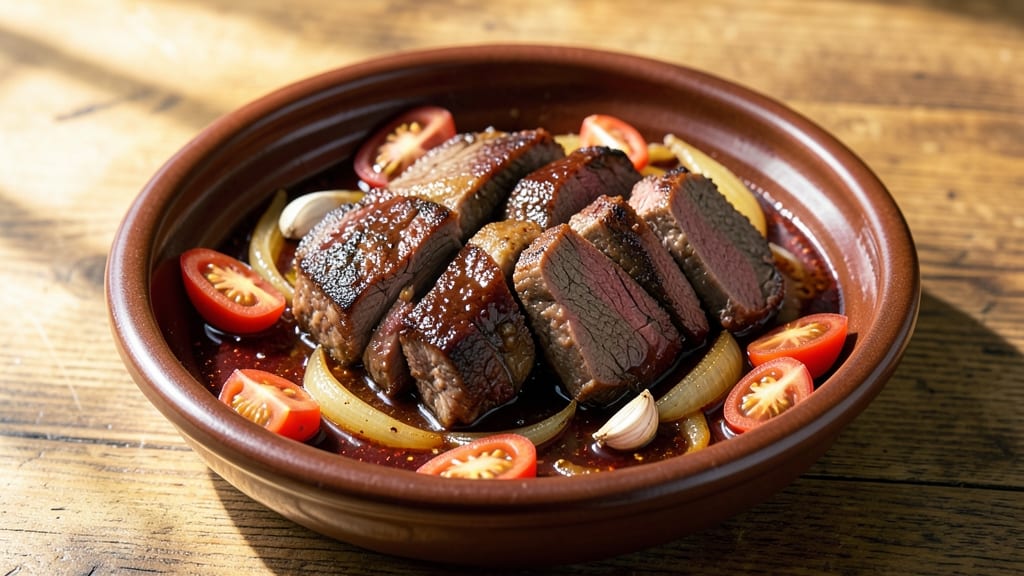
This Filipino-style braised beef with tangy tamarind glaze—beef igado—transforms humble ingredients into a deeply flavorful stew that tastes like home. 🌟 I first discovered this dish while researching my grandmother’s recipe journal, where she’d scribbled notes about balancing sweet, sour, and savory flavors in one pot.
The key lies in the tamarind glaze, which cuts through the richness of the beef and liver while adding a bright, almost citrusy depth.
The recipe begins with a quick sear of beef and liver to lock in juices, then simmers in a fragrant broth of tomatoes, onions, and garlic until everything is tender and infused with flavor.
Traditional Filipino cooking relies on layering ingredients—first building the base, then adding vegetables and offal in stages to ensure each component absorbs the sauce perfectly. This method delivers restaurant-quality results without requiring special techniques.
By the time it’s done, you’ll have a rich, aromatic stew with tender beef, silky liver, and vegetables that melt into the tangy-sweet glaze.
The aroma alone will draw everyone to the table, and the first bite delivers that perfect balance of savory, slightly sweet, and tangy that defines Filipino comfort food. It’s the kind of dish that tastes even better the next day, making it ideal for meal prep or family gatherings.
Serve with steamed rice to soak up every drop of that flavorful sauce, or pair it with crusty bread for a heartier meal. The beauty of beef igado lies in its versatility—it’s equally at home as a weeknight dinner or a special occasion dish. Let’s get cooking!
Ingredients for beef igado
Filipino pantry staples plus a few specialty touches for authentic beef igado flavor.
| Ingredient | Amount | Notes |
|---|---|---|
| Beef Chuck Roast 🥩 | 2 lb | Cut into 1-inch cubes |
| Beef Liver 🍖 | 1 lb | Fresh, trimmed of fat |
| Tamarind Paste 🍯 | ½ cup | Or 4 tbsp tamarind concentrate |
| Tomatoes 🍅 | 2 medium | Roma or vine-ripened, chopped |
| Yellow Onions 🧅 | 2 whole | Thinly sliced, about 2 cups |
| Garlic Cloves 🧄 | 6 cloves | Minced, about 2 tbsp |
| Carrots 🥕 | 2 medium | Peeled, cut into chunks |
| Potatoes 🥔 | 2 medium | Russet, cut into chunks |
| Bay Leaves 🌿 | 2 whole | Dried, for infusion |
| Black Peppercorns 🌶️ | 1 tsp | Crushed, for depth |
| Salt 🧂 | 1 ½ tsp | Kosher or sea salt |
| Olive Oil 🫒 | ½ cup | Extra-virgin for searing |
| Soy Sauce 🍜 | 2 tbsp | For umami depth |
| Sugar 🍚 | 1 tbsp | Balances tamarind acidity |
The tamarind paste is non-negotiable for that signature tangy-sweet balance. Filipino markets carry it in blocks or paste form—look for vibrant, sticky tamarind rather than dried pods. If you can't find it, Trader Joe's often stocks it in the international aisle. The beef chuck roast should have visible marbling for tenderness, and beef liver must be fresh—ask your butcher to trim excess fat. For the potatoes, Russet holds up best during long braising. The carrots can be baby carrots if preferred, but whole medium carrots develop more flavor when cut into larger chunks.
No tamarind? Lemon juice plus 1 tsp sugar mimics the acidity, though it won't have the same depth. Substitute beef liver with chicken livers or pork liver if needed, but reduce cooking time by 15 minutes. The soy sauce can be swapped for coconut aminos for gluten-free. Fresh bay leaves are ideal, but dried work fine at double the amount. For the tomatoes, San Marzano canned tomatoes add superior flavor if fresh aren't available. The sugar balances the tamarind's acidity—don't skip it, even if you're using sweet tamarind.
This stew tastes even better the next day as flavors meld. Store in an airtight container in the fridge for up to 5 days, or freeze for 3 months. The sauce thickens upon reheating, so add a splash of water if needed. Portion into containers with rice for easy meal prep. The tamarind glaze keeps well separately for up to 2 weeks in the fridge—great for drizzling on other dishes like grilled meats or rice bowls.
Why You'll Love This Recipe
- One-Pot Magic: I swear by this recipe when I’m too tired to wash a million dishes. The beef chuck and liver simmer together in the same pot with onions and tomatoes—no extra pans, no stress. Just toss everything in, let it bubble, and you’re done.
- Tamarind Tang Kick: That tamarind paste? It’s the secret weapon. One spoonful turns this dish from ordinary to ridiculously good—sweet, tangy, and just a little funky. It cuts through the richness of the beef like a bright summer breeze.
- Leftovers That Don’t Suck: Honestly, I make this on purpose so I can eat it twice. The flavors deepen overnight, and reheating it is a cinch—just a splash of water, a quick stir, and it’s back to being restaurant-quality. My lunchbox thanks me every time.
- Budget-Friendly Feast: Between us, this recipe stretches a modest grocery budget further than you’d think. Chuck roast and liver are affordable, and the tamarind paste lasts for ages. It’s my go-to when I need to feed the family without breaking the bank.
Step-by-step instructions for Filipino-style braised beef
Master this rich, tangy dish with perfectly balanced flavors and tender meat every time.
🍳 Step 1: Sear the Beef and Liver for Deep Flavor
Heat the 0.5 cup olive oil in a large Dutch oven over medium-high heat until shimmering. Working in batches to avoid crowding, add the 2 lb beef chuck roast cut into 1-inch cubes and sear for 4-5 minutes per side until deep golden brown. Remove and set aside.
In the same pot, add the 1 lb beef liver (trimmed of fat) and cook for 2-3 minutes until lightly browned. Remove and set aside with the beef. Here's the thing—don't overcook the liver or it'll turn rubbery. You're just giving it a quick sear to develop flavor.
👨🍳 Step 2: Build the Tangy Base with Aromatics
In the same Dutch oven, add 2 whole yellow onions (thinly sliced) and cook for 5 minutes until softened. Add the 6 cloves garlic cloves (minced) and cook for 30 seconds until fragrant. Stir in the 2 medium tomatoes (chopped), 2 medium carrots (peeled and chunked), and 2 medium potatoes (cut into chunks).
Pour in the 0.5 cup tamarind paste and 2 tbsp soy sauce, scraping up any browned bits from the bottom. Add the 1 tbsp sugar, 1.5 tsp salt, and 1 tsp crushed black peppercorns. This is where the magic happens—the tamarind's tang balances the richness of the meat.
🔥 Step 3: Braise Until Fork-Tender
Return the seared beef and liver to the pot. Add 2 cups water (enough to barely cover the ingredients) and 2 whole bay leaves. Bring to a simmer, then reduce heat to low, cover, and let cook for 2.5-3 hours until the beef is fork-tender and the vegetables are soft. Here's what I do: I check the liquid level after 1 hour and add a splash of water if needed to keep it moist.
The liver will break down completely during braising—this is normal and adds incredible richness to the sauce. You'll know it's done when the beef pulls apart easily with two forks. If the sauce looks too thin, simmer uncovered for 10-15 minutes to reduce it slightly.
⏰ Step 4: Rest and Adjust Seasoning
Remove the bay leaves and let the beef igado rest for 15 minutes before serving. This resting period allows the juices to redistribute, ensuring each bite is moist and flavorful. Taste the sauce and adjust seasoning if needed—add a pinch more salt or a splash of soy sauce if it needs more depth.
Serve the beef igado hot, with the rich tamarind-glazed sauce spooned over each portion. The contrast of tender beef with the tangy, slightly sweet sauce is what makes this dish truly special. Pair it with steamed rice to soak up every last drop of that flavorful braising liquid.
Pro Tips For Making Beef Igado
- Sear the Liver First: Beef liver burns faster than the chuck roast—trust me, I’ve watched it turn to shoe leather. Slice the liver into ½-inch pieces, pat completely dry, and sear them in a screaming-hot pan with oil for 30 seconds per side before adding anything else. This locks in flavor and prevents that bitter, overcooked edge.
- Dissolve Tamarind Paste: Tamarind paste is a stubborn beast. Don’t just toss it in cold—mix it with a splash of warm water (about ¼ cup) and let it sit for 5 minutes. Stir until it’s smooth, then add it to the pot. I used to skip this, and the sauce would clump like glue. Now it blends right in.
- Low and Slow for Chuck: The chuck roast needs patience—real patience. After browning, reduce heat to a simmer and cover the pot completely. Let it cook at 170°F (77°C) for 3–4 hours, checking occasionally. Rushing it turns it stringy. (Yes, even if you’re starving.)
- Char the Onions: Onions are the backbone of this dish—don’t treat them like afterthoughts. Slice them into thick wedges and fry them in the same pan you seared the liver, stirring only when they’re deeply golden and caramelized. That’s where the depth comes from. (I know, it’s messy, but it’s worth it.)
Common mistakes when making great beef igado
Overcooking the Liver
This is the biggest mistake I see—cooking beef liver until it’s tough and dry. Remember, liver cooks fast and continues cooking during braising. I’ve ruined a batch by searing it too long, and it turned into an inedible rubbery mess.
For a quick sear, just 2-3 minutes on each side is all you need. The liver will break down completely during the 2.5-3 hour braise, adding rich, creamy texture to the sauce. 💡
Skipping the Tamarind
Tamarind is non-negotiable for that signature tangy-sweet balance. I once tried substituting with lemon juice and vinegar, and the dish lacked depth. If you can’t find tamarind paste, Filipino markets often sell it in blocks—soak and blend it yourself.
For a pinch, 1 tbsp lemon juice plus ½ tsp sugar works in a bind, but it won’t replicate the complex flavor. The tamarind’s acidity cuts through the richness of the beef and liver beautifully.
Ignoring the Resting Period
Rushing to serve beef igado immediately after cooking is a mistake. The 15-minute rest lets juices redistribute, ensuring each bite is moist. I’ve served it straight from the pot, and the sauce pools at the bottom while the meat stays dry.
This is especially important for the liver, which can turn grainy if not rested. Trust the process—your patience will pay off with restaurant-quality results. ⏳
Using the Wrong Cut of Beef
Beef chuck roast is ideal for its marbling and tenderness, but I’ve seen people use leaner cuts like sirloin. The fat in chuck breaks down during braising, keeping the meat juicy. If you must use a leaner cut, marinate it for 1-2 hours in soy sauce and garlic before cooking.
The goal is tender, flavorful beef that holds up to the long braise without drying out.
Not Checking Liquid Levels
Many home cooks forget to monitor the liquid during braising, leading to dry or burnt ingredients. I check after 1 hour and add ¼ cup water if needed. The sauce should just barely cover the ingredients—too much liquid dilutes the flavor, while too little can scorch the bottom.
A Dutch oven with its deep sides is perfect for this dish, but a heavy pot works too. Keep the heat at low to prevent evaporation.
Overcrowding the Pot
Searing beef in crowded batches steams instead of browns, resulting in pale, flavorless meat. Work in 2 batches for the beef, giving each piece space to develop a deep golden crust. The same goes for the liver—don’t add it all at once.
A quick sear adds depth to the final dish. This step is critical for building the rich, caramelized foundation that makes beef igado so special. 🔥
Nutrition facts
Frequently asked questions about Filipino-style braised beef
What makes beef igado different from other Filipino beef stews?
Beef igado stands out because it includes beef liver alongside beef, creating a richer, creamier sauce with deep umami flavor. The tamarind glaze adds that signature tangy-sweet balance that sets it apart from simpler beef stews like mechado. The long braising time ensures all ingredients meld perfectly into one cohesive dish.
Can I substitute beef liver with another type of meat?
Yes, but the texture and flavor will change. For a similar effect, use chicken liver or pork liver, but reduce cooking time by 15 minutes since they cook faster. If avoiding offal entirely, consider adding extra beef chunks or mushrooms for umami depth. The liver's richness is key to the dish's signature sauce.
How do I know when the beef is fully tender?
The beef should be fork-tender—easy to pierce with two forks with minimal resistance. It typically takes 2.5-3 hours of braising at low heat. Test a piece after 2 hours; if it's still slightly firm, give it another 30 minutes. The liver will break down completely during cooking, adding to the sauce's richness.
Can I make beef igado in a slow cooker?
Brown the beef and liver first in a skillet, then transfer everything to the slow cooker. Cook on low for 6-7 hours or high for 3-4 hours. The slow cooker's gentle heat works perfectly for this dish, ensuring tender meat and well-infused flavors. Just check the liquid level halfway through and add water if needed.
What sides pair best with beef igado?
Steamed white rice is traditional and ideal for soaking up the rich sauce. For a heartier meal, serve with garlic fried rice, crusty bread, or roasted vegetables. The tangy-sweet glaze also pairs well with plantains or sweet potatoes to balance the dish's savory depth.