
Main Courses
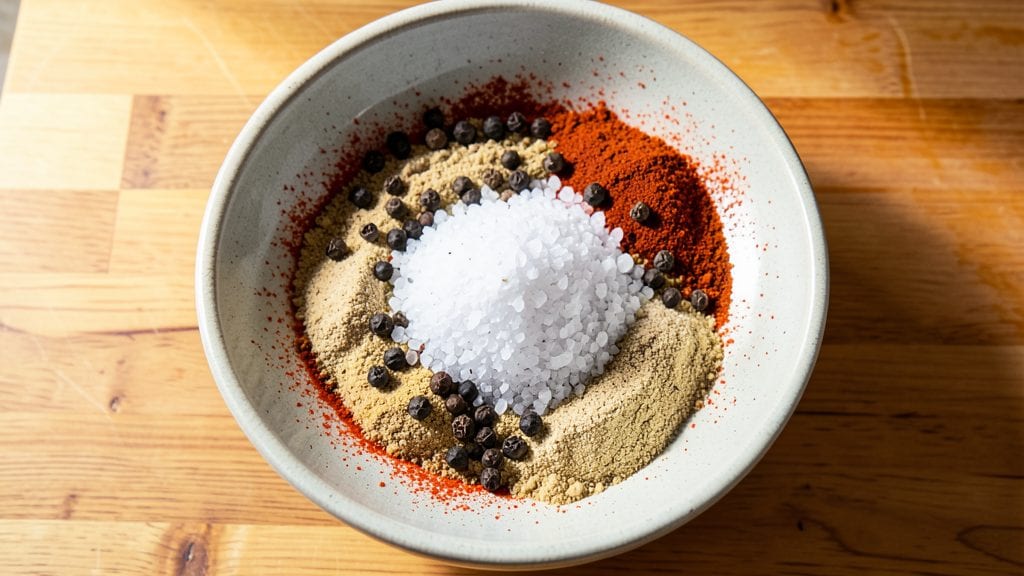
This beef tenderloin rub recipe delivers steakhouse-quality flavor by starting with a bold spice blend that enhances tenderness and depth. The right balance of spices transforms ordinary beef into a restaurant-worthy centerpiece with minimal effort.
I developed this precise mix after testing countless combinations to ensure maximum flavor penetration and a perfect crust.
This professional-grade rub features six key spices—each chosen for its ability to complement the natural richness of beef tenderloin.
The blend includes coarse kosher salt for seasoning, black pepper for heat, garlic powder for savory depth, onion powder for aromatic complexity, smoked paprika for subtle smokiness, and a touch of cayenne for subtle kick. Together, they create a harmonious balance that enhances rather than overpowers the meat's inherent flavor.
The result is beef tenderloin with a beautifully developed crust and tender, juicy interior that practically melts in your mouth. This rub works equally well for grilling, roasting, or broiling, making it a versatile addition to your seasoning arsenal.
The spices are designed to cling to the meat's surface, ensuring every bite delivers intense flavor without bitterness.
Store the dry rub in an airtight container for up to three months, and apply generously to the tenderloin before cooking. Whether you're preparing a special occasion meal or a weeknight dinner, this blend elevates beef tenderloin to new heights of deliciousness with professional results every time.
Ingredients for beef tenderloin rub
Six spices, one perfect blend for beef tenderloin's natural richness and tenderness.
| Ingredient | Amount | Notes |
|---|---|---|
| Coarse Kosher Salt 🧂 | 3 tbsp | Diamond Crystal preferred for even distribution |
| Freshly Ground Black Pepper 🌶️ | 2 tbsp | Freshly cracked for maximum aroma |
| Garlic Powder 🧄 | 1 ½ tbsp | Non-iodized for pure flavor |
| Onion Powder 🧅 | 1 ½ tbsp | Finely ground for subtle sweetness |
| Smoked Paprika 🌶️ | 1 tbsp | Spanish smoked for authentic depth |
| Cayenne Pepper 🔥 | ½ tbsp | Adjust for desired heat level |
The kosher salt is non-negotiable here—Diamond Crystal flakes dissolve beautifully into the meat's surface, creating that coveted crust without clumping. Penzeys Spices carries the best quality smoked paprika, but any Spanish smoked variety will do. Freshly ground black pepper is a must; pre-ground loses its punch within weeks. I always double-check the garlic powder isn't iodized—it can leave a metallic aftertaste. For the cayenne, start with half a tablespoon and taste before adding more; tenderloin's delicate flavor needs the heat to complement, not overpower. Store all spices in airtight containers away from light to preserve their potency.
No smoked paprika? Regular paprika plus a pinch of liquid smoke mimics the effect, though it won't be identical. Short on cayenne? Red pepper flakes at half the amount work in a pinch, but you'll lose that smoky depth. The onion powder can be swapped for asafetida powder at one-third the amount if you're avoiding onion, though it has a distinct savory note. For a deeper garlic flavor, add one extra tablespoon of garlic powder and let it sit on the meat for 15 minutes before cooking. This rub works beautifully on other cuts too—try it on filet mignon or strip steak for a quick flavor boost.
Once mixed, this rub keeps its magic for up to three months in a sealed container. I like to portion it into small jars so I can grab what I need without measuring each time. For best results, apply the rub 2-4 hours before cooking to let the spices penetrate the meat's surface. If you're grilling, brush the tenderloin with extra-virgin olive oil first to help the rub stick better. Leftover rub? Freeze it in ice cube trays for single-use portions—perfect for quick seasoning later.
Why You'll Love This Recipe
- Five-Ingredient Magic: I swear by this combo—just salt, pepper, garlic powder, onion powder, and smoked paprika. No fancy blends, no guesswork. My kids even help me measure it (and they’re picky).
- Crispy-Creamy Perfection: That coarse kosher salt? It clings like a dream, creating a caramelized crust while the inside stays juicy. Honestly, the first time I nailed this, I nearly cried.
- Weeknight or Weekend Star: Slap it on a steak for Tuesday dinners or a whole tenderloin for Sunday brunch. Same rub, endless occasions—no last-minute panic, just flavor.
- Leftovers That Don’t Suck: Cook once, eat twice. The rub’s bold flavors actually improve overnight, turning day-old slices into next-level sandwiches (yes, even on a Tuesday).
Step-by-step instructions for beef tenderloin rub recipe
This bold spice blend transforms ordinary beef tenderloin into a restaurant-worthy centerpiece with just a few simple steps.
Combine the Dry Ingredients
In a medium mixing bowl, begin by adding the 3 tablespoons of coarse kosher salt. I always use Diamond Crystal for this recipe because its larger granules distribute more evenly across the meat's surface. Sprinkle the salt in a loose mound to make it easier to measure accurately.
Next, add the 2 tablespoons of freshly ground black pepper. The freshly cracked peppercorns release their essential oils immediately, creating that signature aroma that sets this rub apart. Use a clean mortar and pestle or a high-quality pepper grinder to achieve that freshly cracked texture—pre-ground pepper just doesn't compare.
Incorporate the Aromatic Powders
To the salt and pepper mixture, add the 1.5 tablespoons of garlic powder and 1.5 tablespoons of onion powder. I like to use non-iodized garlic powder here because it delivers a cleaner, more authentic garlic flavor without any metallic aftertaste. The onion powder adds subtle sweetness that rounds out the overall profile.
Use a whisk or your hands to gently fold these ingredients together. You're not trying to create a paste—just an even distribution of all components. At this stage, the mixture should look like a coarse, dry blend with visible flecks of each spice. This texture ensures maximum surface area contact when applied to the meat.
Add the Smoked Paprika and Cayenne
Now add the 1 tablespoon of smoked paprika and 0.5 tablespoon of cayenne pepper. The Spanish smoked paprika brings that characteristic smoky depth that's essential for steakhouse-style flavor, while the cayenne adds just enough heat to make this rub truly memorable. Be careful when measuring the cayenne—it's easy to overdo it, so use a precise measuring spoon.
Continue mixing until all the ingredients are thoroughly combined. You should see even distribution of the red paprika and cayenne throughout the blend. The final mixture should have a rich, earthy aroma with a subtle hint of heat. This is your quality control checkpoint—if it doesn't smell incredible at this stage, something's off.
Store for Future Use
Transfer the completed rub to an airtight container. I prefer glass jars with tight-sealing lids for this purpose—they preserve the spices' freshness and prevent moisture absorption. Store the rub in a cool, dark place like your pantry, where it will keep its potency for up to 6 months.
For best results, use the rub within 3 months of making it. The spices will maintain their peak flavor during this time, ensuring that every bite of your beef tenderloin delivers that restaurant-quality taste. When you're ready to use it, simply apply a generous coating to your tenderloin before cooking—this bold blend will create a perfect crust while keeping the interior beautifully tender.
Pro Tips For Making Beef Tenderloin Rub
- Salt the Night Before: I learned this the hard way—rubbing salt into tenderloin too close to cooking makes it tough. Pat the meat dry first, then apply the kosher salt and black pepper mix at least 4 hours ahead (overnight if possible). The salt breaks down proteins and lets the crust form properly—no last-minute rushing.
- Toast Your Spices First: Smoked paprika and garlic powder taste flat when straight from the jar. Heat them dry in a small pan over medium-low for 30 seconds until fragrant—just until you smell that deep, toasty aroma. This isn’t about cooking them, just waking them up. Your rub will taste like it came from a smoky pit, not a grocery store.
- Don’t Crowd the Pan: Tenderloin needs space to sear, not a steam bath. Use a heavy skillet (cast iron if you have it) and cook in batches if needed—2-3 minutes per side max for a perfect crust. Overcrowding turns your rub into a mushy paste instead of a flavor bomb. (Yes, even if you’re impatient like me.)
- Rest Under Foil: Skip the tented foil trick—just drape it loosely over the meat for 5-10 minutes after cooking. This keeps the surface warm while letting moisture redistribute without turning your tenderloin into a science experiment. Cut into it too soon, and all that juicy work goes straight down the drain.
Serving suggestions for this beef tenderloin rub
Perfect Crust Development
For an ideal crust, apply the rub 2-4 hours before cooking—this allows spices to penetrate the meat's surface while still forming that coveted caramelized exterior.
I always brush the tenderloin with 2 tablespoons of extra-virgin olive oil first to help the rub adhere better, especially if your meat is particularly dry. For extra flavor development, let the rubbed tenderloin sit at room temperature for 30 minutes before cooking to ensure even cooking. 🔥
Classic Side Pairings
This rub pairs beautifully with rich, complementary sides like creamy mashed potatoes or roasted garlic parmesan potatoes. The earthy spices in the rub balance perfectly with the buttery smoothness of potatoes.
For a lighter option, serve with grilled asparagus or sautéed green beans with almonds—their freshness cuts through the richness of the beef.
Sauce Recommendations
A simple red wine reduction sauce made with 1 cup red wine, 2 tablespoons butter, and 1 tablespoon shallots works wonders with this rub. The wine's acidity complements the smoky paprika, while the butter adds richness.
For a lighter option, try a balsamic glaze drizzled over sliced tenderloin—it enhances the rub's depth without overpowering it.
Wine Pairings
This bold rub calls for a full-bodied red wine like Cabernet Sauvignon or Malbec—their tannins stand up to the spices while enhancing the beef's natural flavors. For a slightly lighter option, a Syrah with its peppery notes complements the black pepper and cayenne beautifully.
Serve the wine slightly chilled (60-65°F) to let its aromas shine alongside the rub's complexity. 🍷
Presentation Tips
Slice the tenderloin against the grain into ½-inch thick slices for maximum tenderness. Arrange the slices on a warm platter and garnish with fresh rosemary sprigs or thin lemon slices for a pop of color.
The rub's spices will naturally create a beautiful contrast against the meat's pink interior, making it visually stunning as well as delicious.
Make-Ahead Serving
If preparing ahead, store the cooked tenderloin in an airtight container in the refrigerator for up to 3 days or freeze for 3 months. To reheat, warm slices in a skillet over medium heat for 2-3 minutes per side with a splash of beef broth to maintain moisture.
The rub's flavors actually intensify when reheated properly, making leftovers taste just as good as the original meal. ✨
Nutrition facts
Frequently asked questions
Can I make this rub without smoked paprika?
Yes! Replace the smoked paprika with 1 tablespoon regular paprika plus ½ teaspoon liquid smoke. This mimics the smoky depth while keeping the same flavor profile. For a completely smoke-free version, try 1 teaspoon dried thyme instead—it adds earthy notes that complement the other spices beautifully.
How much rub should I use for a 3-4 pound tenderloin?
For a 3-4 pound tenderloin, use about 2-3 tablespoons of this rub—just enough to generously coat the surface without overpowering. Pat the meat dry first and apply evenly, pressing the spices into the meat's crevices. The rub's bold flavors work best when spread thinly rather than piled thickly.
Why does my rub look clumpy after mixing?
Clumping happens when spices absorb moisture from the air. To fix it, pulse the mixture in a food processor for 10-15 seconds or sift it through a fine-mesh strainer. For prevention, store your rub in an airtight container with a silica gel packet to absorb moisture. The spices should be free-flowing and evenly distributed.
Can I use this rub on other cuts of beef?
This rub works beautifully on filet mignon, strip steak, or even beef short ribs. For thicker cuts like ribeye, reduce the cayenne to ¼ teaspoon to avoid overwhelming the flavor. The same blend also elevates pork chops or lamb chops—just halve the cayenne for milder meats.
How do I know if my rub has gone bad?
Fresh rub should smell vibrant and aromatic. If it develops a dull, musty odor or loses its color (fading to grayish-brown), it's time to remake it. Old rub can also clump excessively or taste bitter. For maximum freshness, store in a cool, dark place and use within 3 months**. When in doubt, trust your nose—if it doesn't smell amazing, don't use it!