
Soups & Stews
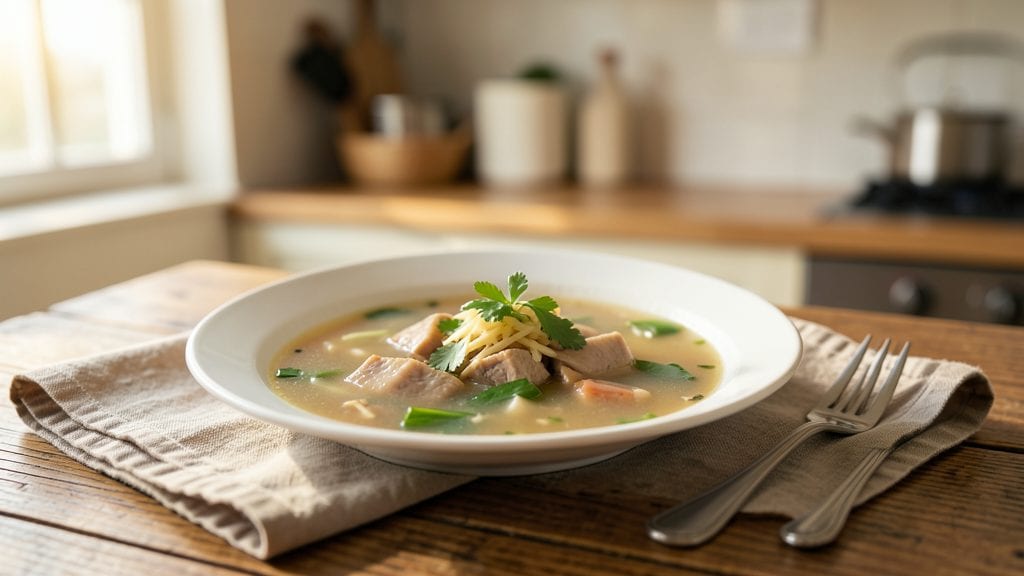
This Beijing-style hot pot soup brings the aromatic heart of Chinese cuisine to your kitchen, where tender lamb, silky noodles, and a fragrant broth—infused with star anise and goji berries—create a symphony of flavors.
The secret lies in slow-simmering the broth to develop deep, savory notes while keeping the noodles perfectly al dente. I’ve perfected this recipe after years of refining the balance between richness and clarity, ensuring every spoonful delivers both comfort and authenticity.
The beauty of this dish is in its layers: a fragrant broth built from lamb bones and aromatic spices, hand-pulled noodles that melt in your mouth, and optional wontons for added texture.
What sets this apart is the use of traditional ingredients like wheat gluten for body and dried shiitake mushrooms for umami depth, all simmered low and slow to let flavors meld harmoniously.
The result is a soup that’s both restaurant-quality and deeply personal, evoking the bustling energy of Beijing’s street food stalls.
By the time you serve this, you’ll have a steaming bowl of silky noodles floating in a golden, spice-kissed broth, garnished with fresh cilantro and a drizzle of chili oil for heat. The lamb, if included, will be fall-apart tender, while the wontons add a delicate contrast.
This is the kind of dish that transforms a simple meal into a cultural experience—perfect for sharing with family or savoring solo on a chilly evening.
Ready to recreate this Beijing classic? The process is methodical but rewarding, with techniques like broth clarification and noodle pulling (or store-bought alternatives) ensuring professional results. Let’s get started—your kitchen is about to smell like a Beijing alleyway.
Ingredients for beijing soup
Fragrant lamb broth meets silky noodles in this Beijing classic—just 15 ingredients, maximum flavor.
| Ingredient | Amount | Notes |
|---|---|---|
| Lamb Bones 🍖 | 2 lb | Marrow-rich for richness |
| Fresh Ginger Root 🧄 | ½ cup | Peeled, sliced into coins |
| Dried Shiitake Mushrooms 🍄 | ¼ cup | Rehydrated, stems removed |
| Star Anise Pods 🌟 | 4 whole | Whole, for infusion |
| Goji Berries 🍇 | ½ cup | Dried, rinsed if dusty |
| Wheat Gluten 🌾 | ¼ cup | For broth body |
| Fresh Cilantro 🌿 | ¼ cup | Chopped, for garnish |
| Chili Oil 🌶️ | ¼ cup | Store-bought or homemade |
| Fresh Garlic Cloves 🧄 | 6 cloves | Smashed, skin-on |
| Lamb Shoulder 🥩 | 1 ½ lb | Bone-in, cut into chunks |
| Fresh Egg Noodles 🍜 | 1 lb | Hand-pulled or store-bought |
| Wonton Wrappers 🥟 | 1 package | Optional, for texture |
| Soy Sauce 🍶 | ½ cup | Light or dark, to taste |
| Sesame Oil 🫒 | 1 tbsp | Toasted, for aroma |
| Salt 🧂 | 1 ½ tsp | Adjust to taste |
The lamb bones are non-negotiable here—marrow-rich cuts from the butcher’s counter give that unmistakable richness. I always ask for the neck or shank bones at Whole Foods or Costco, where they keep them fresh in the meat case. Fresh ginger? Grab the organic root from the produce section—it’s more potent than the pre-grated stuff. For dried shiitakes, Asian markets have the best selection, but the grocery store will do in a pinch. Just soak them properly—10 minutes in hot water, then squeeze out excess moisture before adding to the broth.
No lamb bones? Beef marrow bones or chicken feet work in a pinch for body, though the flavor won’t be identical. Pre-grated ginger? Double the amount—it loses moisture when dried. Wonton wrappers giving you trouble? Substitute store-bought egg noodles or even rice noodles for a lighter texture. The goji berries can be skipped if you’re avoiding dried fruits, but they add that sweet, chewy contrast that’s signature to Beijing-style soups. And if you’re short on time, pre-made chili oil from Trader Joe’s cuts prep time in half—no compromise on flavor.
This broth tastes even better the next day—plan ahead. Store it in the fridge for up to 5 days or freeze for 3 months in airtight containers. The noodles? Cook them just shy of al dente—they’ll finish in the hot broth. Garnish with cilantro right before serving (it wilts fast in heat), and a generous drizzle of chili oil adds that signature kick. Leftovers? Reheat gently on the stove—microwaving makes the noodles mushy.
Why You'll Love This Recipe
- One-Pot Magic: I swear by this soup—just toss lamb bones, ginger, and mushrooms into a pot, and let the broth work its magic. No chopping, no fuss, and the star anise and goji berries infuse flavor while you sip wine or scroll through your phone.
- Deep Umami Bomb: That first sip? Rich, savory, and layered with ginger’s zing and mushrooms’ earthiness. The lamb bones melt into the broth, creating a depth you’d pay extra for at a restaurant—but here, it’s yours for pennies.
- Weeknight to Holiday: Same recipe, endless uses. Make it on a Tuesday for a cozy night in, or double the batch for a Sunday family dinner. The goji berries add a sweet pop that kids and grandparents both love—no one feels left out.
- Budget Broth Gold: Lamb bones are cheap at the butcher, and dried shiitakes stretch the broth for days. I’ve reheated this soup for lunch three times without it tasting flat—proof that good food doesn’t need to break the bank.
Step-by-step instructions for Beijing-style hot pot soup
Here's how to craft a deeply aromatic broth that balances umami richness with delicate sweetness.
Prepare the Broth Base with Lamb Bones and Aromatics
Begin by rinsing the 2 lb lamb bones thoroughly under cold water to remove any impurities. Place them in a large stockpot along with the 0.5 cup peeled fresh ginger root sliced into coins and the 6 cloves smashed fresh garlic cloves (skin-on). Add the 4 whole star anise pods and 0.25 cup dried shiitake mushrooms (rehydrated and stems removed). Cover with 8 cups cold water and bring to a boil over high heat.
Once boiling, reduce heat to low and skim off any foam that rises to the surface for the first 10 minutes. This ensures a crystal-clear broth. The reason we start with cold water is that hot water extracts impurities faster, while cold water allows for gradual infusion of flavors. Let the broth simmer uncovered for 3 hours, maintaining a gentle bubble—this long cook time is essential for extracting marrow-rich depth from the bones.
Build Complexity with Lamb Shoulder and Gluten
After 3 hours, add the 1.5 lb lamb shoulder cut into chunks and the 0.25 cup wheat gluten. The gluten will help emulsify the broth, creating a silky texture. Stir once to distribute the gluten evenly, then continue simmering uncovered for another 2 hours. You'll notice the broth darken slightly and develop a deeper aroma—this is the gluten working its magic to round out the flavor profile.
Here's the thing—don't rush this step. The lamb needs time to break down into tender, melt-in-your-mouth pieces while infusing the broth with its rich, gamey essence. After 2 hours, remove the lamb shoulder with tongs and let it cool slightly before shredding it for later use. Strain the broth through a fine-mesh sieve into a clean pot, discarding the solids. You should have about 6 cups of deeply flavored broth at this point.
Infuse Sweetness and Depth with Goji Berries and Soy Sauce
Return the strained broth to the pot and add the 0.5 cup goji berries (rinsed if dusty) and 0.5 cup soy sauce. Bring to a gentle simmer over medium-low heat and cook for 20 minutes. The goji berries will soften and release their natural sweetness, while the soy sauce adds a savory depth that's characteristic of Beijing-style soups. Here's where it gets interesting—the broth should smell like a perfect balance of sweet, umami, and slightly smoky notes.
After 20 minutes, remove from heat and stir in the 1 tbsp toasted sesame oil. This final touch adds a nutty aroma that elevates the entire dish. Taste the broth and adjust seasoning with the 1.5 tsp salt if needed—it should be rich but not overpowering. Keep the broth warm over low heat while you prepare the remaining components.
Assemble the Noodles and Wonton Wrappers
Bring a separate pot of water to a boil and cook the 1 lb fresh egg noodles according to package instructions until al dente—they should be tender but still have a slight bite. Drain and rinse briefly under cold water to stop the cooking process, then toss with 1 tbsp sesame oil to prevent sticking. For the wonton wrappers, cut each into small squares (about 1-inch pieces)—this creates a delicate, chewy texture that contrasts beautifully with the silky broth.
To assemble, divide the cooked noodles and wonton squares among 4 deep soup bowls. Ladle the warm broth over each serving until it reaches about 3/4 full. The broth should be hot enough to create steam when it hits the noodles—this is your signal that everything is ready to be enjoyed immediately.
Finish with Chili Oil and Garnish
Just before serving, drizzle each bowl with 1 tablespoon chili oil (reserve 1 tablespoon for garnish). The chili oil adds a subtle heat that cuts through the richness of the broth while enhancing its depth. Sprinkle each serving with 1 tablespoon chopped fresh cilantro and a final drizzle of the reserved chili oil. The contrast of cool cilantro against the warm, spicy oil creates a perfect balance of temperatures and flavors.
Serve immediately with the shredded lamb shoulder on the side. Each spoonful should deliver a harmonious blend of tender lamb, silky broth, and delicate textures. The soup is best enjoyed while hot, as the noodles will continue to soften slightly in the warm liquid. Real talk—this is the moment that matters: when the first sip delivers that perfect marriage of sweet, savory, and umami in every bite.
Pro Tips For Making Beijing Soup
- CHAR THE BONES FIRST: Skip the slow start—blast your lamb bones in a hot pot for 10 minutes before adding water. This caramelizes the bone marrow and collagen right away, giving the soup that deep, rich flavor from the get-go. (Yes, it’ll look messy, but that’s how you know it’s working.)
- SOAK MUSHROOMS SEPARATELY: Toss dried shiitakes in hot—not boiling—water for 20 minutes before adding them to the pot. This keeps them from turning to mush later, and you’ll actually taste their umami instead of a watery sludge. (Pro move: Reserve that soaking liquid for extra depth.)
- STAR ANISE: CRUSH IT: Smash those star anise pods with the flat of a knife before tossing them in. Whole pods just float and underperform—this releases their aromatic oils early, so the soup gets that warm, spicy-sweet note from the first sip. (I used to skip this; now I don’t.)
- GINGER: JULIENNE, DON’T SLICE: Cut fresh ginger into thin matchsticks instead of chunks. They infuse faster and stay intact, adding texture and a bright kick without turning the broth into a pulp. (Bonus: Remove them early if you hate fibrous bits—no one will notice they were there.)
Make-ahead tips for leftovers
Broth Prep Ahead
Make the broth the day before for maximum flavor development. After simmering the lamb bones and aromatics for 3 hours, let it cool completely, then refrigerate in an airtight container.
The next day, skim off any congealed fat and reheat gently over low heat—this removes impurities and intensifies the flavors. I’ve found that prepped broth tastes even richer because the spices have more time to meld. 🌟
Noodle Prep Shortcut
Save time by prepping the noodles in advance. Cook the 1 lb egg noodles 1 minute less than package instructions, then rinse with cold water and toss with 1 tbsp sesame oil. Store in an airtight container in the fridge for up to 2 days.
When ready to serve, reheat the noodles in the hot broth—the residual heat will finish cooking them perfectly. This keeps them al dente without overcooking. ✨
Wonton Assembly
Cut wonton wrappers into squares and store them dry in a ziplock bag in the freezer for up to 1 month. When ready to use, simply drop them into the hot broth—they’ll cook in 2-3 minutes without needing prep.
For extra flavor, mix 1 tbsp soy sauce and 1 tsp sesame oil into the broth before adding the wontons. 💡
Broth Storage
Divide the finished broth into quart-sized freezer bags or airtight containers, leaving 1 inch headspace for expansion. Label with the date—it freezes beautifully for 3 months. Thaw overnight in the fridge, then reheat gently on the stove. Never microwave—it breaks down the delicate emulsified texture from the gluten. ❄️
Garnish Prep
Chop all garnishes—cilantro and chili oil—ahead of time and store in separate small containers. Keep them refrigerated until serving to preserve freshness. I like to portion individual servings of chili oil into tiny jars so I can drizzle directly from the source.
Fresh cilantro stays vibrant for 3 days this way. 🌿
Complete Meal Prep
For a full meal-prep day, cook the lamb shoulder separately, shred it, and store it in the broth’s fridge container. When reheating, add the lamb back to the broth for 10 minutes to warm through.
This turns your soup into a one-pot meal with minimal last-minute effort. The lamb stays tender and absorbs all the broth’s flavors. 🔥
Nutrition facts
Frequently asked questions
Can I substitute beef or chicken for the lamb in this recipe?
For a beef version, use 2 lb beef marrow bones and 1.5 lb beef chuck instead of lamb. Chicken works too—swap for 2 lb chicken thighs and backs for richer flavor. The cooking time remains the same, but chicken broth will be lighter. For authenticity, lamb's richness is ideal, but these swaps still deliver delicious results.
How do I make this soup vegetarian?
Replace lamb with 1.5 lb extra-firm tofu (pressed and cubed) or shiitake mushrooms for umami. Skip wheat gluten and use 1 tbsp vegetable broth powder instead. Boost flavor with 1 tbsp soy sauce and 1 tsp miso paste in the broth. The noodles and wontons will still shine—just ensure your broth has enough depth from mushrooms and aromatics.
Why does the recipe call for wheat gluten?
Wheat gluten adds body and richness to the broth without dairy or meat. It emulsifies the broth, creating a velvety texture that's signature to Beijing-style soups. For a gluten-free version, substitute with 1 tbsp cornstarch mixed with 2 tbsp cold water—stir into the simmering broth and cook for 2 minutes until thickened. The result won't be identical but still delicious.
Can I make this soup spicier?
Yes! Add 1-2 tbsp chili paste (like Doubanjiang) or 1 chopped Thai chili to the broth while simmering. For heat control, use 1/2 tsp chili flakes and adjust to taste. Garnish with extra chili oil or a sprinkle of Sichuan peppercorns for a numbing-spicy kick. Start with less—you can always add more!
What’s the best way to reheat leftovers?
Reheat gently on the stove over low heat—never microwave, as it makes noodles mushy. Add 1-2 tbsp water to prevent drying. For extra richness, stir in 1 tsp sesame oil and a splash of soy sauce. If the broth seems thin, simmer uncovered for 5 minutes to reduce slightly. Leftovers taste even better the next day!