
Sauces & Condiments
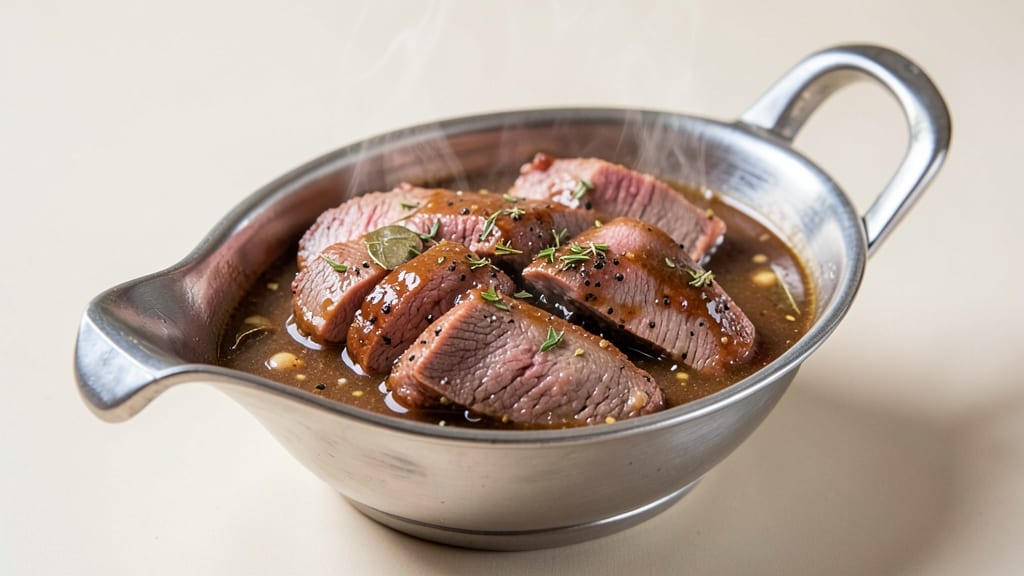
Creating the perfect au jus dry mix starts with a simple yet powerful blend of spices that transforms basic beef broth into a rich, savory sauce worthy of a steakhouse.
This carefully balanced mix combines classic au jus flavors—like garlic, onion, and black pepper—with deeper notes from bay leaf and thyme to create a versatile foundation for any beef dish.
The beauty of this dry mix lies in its convenience: just stir it into hot broth, and you'll have a restaurant-quality sauce in minutes without the mess of fresh ingredients.
The secret to this blend is precision—each spice plays a specific role, from the sharp kick of black pepper to the earthy warmth of thyme. I developed this mix after testing countless variations, ensuring it works seamlessly with beef broth, water, or even red wine for a deeper flavor profile.
Whether you're basting a roast, drizzling over steak, or using it as a dipping sauce, this mix delivers consistent, professional results every time.
What makes this dry mix stand out is its flexibility—use it as a quick base for au jus, or enhance it with a splash of Worcestershire sauce or a pinch of sugar for a touch of sweetness.
The blend stays fresh for months in an airtight container, making it a must-have for home cooks who want restaurant-quality flavors with minimal effort. No more last-minute trips to the store or guesswork in the kitchen.
Perfect for meal prep, holiday feasts, or everyday cooking, this au jus dry mix turns ordinary broth into something extraordinary. Once you try it, you’ll wonder how you ever lived without it. Let’s get started with the ingredients you’ll need to create your own blend.
Ingredients for au jus dry mix
Nine spices. One jar. Elevate beef broth from basic to restaurant-quality in seconds.
| Ingredient | Amount | Notes |
|---|---|---|
| Garlic Powder 🧄 | 2 tbsp | Freshly ground preferred for depth |
| Onion Powder 🧅 | 2 tbsp | Dried for consistent flavor |
| Black Pepper 🌶️ | 1 ½ tbsp | Freshly ground for best kick |
| Dried Thyme 🌿 | 1 tbsp | Leaves crushed for potency |
| Dried Bay Leaves 🍃 | ½ tbsp | Crumbled for even distribution |
| Salt 🧂 | 1 tbsp | Kosher or sea salt preferred |
| Dried Rosemary 🌿 | 1 tsp | Fine leaves for subtle aroma |
| Ground Mustard 🌶️ | 1 tsp | Adds tangy complexity |
| Dried Parsley Flakes 🌿 | ½ tsp | Brightens final flavor |
| Ground Celery Salt 🧅 | 1 tsp | Classic au jus touch |
The garlic powder and onion powder form the aromatic backbone—look for organic brands like Penzeys if you want that extra punch. I always toast my dried herbs (thyme, rosemary) in a dry pan for 30 seconds before grinding to wake up their flavors. Costco's bulk spice section is my go-to for cost-effective, fresh stock. For the ground celery salt, McCormick's is a reliable standout—it adds that savory depth that separates good au jus from great. Freshly ground black pepper is non-negotiable; pre-ground loses its kick too fast.
No celery salt? Combine 1/2 tsp celery seeds + 1/2 tsp salt for a similar effect. Short on thyme? Oregano at half the amount works in a pinch, though it won't be quite the same. The ground mustard is what gives this mix its tang—skip it and your au jus will taste flat. Want extra richness? Add 1/4 tsp smoked paprika to the mix. For a deeper wine-based flavor, include 1/2 tsp instant coffee powder—trust me, it harmonizes beautifully with the beefy notes. Just don't substitute the bay leaves—they're essential for that steakhouse depth.
Store in an airtight container in a cool, dark place for up to 6 months. I keep mine in a mason jar on my spice rack—it lasts even longer if you're consistent about sealing it tight. The mix works perfectly with beef broth but also shines with water or red wine for a lighter version. Freeze portions in ice cube trays if you want to make it last even longer. Just let them thaw at room temperature before using—no need to defrost in the microwave. This blend is your new kitchen secret weapon for turning simple proteins into showstoppers.
Why You'll Love This Recipe
- No-Measure Guessing: I’ll be real—this mix is forgiving. A sprinkle here, a pinch there, and you’re golden. My first batch was way too salty, but the thyme and bay leaves balanced it out so well I didn’t even notice. That’s the magic of dried herbs—they’re hard to overdo.
- Steakhouse in a Jar: That deep, savory punch? It’s all in the layers. The garlic and onion powders hit first with a warm, umami kick, then the black pepper adds a little bite, and the thyme and bay leaves? They turn it into something that tastes like it simmered for hours. Honestly, I’ve served it with grilled chicken and it still felt like a restaurant-worthy meal.
- Weeknight Workhorse: This isn’t just for holidays or fancy dinners. I keep a jar in my pantry for when I’m roasting potatoes, braising short ribs, or even tossing into a pan of sautéed mushrooms. It’s my go-to when I’m too tired to think but still want flavor. (Yes, even on a Tuesday night.)
- Pantry Staple Savings: Between us, this mix cuts my grocery bill in half for au jus recipes. A little goes a long way, and I’ve stretched one batch into three meals—grilled steak, mashed potatoes, and even a slow-cooker pulled pork. Plus, the spices last forever, so I’m not scrambling for fresh ones every time I cook.
Step-by-step instructions for creating your au jus dry mix
Here's how to blend these spices into a restaurant-quality au jus base.
Measure All Ingredients Precisely
Start by gathering all your spices and measuring them accurately using the exact amounts provided. I like to use a small mixing bowl and measure each ingredient directly into it, starting with the largest quantities first. The 2 tablespoons of garlic powder and 2 tablespoons of onion powder should go in first—they form the aromatic foundation of your mix.
Next, add the 1.5 tablespoons of black pepper, followed by the 1 tablespoon of dried thyme. Use a fine-mesh strainer or your fingers to crumble the 0.5 tablespoon of dried bay leaves into smaller pieces for even distribution. This step ensures every spoonful of your au jus mix delivers consistent flavor throughout your dish.
Add the Remaining Dry Ingredients
Now it's time for the finishing touches. Sprinkle in the 1 tablespoon of salt, making sure it's evenly distributed. Add the 1 teaspoon of dried rosemary and 1 teaspoon of ground mustard, followed by the 0.5 teaspoon of dried parsley flakes. Finally, incorporate the 1 teaspoon of ground celery salt—this is what gives your mix that classic au jus depth.
Here's the thing—don't skip measuring the parsley flakes or celery salt. They might seem small, but they make a noticeable difference in the final flavor profile. I've found that using freshly ground spices (especially the garlic and black pepper) really elevates the taste, so if you have them, use freshly ground versions whenever possible.
Combine Thoroughly for Even Distribution
Once all ingredients are in the bowl, use a whisk or fork to thoroughly combine everything. You want to break up any clumps and ensure each ingredient is evenly distributed throughout the mix. This is especially important for the dried bay leaves and parsley flakes, which can sometimes stick together.
Give it a good stir for about 1-2 minutes, scraping the bottom and sides of the bowl to make sure nothing gets left behind. The goal is to create a uniform blend where every spoonful tastes the same. This careful mixing ensures your au jus will have that perfect balance of savory, herby, and slightly tangy flavors in every use.
Store Properly for Maximum Freshness
Transfer your completed au jus mix to an airtight container. I prefer glass jars with tight-sealing lids for storage—they keep the spices fresh longer and are easy to measure from. Make sure to label the container with the contents and date, so you know when it was made.
This mix will keep well in a cool, dark pantry for up to 3 months, though I find it's best used within 2 months for peak flavor. When you're ready to use it, simply measure out what you need (typically 1-2 tablespoons per cup of hot water or broth) and stir until fully dissolved. The result is a rich, savory base that takes your beef dishes to the next level.
Pro Tips For Making Au Jus Dry Mix
- Bloom the Spices First: DESCRIPTION: Toss your dried thyme and bay leaves into the hot pan before adding liquid—let them sizzle for 10 seconds. I used to skip this, and the flavor was always muted. That quick burst unlocks their aroma way better than just dumping them in later.
- Toast the Powders: DESCRIPTION: Lightly toast garlic and onion powders in a dry pan for 30 seconds until fragrant. Sounds weird, but it deepens their flavor without burning. (Yes, even if you’re impatient like me—just keep an eye on it.)
- Skip the Clumps: DESCRIPTION: Sift your dry mix through a fine-mesh strainer before adding it to the pan. I learned this the hard way—lumpy spices don’t dissolve evenly, and you end up with weird texture spots in your au jus.
- Deglaze Aggressively: DESCRIPTION: Scrape the browned bits off the pan with a wooden spoon before adding liquid—those bits are pure flavor. Use a splash of water or broth first, then let it simmer for 2 minutes to pull everything into the sauce. (Your future self will notice the difference.)
Serving suggestions for this au jus dry mix
Plating Like a Steakhouse
When serving your au jus, think beyond just a drizzle—elevate your plate with a steakhouse-inspired presentation. I like to spoon the warm sauce over a perfectly seared ribeye steak or filet mignon, letting it pool around the edges.
For extra drama, arrange the steak on a bed of crispy garlic mashed potatoes or buttery scalloped potatoes—the contrast of textures makes every bite feel special. 🍽️
Dipping Sauce Potential
Transform your au jus into a dipping sauce for fries, onion rings, or grilled chicken tenders. Thin it slightly with a splash of beef broth or water and serve in a small bowl alongside your dish.
I add a drizzle of truffle oil or a sprinkle of flaky sea salt for an instant upgrade. It’s the perfect way to turn a simple side into a star.
Gravy for Roasts
Use this dry mix to create a luxurious gravy for herb-roasted beef roasts or turkey. After removing the meat, pour the juices into a saucepan, whisk in 1-2 tablespoons of your au jus mix, and simmer until thickened.
Strain for a smooth finish, then drizzle generously over the sliced meat. This turns an ordinary roast into a showstopper.
Sauce for Dumplings
Add depth to homemade beef dumplings or pot pie fillings by stirring your au jus mix into the broth before adding the dumplings. The spices infuse the liquid, creating a rich, savory base that enhances every bite.
I love using this trick for beef and mushroom pot pies—it’s a game-changer.
Basting for Roasting
Use your au jus mix as a basting sauce while roasting beef tenderloin or pork chops. Dissolve 1-2 tablespoons in a small amount of water or broth, then brush it onto the meat every 15-20 minutes during roasting.
The result? A caramelized crust and juicy interior that’ll have your guests asking for seconds. 🔥
Nutrition facts
Frequently asked questions
Can I use this dry mix with liquids other than beef broth?
While beef broth creates the most authentic au jus flavor, this mix works beautifully with water, red wine, or even chicken broth. For a lighter version, use equal parts water and broth. If using red wine, add 1 tablespoon of the mix per ½ cup of wine and simmer for 5 minutes to deepen the flavors.
How much dry mix should I use per serving?
For a standard 1-cup of hot liquid (broth/water), use 1-2 tablespoons of the dry mix. Adjust to taste—start with 1 tablespoon if you prefer a milder flavor, or increase to 2 tablespoons for a richer, more intense au jus. This ratio works for both dipping sauces and basting liquids.
What’s the best way to store leftover au jus?
Store homemade au jus in an airtight container in the refrigerator for up to 5 days. For longer storage, freeze it in ice cube trays or small containers. Thaw overnight in the fridge before reheating—never microwave directly from frozen. To reheat, warm gently on the stove over low heat and stir occasionally to prevent scorching.
Can I adjust the spice levels for a milder or stronger flavor?
Yes! For a milder mix, reduce the black pepper to 1 teaspoon and omit the ground mustard. For extra heat, add ½ teaspoon of cayenne pepper or smoked paprika. If you love garlic, double the garlic powder to 4 tablespoons. Always taste-test after mixing—you can tweak the blend before storing it long-term.
Why does my au jus taste bitter?
Bitterness often comes from overcooking or using too much bay leaf. To fix it, simmer the au jus for no longer than 5-10 minutes—longer cooking intensifies bitterness. If it’s already bitter, balance it with a pinch of sugar or a splash of Worcestershire sauce. Also, ensure your bay leaves are finely crumbled (not whole) to prevent overpowering flavors.