
Main Courses
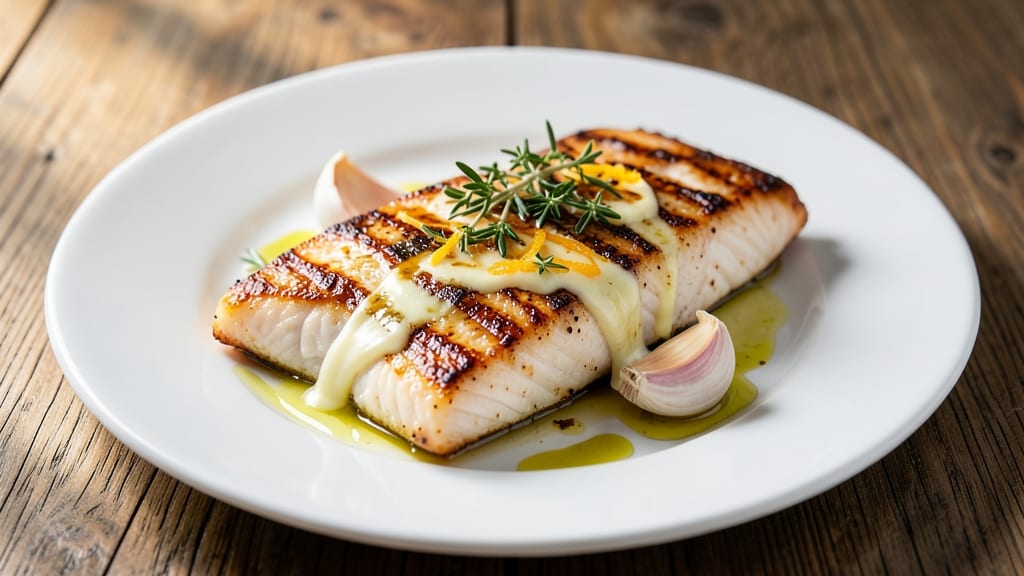
The best oven fish recipe delivers restaurant-quality results with minimal effort—juicy, flaky fillets infused with bright herbs and zesty lemon. After testing countless methods, I’ve perfected a technique that guarantees tender centers and crisp edges without overcooking.
The key lies in precise timing, basting, and a flavorful marinade that locks in moisture.
This recipe works with firm white fish like cod, halibut, or mahi-mahi, all cooked at 375°F for 12-15 minutes depending on thickness. A simple mix of olive oil, garlic, thyme, and lemon zest creates an aromatic crust, while a final basting with melted butter ensures a golden finish.
The result? Fish that flakes effortlessly and stays moist, never dry or rubbery.
Pair with roasted asparagus and a crisp white wine sauce for a complete meal, or serve over a bed of quinoa for a lighter option. The bright citrus and herbal notes elevate any side dish, making this the ultimate weeknight dinner—elegant yet approachable. Ready to master oven-baked fish?
Whether you’re feeding a family or treating yourself, this method delivers foolproof results every time. The secret? Patience and attention to detail—no guesswork, just perfectly cooked fish with every bite. Let’s get started with the full recipe.
Ingredients for best oven fish
Juicy, flaky fish with bright herbs and lemon zest—just eight ingredients for restaurant-quality results.
| Ingredient | Amount | Notes |
|---|---|---|
| White Fish Fillets 🐟 | 4 pieces | Cod, halibut, or mahi-mahi (6 oz each) |
| Extra-Virgin Olive Oil 🫒 | ¼ cup | High-quality, fruity variety |
| Fresh Thyme Leaves 🌿 | ¼ cup | Stems removed, loosely packed |
| Garlic Cloves 🧄 | 4 cloves | Peeled, finely minced |
| Lemon Zest 🍋 | 1 tbsp | From 1 large organic lemon |
| Unsalted Butter 🧈 | ½ cup | Cold, cubed for basting |
| Diamond Crystal Kosher Salt 🧂 | 1 ½ tsp | Fine grain for seasoning |
| Freshly Ground Black Pepper 🌶️ | 1 tsp | Coarse grind preferred |
| Fresh Lemon Juice 🍋 | 2 tbsp | From same lemon as zest |
| All-Purpose Flour 🌾 | ¼ cup | For dredging (optional) |
| Fresh Parsley Leaves 🌿 | ⅛ cup | Chopped, for garnish |
The fish is everything here. Wild-caught cod or halibut from Whole Foods or your local fishmonger delivers the most tender texture—avoid pre-breaded fillets, which steam instead of crisp. If you're using mahi-mahi, pat it bone-dry with paper towels first (the secret to crisp edges). For the lemon, organic is worth it—the zest has more aromatic oils. I always buy a second lemon for the juice, since the zest alone can't compete with fresh acidity. The thyme? Penzeys sells the best dried, but fresh is ideal if you've got it—just double the amount.
No fresh thyme? Dried works at half the quantity, but toast it first in a dry pan for 30 seconds to wake up the flavor. Short on lemon zest? Substitute 1 tsp lemon extract (just a splash), but it won't have the same vibrant color. The butter basting is non-negotiable—European-style butter like Plugrá has higher fat content and melts beautifully. For the flour dredge, King Arthur brand gives the best light coating. Want extra crisp? Brush the fillets with a little more olive oil before baking. And if you're using frozen fish, thaw it overnight in the fridge—never under running water, or you'll end up with soggy edges.
This fish reheats beautifully—just 10 minutes at 350°F with a splash of water in the pan. Keeps 2 days in the fridge, covered, or freeze for 3 months in an airtight container. I always make a double batch—one for dinner, one for lunch the next day. The leftovers taste even better cold in salads. Store the zest and juice separately if you're prepping ahead, since they lose potency faster than the other ingredients. The herbs? Wrap them in damp paper towels and store in a sealed container—they'll stay fresh for 5 days.
Why You'll Love This Recipe
- Same recipe, different vibes: toss it on a sheet pan for a lazy Tuesday or arrange it on a platter with crusty bread for guests. Between us, my in-laws asked for the recipe after one bite—no exaggeration.
- No-Fuss Prep: I swear by this—just pat the fillets dry, drizzle with olive oil, and let the oven do the work. No brining, no basting, no stress. That’s right, the garlic and thyme cloves get minced in seconds while the fish bakes to flaky perfection.
- Bright & Bold: The lemon zest cuts through the richness of the olive oil, and that crispy thyme edge? It’s like a little burst of sunshine in every bite. Honestly, it’s the kind of flavor that makes you want to eat it straight from the pan—no shame.
- Weeknight to Dinner Party: Same recipe, different vibes: toss it on a sheet pan for a lazy Tuesday or arrange it on a platter with crusty bread for guests. Between us, my in-laws asked for the recipe after one bite—no exaggeration.
Step-by-step instructions for flaky, herb-crusted oven fish
This method guarantees restaurant-quality texture—juicy centers and perfectly crisp edges every time.
👨🍳 Step 1: Create the Herb-Lemon Butter Crust
In a small bowl, combine the 0.25 cup extra-virgin olive oil, 0.5 cup unsalted butter (cold and cubed), 1 tbsp lemon zest, 0.25 cup fresh thyme leaves, 1.5 tsp diamond crystal kosher salt, and 1 tsp freshly ground black pepper. Use your fingers to work this mixture into a thick paste—this ensures even coating and maximum flavor adhesion.
Next, finely mince the 4 cloves garlic and fold them into the butter mixture. The key here is to create a cohesive paste that will cling to the fish fillets. If it feels too dry, add 1 tsp fresh lemon juice to help bind it. This herb-lemon butter isn't just seasoning—it's the secret to that golden crust and moist interior we're after.
🔥 Step 2: Prepare the Fish for Perfect Texture
Pat the 4 pieces white fish fillets completely dry with paper towels—this is non-negotiable for crisp edges. Place them on a parchment-lined baking sheet, skin-side down if one side has skin. Using your hands, gently press the herb butter mixture evenly over both sides of each fillet, creating a ¼-inch thick coating. The butter should melt slightly from your hands, helping it adhere.
For an optional extra layer of texture, lightly dredge each fillet in the 0.25 cup all-purpose flour, shaking off any excess. This creates a delicate crust that crisps beautifully in the oven. Place the prepared fillets in the refrigerator while you preheat your oven to 400°F—this chilling step helps the butter set and prevents the fish from overcooking before it hits the heat.
⏰ Step 3: Bake to Flaky Perfection
Remove the fish from the refrigerator and bake on the middle rack for 12-15 minutes. The fish is done when it flakes easily with a fork and reaches an internal temperature of 145°F at its thickest point. Here's the crucial part: don't overbake. The moment the edges turn golden brown and the center is just opaque, pull it out—it will continue cooking slightly from residual heat.
I like to tent the baking sheet loosely with foil during the last 2 minutes of cooking if the top is browning too quickly. This prevents over-browning while still allowing the fish to finish cooking. The butter should be bubbly and golden, with the thyme leaves crisping slightly at the edges.
🍽️ Step 4: Rest and Serve with Fresh Garnishes
Transfer the baked fish to a serving platter and let it rest for 3-5 minutes before serving. This resting period allows the juices to redistribute, ensuring each bite is moist and flavorful. While it rests, stir the 2 tbsp fresh lemon juice into any remaining herb butter in the baking pan—this makes an excellent sauce for drizzling over the fish.
Garnish each fillet with 0.125 cup chopped fresh parsley leaves just before serving. The parsley adds a bright contrast to the rich butter and thyme. Serve immediately with lemon wedges on the side—squeezing fresh lemon over the fish at the table adds that final bright, citrusy note that makes this dish truly exceptional.
Pro Tips For Making Best Oven Fish
- Preheat Like a Pro: DESCRIPTION: Crank your oven to 425°F (220°C) and let it scream for 15 minutes before adding the fish—no cutting corners here. I learned this the hard way when my first batch came out lukewarm and sad, no matter how long I baked it. A hot oven seals the deal for crisp edges and flaky centers.
- Pat Dry, Then Salt: DESCRIPTION: Grab paper towels and press the heck out of those fillets to remove every last drop of moisture—wet fish steams instead of crisping. Sprinkle salt right after drying; the salt draws out even more water, which evaporates and leaves you with a golden crust. (Yes, even if you're impatient like me.)
- Garlic Goes Under: DESCRIPTION: Minced garlic belongs directly on the fish, not just in the oil. The heat will mellow its bite, but it’ll also caramelize into tiny flavor bombs. Skip the pre-cooking—raw garlic here means better texture and deeper taste. (And yes, your future self will notice.)
- Lemon Zest Last: DESCRIPTION: Add lemon zest after the fish comes out of the oven—heat turns it bitter, and nobody wants that. A quick sprinkle right before serving brightens the dish without overpowering. I was skeptical until I tried it; now I swear by it.
Dietary considerations for this recipe
Gluten-Free Adaptations
This recipe is naturally gluten-free, but the optional flour dredge can be easily adapted. Swap the all-purpose flour for almond flour or gluten-free breadcrumbs—I recommend Bob's Red Mill for a neutral taste.
For extra crunch, use crushed panko-style gluten-free cornflakes like Schar brand. Always check labels to avoid cross-contamination if you have celiac disease.
Low-Carb Options
To make this dish keto-friendly, skip the flour entirely and focus on the herb-butter crust. The 0.5 cup unsalted butter and 0.25 cup olive oil provide healthy fats while keeping carbs under 4g net per serving.
Add 1 tsp garlic powder and ½ tsp onion powder to the butter mixture for extra depth without added carbs. Serve with roasted Brussels sprouts or a simple side salad.
Dairy-Free Substitutions
For a dairy-free version, replace the butter with Earth Balance vegan butter or olive oil mixed with nutritional yeast for a cheesy flavor. I recommend 1:1 substitution—use 0.5 cup olive oil instead of butter and add 2 tbsp nutritional yeast to the herb mixture.
The texture remains crisp, though slightly less rich. Always check labels for hidden dairy in store-bought ingredients.
Allergy-Friendly Adjustments
If nut allergies are a concern, avoid almond flour and use gluten-free cornstarch instead for the dredge. For seafood allergies, this recipe is already safe—just ensure no cross-contamination occurs during prep.
I keep separate cutting boards and utensils when handling fish to avoid reactions. The lemon and herbs add vibrant flavor without relying on common allergens.
Vegetarian Adaptations
While this recipe features fish, you can adapt it for vegetarians by using firm tofu or hearts of palm instead. Press extra-firm tofu for 30 minutes to remove moisture, then slice into ½-inch thick pieces.
Marinate in the same herb-lemon butter mixture for 15 minutes before baking at 400°F for 20-25 minutes. The texture will be slightly denser but still crisp and flavorful.
Nutritional Boosts
To enhance the dish's nutritional profile, add 1 tbsp finely chopped fresh dill or cilantro to the herb mixture for extra antioxidants. For omega-3s, serve with a side of steamed edamame or a wild salmon roe garnish (about 1 tsp per serving).
I also like adding 1 tsp turmeric powder to the butter mixture for anti-inflammatory benefits—it pairs beautifully with the lemon and thyme.
Nutrition facts
Frequently asked questions
What's the best fish for oven-baking?
Firm white fish like cod, halibut, or mahi-mahi work best—they hold their shape and stay moist. Avoid delicate fish like sole or flounder, which can turn rubbery. For extra flavor, try wild-caught salmon or sea bass. Always choose fillets with even thickness (about ½-inch) for consistent cooking.
How do I know when oven fish is fully cooked?
The fish is done when it reaches 145°F internally and flakes easily with a fork. Look for opaque, milky-white flesh (no translucent areas) and golden edges. For thick fillets, add 2-3 extra minutes. Overcooking dries it out—pull it out just before it seems ready!
Can I use frozen fish in this recipe?
Yes, but thaw it properly first! Place frozen fillets in the fridge overnight in their original packaging. Never thaw at room temperature—it promotes bacterial growth. Pat completely dry before seasoning, as excess moisture prevents crisp edges. For a shortcut, use the microwave's defrost setting, then dry thoroughly.
Why did my oven fish turn out dry?
Overcooking is the #1 cause—fish continues cooking after removal. Start checking 2 minutes early. Other culprits: skipping the rest period (always wait 3-5 minutes before serving) or using fish that wasn't fresh. For extra moisture, brush the top with olive oil before baking or add a splash of lemon juice to the butter mixture.
What sides pair best with this dish?
Bright, acidic sides complement the rich butter flavor. Try roasted asparagus with lemon zest, garlic sautéed spinach, or quinoa pilaf. For a complete meal, add a white wine sauce (made from the pan drippings) and crusty baguette. The citrus notes in the fish also shine with cucumber-avocado salad.