
Desserts
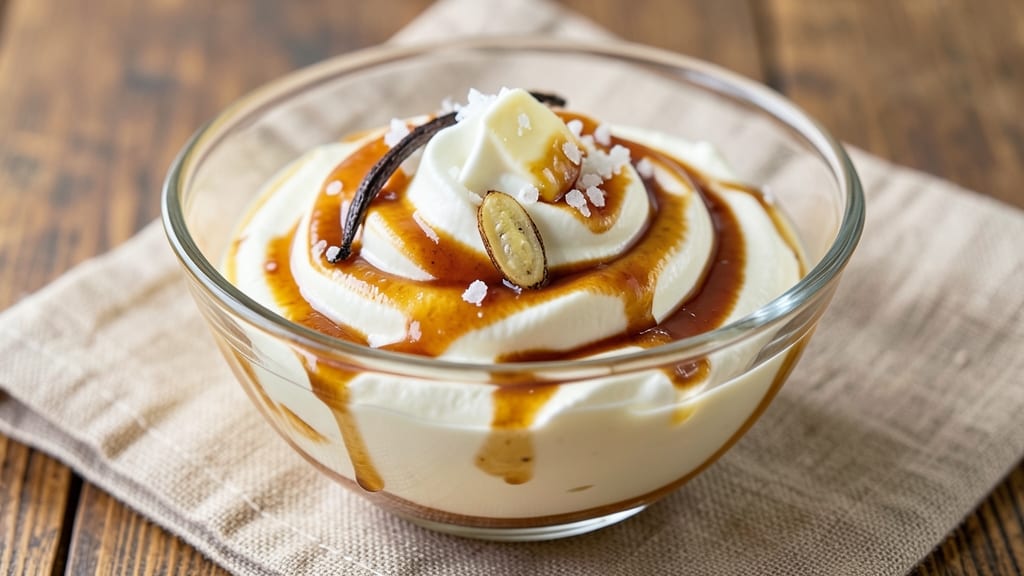
Creating a caramelized cream sauce with deep vanilla infusion transforms ordinary desserts into showstopping masterpieces—think silky crème brûlée, decadent cheesecake toppings, or elegant pastry drizzles.
This technique builds layers of flavor by gently caramelizing sugar and infusing it into warm cream, resulting in a sauce that's rich, velvety, and effortlessly luxurious. The key lies in precise temperature control and patience, ensuring the sugar reaches that perfect amber stage without burning.
What makes this sauce truly special is its versatility—it works as a glaze, a filling, or a finishing touch, yet requires just five core ingredients: heavy cream, sugar, vanilla bean, butter, and a pinch of salt.
The process is straightforward but demands attention to detail during the caramelization step, where the sugar transforms into a fragrant, golden syrup before being gently folded into the cream. This method delivers professional-quality results without specialized equipment.
The finished product is a silky, amber-hued sauce with an intense vanilla aroma and a delicate balance of sweetness and caramel depth. It coats desserts in a glossy sheen while adding a luxurious mouthfeel that elevates every bite.
Whether you're topping a slice of cake, filling a tart, or drizzling over ice cream, this sauce brings restaurant-quality elegance to your home kitchen.
For added richness, consider whisking in a touch of mascarpone or incorporating citrus zest, but the classic vanilla version remains the most foolproof foundation. The sauce keeps beautifully in the refrigerator for up to five days, making it perfect for meal prep or gifting.
Let's create this velvety masterpiece step by step.
Ingredients for caramelised cream
Five essential ingredients crafting restaurant-quality caramelized cream sauce with velvety texture and deep vanilla essence.
| Ingredient | Amount | Notes |
|---|---|---|
| Heavy Cream 🥛 | 2 cups | Full-fat for optimal richness |
| Granulated Sugar 🍚 | 1 cup | Superfine preferred for faster dissolution |
| Vanilla Bean 🌿 | 1 whole | Madagascar or Tahitian preferred |
| Unsalted Butter 🧈 | 4 tbsp | European-style preferred for flavor |
| Diamond Crystal Kosher Salt 🧂 | ¼ tsp | Fine grain for delicate seasoning |
| Cold Water 💧 | 1 tbsp | For sugar caramelization safety |
The vanilla bean is non-negotiable for authentic depth. Madagascar Bourbon or Tahitian varieties from specialty purveyors like Williams Sonoma or Penzeys deliver superior flavor. Split the pod lengthwise and scrape the seeds directly into the cream during infusion. For budget-friendly options, high-quality vanilla extract (like Madagascar) works, but fresh bean yields unparalleled aroma. The heavy cream should be cold when measuring—never warm—to prevent premature curdling during the caramelization process. Purchase organic heavy cream from brands like Organic Valley for richer flavor and better fat content.
Substitutions must preserve the sauce's delicate balance. Light cream reduces richness but works in a pinch, though texture suffers. For vanilla, vanilla bean paste (like Madagascar) offers convenience without sacrificing quality. The sugar can be swapped for turbinado or brown sugar, though caramelization timing may vary slightly. Salted butter is acceptable, but reduce the kosher salt by half. If you lack a vanilla bean, high-quality vanilla extract (1 tsp) provides a close approximation, though the sauce will lack the signature speckled appearance. The cold water is critical for safe caramelization—never substitute with cream or milk, as it risks scorching.
This sauce maintains peak quality for 5 days refrigerated when stored in an airtight container with a thin layer of plastic wrap pressed directly onto the surface to prevent skin formation. For longer storage, freeze in 1-tbsp portions using ice cube trays, then transfer to a freezer bag. Thaw overnight in the refrigerator before reheating gently over low heat. The sauce thickens upon cooling, so whisk in 1 tsp warm cream before serving if desired. Portion into small jars for elegant gifting—simply reheat and drizzle. Avoid reheating directly in the microwave, as it creates hot spots and disrupts the silky texture.
Why You'll Love This Recipe
- Four-Ingredient Magic: I swear by this recipe because it’s that simple—just cream, sugar, butter, and a vanilla bean. No whisking, no straining, no stress. The sugar melts into a golden syrup while the cream simmers into velvety perfection, and honestly? It feels like cheating.
- Vanilla Kiss: That split vanilla bean makes all the difference—it infuses the cream with a warm, floral depth that’s ridiculously satisfying. The first spoonful feels like a hug for your taste buds, especially when the salt cuts through the sweetness just right.
- Dessert or Drizzle: I use this caramelized cream over pancakes, swirled into coffee, or as a topping for fruit—it’s my secret weapon for turning ordinary breakfasts into something special. (Yes, even on a Tuesday night.)
- Lasts All Week: The leftovers keep beautifully in the fridge, and a quick reheat makes it taste fresh. Plus, the ingredients are budget-friendly—no fancy shortcuts, just rich, creamy goodness that stretches across multiple uses without breaking the bank.
Step-by-step instructions for caramelised cream
A delicate balance of heat and precision transforms simple ingredients into a luxurious sauce.
Infuse the Cream with Vanilla
Split the whole vanilla bean lengthwise and scrape out the seeds using the tip of a knife. Add both the seeds and the split pod to the 2 cups heavy cream in a medium saucepan. Bring to a gentle simmer over medium-low heat—you should see small bubbles forming at the edges but not a full rolling boil. This controlled heat ensures the cream infuses without curdling.
Simmer for 10 minutes, stirring occasionally to prevent scorching. The cream should develop a subtle vanilla aroma that fills your kitchen. Remove from heat and let it steep for an additional 5 minutes while you prepare the caramel. This resting period allows the flavors to fully meld. Strain the cream through a fine-mesh sieve to remove the vanilla pod, pressing gently to extract every last drop of flavor.
Create the Sugar Caramel
In a separate heavy-bottomed saucepan, combine the 1 cup granulated sugar and 1 tablespoon cold water. Swirl the pan gently to dissolve the sugar completely—this prevents grainy caramel. Cook over medium heat without stirring, allowing the sugar to melt and begin to turn golden.
Once the mixture reaches a deep amber color—approximately 5-7 minutes—immediately remove from heat. The caramel should be thick and syrupy, with a rich, toasty aroma. If you notice any smoke or dark streaks, reduce the heat slightly next time—this indicates the sugar is burning rather than caramelizing properly.
Temper the Cream with Caramel
Working quickly, slowly pour the strained vanilla cream into the hot caramel while whisking vigorously. The temperature difference will cause the caramel to thicken temporarily, but the cream's fat content will eventually emulsify it into a smooth sauce. Continue whisking for 2-3 minutes until the mixture becomes uniformly golden and silky.
Return the sauce to low heat and stir gently for 5 minutes, ensuring it doesn't scorch. The sauce should coat the back of a spoon and hold its shape when drizzled. Taste and adjust seasoning with the 0.25 teaspoon diamond crystal kosher salt if needed—this enhances the natural sweetness and balances the caramel's depth.
Incorporate Butter for Richness
Reduce heat to the lowest setting and cut the 4 tablespoons unsalted butter into small pieces. Add the butter one tablespoon at a time, whisking constantly until each addition is fully melted and incorporated. The sauce should become glossy and velvety, with a luxurious mouthfeel that's characteristic of properly finished caramelised cream.
Strain the sauce through a fine-mesh sieve into a clean bowl to ensure absolute smoothness. Serve immediately over warm desserts like crème brûlée, panna cotta, or fresh berries, or chill for up to 3 days for a refrigerator-stable sauce. The flavor profile will deepen as it rests, making it even more complex and aromatic.
Pro Tips For Making Caramelised Cream
- WHISK FIRST, THEN HEAT: Split the sugar and cream into two batches—whisk the cream with the vanilla seeds and half the sugar until the sugar dissolves completely before adding the rest. I learned this the hard way after watching my first batch turn grainy and clumpy. The sugar needs to melt into the cream gradually, not all at once.
- USE EUROPEAN BUTTER: If you’re picky about texture, swap the unsalted butter for European-style (like Plugrá or Bérenger), which has 82-85% fat. It melts slower and adds a richer mouthfeel without separating. I was skeptical until I tried it—now I won’t go back.
- SALT THE CREAM: Add the kosher salt to the cream before heating, not after. It dissolves better and seasons the cream evenly. I used to sprinkle it at the end, and the flavor always felt uneven—like someone forgot to season half the dish.
- STOP WHEN IT’S 170°F: Pull the cream off heat at 170°F (77°C), not when it’s bubbling like maple syrup. Overheating turns it grainy and kills the vanilla’s delicate aroma. Use a candy thermometer—yes, even if you’re impatient like me.
Regional styles of this dish
French Crème Brûlée Style
In France, this sauce is traditionally used as the velvety base for crème brûlée, where it's poured over vanilla custard before torching the sugar topping.
The key difference here is the addition of ½ teaspoon cornstarch to the cream infusion, which thickens it slightly for a more stable texture when chilled. I recommend using Madagascar vanilla bean and finishing with a sprinkle of turbinado sugar for that signature crackly crust. 🍮
Italian Panna Cotta Twist
Northern Italy transforms this sauce into a luscious panna cotta filling by infusing the cream with ½ cup mascarpone cheese and a splash of Marsala wine (about 2 tablespoons). The caramel layer becomes a delicate glaze drizzled over the chilled custard.
For extra depth, I add zest of 1 lemon to the cream infusion—it brightens the rich caramel notes beautifully. Serve with a dusting of unsweetened cocoa powder for contrast.
British Trifle Adaptation
The British version often incorporates 1 tablespoon brandy or rum into the cream infusion, creating a boozy depth perfect for trifle layers. I like to fold in ½ cup crushed sponge cake crumbs at the end for texture, then chill until set.
This sauce becomes the golden binding element between layers of custard, fruit, and whipped cream in a classic trifle. The caramelized sugar adds a sophisticated touch that elevates this traditional dessert. 🍰
Scandinavian Cardamom Variation
Nordic bakers often enhance this sauce with ½ teaspoon ground cardamom during the cream infusion, creating a warm, aromatic profile that pairs beautifully with their signature desserts.
The caramel is typically reduced slightly longer for a deeper amber color, and the finished sauce is drizzled over cloudberry compote or layered with lingonberry jam. For a modern twist, I sometimes add 1 tablespoon aquavit to the cream—it adds a subtle herbal note that complements the caramel perfectly.
Spanish Churros Glaze
In Spain, this sauce becomes a decadent glaze for churros, where it's heated until slightly thicker and drizzled over freshly fried dough. The key adaptation is adding 1 teaspoon cinnamon to the cream infusion and reducing the sugar slightly to ¾ cup for a more balanced sweetness.
I like to finish with a sprinkle of crushed pistachios for texture and color contrast. This version is best served immediately while the churros are still warm and crisp. 🍩
Middle Eastern Baklava Drizzle
For a fusion approach, Middle Eastern chefs use this sauce as a sweet glaze for baklava, replacing traditional honey or syrup. The cream infusion gets enhanced with 1 teaspoon rose water and ½ teaspoon ground cinnamon, while the caramel is reduced to a deeper amber stage.
This rich, floral sauce soaks into the phyllo layers beautifully, creating a luxurious alternative to traditional syrups. I recommend using pistachio nuts in the baklava for optimal flavor pairing. 🌿
Nutrition facts
Frequently asked questions
Can I substitute heavy cream with something lighter?
You can use half-and-half or whole milk, but the texture will be thinner and less luxurious. For best results, stick with full-fat cream—it emulsifies beautifully with the caramel and creates that signature velvety mouthfeel. If you're avoiding dairy, coconut cream works surprisingly well, though the flavor will be subtly different.
Why did my caramel turn dark and bitter?
This happens when sugar overheats or burns. Always use medium heat and watch closely—amber should be deep golden, not dark brown. A splash of cold water helps prevent burning, and a heavy-bottomed pan distributes heat evenly. If it does darken, reduce it with a bit of warm cream to balance the flavor.
How can I make this sauce thicker for layering?
Stir in 1 teaspoon cornstarch mixed with 1 tablespoon cold water and simmer for 2-3 minutes until thickened. Alternatively, chill the sauce for 2 hours—it naturally firms up. For a glossy finish, reheat gently over low heat, adding 1 teaspoon warm cream if needed to restore silkiness.
Can I add alcohol to this sauce?
A splash of vanilla extract-infused vodka (1 tbsp) or Marsala wine (2 tbsp) deepens the flavor without overpowering. Add it with the cream during infusion, then simmer until the alcohol cooks off. For a boozy twist, try rum or brandy—just reduce the sugar slightly to balance the sweetness.
What’s the best way to store leftover sauce?
Keep it refrigerated in an airtight container for up to 5 days. For longer storage, freeze in 1-tbsp portions using ice cube trays. Thaw overnight in the fridge, then reheat gently over low heat, whisking until smooth. Avoid microwaving—it creates hot spots that can break the emulsion.