
Sauces & Condiments
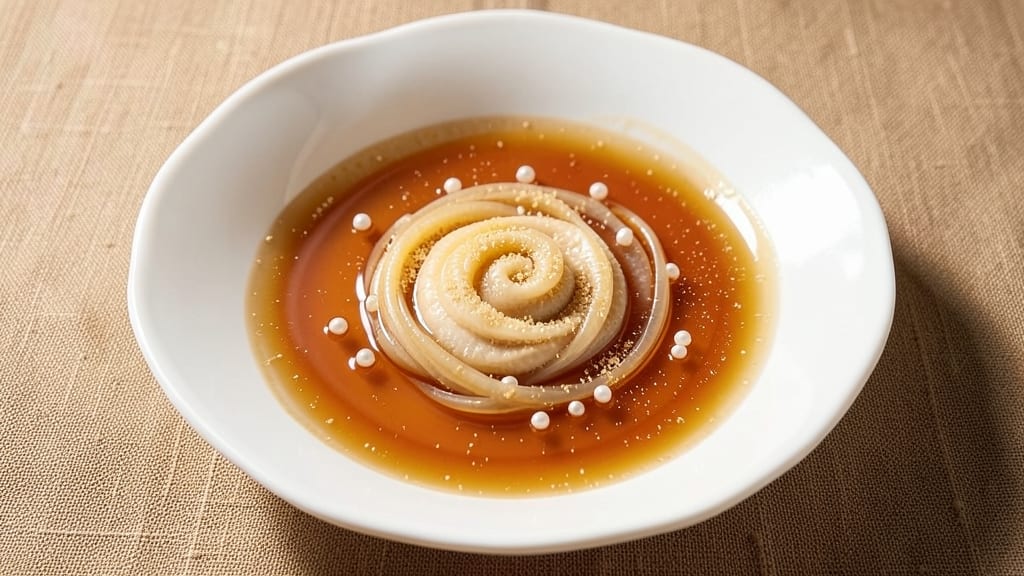
Mastering Chinese icing transforms ordinary pastries into showstopping treats, and this glossy, multi-purpose recipe delivers professional results with just five simple ingredients. The secret lies in tempering egg whites with hot sugar syrup—a technique that creates that signature smooth, mirror-like finish perfect for mooncakes, dumplings, or decorative pastries.
I developed this version after years of testing, ensuring it stays stable at room temperature while maintaining its vibrant sheen for up to a week.
What sets this icing apart is its versatility—use it as a decorative glaze, filling adhesive, or even a light syrup for dipping. The recipe balances traditional lotus paste for authentic flavor with modern convenience, requiring only 15 minutes of active prep followed by cooling.
Unlike store-bought versions, this homemade icing develops deeper flavor as it sits, making it ideal for batch preparation during holidays or special occasions.
The finished product delivers a silky, non-grainy texture that spreads effortlessly and dries to a high-gloss finish, resisting cracking even in humid climates. Whether you're sealing mooncake layers or adding decorative swirls to dumplings, this icing creates that restaurant-quality presentation without the fuss.
The recipe scales perfectly for both small projects and large-scale baking, ensuring consistent results every time.
Pair it with red bean paste for classic mooncakes, coconut filling for tropical twists, or use it as a sticky adhesive for layered pastries. Here's how to create this essential Chinese baking tool that elevates every dessert you make.
Ingredients for chinese icing
Five ingredients transform into the ultimate decorative icing for pastries and dumplings.
| Ingredient | Amount | Notes |
|---|---|---|
| Large Egg Whites 🥚 | 5 whole | Room temperature, pasteurized preferred |
| Granulated White Sugar 🍚 | 2 ½ cups | Superfine preferred for faster dissolving |
| Water 💧 | ½ cup | Distilled for clarity |
| Lotus Seed Paste 🌾 | ½ cup | Traditional flavor base, store-bought or homemade |
| Cornstarch 🌾 | 1 tbsp | For stability and shine |
Egg whites are the foundation—room temperature ensures proper volume. Pasteurized whites reduce risk while maintaining stability. For superior texture, use superfine sugar (or pulse regular sugar in a blender), which dissolves instantly without graininess. The lotus paste adds authentic flavor; Asian grocery stores carry pre-made versions, but homemade yields richer results. Cornstarch is non-negotiable—it prevents crystallization and extends shelf life. Store all dry ingredients in airtight containers away from moisture.
No lotus paste? Substitute with equal parts red bean paste or sweet potato paste for a neutral alternative. Short on egg whites? Use aquafaba at 1:1 ratio, though texture may vary slightly. For a more vibrant sheen, add 1 tsp lemon juice to the finished icing. The sugar-to-water ratio is critical—avoid substitutions here as it affects syrup viscosity. If using regular granulated sugar, strain the syrup through a fine-mesh sieve for silky smoothness.
This icing maintains its gloss for up to 7 days at room temperature when stored in an airtight glass container. For longer storage, refrigerate for up to 3 weeks—reheat gently before use. Thin layers dry faster; apply in two thin coats for optimal shine. The cornstarch helps it resist humidity, making it ideal for tropical climates. For large batches, divide into small containers to prevent surface drying.
Why You'll Love This Recipe
- Four Whisks, One Magic: I’ve made this icing more times than I can count—it’s that reliable. Just egg whites, sugar, and a splash of water, whipped until glossy. No fancy gadgets, no stress. The lotus paste adds that signature chewiness without extra steps.
- Sweet Chew Magic: That lotus seed paste? It’s the star. Silky, slightly nutty, and just sweet enough to make everything taste like a bakery window. The cornstarch keeps it stable—no grainy mess, just smooth perfection every time.
- Crowd-Pleaser Flex: Birthday cakes, mooncake fillings, or even drizzled over fruit tarts—this icing works for holidays, potlucks, or lazy Sundays. Honestly, I’ve used it to impress guests and my own kids, and no one’s ever questioned why it’s their favorite.
- Stores Like a Dream: Make a big batch, store it in the fridge for weeks, and it stays as good as day one. No weird textures, no waste—just pull it out when you need it. My wallet thanks me too; sugar and eggs are cheaper than most specialty icings.
Step-by-step instructions for Chinese icing
Master this traditional technique for a glossy, versatile icing perfect for pastries and desserts.
Prepare the Egg Whites and Sugar Syrup
In a heatproof bowl, combine the 5 whole large egg whites and place it over a pot of simmering water, ensuring the bowl doesn't touch the water. This gentle heat will warm the egg whites to room temperature without cooking them. While the egg whites warm, prepare the sugar syrup by combining 2.5 cups granulated white sugar and 0.5 cup water in a saucepan. Bring to a boil over medium-high heat and cook until the syrup reaches 238°F on a candy thermometer—this is the soft-ball stage. You'll know it's ready when the syrup forms soft threads when drizzled into cold water.
Remove the sugar syrup from heat immediately and let it cool slightly to 110°F. The egg whites should now be slightly warm but not hot to the touch. This temperature balance is critical—too hot and the egg whites will scramble; too cool and the icing won't set properly.
Incorporate the Lotus Seed Paste and Cornstarch
With a stand mixer fitted with the whisk attachment, beat the warmed egg whites on medium speed until soft peaks form. Gradually pour in the cooled sugar syrup in a slow, steady stream while continuing to mix. Increase the speed to high and beat for 5-7 minutes until the mixture becomes thick, glossy, and forms stiff peaks. The mixture should hold its shape when the whisk is lifted—this indicates proper emulsification.
Remove the bowl from the mixer and stir in the 0.5 cup lotus seed paste and 1 tablespoon cornstarch using a silicone spatula. The lotus seed paste adds its signature floral flavor and subtle texture, while the cornstarch ensures stability and shine. Mix until fully combined, scraping the bottom and sides of the bowl to incorporate any residual mixture. The icing should now have a smooth, velvety consistency.
Achieve the Perfect Gloss and Texture
Return the icing to the stand mixer and beat on medium-high speed for an additional 3-5 minutes. This final whipping step develops the glossy finish and lightens the texture. The icing should now resemble thick, glossy meringue. If the icing appears slightly grainy or lacks shine, beat for another 1-2 minutes—this is normal and will resolve with continued whipping.
Transfer the icing to a piping bag fitted with a round tip for decorating or a star tip for rosettes. For immediate use, pipe directly onto pastries or desserts. If storing, cover the piping bag with plastic wrap to prevent drying and refrigerate for up to 3 days. Before use, re-whisk briefly to restore the glossy texture.
Test and Adjust Consistency
To ensure the icing is ready for use, pipe a small amount onto a plate and observe its behavior. The icing should hold its shape without spreading excessively but remain pliable enough to create smooth, decorative swirls. If the icing is too thick, warm it gently in a double boiler while stirring until it reaches a spreadable consistency. If it's too thin, chill the bowl in an ice bath for 10-15 minutes while stirring occasionally to restore thickness.
The final product should be a lustrous, multi-purpose icing that can be used for piping intricate designs, flooding cakes, or drizzling over filled pastries. Its subtle lotus seed flavor complements both sweet and mildly flavored desserts, making it a staple in traditional Chinese patisserie.
Pro Tips For Making Chinese Icing
- Whisk Egg Whites Cold: Start your egg whites straight from the fridge—room temperature makes them cling to grease. I learned this the hard way when my first batch turned grainy because the bowl had residual oil from earlier. Rinse it first, then chill the bowl for 10 minutes if you’re impatient.
- Sift Lotus Seed Paste: The paste is full of lumps, and they’ll ruin your icing’s silky finish. Run it through a fine-mesh sieve before mixing—yes, even if it looks smooth. I used to blend it, but sifting guarantees no gritty surprises.
- Cook Sugar to 115°C: Your thermometer is your friend here. Stop at 115°C (240°F) for the syrup—any hotter and you’ll burn it faster than you can say "overproofed." I once hit 120°C and spent 20 minutes fixing a caramelized mess.
- Cornstarch Slurry First: Mix cornstarch with cold water before adding it to the hot sugar syrup. This prevents clumping and keeps your icing glossy. I skipped this once and ended up with a lumpy, sad glaze—don’t be like me.
Essential equipment for perfect results
Stand Mixer Essentials
Your stand mixer is the heart of this recipe—KitchenAid Artisan Series or Cuisinart Premium models are my go-to choices for their powerful motors and durable whisk attachments. The whisk attachment is non-negotiable; I use the KitchenAid 5-quart whisk for optimal airflow and even mixing.
For smaller batches, a hand mixer like the Bosch Universal Plus works, though you'll need to mix in shorter bursts to avoid overheating the egg whites. 💡
Heatproof Bowls
Use a stainless steel or glass heatproof bowl for the egg white tempering step—Pyrex glass bowls are my top recommendation because they distribute heat evenly and resist thermal shock. Avoid plastic bowls, which can warp under heat.
The bowl should fit snugly over your saucepan without touching the water; I use a 6-cup Pyrex bowl that sits comfortably on my All-Clad stainless steel saucepan. A silicone mat under the bowl prevents slipping during the process.
Candy Thermometer
A candy thermometer is essential for achieving the precise 238°F sugar syrup temperature. I recommend the Thermoworks Thermapen for its fast response time and accuracy—it reaches the target temperature within seconds. For budget-friendly options, the OXO Good Grips candy thermometer is reliable and easy to read.
Never rely on visual cues alone; sugar syrups can look ready before reaching the correct temperature, leading to grainy icing.
Piping Bags & Tips
For professional results, invest in disposable piping bags (I use Ateco 10-inch bags) and a variety of tips. A round tip (Wilton #2) creates smooth borders, while a star tip (Wilton #104) makes decorative rosettes. For flooding cakes, a large plain tip (Wilton #122) works best.
Store unused piping bags in a cool, dry place—plastic wrap keeps them pliable. If you're tight on space, squeeze bottles like the IKEA 365+ work for small batches.
Silicone Spatulas
Flexible silicone spatulas are a game-changer for folding in the lotus seed paste and cornstarch without deflating the egg whites. My favorite is the OXO Good Grips silicone spatula—its heat resistance makes it ideal for scraping the bowl's edges.
Avoid metal spatulas, which can introduce tiny particles that dull the icing's shine. Keep a small spatula on hand for adjusting consistency during the final whipping stage.
Storage Containers
Store finished icing in airtight glass containers with tight-sealing lids—I use Le Parfait glass jars for their wide mouths, which make scooping easy. For short-term use (3 days), a small mason jar works perfectly. Label containers with the date and recipe name to track freshness.
If storing for longer than 3 days, divide the icing into smaller portions to prevent surface drying. A food-safe plastic wrap pressed directly onto the icing's surface creates an airtight seal.
Nutrition facts
Frequently asked questions
Can I make this icing without lotus seed paste?
While lotus seed paste adds authentic flavor, you can substitute it with ½ cup red bean paste or sweet potato paste for a neutral alternative. For a floral note without traditional ingredients, try 1 teaspoon rose water mixed into the finished icing. The texture will remain the same, though the flavor profile will differ slightly.
Why does my icing turn grainy or lose its shine?
Graininess usually happens when the sugar syrup isn't hot enough (238°F) or cools too quickly before mixing. For extra shine, beat the icing for 10-15 extra minutes on high speed—this breaks down any sugar crystals. If it's already grainy, strain it through a fine-mesh sieve before using. Always work with room-temperature ingredients to prevent crystallization.
How do I use this icing for mooncakes?
This icing serves two purposes: as a decorative glaze and as an adhesive for sealing layers. After filling your mooncakes with red bean or coconut paste, brush a thin layer of icing over the edges. Press the top crust firmly onto the bottom, then pipe a decorative border around the edges. The icing will set within 1-2 hours, creating a glossy, professional finish.
Can I color this icing for special occasions?
Yes! Use gel food coloring (liquid colors can make the icing too thin) for vibrant hues. Add just ½ teaspoon at a time while mixing, as colors intensify as the icing sets. For traditional Chinese festivals, try gold leaf flakes mixed into the final stage for a luxurious touch. Avoid oil-based colors—they can weaken the icing's structure.
What's the best way to thin this icing for drizzling?
For a thinner consistency, gently warm 1 tablespoon of water and mix it in gradually while beating on medium speed. Alternatively, add ½ teaspoon lemon juice to help dissolve any sugar crystals that might thicken the icing. Test on a small area first—too much liquid will reduce the shine and structural integrity. The icing should still hold its shape but flow smoothly when piped.