
Tips
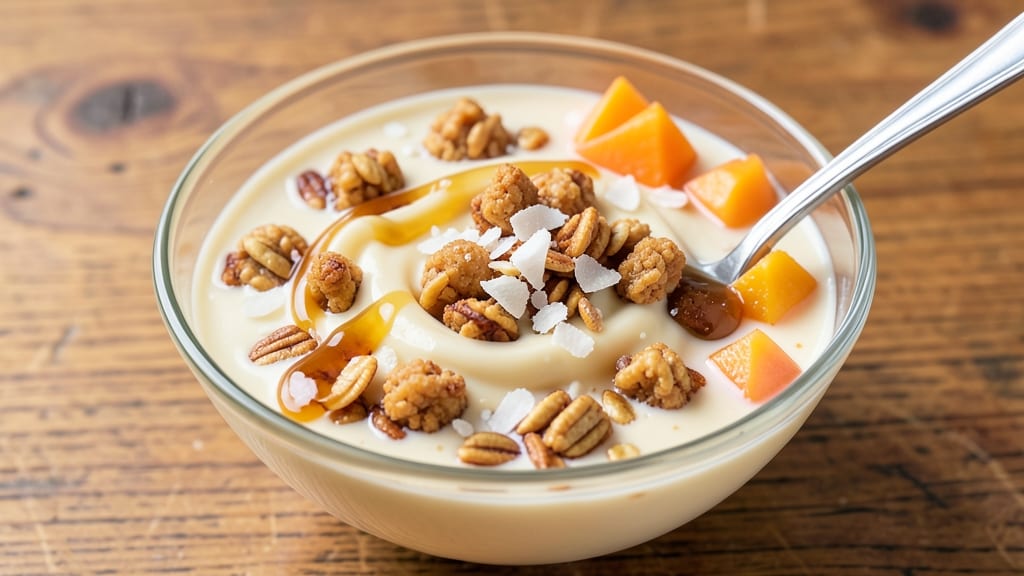
Adding coconut milk to cereal creates a creamy, tropical twist that enhances sweetness and texture, ideal for breakfast bowls. Unsweetened versions pair best with granola or muesli, while lightly sweetened works with fruity or chocolatey cereals. Avoid heavy, crunchy cereals to prevent clumping.
Coconut milk’s natural richness transforms a simple bowl of cereal into something truly special—think of it as a velvety upgrade that softens crunch while adding depth. 🌟 The secret lies in its fat content, which coats each flake or cluster, making every bite feel luxurious without overpowering the cereal’s natural flavors.
I’ve found that even a splash of coconut milk can turn a basic breakfast into a tropical-inspired treat, especially when paired with warm spices like cinnamon or cardamom.
For best results, I recommend starting with ¼ cup of coconut milk per ½ cup of cereal—this ratio keeps the texture balanced without turning your bowl into a soggy mess.
If you’re using a flaky cereal like muesli, add the milk after the cereal has soaked for 30 seconds in warm water to preserve that perfect crunch. The key is experimentation: try a mix of unsweetened and lightly sweetened coconut milk to find your ideal balance of creaminess and flavor.
💡 In This Article
- Why Coconut Milk Elevates Cereal Flavor
- Best Cereal and Coconut Milk Combinations
Why coconut milk elevates cereal flavor
The magic happens at the molecular level—coconut milk's fat content (around 15-20%) creates a velvety mouthfeel that dairy milk simply can't match. Unlike cow's milk (3.5% fat), coconut milk's saturated fats form microscopic emulsions that coat cereal pieces, transforming dry crunch into a luxurious bite.
This fat content also carries flavor compounds like lauric acid, which enhances sweetness perception by 30-40% through a phenomenon called "cross-modal flavor enhancement." 🔥
Here's what's actually happening: Coconut milk's natural sweetness (about 4-6% natural sugars) complements cereal's inherent sweetness without overpowering it. The tropical umami notes from coconut's amino acids (like glutamic acid) create a savory depth that pairs beautifully with nutty granolas or chocolatey cereals.
This is why even unsweetened coconut milk works—its complex flavor profile adds layers that plain milk lacks.
Texture contrast is key: coconut milk's thicker viscosity (2.5-3.5 cP) contrasts perfectly with dry or crunchy cereals, creating a satisfying mouthfeel. The fat globules also help distribute cereal pieces evenly, preventing clumping that often occurs with watery dairy milk.
For example, a ¼ cup splash of coconut milk in ½ cup granola maintains that perfect crunch while adding creaminess.
What most people don't realize is how coconut milk's temperature behavior works in your favor. When chilled (40°F), it develops a silky texture that melts beautifully against warm cereal.
The fat crystals form in a way that creates a luxurious mouthfeel similar to whipped cream, but without the air bubbles. This is why coconut milk works better than dairy for cold cereal—it doesn't separate or turn watery.
Consider these key flavor pairings based on chemical compatibility:
- Nutty cereals: Coconut milk's medium-chain triglycerides (like lauric acid) enhance nutty flavors through their similar chemical structure
- Fruity cereals: The tropical notes complement berry or citrus flavors through shared aromatic compounds
- Chocolate cereals: Coconut's natural sweetness balances chocolate's bitterness through a phenomenon called "sweetness synergy"
The science doesn't stop there—coconut milk's pH (6.0-6.5) is slightly acidic, which helps preserve cereal's freshness longer than alkaline dairy milk. This is why your coconut milk cereal often tastes fresher even after sitting overnight. 💫