Sauces & Condiments
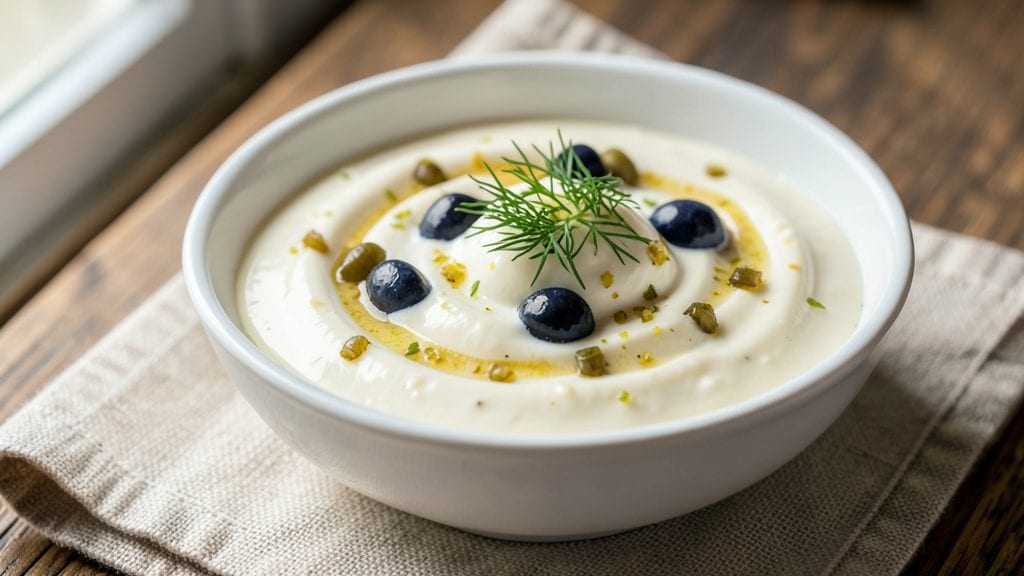
This copycat tartar sauce recipe delivers the same bright, briny, and herbaceous harmony you crave with every bite of crispy fish or golden fries. The secret lies in balancing creamy mayonnaise with tangy lemon, finely chopped capers, and fresh dill—just like the version that makes your favorite seafood spot legendary.
I’ve perfected this over years of testing, ensuring the capers stay finely chopped (no gritty surprises) and the herbs add freshness without overpowering.
The process is straightforward: mix mayo with lemon juice and Dijon mustard for depth, then fold in capers, pickles, and herbs. The key is patience—let the flavors meld for at least 30 minutes before serving, so the capers soften slightly and the dill releases its bright aroma.
This isn’t just a sauce; it’s the zesty, slightly salty, and herbaceous companion that transforms any dish into something restaurant-worthy.
What sets this apart is the texture—smooth yet slightly textured from the capers and pickles, with a tang that cuts through richness. It’s foolproof, versatile, and stays fresh in the fridge for up to a week, making it the ultimate pantry staple for seafood nights or game-day appetizers.
The recipe scales easily, so you can double it for parties without breaking a sweat.
For those avoiding dairy, a vegan mayo swaps in seamlessly, and you can adjust the lemon for extra brightness if you prefer. Whether you’re dipping, drizzling, or spreading, this tartar sauce is the professional touch your table deserves. Let’s get mixing—your taste buds will thank you.
Ingredients for copycat tartar sauce
Seven core ingredients plus two optional tweaks. That’s all you need for restaurant-style tartar sauce.
| Ingredient | Amount | Notes |
|---|---|---|
| Mayonnaise 🥛 | 1 cup | High-quality, not low-fat |
| Fresh Lemon Juice 🍋 | 2 tbsp | Freshly squeezed, not bottled |
| Dijon Mustard 🌶️ | 1 tbsp | For depth of flavor |
| Capers 🫒 | 2 tbsp | Finely chopped, no brine |
| Cornichons 🥒 | 2 whole | Finely chopped, not sliced |
| Fresh Dill 🌿 | ¼ cup | Finely chopped, stems removed |
| Fresh Chives 🌱 | 2 tbsp | Finely chopped, mild flavor |
| Kosher Salt 🧂 | ½ tsp | Adjust to taste |
| Black Pepper 🌶️ | ¼ tsp | Freshly ground, not pre-ground |
| Extra-Virgin Olive Oil 🫒 | 1 tbsp | For richness, optional |
The mayo is non-negotiable—Hellmann’s or Best Foods are the gold standards here, but any high-quality brand works. Drain the capers and cornichons thoroughly (I use a fine-mesh strainer) to avoid a watery sauce. Fresh dill is a must; dried won’t give that bright, herby punch. For the chives, I grab the baby chives from the grocery store—they’re milder and easier to chop. The lemon juice should be freshly squeezed; bottled just doesn’t cut it. If you’re using a vegan mayo, add an extra 1/2 tbsp of lemon juice to balance the flavor.
No capers? Finely chopped green olives work in a pinch, but they’ll add a different texture. Short on dill? Fresh parsley at half the amount keeps things green. The Dijon mustard can be swapped for regular yellow mustard, but you’ll lose some depth. For extra tang, add 1/2 tsp of white vinegar—it’s a secret weapon in some seafood spots. The olive oil is optional but adds a silky finish; skip it if you’re watching calories. If you’re making this ahead, fold in the olive oil last so it doesn’t separate.
This sauce keeps beautifully—up to 1 week in the fridge, sealed tightly in an airtight container. The flavors actually improve after 24 hours as everything melds together. For parties, double the batch and store in two small jars so you’re not digging into one giant container. If it thickens over time, just stir in a splash of water or lemon juice to loosen it up. Freezing isn’t recommended, but if you must, use it within 1 month for best texture.
Why You'll Love This Recipe
- Five-Ingredient Magic: I swear by this—just mayo, lemon, mustard, capers, and cornichons. That’s it. No fancy gadgets, no waiting for dough to rise, just stir and taste. Honestly, if you can open a jar, you can do this.
- Bright Zing Every Time: The lemon cuts through the richness of the mayo like a summer breeze, while the capers and cornichons add that briny punch. Between us, it’s the kind of tangy, salty-sweet balance that makes you reach for seconds—even when you’re not eating fish.
- Game for Any Meal: Slather it on fish tacos, dip crispy fries, or toss it with pasta. I’ve even used it as a sandwich spread when I’m lazy. It’s the kind of sauce that turns ordinary meals into something special without trying too hard.
- Leftovers That Don’t Let You Down: Make a big batch—it keeps for days in the fridge. No weird textures, no sad flavors. Just creamy, bright, and ready to go. I’ll be real: this is my go-to for quick lunches when I’m too tired to cook.
Step-by-step instructions for zesty tartar sauce
This method delivers that signature restaurant tartar sauce—bright, briny, and perfectly balanced every time.
Chop the Fresh Herbs and Pickles
Start by finely chopping the 2 whole cornichons and 0.25 cup fresh dill using a sharp knife. I like to remove the stems from the dill first for cleaner texture. The cornichons should be minced into tiny pieces—you want them to disappear into the sauce rather than be noticeable as chunks. For the 2 tbsp fresh chives, give them a quick snip with kitchen shears for a finer texture that distributes evenly.
Next, drain and finely chop the 2 tbsp capers—you want them to be almost paste-like so they blend seamlessly. The key here is consistency; uneven chopping can create texture issues in the finished sauce. I use a small cutting board and work in batches if needed to maintain precision. Keep all chopped ingredients in separate piles until ready to combine.
Mix the Base Ingredients
In a medium bowl, combine the 1 cup mayonnaise, 1 tbsp Dijon mustard, and 0.5 tsp kosher salt. Use a sturdy silicone spatula to mix these ingredients until fully incorporated. The mayonnaise should look smooth with no streaks of mustard remaining. This base forms the creamy foundation of your sauce, so take your time to ensure it's perfectly homogeneous.
Now add the 2 tbsp fresh lemon juice and 0.25 tsp black pepper. Give everything another thorough mix, scraping the bottom and sides of the bowl to ensure no dry spots remain. The lemon juice will brighten the flavors, while the pepper adds a subtle warmth. Taste at this stage—you should notice a tangy, slightly salty base with no raw lemon flavor remaining.
Fold in the Herbs and Capers
Gently fold in the chopped cornichons, dill, chives, and capers using light strokes. Start with the herbs first, then incorporate the capers last. The goal is to distribute everything evenly without overmixing, which could break down the mayonnaise. I like to use a figure-eight motion with my spatula to ensure the herbs are dispersed throughout while maintaining the sauce's creamy texture.
Here's where it gets fun—taste and adjust the seasoning. If the sauce needs more brightness, add another ½ teaspoon lemon juice. For extra brininess, add a pinch more salt. The sauce should balance creamy richness with bright, tangy, and slightly briny notes. This is the moment that matters: achieving that perfect harmony of flavors that makes tartar sauce so addictive.
Finish with Olive Oil (Optional)
Drizzle in the 1 tbsp extra-virgin olive oil and gently fold it into the sauce. The olive oil adds a luxurious richness that rounds out the flavors. Stir just until combined—you don't want to emulsify it completely, as the sauce should maintain its creamy texture. This step is optional but highly recommended for that signature restaurant-quality finish.
Give the sauce one final taste. It should be creamy yet bright, with a subtle brininess from the capers and cornichons. The herbs should be present but not overpowering. If you've followed these steps carefully, you'll have a sauce that's ready to serve immediately—no waiting required. This tartar sauce keeps well in the refrigerator for up to 5 days, making it perfect for meal prep.
Pro Tips For Making Copycat Tartar Sauce
- Whisk in Stages: Start with the mayo and mustard, then slowly drizzle in lemon juice—this keeps the sauce from curdling. I learned this the hard way when I dumped everything in at once and ended up with a grainy mess.
- Rinse and Pat Capers: Give those capers a quick rinse under cold water and pat them dry before adding. The brine clings to them like glue, and wet capers make your sauce watery—no one wants a soggy tartar.
- Skip the Jarred Mustard: Dijon mustard has that sharp, clean tang that jarred versions can’t replicate. If you’re in a pinch, use whole-grain mustard and strain out the seeds, but it won’t be the same.
- Pulse Cornichons Twice: Rough-chop the cornichons first, then pulse them briefly in a food processor for texture. This gives you that perfect balance of chunky and smooth—too fine, and you lose the restaurant-style bite.
Serving suggestions for this copycat tartar sauce
Classic Fish & Chips
This tartar sauce shines brightest with classic fish and chips—the creamy texture and briny notes cut through the crispy batter perfectly. I like to serve it in a small ceramic dipping bowl alongside beer-battered cod or hadock.
For extra flair, sprinkle fresh parsley on top just before serving. The contrast of warm, salty fish and cool, tangy sauce is pure magic. 🍟
Seafood Platter
Transform any seafood platter with this sauce as the star. I arrange shrimp skewers, calamari rings, and grilled salmon on a platter, then serve the tartar sauce in a small glass bowl for dipping.
For a restaurant-worthy touch, add lemon wedges on the side so guests can squeeze fresh juice over their seafood. The sauce’s herby brightness elevates every bite without overpowering delicate flavors.
Burgers & Sliders
Don’t limit tartar sauce to seafood—it’s a game-changer for beef burgers and pulled pork sliders. Spread a generous dollop on your burger bun before adding the patty, or serve it on the side for dipping.
I love pairing it with a smoky BBQ sauce for a sweet-and-tangy contrast. For sliders, use a mini croissant roll to hold the sauce neatly, making it easy to eat without a mess. 🍔
Game Day Appetizers
Tartar sauce is a crowd-pleaser at game day gatherings. Serve it in a small crock or ramekin with goldfish crackers, pretzel bites, or crudités like carrot sticks and celery. For a spicy kick, add a pinch of cayenne pepper to the sauce.
It’s the perfect balance of creamy and tangy to complement the salty snacks. Double the recipe ahead of time—it’s always a hit!
Grilled or Blackened Fish
For grilled or blackened fish fillets, this sauce adds a refreshing finish. I brush the fillets with garlic butter before grilling, then serve the tartar sauce on the side. The charred crust of the fish contrasts beautifully with the cool, creamy sauce.
For extra depth, garnish the sauce with a pinch of smoked paprika before serving. It’s a match made in flavor heaven. 🔥
Vegan Adaptations
For plant-based dishes, swap the mayo for vegan mayo and add 1 extra tbsp of lemon juice to brighten the flavor. Serve it with grilled portobello mushrooms, tofu nuggets, or vegan fish sticks.
The tangy, herby notes still shine, making it a versatile option for any diet. Store the vegan version separately to avoid cross-contamination if serving alongside dairy-based dishes.
Nutrition facts
Frequently asked questions
Why does tartar sauce need to rest before serving?
Resting the sauce for at least 30 minutes lets the flavors meld together perfectly. The capers soften slightly, the herbs release their bright aromas, and the lemon brightens without overpowering. This step transforms a good sauce into a restaurant-quality one.
Can I make tartar sauce without capers?
Yes! If you're caper-free, use finely chopped green olives (about 2 tbsp) or pickle relish (1 tbsp) for briny flavor. For a vegan version, swap in 1 tbsp of vegan mayo and add ½ tsp of white vinegar for extra tang. The texture will be slightly different but still delicious.
How do I fix tartar sauce that's too thick?
If your sauce is too thick, stir in 1 tsp of water or lemon juice at a time until it reaches a smooth, spreadable consistency. Avoid overmixing—just gently fold in the liquid until it blends in. This happens if you skip the olive oil or use too much mustard. The goal is a creamy, dip-able texture.
What’s the best way to store leftover tartar sauce?
Transfer the sauce to an airtight container and refrigerate for up to 1 week. The flavors actually improve over time! If it thickens, stir in a splash of water or lemon juice. For parties, divide it into small jars so you’re not digging into one container. Freezing isn’t recommended, but if you must, use it within 1 month for best texture.
Can I use dried herbs instead of fresh?
Fresh herbs are ideal for that bright, vibrant flavor, but if you must use dried, reduce the amount to ½ tsp per tbsp of fresh. For example, use just ¼ tsp dried dill instead of 2 tbsp fresh. Dried herbs lack moisture, so they can make the sauce taste bitter or overly concentrated. Fresh is always better!