
Main Courses
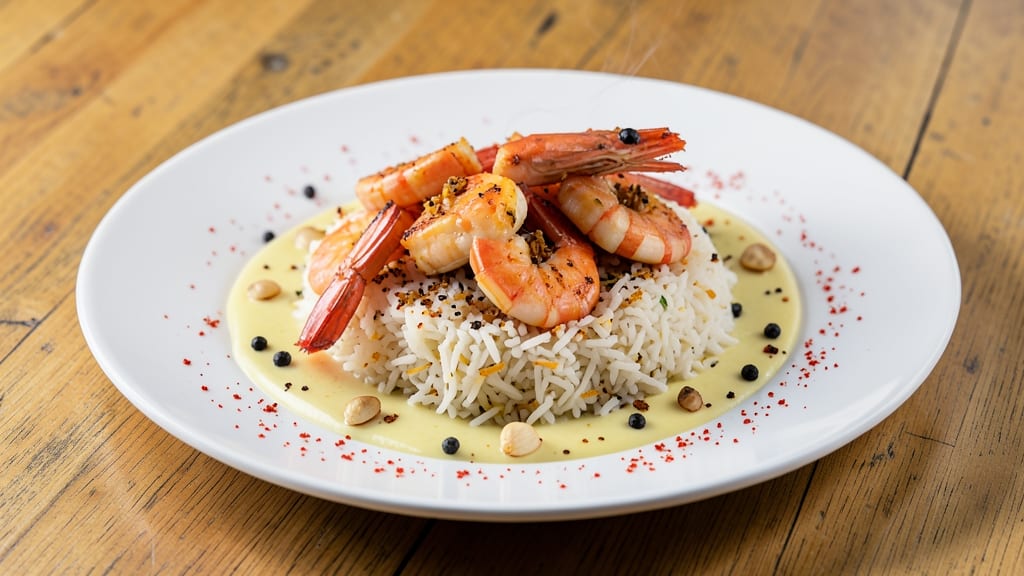
Transforming coral shrimp into spicy garlic butter bites delivers restaurant-quality flavor in just 20 minutes—without sacrificing freshness or texture. This pescatarian-friendly dish highlights the shrimp’s delicate sweetness while adding a bold kick that makes every bite unforgettable.
The secret lies in quick searing over high heat, ensuring the shrimp stays tender and juicy while absorbing the aromatic garlic butter.
What sets this recipe apart is the balance of simplicity and sophistication. With just five key ingredients—plus a few pantry staples—you’ll create a dish that feels luxurious yet requires minimal effort.
The spicy garlic butter sauce elevates the shrimp, while a squeeze of fresh lime brightens the flavors, making it perfect for weeknight dinners or entertaining. This method works for all sizes of coral shrimp, ensuring even distribution of heat and flavor.
By the time you plate these bites, you’ll have crispy-edged, tender shrimp coated in a velvety spicy garlic butter sauce, garnished with fresh herbs and a citrus twist.
The dish arrives at the table with a golden, appetizing sheen and a fragrance that promises a burst of flavor with every bite. This recipe proves that seafood doesn’t have to be complicated—just delicious.
Pair these bites with a simple garlic sautéed green salad or crusty bread to soak up the rich sauce. The versatility of this dish makes it ideal for a quick meal or a special occasion, ensuring every plate is a highlight of the evening.
Ingredients for coral shrimp
Five essential ingredients transform delicate coral shrimp into restaurant-style spicy garlic butter bites.
| Ingredient | Amount | Notes |
|---|---|---|
| Coral Shrimp (Peeled, Deveined) 🦐 | 1 ½ lb | Medium to large size, tails on or off |
| Unsalted Butter 🧈 | ½ cup | Cold, cut into 1-inch cubes |
| Garlic Cloves 🧄 | 8 cloves | Fresh, minced into fine paste |
| Red Cayenne Pepper 🌶️ | 1 tsp | Adjust for desired heat level |
| Ground Black Pepper 🌶️ | ½ tsp | Freshly cracked for intensity |
| Kosher Salt 🧂 | 1 ½ tsp | Diamond Crystal preferred |
| Fresh Lemon Juice 🍋 | 2 tbsp | From 1 medium lemon |
| Fresh Parsley 🌿 | ¼ cup | Chopped, flat-leaf preferred |
| Vegetable Oil 🫒 | ¼ cup | High smoke point for searing |
| Extra-Virgin Olive Oil 🫒 | 1 tbsp | For finishing drizzle |
The shrimp selection is critical for this recipe. Coral shrimp with tails on adds visual appeal, but tails-off works just as well for quick searing. Purchase from a reputable seafood market or trusted grocery store like Whole Foods or Trader Joe's, where the shrimp is typically flash-frozen for optimal freshness. Look for vibrant pink coloration and a clean, briny aroma—anything dull or fishy should be avoided. If using frozen shrimp, thaw in the refrigerator overnight for even cooking. The garlic should be freshly minced to release its full aromatic potential, and unsalted butter is non-negotiable for proper flavor balance.
Substitutions can be made with careful attention to quality. If red cayenne pepper is unavailable, cayenne powder or crushed red pepper flakes at half the amount will suffice, though texture may differ slightly. For those avoiding garlic, garlic powder at one-third the amount can be used, though fresh minced garlic is preferred for its depth. Fresh parsley can be swapped for cilantro or chives, though parsley's mild flavor complements the dish best. If vegetable oil isn't available, avocado oil or refined coconut oil works equally well for high-heat searing. The lemon juice can be substituted with lime juice for a slightly tangier profile, though lemon remains ideal for its bright acidity.
Proper storage ensures maximum freshness. Shrimp should be used within 2 days of purchase if fresh, or immediately after thawing if frozen. Store the shrimp in an airtight container lined with a paper towel to absorb moisture, and keep refrigerated at 34-38°F. The prepared spicy garlic butter sauce can be refrigerated for up to 3 days in an airtight container, though it's best used immediately for peak flavor. For longer storage, freeze the sauce in ice cube trays for up to 3 months, then transfer to a freezer bag. Reheat gently in a saucepan over low heat, stirring occasionally to maintain its velvety texture.
Why You'll Love This Recipe
- One-Pan Magic: I swear by this recipe when I need a meal that doesn’t require a million dishes—just shrimp, butter, and garlic in one skillet. The shrimp sizzles in its own juices while the garlic softens into a fragrant, golden blanket, and honestly? I’m cleaning up faster than I am cooking.
- Spicy-Sweet Heat: That cayenne pepper isn’t just for show—it cuts through the richness of the butter and gives the shrimp a little kick that lingers. Between us, the first bite makes me reach for another without thinking, and the black pepper ties it all together like a perfect handshake.
- Weeknight Workhorse: I’ve served this over rice for a quick dinner, tossed it into pasta for a fancy-ish weeknight meal, or even stuffed it into wraps when I’m in a rush. It’s the kind of dish that adapts without you having to plan ahead—just adjust the heat and go.
- Budget-Friendly Luxury: Coral shrimp might sound fancy, but a pound goes a long way when you’re cooking it this way. A stick of butter and a few garlic cloves stretch the flavor without breaking the bank, and leftovers reheat beautifully—because who doesn’t love a second helping of garlic-kissed shrimp?
Step-by-step instructions for spicy garlic butter coral shrimp
Here's how to transform fresh coral shrimp into restaurant-quality bites with bold garlic and cayenne.
Prepare the Garlic Butter Base
In a medium saucepan, combine the 0.5 cup unsalted butter and 0.25 cup vegetable oil over medium-low heat. Let it melt completely, then reduce heat to low to maintain a gentle simmer—this prevents burning while allowing the butter to infuse with flavor. Add the 8 cloves minced garlic cloves and cook for 1-2 minutes until fragrant but not browned.
Real talk: Freshly minced garlic makes all the difference here. If using pre-minced, pat it completely dry first to prevent splattering. Stir in the 1 tsp red cayenne pepper and 0.5 tsp ground black pepper, then remove from heat. This creates a flavorful base that will coat each shrimp perfectly without overpowering their natural sweetness.
Season and Sear the Coral Shrimp
While the garlic butter simmers, place the 1.5 lb coral shrimp (peeled, deveined) in a mixing bowl. Sprinkle evenly with the 1.5 tsp kosher salt and toss gently to distribute. Let them sit at room temperature for 5 minutes—this ensures even cooking and prevents curling during searing.
Heat a large skillet over medium-high heat until hot. Add the shrimp in a single layer, leaving space between each piece. Cook undisturbed for 1-2 minutes per side until they develop a light golden sheen—they should be opaque throughout but still slightly translucent at the edges. Don't overcrowd the pan; working in batches if needed maintains even cooking.
Finish with Citrus and Herbs
Return the garlic butter mixture to the skillet and bring to a gentle simmer. Add the cooked shrimp and toss to coat completely, ensuring each piece is fully enveloped in the spicy butter sauce. Pour in the 2 tbsp fresh lemon juice and stir gently—this brightens the dish and balances the richness of the butter.
Remove from heat and immediately sprinkle with the 0.25 cup chopped fresh parsley. Drizzle with the 1 tbsp extra-virgin olive oil for an elegant finish. The shrimp should be tender with a firm texture, and the sauce should cling beautifully without being overly thick. Serve immediately over crusty bread or with a side of roasted vegetables for a complete meal.
Optional Garnish and Serving
For presentation, arrange the shrimp on a platter and drizzle any remaining sauce from the skillet over the top. Garnish with an additional sprinkle of parsley and a few lemon wedges on the side. The shrimp should be warm but not rubbery—serve within 5 minutes of cooking for peak texture and flavor.
This method delivers perfectly tender shrimp with a crisp exterior and bold, aromatic garlic-cayenne butter. The lemon juice ensures the dish remains vibrant and fresh-tasting, while the parsley adds a pop of color and freshness. Each bite combines the natural sweetness of the shrimp with the complexity of the spiced butter sauce.
Pro Tips For Making Coral Shrimp
- Preheat Like It’s Hot: Coral shrimp cooks in seconds—if your pan isn’t screaming hot, you’ll end up with sad, rubbery shrimp. I learned this the hard way after three batches where the butter just melted instead of caramelizing. Crank that heat to medium-high and let it rip for 2-3 minutes before adding the shrimp.
- Mince Garlic Finer Than Usual: Whole garlic cloves in this dish? No. You want the flavor to disappear into the butter, not chew your guests’ jaws. Use a knife to smash the cloves flat, then slice them paper-thin—almost like confit. (Yes, even if you’re impatient like me.)
- Skip the Overcrowding: Throwing all the shrimp in at once? That’s how you steam them instead of searing. Work in batches—no more than a third of the pan at a time—so the butter can actually brown and cling to each piece. Your future self will thank you when the shrimp aren’t swimming in their own juices.
- Toss Shrimp in Cayenne First: This isn’t just a spice toss—it’s armor. Toss the shrimp in the cayenne before hitting the pan, so the heat penetrates the flesh instead of sitting on top like a sad, red powder. (Bonus: Less chance of burning the pepper into oblivion.)
Pro cooking tips for this dish
High-Heat Searing Secrets
Coral shrimp cooks in a flash—just 1-2 minutes per side—so maintaining medium-high heat is critical. I use a 12-inch cast-iron skillet (like Lodge) because it retains heat evenly and prevents the shrimp from sticking.
Preheat the pan until it's hot enough to sizzle when shrimp hits it—this ensures a perfect golden crust while keeping the inside tender. 🔥
Garlic Butter Timing
The garlic butter sauce needs to be ready before searing the shrimp to avoid overcooking. Simmer it on low heat while prepping the shrimp—this keeps the butter from burning while infusing the garlic.
I like to remove the pan from heat just before adding the shrimp, then return it to the skillet to coat them immediately. This two-step method prevents the sauce from overheating and turning bitter.
Preventing Overcrowding
Cooking shrimp in batches is non-negotiable. A crowded pan steams the shrimp instead of searing, resulting in a sad, rubbery texture. I work with half the shrimp at a time in my skillet, leaving space between each piece.
If you're short on time, use two pans—your shrimp will thank you with perfect texture every time. ⚡
Salt Before Cooking
Seasoning shrimp after cooking leads to dry, flavorless bites. Instead, toss them with 1.5 tsp kosher salt and let them sit for 5 minutes before hitting the pan. This allows the salt to draw out moisture, creating a better crust when seared.
I also recommend patting them very dry with paper towels—wet shrimp steams instead of sears.
Lemon Juice Finish
The 2 tbsp lemon juice isn't just for flavor—it's a texture game-changer. Adding it at the end brightens the dish and prevents the butter from becoming too rich. I like to squeeze it directly over the shrimp while they're still in the pan, then toss gently.
For extra zing, add a few drops of lemon zest along with the juice—it adds a fragrant, citrusy aroma that elevates the dish instantly.
Resting for Perfect Texture
After cooking, let the shrimp rest for 1-2 minutes before serving. This allows the juices to redistribute, ensuring each bite stays tender.
I also recommend keeping the sauce warm in a separate small pot—this way, you can drizzle it over the shrimp at the last moment for that restaurant-quality presentation. 💫
Nutrition facts
Frequently asked questions
Can I use frozen coral shrimp for this recipe?
Yes, but thaw it properly first! Place frozen shrimp in the refrigerator overnight, then pat completely dry with paper towels before cooking. Never thaw at room temperature—this can promote bacterial growth. For extra freshness, rinse thawed shrimp under cold water and pat dry again before seasoning.
How do I adjust the spice level for kids or sensitive eaters?
Reduce the cayenne pepper to ½ teaspoon or omit it entirely, then add ½ teaspoon of smoked paprika for warmth without heat. For milder flavor, increase the garlic to 10 cloves and add 1 teaspoon of honey to the butter sauce. Always taste the sauce before adding shrimp to balance flavors.
What's the best way to store leftover spicy garlic butter?
Transfer the sauce to an airtight container and refrigerate for up to 3 days. For longer storage, freeze in ice cube trays, then transfer to a freezer bag for up to 3 months. Reheat gently in a saucepan over low heat, stirring constantly to prevent separation. Never refreeze thawed sauce.
Can I make this recipe ahead of time?
Prepare the shrimp and sauce separately up to 1 day ahead, but don't combine them. Store shrimp in an airtight container with paper towels, and keep sauce refrigerated. Reheat shrimp in a dry skillet for 1 minute per side, then toss with warmed sauce. The best presentation comes from fresh cooking, though!
What's the difference between coral shrimp and regular shrimp?
Coral shrimp (like pink shrimp) have a sweeter, more delicate flavor and firmer texture than common white shrimp. Their pink color comes from natural carotenoids, not dye. They're perfect for quick cooking methods like searing or grilling, as they hold up well without becoming rubbery. For this recipe, their subtle sweetness shines through the spicy garlic butter.