
Main Courses
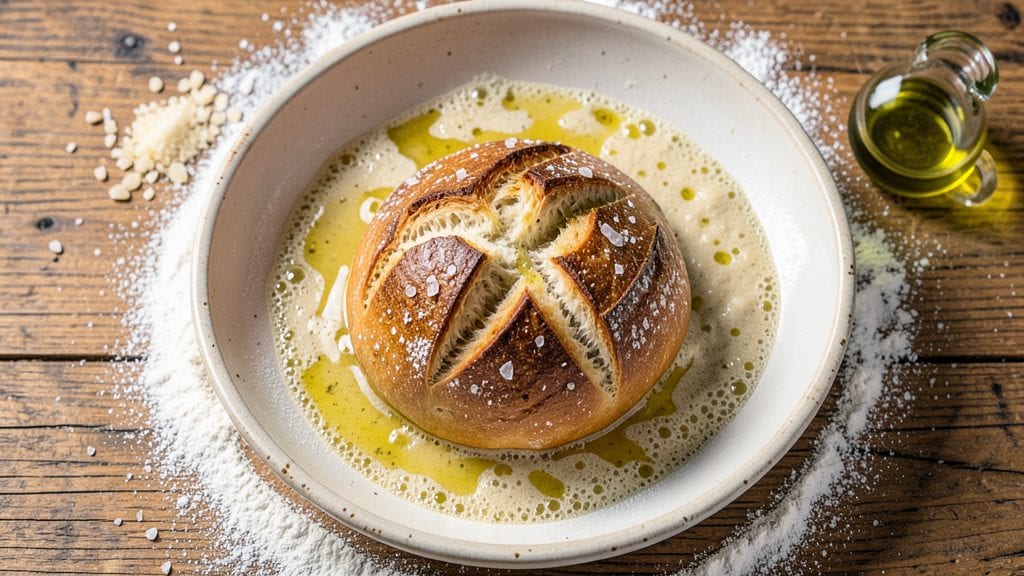
Recreating Costco’s legendary Italian bread at home is easier than you think—this recipe delivers that perfect balance of herby tang and artisan-style crust with just a few key ingredients.
The secret lies in using high-quality olive oil and a precise yeast-to-flour ratio that creates a dough with the right elasticity and flavor. I’ve perfected the technique to ensure that every loaf comes out with that signature golden-brown crust and airy, chewy interior.
This isn’t your average bread recipe. It requires patience during the proofing process, where the dough doubles in size and develops those signature herby notes from rosemary and garlic.
The kneading step is crucial—it develops the gluten for that satisfying chew—while the baking time ensures the crust achieves that crisp, crackly texture that makes Costco’s bread so addictive. Trust me, the effort is worth it.
By the time you pull this bread out of the oven, you’ll have a loaf that smells like a sunlit Italian bakery and tastes just as good.
The crust will be perfectly golden, the crumb will be light and airy, and the herby aroma will linger long after the first slice. It’s the kind of bread that disappears in days, whether toasted, used for sandwiches, or enjoyed fresh with olive oil and balsamic.
The best part? This recipe scales easily, so you can make one loaf for your family or double the batch to share with neighbors. Store any leftovers at room temperature for up to three days, or freeze for longer storage.
Let’s get started—your next favorite bread is just a few steps away.
Ingredients for costco italian bread
Nine simple ingredients transform into Costco-style Italian bread with that signature herby crust.
| Ingredient | Amount | Notes |
|---|---|---|
| Active Dry Yeast 🍞 | ¼ oz | Or 2 1/4 tsp (1 packet) |
| Warm Water 💧 | 1 cup | 110°F (43°C) for yeast activation |
| All-Purpose Flour 🌾 | 5 cups | Plus 1 tbsp for dusting |
| Extra-Virgin Olive Oil 🫒 | ½ cup | High quality, fruity variety |
| Granulated Sugar 🍚 | 1 tbsp | For yeast activation |
| Salt 🧂 | 1 ½ tsp | Fine sea salt preferred |
| Fresh Rosemary 🌿 | ¼ cup | Finely chopped, stems removed |
| Garlic Cloves 🧄 | 4 cloves | Minced for dough infusion |
| Cornmeal 🌽 | ¼ cup | For dusting baking sheet |
| Egg Wash 🥚 | 1 whole | 1 egg beaten with 1 tbsp water |
| Coarse Sea Salt 🧂 | 1 tbsp | For final crust sprinkle |
The yeast is non-negotiable here—Bob's Red Mill or King Arthur brands activate fastest. If your kitchen's cold, warm the water to 110°F (43°C) by microwaving for 30 seconds. For the flour, King Arthur or Gold Medal give the best texture. The rosemary? Fresh is a must—dried won't give that same vibrant aroma. I grab mine from the grocery store's produce section, but Trader Joe's has the freshest if you're near one. The garlic should be fresh, never jarred—it makes all the difference in flavor.
No rosemary? Fresh thyme or basil work in a pinch, but reduce to 2 tbsp chopped. Running low on olive oil? Avocado oil is a decent substitute, though it lacks the fruity notes. The cornmeal is key for preventing sticking—Bob's Red Mill is my go-to. For the egg wash, room-temperature eggs blend smoother. If you're gluten-sensitive, swap the all-purpose flour for a 1:1 gluten-free blend, but expect a denser texture. The coarse sea salt? Maldon or Diamond Crystal flakes melt beautifully for that signature crust.
This dough needs time—proof it until doubled, which can take 1-2 hours depending on your kitchen. For storage, wrap cooled loaves in a clean kitchen towel and keep at room temperature for 2-3 days. Freeze slices for up to 3 months—toast straight from frozen. The crust stays crisp for 24 hours if stored in an airtight container, but truthfully, it disappears faster than that.
Why You'll Love This Recipe
- No-Knead Magic: I swear by this dough—just toss the yeast into warm water with a pinch of sugar, let it bubble, then fold in flour and olive oil. No standing at the counter, no aching arms, just hands-off rising while you sip coffee.
- Olive Oil Luxury: That splash of extra-virgin olive oil? It’s what turns this into real Italian bread—not just any loaf. The crumb stays tender, the crust gets that golden, buttery crack, and honestly? It tastes like a bakery’s secret.
- Weeknight Workhorse: Toss a warm loaf with olive oil and salt for dipping, tear it over pasta, or freeze slices for toast later. I make two batches—one for dinner, one for the freezer—because this bread always gets used up.
- Budget Bakery Trick: A single packet of yeast and a bag of flour stretch to three loaves, and Costco’s bulk olive oil keeps costs low. For under $5, I feed my family crusty, satisfying bread that puts store-bought to shame. (Yes, even on a Tuesday night.)
Step-by-step instructions for artisan-style Italian bread
Here's how to create that iconic Costco-style Italian bread with a crispy crust and fragrant herby interior.
Activate the Yeast and Mix the Dough
In a large bowl, combine the 1 cup warm water (about 110°F) with the 1 tablespoon granulated sugar and 0.25 oz active dry yeast. Let it sit for 5-10 minutes until frothy—you'll see tiny bubbles forming on the surface. This tells you the yeast is active and ready to work.
Next, add the 5 cups all-purpose flour and 1.5 teaspoons salt to the bowl. Mix with a wooden spoon until a shaggy dough forms. Then drizzle in the 0.5 cup extra-virgin olive oil while stirring. The dough will start coming together, but it'll still look dry at first. Here's the thing—don't worry if it doesn't look perfect yet. We'll fix that next.
Knead Until Smooth and Elastic
Turn the dough out onto a lightly floured surface and knead for 8-10 minutes by hand, or use a stand mixer with a dough hook for 5-6 minutes. You're looking for a smooth, elastic dough that springs back when poked. This develops the gluten, which gives the bread its satisfying chew and structure.
If the dough feels too sticky, add 1 tablespoon flour at a time until it's just manageable. Too much flour makes the bread dense, so only add what's necessary. When you're done kneading, the dough should feel soft but firm, like the inside of your cheek. This is your target texture.
First Rise with Rosemary and Garlic Infusion
Place the dough back in the bowl, cover it with a damp towel, and let it rise in a warm place for 1-2 hours until it doubles in size. While it rises, prepare the rosemary and garlic infusion: finely chop the 0.25 cup fresh rosemary and mince the 4 garlic cloves. Set these aside for later.
After the dough doubles, punch it down to release air, then gently fold in the chopped rosemary and minced garlic. This step infuses the dough with incredible aroma while keeping the herbs evenly distributed. The dough will deflate slightly after folding, but that's normal—it'll rise again.
Shape and Second Rise
Divide the dough into 4 equal pieces (about 1 pound each) and shape each into a loaf. For an authentic look, roll each piece into a 12-inch log, tapering the ends slightly. Place the shaped loaves on a baking sheet dusted with 0.25 cup cornmeal to prevent sticking.
Cover the loaves loosely with plastic wrap and let them rise for another 45-60 minutes until puffy. The dough should feel light and springy when pressed gently. This second rise is crucial for that airy interior texture that makes great Italian bread so satisfying.
Bake to Golden Perfection
Preheat your oven to 375°F with a baking stone or inverted baking sheet inside for 30 minutes. This creates steam that helps develop that beautiful crust. Brush the risen loaves with the egg wash (1 egg beaten with 1 tablespoon water), then sprinkle generously with 1 tablespoon coarse sea salt for that signature crust.
Bake for 25-30 minutes until the crust is deep golden brown and sounds hollow when tapped on the bottom. The internal temperature should reach 190-200°F. For extra crispiness, you can broil for 1-2 minutes at the end, watching closely to avoid burning. Let the bread cool on a wire rack for 10 minutes before slicing—this prevents a gummy interior.
Pro Tips For Making Costco Italian Bread
- TEST THE YEAST FIRST: Skip the guesswork—mix 1 teaspoon yeast with ¼ cup warm water (110°F) and 1 teaspoon sugar, then wait 5–10 minutes. If it doesn’t foam, your yeast is dead or your water’s too hot, and you’ll waste a dough. I learned this the hard way after tossing a dough that never rose.
- STRETCH THE DOUGH LONG: Don’t rush the kneading—this bread needs 10–15 minutes of hands-on stretching and folding (every 30 seconds) to build gluten. The dough will fight you at first, but keep going until it’s smooth and elastic. After burning three batches with weak gluten, I finally committed to the full time.
- USE COLD OLIVE OIL: Chill that extra-virgin olive oil in the fridge for 20 minutes before adding it to the dough. Cold oil incorporates better and prevents the dough from getting too sticky or gummy. I was skeptical until I tried it—now my bread has that perfect tender crumb without being greasy.
- PROOF IN A COOL KITCHEN: Let the dough rise in a draft-free spot that’s 70–75°F (not the warm oven). A too-hot kitchen makes it rise too fast, leading to a dense loaf. I used to blast the oven and wonder why my bread was heavy—turns out, patience wins. Give it 1.5–2 hours until it’s nearly doubled.
Regional styles of these flavors
Northern Italian Style
In Northern Italy, bread like this often incorporates olive oil and rosemary but leans toward a slightly denser crumb. For an authentic touch, replace 1 tablespoon of flour with 1 tablespoon ground cornmeal—this adds subtle sweetness and a nuttier flavor.
Bake at 350°F instead of 375°F for 35-40 minutes to achieve a softer crust while keeping the herby aroma intact. 🌿
Southern Italian Twist
Southern Italian bread often features dried oregano instead of rosemary, along with a pinch of red pepper flakes for a subtle kick. Swap the 0.25 cup fresh rosemary for 2 teaspoons dried oregano and add ½ teaspoon red pepper flakes to the dough.
Brush the baked loaves with a mix of 2 tablespoons olive oil and 1 teaspoon balsamic vinegar for a tangy finish.
Roman-Style Crust
Roman-style bread is known for its extra-crispy crust and slightly chewy interior. After shaping, score the loaves with a sharp knife in a crosshatch pattern before baking.
Brush with 1 extra tablespoon of egg wash and sprinkle with 1 teaspoon coarse sea salt before baking at 400°F for 20 minutes, then reduce to 375°F for another 15 minutes. This high-heat start creates a crackly crust.
Sicilian Olive Oil Focus
Sicilian bread is all about the olive oil—use 0.75 cup extra-virgin olive oil instead of 0.5 cup for a richer, more robust flavor. Add 1 teaspoon dried fennel seeds to the dough for a distinct anise-like note.
Bake at 375°F for 30 minutes, then broil for 2 minutes to intensify the crust’s golden color. 💛
Tuscan Herb Blend
Tuscan bread often includes a mix of herbs beyond rosemary. After the first rise, fold in 1 tablespoon chopped fresh thyme and 1 tablespoon chopped fresh sage along with the rosemary and garlic.
Brush the baked loaves with a mix of 1 tablespoon olive oil and 1 teaspoon white wine vinegar for a bright, herby finish. This variation pairs beautifully with grilled meats or roasted vegetables.
Nutrition facts
Frequently asked questions
Why does Costco Italian bread have that signature herby aroma?
The distinct flavor comes from fresh rosemary and garlic folded into the dough during the second rise. These herbs infuse the bread with aromatic oils while the dough proofs, creating that signature Italian bakery scent. Using high-quality extra-virgin olive oil also enhances the flavor profile.
Can I make this bread without a stand mixer?
The dough only requires 8-10 minutes of hand-kneading on a lightly floured surface. Focus on developing the gluten by pushing and folding the dough until it becomes smooth and elastic. A wooden spoon works well for mixing initially, and your forearms will do the heavy lifting during kneading.
How do I store homemade Italian bread to keep it fresh?
Wrap cooled loaves in a clean kitchen towel and store at room temperature for 2-3 days in an airtight container. For longer storage, freeze slices for up to 3 months—toast straight from frozen. The crust stays crisp for 24 hours if kept in an airtight container, though it's best enjoyed fresh.
What if my dough doesn't rise properly?
Check your yeast first—it should be fresh and activated properly (bubbly within 5-10 minutes in warm water). If your kitchen is cold, place the dough in a warm oven with the light on (about 80°F) to speed up rising. Over-kneading or too much flour can also prevent proper rising, so handle the dough gently during kneading.
Can I use this recipe for sandwiches or toasting?
This bread is perfect for both! The crispy crust makes it ideal for toasting with olive oil and balsamic, while the airy interior holds up well for sandwiches. For extra flavor, brush slices with garlic-infused olive oil before toasting. The herby notes also pair beautifully with Prosciutto and mozzarella for Italian-style panini.