Appetizers
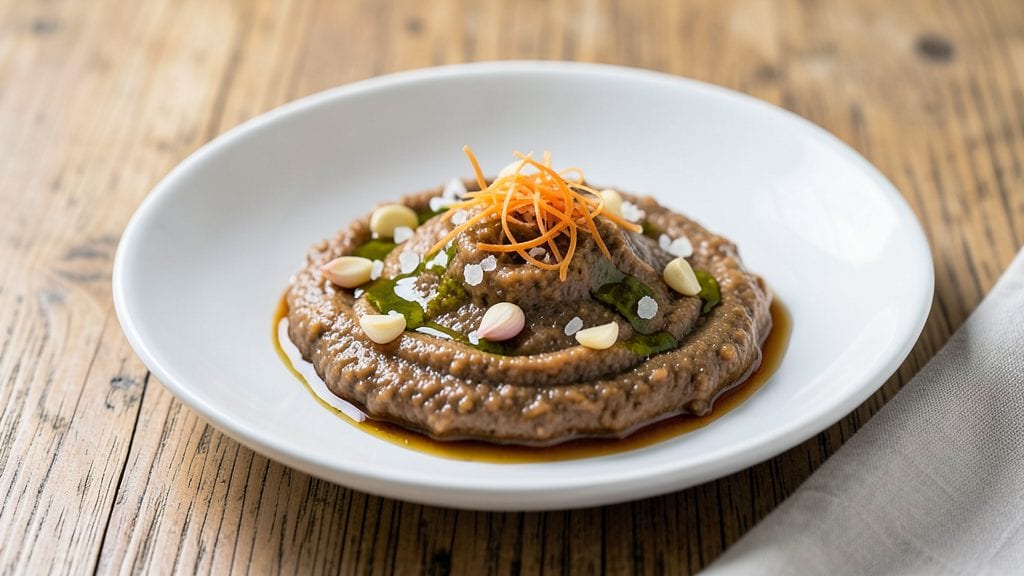
This crab paste recipe transforms simple seafood into an umami-packed experience that elevates every dish it touches. The process involves fermenting crab meat with salt and aromatics to create a concentrated, savory paste that adds depth to soups, marinades, and dips.
I developed this version after discovering how Southeast Asian cuisine uses similar pastes to amplify flavors without overpowering them.
The beauty of crab paste lies in its versatility—just a teaspoon can transform a basic seafood dish into something restaurant-worthy. This recipe uses fresh crab meat, coarse salt, and a touch of garlic for balance, with fermentation time creating that signature complex flavor profile.
The result is a thick, aromatic paste that keeps well in the refrigerator for up to two weeks.
What makes this crab paste special is how it works as both a seasoning and a flavor base. Stir it into seafood stocks for instant richness, mix it into mayo for dipping sauces, or use it as a marinade for shrimp and scallops.
The fermentation process concentrates the natural sweetness and brininess of crab, making it a pantry essential for seafood lovers.
For best results, use fresh crab meat and monitor fermentation closely—too long, and the texture becomes grainy. Store properly in an airtight container, and you'll have a condiment that turns simple meals into gourmet experiences. Let's get started on creating your flavor booster!
Ingredients for crab paste
Ten ingredients, one transformative umami experience—this crab paste recipe delivers restaurant-quality depth to seafood dishes.
| Ingredient | Amount | Notes |
|---|---|---|
| Fresh Blue Crab Meat 🦀 | 1 ½ lbs | Backfin or claw meat preferred |
| Coarse Sea Salt 🧂 | ½ cup | Diamond Crystal preferred |
| Garlic Cloves 🧄 | 6 cloves | Freshly minced, skin-on |
| Fresh Ginger Root 🌿 | 2 tbsp | Finely grated, organic preferred |
| Fish Sauce 🍶 | 2 tbsp | Red Boat preferred for quality |
| Extra-Virgin Olive Oil 🫒 | 2 tbsp | Light, fruity variety |
| Shallots 🧅 | 2 whole | Finely minced, skin-on |
| White Wine Vinegar 🍷 | 1 tbsp | Dry variety preferred |
| Brown Sugar 🍚 | 1 tbsp | Light or dark, packed |
| Fresh Cilantro Stems 🌿 | ¼ cup | Finely chopped, for freshness |
The quality of your crab meat determines the final product. Blue crab meat from reputable seafood markets—like Whole Foods or Trader Joe's—delivers the best texture and sweetness. Look for backfin or claw meat as these provide the most concentrated flavor. If using frozen crab meat, thaw it completely before processing, as ice crystals can dilute the fermentation. The coarse sea salt is critical; Diamond Crystal dissolves more slowly, creating a cleaner texture in the final paste. For the aromatics, organic ginger root from Asian markets adds a brighter, more complex flavor than conventional varieties.
No fresh crab meat? High-quality canned crab works in a pinch, but drain it thoroughly to avoid excess moisture. Substitute the fish sauce with soy sauce at half the amount, though the umami depth won't be identical. For the garlic, garlic powder at one-third the amount is acceptable, but fresh is non-negotiable for the authentic flavor. If you lack white wine vinegar, rice vinegar provides a similar acidity profile. The brown sugar can be omitted entirely if you prefer a more savory paste, but it helps balance the salt and fermentation process. For the cilantro, fresh basil stems offer a comparable freshness, though the flavor will differ slightly.
Ferment the paste in a non-reactive glass or ceramic container to prevent flavor transfer. Store in the refrigerator for up to 2 weeks, though the flavor continues to develop over time. For longer storage, portion into airtight jars and freeze for up to 3 months. The paste thickens significantly after fermentation, so start with small amounts when using—a teaspoon goes a long way. Always taste before adding more, as the intensity varies based on fermentation time. The paste can be strained for a smoother texture, but the fibrous elements add depth to dishes like soups and marinades.
Why You'll Love This Recipe
- No-Chop Necessary: I swear by this—just smash the garlic and ginger with a knife, no mincer needed. The crab meat stays tender while the coarse salt and fish sauce meld into that rich, funky depth in minutes.
- Umami Bomb: That first bite? The briny crab, the sharp kick of fish sauce, the warmth of ginger—it’s like a flavor party where everyone’s invited. Honestly, I’ve tasted store-bought pastes that can’t compete.
- Party or Pantry: Slather it on toasted baguettes for game day, stir it into ramen for a seafood upgrade, or smear it on grilled fish. It’s my go-to when I’m lazy but still want to impress. (Yes, even on a Tuesday night.)
- Lasts Like a Champ: A jar keeps for weeks in the fridge, and the flavor only gets better as the salt and fish sauce work their magic. Between us, I’ve stretched a batch into three meals without breaking a sweat. Budget win.
Step-by-step instructions for crab paste recipe
A concentrated burst of coastal flavor awaits—this umami-rich paste transforms simple seafood into extraordinary dishes.
Prepare the Crab Base
Begin by finely chopping the 1.5 lbs fresh blue crab meat into small, even pieces—think roughly the size of sea salt grains. I prefer using a sharp chef's knife for this task, working quickly to avoid any oxidation that could dull the crab's natural sweetness. Spread the chopped crab on a plate and set aside.
In a separate bowl, combine the 0.5 cup coarse sea salt with the crab. The salt will begin drawing out moisture immediately, which is essential for creating a thick, cohesive paste. Let this mixture sit for 10 minutes while you prepare the remaining aromatics. This resting period allows the salt to fully penetrate the crab, enhancing its flavor profile.
Build the Aromatic Foundation
Heat a small skillet over medium-low heat and add the 2 tbsp extra-virgin olive oil. Once the oil shimmers gently, add the 2 whole shallots and 6 cloves garlic cloves, both finely minced. Cook for 3-4 minutes until the shallots become translucent and the garlic releases its signature aroma—this should happen just as the garlic begins to turn golden.
Remove the skillet from heat and stir in the 2 tbsp finely grated fresh ginger root, 1 tbsp brown sugar, and 1 tbsp white wine vinegar. The vinegar will brighten the flavors while the sugar adds a subtle caramelization. Let this mixture cool completely before combining with the crab—this prevents the paste from becoming too oily or watery.
Combine and Process the Paste
Transfer the salted crab mixture to a food processor fitted with the metal blade attachment. Add the cooled shallot-garlic-ginger mixture, followed by the 2 tbsp fish sauce and 0.25 cup finely chopped fresh cilantro stems. Process in short bursts, scraping down the sides of the bowl as needed, until the mixture reaches a thick, spreadable consistency—this should take about 2-3 minutes of total processing time.
Taste and adjust seasoning if necessary. The paste should be intensely umami with a bright acidity from the vinegar and a subtle sweetness from the brown sugar. If it's too thick, add 1 tsp water at a time until it reaches a smooth, workable texture. The final paste should cling together when pressed between your fingers and leave a rich, aromatic residue on your fingertips.
Rest and Store for Maximum Flavor
Transfer the crab paste to a small airtight container, pressing it down firmly to eliminate any air pockets. Cover and refrigerate for at least 2 hours before using—this resting period allows the flavors to meld and deepen. The paste will continue to develop complexity over time, so it's best used within 5-7 days for optimal freshness.
When ready to use, simply spoon the paste directly onto grilled fish, shrimp skewers, or even as a bold condiment for oysters. A little goes a long way—start with 1 teaspoon per serving and adjust to taste. The paste's concentrated flavor ensures every bite carries that coastal intensity you crave.
Pro Tips For Making Crab Paste
- Pulse Ginger First: Toss the peeled ginger into your food processor before adding garlic—it breaks down faster and releases more aroma. I learned this the hard way after ending up with uneven chunks that needed extra mashing. Trust me, the texture and flavor blend smoother when ginger gets a head start.
- Salt the Crab Twice: Sprinkle half the coarse sea salt over the raw crab meat before pulsing it, then add the rest at the end. The first layer seasons the meat evenly, while the final sprinkle crisps the surface when you press it into shapes. My grandmother swore by this, and she was right: it’s the thing that matters most for that restaurant-quality texture.
- Stop Before It Sticks: Scrape down the sides of the processor every 30 seconds—especially after the first minute. Crab paste has a habit of gumming up, and once it clings, you’re fighting a losing battle. I used to ignore this, and half my batches ended up gloppy. A rubber spatula makes this easier, and your paste will thank you.
- Fish Sauce Last: Add the fish sauce after everything else is combined and give it a quick pulse—just until it’s almost fully incorporated. This keeps the bright, briny punch from cooking off during processing. I was skeptical until I tried it: the flavor hits harder and stays fresher, even after reheating.
Regional styles of this crab paste
Southeast Asian Belacan Style
Inspired by Malaysian belacan, this version swaps crab for shrimp but keeps the same fermented, salty-sweet profile. Use 1 lb shrimp shells instead of crab meat, toast them in a dry skillet for 5 minutes until deep red, then grind into a powder.
Mix with ½ cup shrimp paste (belacan) and 3 tbsp fish sauce for an authentic Southeast Asian kick. Ferment for 3-4 days in a warm spot—this creates a bold, funky depth perfect for dipping with lemongrass-steamed rice cakes. 🌶️
Japanese Kani Katsu Paste
For a Japanese-inspired twist, replace the crab with ½ lb imitation crab (surimi) and add 1 tbsp mirin and 1 tsp soy sauce to the aromatics. Process until ultra-smooth, then spread thinly on sushi rice or mix into tempura batter for a crispy, umami-packed crust.
The paste works wonders in kani katsu (crab cutlet) recipes, where it adds a sticky, savory layer that caramelizes beautifully. Use within 3 days for best texture. 🍣
Thai Som Tum-Inspired Dip
Blend this crab paste with 1 tbsp lime juice, 1 tsp palm sugar, and ½ tsp chili flakes for a som tum-style dipping sauce. The saltiness of the paste cuts through the sweetness, while the lime brightens the whole dish.
Serve with grilled prawns or steamed fish—it’s a game-changer for Thai-style seafood platters. For extra texture, add crushed peanuts and cilantro leaves just before serving. 🌿
Caribbean Jerk Fusion
Infuse the paste with 1 tsp allspice, ½ tsp thyme, and 1 tsp Scotch bonnet pepper for a Caribbean jerk twist. Use it as a marinade for grilled lobster tails or blackened mahi-mahi, letting it sit for 2-4 hours before cooking.
The smoky-spicy notes pair perfectly with mango salsa and lime wedges. Store the jerk-infused paste separately for up to 1 week due to the added spices. 🔥
French Bouillabaisse Base
For a Provençal-inspired touch, blend the crab paste with 1 tbsp saffron threads (soaked in 2 tbsp warm water) and 1 tsp fennel seeds. Stir this into fish stock for a bouillabaisse-style broth, or spread it on grilled branzino before baking.
The saffron adds a luxurious depth, while the fennel rounds out the briny crab flavor. Use within 5 days to preserve the saffron’s vibrant color. 🍷
Korean Gochujang Fusion
Combine the crab paste with 1 tbsp gochujang (Korean chili paste) and 1 tsp sesame oil for a spicy-sweet fusion that works wonders in seafood pancakes (hoe) or as a dipping sauce for raw oysters.
The gochujang adds a fruity heat that balances the crab’s saltiness. Store this version in the fridge for up to 1 week, but use it within 3 days for the freshest kick. 🌶️
Nutrition facts
Frequently asked questions
Can I substitute shrimp for crab in this recipe?
Shrimp works beautifully—just use 1.5 lbs peeled shrimp instead of crab meat. For a more authentic Southeast Asian style, try the belacan-inspired variation in our regional styles section, which uses shrimp shells and fermented shrimp paste. The texture will be slightly different but equally flavorful.
How long does this crab paste keep in the fridge?
The paste stays fresh for 5-7 days when stored in an airtight container. For longer storage, portion into small jars and freeze for up to 3 months. Thaw overnight in the refrigerator before using. The flavor actually deepens slightly over time, so it's best to make fresh batches regularly.
What's the best way to use this paste in dishes?
Start with 1 teaspoon per serving—it's intensely flavorful! Mix it into seafood stocks, spread it on grilled fish, or blend it into mayo for dipping sauces. For Thai-style dishes, combine with lime juice and chili. The paste works wonders in marinades for shrimp, scallops, or even lobster. A little goes a long way!
Why does my paste turn grainy during fermentation?
Graininess usually means the crab wasn't processed finely enough or the mixture sat too long before refrigeration. For smoother results, pulse the crab meat in short bursts and refrigerate immediately after mixing. If it's already grainy, blend with a splash of water or olive oil to restore consistency. The texture should be thick but spreadable.
Can I make this without a food processor?
Yes! Use a mortar and pestle for the crab meat and aromatics, or finely chop everything by hand. The paste will be slightly coarser but still delicious. For the best texture, process in batches and press through a fine-mesh sieve if needed. Patience is key—this method just requires more elbow grease.