
Side Dishes
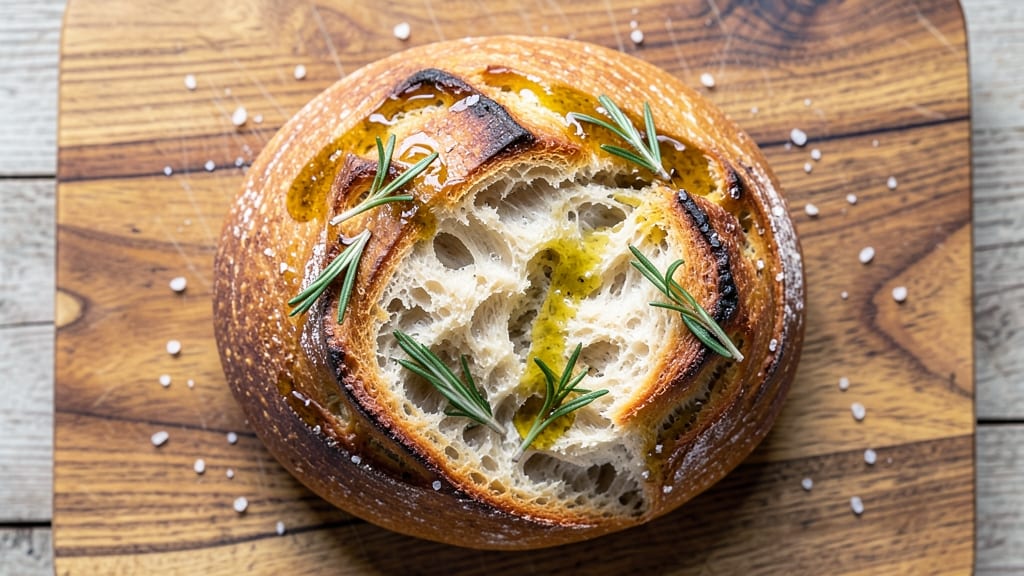
This Croatian bread recipe brings the rustic charm of Dalmatian kitchens to your table with its golden crust and tender crumb—perfect for soaking up soups or serving alongside grilled meats.
The secret lies in a long fermentation that develops deep flavor, followed by a high-heat bake that creates that signature crispy exterior. I first tried this version after visiting a family-run bakery in Split, where the bread was still warm from the peka oven.
What makes this recipe special is its simplicity combined with professional results. You'll need just five core ingredients—flour, olive oil, yeast, water, and salt—plus a few optional additions like rosemary or coarse sea salt for the crust.
The dough requires minimal handling but benefits from a slow rise, allowing gluten to relax and flavors to develop fully. This method transforms basic pantry staples into bread with restaurant-quality texture.
By the time it emerges from the oven, you'll have a loaf with a shatteringly crisp crust and an open, airy crumb that's impossibly tender. The aroma alone will have everyone gathered around your table, and each slice will be worth the wait.
This bread holds up beautifully for days, making it ideal for meal prep or gifting. Let's get started on creating your own Dalmatian-style masterpiece.
For those interested in variations, try adding garlic and herbs for a savory twist or a touch of honey for subtle sweetness. The traditional method involves baking in a peka (clay oven), but a home oven delivers equally impressive results with proper technique.
Whether you serve it fresh or toasted, this bread will become a staple in your household.
Ingredients for croatian bread
Five core ingredients transform into rustic Croatian bread with golden crust and tender crumb.
| Ingredient | Amount | Notes |
|---|---|---|
| All-Purpose Flour 🌾 | 5 cups | High-protein preferred for chewiness |
| Extra-Virgin Olive Oil 🫒 | ¾ cup | Fruity, not bitter variety |
| Active Dry Yeast 🍞 | 2 ¼ tsp | Fresh yeast at half amount |
| Warm Water 💧 | 1 ½ cups | 105-110°F for activation |
| Fine Sea Salt 🧂 | 1 ½ tsp | Kosher or flaky preferred |
| Fresh Rosemary 🌿 | ½ tsp | Finely chopped, optional |
| Coarse Sea Salt 🧂 | 1 tbsp | For crust sprinkle |
| Cornmeal 🌽 | ½ cup | For dusting parchment |
| Semolina Flour 🌾 | 2 tbsp | For dusting loaf |
The flour is your foundation here—King Arthur or Caputo Tipo 00 if you want to splurge, but good all-purpose works fine. Olive oil should be extra-virgin with fruity notes—none of that cheap cooking oil. I grab mine from Trader Joe's bulk section where it's fresh and affordable. The yeast is non-negotiable: if it's past its expiration date, toss it. Fresh yeast from the refrigerated section works too, but halve the amount. Rosemary adds that Dalmatian charm—dried works in a pinch, but fresh is brighter. For the crust, Maldon flaky salt gives that signature crunch, but any coarse sea salt does the trick.
No rosemary? Fresh thyme or oregano works just as well. Olive oil shortage? Avocado oil or melted butter keeps things moist. Short on time? Instant yeast at half the amount speeds things up, but the long fermentation is what builds flavor. The cornmeal and semolina are optional but worth it—they create that perfect pull from the loaf. If you're feeling fancy, toss in 1 tbsp honey with the yeast for a touch of sweetness. And for the love of bread, measure your flour by scooping and leveling—don't pack it down or you'll end up with a dense loaf.
This dough is a patient one—let it rise overnight in the fridge for maximum flavor. Once baked, it stays fresh for 3-4 days at room temperature, wrapped in a clean kitchen towel. For longer storage, freeze slices wrapped in parchment—toast straight from frozen. The crust gets crunchier as it cools, so resist the urge to slice immediately. I like to make two loaves at once—one for the table, one for gift-giving. Trust me, neighbors will notice.
Why You'll Love This Recipe
- Four-Ingredient Magic: I swear by this—just flour, olive oil, yeast, and salt. That’s it. No fancy pantry trips or last-minute ingredient hunts. The dough comes together in minutes, and honestly? The simplicity makes it feel like a cheat code for homemade bread.
- Crusty Gold Edge: Between us, the secret’s in the olive oil. That first bite—crisp, golden crust giving way to a soft, airy center? It’s the kind of texture that makes you pause mid-chew. (Yes, even on a Tuesday night.)
- Weeknight Wonder: This bread is my go-to for sandwiches, dipping in soups, or toasting with garlic butter. I’ve even used it to soak up olive oil like a proper Mediterranean meal. It’s the unsung hero that works for breakfast, lunch, or a lazy dinner.
- Budget-Friendly Staple: A single batch stretches for days—perfect for meal prep. The ingredients cost pennies, and the leftovers? They disappear faster than I can say “second slice.” My wallet and I both love this.
Step-by-step instructions for rustic olive oil loaf
Here's how to craft a golden-crusted Croatian bread with tender crumb and aromatic olive oil.
Activate the Yeast and Mix the Dough
In a large bowl, combine the 1.5 cups warm water with the 2.25 teaspoons active dry yeast. Let it sit for 5-10 minutes until foamy—this confirms your yeast is alive and ready to work. If it doesn't bubble, start over with fresh yeast.
To the yeast mixture, add the 5 cups all-purpose flour, 1.5 teaspoons fine sea salt, and 0.5 teaspoon finely chopped fresh rosemary. Stir just until combined, then pour in the 0.75 cup extra-virgin olive oil. Use a wooden spoon to mix until a shaggy dough forms. Here's the thing—don't overwork it at this stage. The dough should be sticky but manageable.
Knead Until Silky and Elastic
Turn the dough onto a lightly floured surface and knead for 8-10 minutes by hand, or use a stand mixer with a dough hook on medium speed for 5-6 minutes. You're aiming for smooth, elastic dough that springs back when poked. I press down gently during kneading—this develops gluten without overworking.
The dough should feel slightly tacky but not sticky to the touch. If it's too wet, add 1 tablespoon flour at a time. If too dry, add 1 teaspoon water. Once smooth, shape into a loose ball and place back in the bowl. Cover with a damp towel and let rise in a warm place for 1-2 hours, or until doubled in size.
Shape and Second Rise for Crust Development
Punch down the risen dough and turn it onto a surface dusted with 2 tablespoons semolina flour. Shape into an oval loaf about 12 inches long. Fold the ends toward the center and pinch to seal, creating a slightly tapered shape. This technique helps develop that signature crusty exterior.
Place the shaped loaf on a baking sheet dusted with 0.5 cup cornmeal. Cover again and let rise for 30-45 minutes until puffy. Preheat your oven to 375°F during this time. The dough should spring back slowly when poked—this indicates it's ready for baking.
Bake with Steam for Maximum Crisp
Just before baking, brush the loaf with a little extra olive oil and sprinkle generously with 1 tablespoon coarse sea salt. Bake for 30-35 minutes until the crust is deep golden brown and sounds hollow when tapped on the bottom. For extra crispiness, place a metal tray filled with boiling water in the oven during the first 10 minutes of baking.
Remove from the oven and let cool on a wire rack for at least 20 minutes before slicing. The interior should be soft and airy with flecks of rosemary, while the crust remains shatteringly crisp. Real talk: the first slice is always the best—save a piece for toasting tomorrow.
Pro Tips For Making Croatian Bread
- Dissolve the Yeast First: Skip mixing yeast into flour—it’ll clump like a stubborn knot. Instead, sprinkle it directly into the warm water with a pinch of sugar (if your recipe lacks it), stir for 5 minutes until it looks like frothy beer. This guarantees it’s active before you even touch the flour.
- Oil the Bowl Properly: Don’t just drizzle olive oil over the dough—coat the bowl thoroughly with a thin layer. Use about 1 tablespoon, then swirl it around so every inch is slicked. This prevents dough from sticking when it rises, and yes, it’s worth the extra 30 seconds.
- Let It Rise Twice: One rise isn’t enough. After the first bulk rise (when it’s puffy and jiggly), punch it down and let it rest 10 minutes before shaping. Then, give it a second, shorter rise after shaping—even 20 minutes makes a difference. Patience here = lighter, airier bread.
- Salt the Water: Add the sea salt to the warm water with the yeast—not the flour. This distributes it evenly from the start, so you don’t end up with salty pockets in the middle. (And no, you can’t taste it later and "fix" it.)
Flavor customization for this recipe
Herb-Infused Variations
Swap rosemary for fresh thyme or oregano to capture the Mediterranean flavors of Dalmatian coastal kitchens. I like adding 1 tsp dried thyme directly to the dough for an earthy depth, or 2 tbsp chopped oregano for a brighter punch.
For a garlic twist, mix 1 minced garlic clove into the olive oil before adding it to the dough—this creates a subtle, aromatic base that pairs perfectly with grilled meats or soups. 🌿
Sweet Twists
Transform this savory loaf into a sweet treat by adding 1 tbsp honey or 1 tbsp maple syrup to the yeast mixture. For extra richness, fold in ¼ cup chopped walnuts or sunflower seeds before shaping.
Brush the baked loaf with melted butter and sprinkle with flaky salt for a dessert-worthy finish. This version works beautifully with whipped ricotta or fig jam for breakfast or afternoon tea.
Whole Grain Boost
Replace 1 cup all-purpose flour with whole wheat flour or spelt flour for a nuttier, heartier loaf. I recommend King Arthur whole wheat flour for its lighter texture. For extra fiber, add ½ cup rolled oats to the dough—just pulse them in a food processor first to mimic flour consistency.
These variations keep the same shaping and baking technique but add a satisfying chew and deeper flavor profile.
Cheesy Delights
Fold ½ cup shredded Pecorino Romano or feta cheese into the dough for a salty, tangy kick. For a melted center, place small chunks of cheese inside the loaf before baking—this creates pockets of gooey goodness.
I love pairing this version with roasted vegetables or as a side for lamb dishes. If using feta, reduce the water slightly since cheese adds moisture to the dough.
Crispy Fried Bread
For a Croatian street-food twist, shape the dough into small 1-inch balls and fry them in olive oil at 350°F until golden brown. This creates kroštule, a beloved Dalmatian snack. Toss the fried dough in a mix of flaky salt and crushed red pepper flakes for a savory crunch.
Serve warm with garlic aioli or spicy tomato sauce for dipping. This variation requires no yeast—just mix, shape, and fry!
Nutrition facts
Frequently asked questions
What makes this Croatian bread different from Italian or French bread?
The key lies in its olive oil richness and long fermentation—traditional Croatian bread relies on extra-virgin olive oil for that fruity depth, while the slow rise develops complex flavors. Unlike French baguettes or Italian ciabatta, this loaf has a tapered shape and crispy yet shatterable crust that's unique to Dalmatian baking traditions. The rosemary or thyme adds a Mediterranean herbal note absent in many Western breads.
Can I make this bread without a stand mixer?
This dough is designed for hand-kneading. Work it on a lightly floured surface for 8-10 minutes until smooth and elastic. The sticky texture makes it perfect for hand shaping—just wet your hands slightly to prevent sticking. Many Croatian bakeries still use traditional methods with no mixers at all.
Why does my Croatian bread turn out dense instead of airy?
Dense bread usually means underproofed dough or over-kneading. Let the dough rise until it springs back slowly when poked (not immediately). Also, avoid packing flour when measuring—use the scoop-and-level method. For extra airiness, try a longer cold fermentation (overnight in the fridge) before shaping. The olive oil helps, but proper proofing is key.
How do I store leftover Croatian bread?
Wrap cooled slices in parchment paper and store in an airtight container for 3-4 days at room temperature. For longer storage, freeze slices (still wrapped) for up to 3 months. Toast straight from frozen for maximum crispiness. The crust stays fresh longer than the crumb, so slice as needed. Croatian bakeries often sell this bread the next day—it's designed to be enjoyed fresh!
Can I substitute olive oil with another fat?
Yes, but expect different results. Avocado oil or melted butter work in a pinch—they'll make the bread slightly richer. For a neutral flavor, use vegetable oil, but it won't have that signature Mediterranean taste. The olive oil is what gives this bread its authentic character, so if possible, stick with it for the best flavor.