
Side Dishes
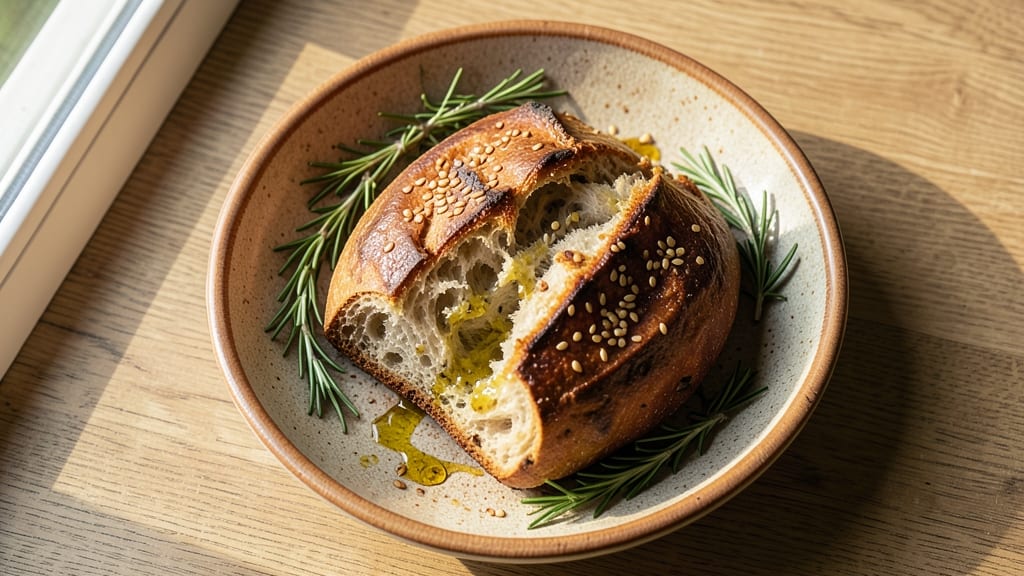
This Essene bread recipe brings an ancient, vegan flatbread tradition to your kitchen with just four simple ingredients—flour, water, oil, and salt. Originally crafted by the Essenes, this whole-grain bread delivers a satisfying crunch and hearty texture perfect for dipping or toasting.
The technique is straightforward, but the results are anything but ordinary.
What sets Essene bread apart is its simplicity and versatility. Unlike refined breads, this version relies entirely on whole grains, making it naturally gluten-free and packed with fiber.
The dough requires minimal handling—just mix, knead briefly, and shape into thin rounds before baking. No yeast, no waiting, just pure, rustic flavor.
Once baked, the bread develops a crisp exterior with a tender interior, ideal for serving with hummus, olive oil, or as a side to soups and stews. The slight nutty flavor from whole grains pairs beautifully with Mediterranean dishes, while its sturdy texture holds up perfectly for dipping.
This recipe delivers restaurant-quality results with minimal effort.
For added nutrition, consider mixing in seeds like sesame or flaxseed, or herbs like rosemary or thyme. The possibilities are endless, but the core method remains foolproof. Let’s get started on this ancient bread that’s as satisfying as it is simple.
Ingredients for essene bread
Four core ingredients plus optional extras create this ancient vegan flatbread with restaurant-quality crunch.
| Ingredient | Amount | Notes |
|---|---|---|
| Whole-Grain Flour Blend 🌾 | 3 cups | Use 100% whole wheat or spelt blend |
| Filtered Water 💧 | 1 ½ cups | Room temperature preferred |
| Extra-Virgin Olive Oil 🫒 | ¼ cup | Cold-pressed for authentic flavor |
| Sea Salt 🧂 | 1 tsp | Fine grain preferred |
| Sesame Seeds 🥜 | 2 tbsp | Optional for crunch and nutrition |
| Rosemary Sprigs 🌿 | 2 whole | Fresh, finely chopped |
| Flaxseed Meal 🌱 | 2 tbsp | For binding and omega-3 boost |
The whole-grain flour blend is critical for authentic Essene bread texture. Bob's Red Mill 11-Grain Bread Flour or King Arthur Organic Whole Wheat Flour deliver the best rustic flavor. For gluten-free adaptation, swap for certified GF whole-grain blend—Bob's Red Mill GF 1:1 works well. The olive oil should be extra-virgin with a peppery finish, like California Olive Ranch. Fresh rosemary from the grocery store's produce section adds aromatic depth, but dried works in a pinch (use half the amount). The flaxseed meal acts as a natural binder—Bob's Red Mill brand is most reliable for consistent texture.
No sesame seeds? Poppy seeds or sunflower seeds provide similar crunch. Short on rosemary? Thyme or oregano work beautifully. The flaxseed meal can be omitted entirely if preferred, though it enhances texture and nutrition. For extra flavor, add 1 tsp garlic powder or onion powder to the flour blend. The dough should be slightly sticky but manageable—add 1 tbsp more flour if too wet. Pre-mixed whole-grain flour blends from Whole Foods bulk section save time and ensure consistent quality.
Store leftover bread in an airtight container at room temperature for up to 3 days to maintain crispness. For longer storage, freeze portions for up to 2 months—reheat in a toaster oven for 3-5 minutes. The dough can be refrigerated for 24 hours before shaping if prepping ahead. For best results, bake immediately after mixing. This bread reheats beautifully—wrap in foil and warm in a 350°F oven for 5 minutes to restore crispness.
Why You'll Love This Recipe
- Four-Ingredient Magic: The whole-grain blend and olive oil do all the heavy lifting—no yeast, no kneading, just mix and bake. Honestly, my lazy Sundays now include this as a default.
- Nutty Crunch Perfection: That sesame seed topping isn’t just decoration—it adds a toasty bite that pairs insanely well with hummus or avocado. (Yes, even on a Tuesday night.)
- Meal Prep MVP: Slices beautifully for sandwiches, toasts up in seconds, and keeps for days without going stale. Between us, I’ve fed a houseful with one batch—no one complained.
- Budget-Friendly Staple: Whole grains and olive oil stretch further than you’d think, and the salt makes everything taste elevated. My wallet and taste buds both win.
Step-by-step instructions for Essene bread recipe
This ancient bread requires precise technique but delivers unmatched texture and flavor.
Combine Wet Ingredients for Optimal Binding
In a large mixing bowl, whisk together the 1.5 cups filtered water, 0.25 cup extra-virgin olive oil, and 2 tablespoons flaxseed meal. Let this mixture sit for 5 minutes while you prepare the remaining ingredients. The flaxseed meal will begin to thicken slightly, creating a natural binder that eliminates the need for eggs.
Next, finely chop the 2 whole rosemary sprigs using a sharp knife. Add them to the wet mixture along with the 1 teaspoon sea salt. Stir thoroughly to dissolve the salt completely and distribute the rosemary evenly. The mixture should be smooth with no visible rosemary chunks remaining—this ensures balanced flavor in every bite.
Gradually Incorporate the Whole-Grain Flour Blend
Add the 3 cups whole-grain flour blend to the wet mixture in stages, mixing just until combined after each addition. Use a wooden spoon or silicone spatula to gently fold the flour in, being careful not to overmix. You're looking to create a thick, sticky batter that clings together when pressed between your fingers.
This dough will be significantly wetter than traditional bread doughs, which is normal for Essene bread. The high moisture content creates that signature dense yet crumbly texture. If the mixture appears too thick after adding all the flour, add 1 tablespoon of filtered water at a time until you reach the proper consistency.
Prepare the Loaf for Baking
Lightly grease a 9x5-inch loaf pan with a small amount of extra-virgin olive oil. Pour the batter into the prepared pan and smooth the top with a wet spatula. Sprinkle the 2 tablespoons sesame seeds evenly over the surface, pressing them gently into the top layer. This creates both visual appeal and added texture.
Cover the pan with a damp kitchen towel and let it rest at room temperature for 30 minutes. This resting period allows the flaxseed binder to fully activate and the flour to hydrate completely, resulting in a more uniform crumb structure. The batter should rise slightly during this time, though not dramatically.
Bake at Low Temperature for Even Cooking
Preheat your oven to 325°F and place a small baking dish filled with 1 cup of water on the lower rack. This creates steam during the initial baking phase, which helps develop the bread's signature moist crumb. Bake the covered loaf for 45 minutes, then remove the cover and continue baking for an additional 20-25 minutes.
The bread is done when the top is deep golden brown and a toothpick inserted in the center comes out clean. The internal temperature should reach 190°F at the center. Be careful not to overbake—this bread benefits from a slightly underdone center that continues to cook as it cools, maintaining its moist texture.
Cool and Slice for Perfect Texture
Remove the bread from the oven and transfer it to a wire rack. Let it cool completely in the pan for 10 minutes, then carefully invert it onto the rack to cool for an additional 30 minutes. This gradual cooling process prevents the bread from becoming gummy or crumbling.
Once completely cooled, slice the bread using a serrated knife. The texture should be dense yet crumbly with a slightly chewy bite. Each slice should hold its shape when dipped, making it ideal for soups or as a sturdy toast base. Store any leftovers in an airtight container at room temperature for up to 5 days or freeze for longer storage.
Pro Tips For Making Essene Bread
- Use Lukewarm Water: Cold water makes the dough tough—trust me, I’ve ruined batches this way. Fill your bowl with water that’s warm to the touch (not hot) and let it sit for 5 minutes if it’s straight from the tap. The flour absorbs better, and your bread won’t turn out dense or chewy.
- Knead Just Enough: This isn’t sourdough—overworking the dough is the fast track to frustration. Mix the whole-grain blend, water, and olive oil until no dry bits remain, then do a quick 2-minute stretch-and-fold. The gluten won’t develop much, and that’s fine; it’s the rustic texture you want.
- Salt the Dough Twice: Sprinkle half the sea salt into the dry flour first, then add the rest after mixing. The first dose hydrates the grains better, while the second ensures even distribution. (Yes, it sounds fussy, but the flavor balance is worth it—your taste buds will notice.)
- Toast Seeds Before Pressing: Dry-toast the sesame seeds in a pan for 2 minutes until fragrant—skip this, and they’ll just sit there like bland confetti. Press them into the dough after shaping, not before, so they stick properly and add that nutty crunch you’re paying for.
Creative variations of this recipe
Herb-Infused Variations
Swap rosemary for fresh thyme or oregano to create Mediterranean-inspired flavors. Use 1 tbsp chopped thyme or 1 tsp dried oregano instead, and add ½ tsp lemon zest to brighten the dough.
For a savory twist, mix in 1 tbsp finely chopped sage and 1 tsp garlic powder—this pairs perfectly with roasted vegetables or tomato-based soups. 🌿
Seed & Nut Enhancements
Boost nutrition and texture by adding ¼ cup chopped walnuts or almonds to the batter before baking. For extra crunch, press 2 tbsp pumpkin seeds or sunflower seeds into the top alongside sesame seeds.
I love mixing 1 tbsp ground flaxseed directly into the flour blend for added omega-3s and binding power. These additions work especially well with dips like hummus or tahini.
Gluten-Free Adaptation
Replace the whole-grain flour with a 1:1 gluten-free blend like Bob's Red Mill GF 1:1. Add 1 extra tbsp flaxseed meal to improve binding, as GF flours absorb moisture differently. For extra structure, mix in 2 tbsp ground chia seeds—they create a gel-like consistency similar to eggs.
This version maintains the same rustic texture while being safe for celiac diets. 🌱
Sweet Essene Twist
Create a dessert version by adding ¼ cup honey or maple syrup to the wet ingredients and ½ tsp cinnamon to the flour. Top with 1 tbsp cinnamon-sugar mixture before baking.
This sweetened bread pairs beautifully with Greek yogurt or fresh fruit—perfect for breakfast or a light snack. The natural sweetness balances the whole-grain flavor beautifully.
Spiced & Smoky Version
For a bold flavor profile, add ½ tsp smoked paprika and ¼ tsp cayenne pepper to the flour blend. Enhance with 1 tsp ground cumin for an earthy depth.
This variation works exceptionally well as a side for grilled meats or spicy stews. The smoky notes complement hearty dishes while keeping the bread's signature crunch. 🔥
Flatbread Style
Skip the loaf pan and shape the batter into 6 thin rounds on a floured surface. Brush with olive oil and bake on a preheated 375°F baking sheet for 12-15 minutes until golden.
These flatbreads are perfect for dipping in olive oil and balsamic vinegar or using as wraps for falafel and veggies. The thin shape enhances the crispy texture while keeping the interior tender.
Nutrition facts
Frequently asked questions
Why does Essene bread use flaxseed instead of eggs?
The Essenes, an ancient Jewish sect, followed a plant-based diet without animal products. Flaxseed meal creates a natural binder that mimics eggs by forming a gel-like consistency when combined with water. This keeps the bread vegan while maintaining its signature dense yet crunchy texture.
Can I make Essene bread without a loaf pan?
Shape the batter into 6 thin rounds on a floured surface and bake on a greased sheet pan at 375°F for 12-15 minutes. These flatbreads work perfectly for dipping or wrapping around fillings like hummus or falafel. The texture remains crispy outside and tender inside.
What's the best way to store leftover Essene bread?
Keep it in an airtight container at room temperature for up to 5 days to preserve crispness. For longer storage, freeze slices wrapped in parchment paper for up to 2 months. Reheat in a toaster oven at 350°F for 3-5 minutes to restore crunch.
Why does my Essene bread turn out gummy instead of crunchy?
Overbaking or improper cooling causes gummy texture. Bake until the center reaches 190°F (toothpick clean) but don't overcook. Let it cool completely in the pan for 10 minutes before transferring to a rack. If still gummy, slice thicker and toast briefly to restore crispness.
What are the most popular ways to serve Essene bread?
Use it as a sturdy dipping bread with hummus, olive oil, or balsamic vinegar. Toast slices with avocado mash or tahini for breakfast. The hearty texture also works well as a side for soups, stews, or Mediterranean mezze platters.