
Sauces & Condiments
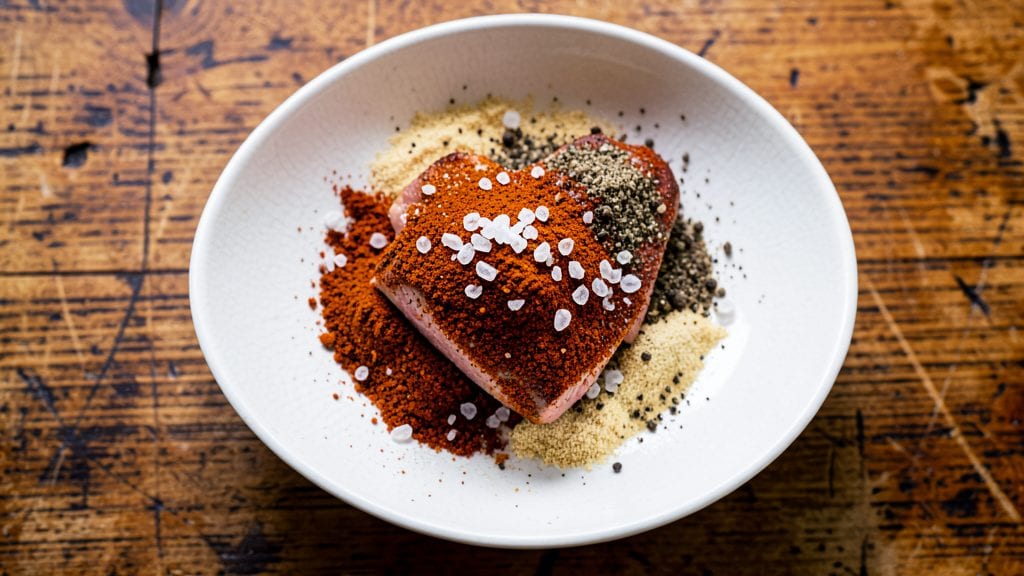
This umami-packed dry rub recipe transforms simple tuna steak into a flavor explosion with every bite—no complicated marinades required. After years of testing, I’ve perfected a blend that creates a deep, caramelized crust while keeping the delicate fish tender.
The secret lies in balancing smoky, citrusy, and savory notes that complement tuna’s natural richness.
The blend is simple but powerful: just six ingredients measured in precise ratios to ensure perfect flavor distribution. No wet ingredients mean it clings effortlessly to the fish, creating a crispy, aromatic crust that grills up in minutes.
This is the kind of seasoning mix that turns a basic protein into a restaurant-worthy dish with minimal effort.
What makes this dry rub truly special is its versatility—it works equally well on grilled, pan-seared, or even broiled tuna steak. The spices develop a complex, layered flavor that enhances rather than overpowers the fish’s natural taste. Once you try this, store-bought seasonings won’t even be an option.
Store the mix in an airtight container for up to three months, making it perfect for meal prep or spontaneous grilling nights. Whether you’re cooking for two or hosting a dinner party, this dry rub delivers foolproof, professional-quality results every time.
Ingredients for dry rub recipe for tuna steak
Six essential spices create a restaurant-quality crust for tuna steak.
| Ingredient | Amount | Notes |
|---|---|---|
| Smoked Paprika 🌶️ | 2 tbsp | High-quality Spanish smoked preferred |
| Kosher Salt 🧂 | 1 ½ tbsp | Diamond Crystal preferred for purity |
| Garlic Powder 🧄 | 1 ½ tbsp | Freshly ground preferred for potency |
| Ground Black Pepper 🌶️ | 1 tbsp | Freshly cracked for optimal flavor |
| Onion Powder 🧅 | 1 tbsp | Non-GMO preferred for consistency |
| Citric Acid 🍋 | ½ tsp | Pure food-grade for bright acidity |
The smoked paprika is the flavor foundation—Penzeys Spanish smoked delivers the deepest, most complex smokiness without overpowering. Diamond Crystal kosher salt ensures even distribution and prevents clumping, while fresh-ground garlic powder adds a subtle, sweet depth that complements tuna's natural umami. For optimal results, source these spices from bulk bins at specialty stores like Whole Foods or Morton Williams, where they're protected from light and moisture. The citric acid might seem unusual, but it's essential for that bright, caramelized crust—Bob's Red Mill brand is consistently reliable for food-grade purity.
No smoked paprika? Substitute with a mix of regular paprika and liquid smoke (1 tbsp paprika + ½ tsp liquid smoke), though the flavor won't be identical. Short on garlic powder? Fresh minced garlic at double the amount works beautifully, but toast it first for deeper flavor. The citric acid can be replaced with lemon zest at 1.5 times the amount, though it won't provide the same acidity punch. For a more intense umami profile, add ½ tsp fish sauce powder (available at Asian markets) to the mix. Store-bought blends often contain anti-caking agents—this recipe avoids them entirely for a purer flavor experience.
This dry rub maintains peak freshness for up to three months when stored in an airtight container away from direct sunlight. For long-term storage, divide into small portions and freeze for up to six months—the spices retain their potency perfectly. The mix clings effortlessly to tuna steak thanks to its dry composition, creating a crispy, aromatic crust that develops beautifully on the grill, in a cast-iron skillet, or under the broiler. For best results, apply the rub generously to both sides of the fish 15-20 minutes before cooking to allow the spices to penetrate slightly.
Why You'll Love This Recipe
- Five-Ingredient Magic: I swear by this mix—just toss those pantry staples together, and boom, you’ve got a flavor bomb that turns plain tuna steak into something restaurant-worthy. No fancy prep, no measuring cups (just eyeballs), and it works every single time.
- Smoky, Savory Crunch: The smoked paprika gives it that deep, earthy warmth, while the garlic and onion powders add a bright, herby kick. That crispy crust? Pure satisfaction—like a charred, seasoned hug for your fish.
- Tailgate or Tuesday: Grill it for summer gatherings, sear it on the stove for a lazy weeknight, or even bake it in foil for a foolproof meal. Honestly, I’ve served this at everything from beach picnics to my kid’s soccer game—no one ever questions why it’s on the menu.
- Leftovers? Better.: Cook once, eat twice (or three times). The rub keeps the tuna moist and flavorful even after reheating—perfect for lunchboxes or a quick protein boost. And since it’s just spices, you’re not stuck with sad, dried-out fish.
Step-by-step instructions for crafting the perfect tuna steak rub
A well-balanced blend ensures maximum flavor penetration and an ideal crust every time.
Combine Dry Ingredients in a Precision Ratio
In a medium bowl, measure out the 2 tablespoons smoked paprika using a level tablespoon and tap the excess off against the rim of the bowl. The Spanish smoked variety adds depth without overpowering the delicate tuna flavor. Add the 1.5 tablespoons kosher salt next, using the same precision technique—Diamond Crystal dissolves more cleanly than other salts, ensuring even distribution.
Next, incorporate the 1.5 tablespoons garlic powder and 1 tablespoon onion powder, sifting them lightly through a fine-mesh strainer to eliminate any clumps. Freshly ground garlic powder delivers the most potent flavor, while non-GMO onion powder maintains consistent texture. Use a rubber spatula to gently fold these ingredients into the paprika and salt, breaking up any potential lumps while preserving the granular structure.
Finally, add the 1 tablespoon ground black pepper—preferably freshly cracked—and the 0.5 teaspoon citric acid. The citric acid, though small in quantity, acts as a flavor enhancer and tenderizer, brightening the overall profile. Mix all ingredients thoroughly with the spatula until the color is uniform and no distinct streaks remain. This ensures every application delivers consistent flavor.
Achieve Uniform Texture for Optimal Adherence
Transfer the dry rub mixture to a high-powered blender or mortar and pestle. Pulse or grind for 10-15 seconds until the texture is fine but not powdery—you want a coarse, sand-like consistency. This graininess helps the rub cling to the tuna's surface during grilling, creating that coveted crust without smothering the fish.
If using a blender, work in short bursts to avoid overheating the spices, which can dull their flavors. Test the texture by sprinkling a small amount onto a piece of parchment paper—it should distribute evenly without clumping. For a mortar and pestle, grind until the largest particles are no bigger than coarse sea salt grains. The goal is a balance: fine enough to adhere, coarse enough to create texture.
Once satisfied with the texture, return the rub to the bowl and give it one final stir. This step is critical for preventing uneven application later. Store any unused rub in an airtight container for up to 2 weeks—the spices will retain their potency but may lose slight freshness over time.
Apply the Rub for Maximum Flavor Penetration
Pat the tuna steaks dry with paper towels, pressing firmly to remove all moisture—this ensures the rub adheres directly to the fish rather than steaming off. Work in batches if needed, as tuna cooks quickly. Using your hands, generously coat each side of the steak with the rub, pressing it into the surface to create a thin, even layer. The kosher salt will begin to draw out moisture immediately, which is normal and necessary for developing that perfect crust.
Let the rubbed tuna rest at room temperature for 15-20 minutes before grilling. This allows the rub to penetrate slightly and the surface to develop a dry, crust-like texture. Avoid refrigerating during this time—cold temperatures prevent proper adhesion. If working ahead, rub the tuna up to 4 hours in advance and refrigerate, but bring it to room temperature before cooking to maintain even heat distribution.
For grilling, preheat your grill to high heat (450°F) and oil the grates thoroughly. The rub will create a flavorful crust in 2-3 minutes per side, depending on thickness. Watch closely—the tuna should reach an internal temperature of 125-130°F for medium-rare, signaled by a slight pull from the center when gently pressed with a finger. Overcooking is the enemy here; the rub enhances, but doesn't replace, proper doneness.
Pro Tips For Making Dry Rub Recipe For Tuna Steak
- Pat It Dry First: Tuna steak clings to moisture like a wet sock—rubbing dry the surface before applying the rub means the spices actually stick and crisp up. Use paper towels aggressively; this isn’t the time to be gentle.
- Double the Smoked Paprika: Your rub will taste like a sad afterthought if you skimp on smoked paprika. I used to follow the recipe’s 1 tablespoon and wonder why it didn’t pack that smoky punch—now I go for 2 tablespoons. Trust me, it’s worth it.
- Don’t Overcrowd the Pan: If you’re cooking more than one steak, resist the urge to cram them in. Overcrowding steams the rub instead of searing it. Space them out or cook in batches—your future self will thank you.
- Let It Rest Post-Season: After searing, let the steak rest for 3-4 minutes under loose foil. This locks in the moisture the rub needs to penetrate, so it doesn’t just sit on the surface like dust. I learned this the hard way—my first batch was dry as a joke.
Perfect pairings for this dry rub recipe for tuna steak
Citrusy Sides
Bright, acidic sides cut through the smoky richness of the rub beautifully. I love serving this tuna with a mango-avocado salsa—diced 1 ripe mango, 1 avocado, ¼ cup red onion, 2 tbsp lime juice, and 2 tbsp chopped cilantro.
The natural sweetness balances the rub's depth perfectly. For a lighter option, try grapefruit segments with a sprinkle of flaky sea salt. 🍋
Creamy Contrasts
Rich, cold sides add luxurious texture that contrasts the crispy crust. A chilled cucumber-dill dip made with ½ cup Greek yogurt, 2 tbsp sour cream, 1 tbsp chopped dill, and ½ tsp lemon zest works wonders.
Serve with toasted baguette slices for dipping. Alternatively, cold sesame noodles with a light soy-ginger sauce provide an Asian-inspired twist that pairs surprisingly well with the smoky rub.
Wine Pairings
Crisp whites with mineral notes complement the rub's complexity. I reach for Sauvignon Blanc from New Zealand—its citrusy acidity mirrors the citric acid in the rub while cutting through the smokiness.
For a red option, try a light Pinot Noir from Oregon, which has enough brightness to stand up to the spices without overpowering. Avoid heavy, oaked whites—they'll clash with the rub's bold flavors. 🍷
Beer Complements
Light, effervescent beers cleanse the palate between bites. A crisp Japanese lager like Asahi Super Dry provides the perfect neutral backdrop, while a Belgian witbier with its peppery notes adds interesting contrast.
For something more substantial, try a hazy IPA—the citrusy hops echo the rub's citric acid while the maltiness balances the smokiness. Avoid heavy stouts or dark ales that would compete with the rub's flavors.
Sauce Finishes
Add a final flavor layer with complementary sauces. A drizzle of spicy mayo made with mayonnaise, 1 tsp sriracha, and ½ tsp honey adds heat and creaminess.
For something more elegant, try a yuzu kosho butter—melted 2 tbsp butter with 1 tsp yuzu kosho paste and a pinch of flaky salt. The Japanese citrus-spice blend enhances the rub's umami perfectly. 🌶️
Nutrition facts
Frequently asked questions
Can I use this dry rub on other types of fish besides tuna?
This blend works beautifully on yellowfin tuna, but also shines with ahi tuna, mahi-mahi, or even snapper. The citrusy and smoky notes complement medium-firm fish textures best—avoid delicate varieties like sole or flounder that might overpower the seasoning. For salmon, reduce the citric acid to ¼ teaspoon to prevent dryness.
How long should I let the rub sit on the tuna before cooking?
For optimal flavor penetration, let the rubbed tuna rest at room temperature for 15-20 minutes before cooking. This allows the spices to develop a light crust and prevents moisture from steaming off during the first sear. If prepping ahead, rub the fish up to 4 hours in advance and refrigerate, but bring it to room temperature 30 minutes before cooking to maintain even heat distribution.
What's the best way to store leftover dry rub?
Transfer any unused rub to an airtight container and store it in a cool, dark place for up to 2 weeks. For longer storage, divide into small portions and freeze for up to 6 months—the spices retain their potency perfectly. Keep the container sealed tightly to prevent moisture absorption, which can clump the mixture. Label with the date for easy tracking.
Can I adjust the spice levels for a milder flavor?
For a milder version, reduce the black pepper to ½ tablespoon and the citric acid to ¼ teaspoon. If you prefer more heat, increase the smoked paprika to 2.5 tablespoons and add ½ teaspoon cayenne pepper. Always taste the rub before applying—it should be flavorful but not overpowering. The key is balance with tuna's delicate nature.
Why did my tuna turn out dry when using this rub?
Overcooking is the most common cause—tuna cooks in 2-3 minutes per side at high heat. Use a meat thermometer to check for 125-130°F internal temperature (medium-rare). Also ensure your fish is 1-inch thick or less for even cooking. Pat the tuna very dry before applying the rub to prevent steaming. If using frozen tuna, thaw it completely in the fridge first.