
Side Dishes
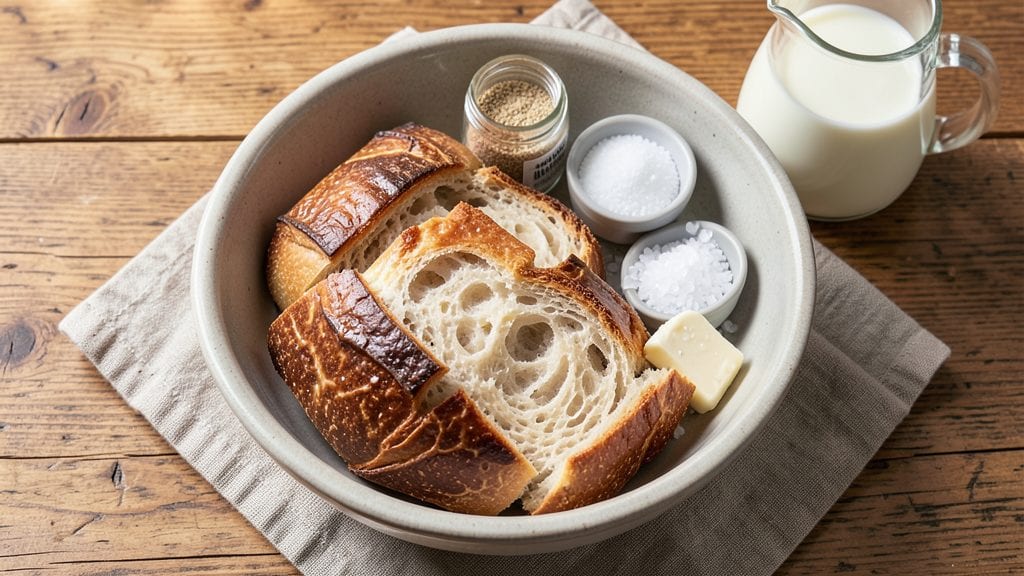
Transforming simple flour into this artisan-style bread with a crusty crunch is one of the most satisfying baking achievements—no fancy equipment required. I perfected this recipe after years of experimenting with proofing times and oven temperatures, and the result is a loaf that rivals bakery favorites.
The secret lies in precise hydration and patient fermentation, which develop those coveted air pockets and deep flavor.
This recipe delivers a foolproof method for shaping braids, twists, or simple rounds, all with that perfect balance of chewy interior and crisp exterior. The dough rests for 2 hours before shaping, allowing the gluten to relax for easier handling.
Baking at 425°F ensures an even, golden crust without over-browning the interior.
What you’ll end up with is a loaf that’s restaurant-quality at home—ideal for pairing with charcuterie, soups, or simply slathering with olive oil and balsamic. The aroma alone will make your kitchen feel like a Parisian bakery, and the satisfaction of baking it yourself is unmatched.
For extra flair, sprinkle seeds or a light glaze before baking, or try shaping into a boules for a classic touch. The technique is adaptable, so once you master this, you can experiment with flavors like rosemary or garlic-infused dough.
Ingredients for fancy bread
Twelve simple ingredients transform into restaurant-quality bread with a perfect crusty crunch and chewy interior.
| Ingredient | Amount | Notes |
|---|---|---|
| Bread Flour 🌾 | 4 cups | High-protein for structure and chew |
| Active Dry Yeast 🍞 | ¼ oz | Or 2 1/4 tsp, fresh if possible |
| Granulated Sugar 🍚 | ½ tbsp | Feeds yeast for fermentation |
| Unsalted Butter 🧈 | ½ cup | Cold, cubed for fat content |
| Whole Milk 🥛 | 1 cup | Warmed to 110°F for hydration |
| Diamond Crystal Kosher Salt 🧂 | 2 tsp | Adjust to taste, don't skip |
| Extra-Virgin Olive Oil 🫒 | ¼ cup | For dough and finishing |
| Honey 🍯 | 1 tbsp | For crust glaze option |
| Poppy Seeds 🌻 | 2 tbsp | Or sesame seeds for topping |
| Large Egg 🥚 | 1 whole | Optional for egg wash |
| Fresh Rosemary 🌿 | ¼ cup | Chopped, optional flavor boost |
| Water 💧 | ½ cup | Reserved for dough hydration |
The bread flour is non-negotiable here—King Arthur or Caputo are my go-tos for that professional texture. If you can only find all-purpose, add 1 tbsp vital wheat gluten per cup to mimic the protein content. The yeast should be fresh within 3 months—check the date on the package. For the butter, Plugrá or Land O'Lakes unsalted melt beautifully. If you're using a different brand, make sure it's cold and cubed. The milk needs to be warm (about 110°F) to activate the yeast properly—too hot and you'll kill it, too cold and it won't rise right. I always grab the organic whole milk from Trader Joe's for that extra richness.
No bread flour? All-purpose plus 1 tbsp vital wheat gluten per cup works in a pinch. Fresh yeast unavailable? RapidRise yeast at half the amount speeds things up but lacks depth. The honey can be swapped for maple syrup or agave—just match the viscosity. For the seeds, sesame or everything bagel seasoning add different flavors. Want extra flavor? Toss in 1 tsp garlic powder or dried lavender with the dough. The rosemary is optional but adds that bakery aroma—fresh is best, but dried works at half the amount. If you're making this ahead, the dough can rest in the fridge overnight for deeper flavor.
The dough keeps for 3 days in the fridge, wrapped tightly in plastic. For longer storage, freeze shaped loaves (unbaked) for up to 3 months. Thaw overnight in the fridge before baking. The best part? Leftovers toast up perfectly—4 minutes at 375°F until crispy again. I always bake two loaves—one for the table, one for freezing. The crust stays fresh for 2 days if stored in a paper bag at room temperature.
Why You'll Love This Recipe
- Butter-Kissed Rise: I swear by the warm, nutty aroma of bread flour and yeast—it’s like a cozy hug for my kitchen. The whole milk and butter create that just-baked richness without needing fancy techniques, and honestly? My dough comes together faster than I can scroll through my phone.
- Golden Crust Magic: That crispy, caramelized crust? Pure satisfaction. The sugar in the dough browns beautifully while the butter keeps the inside tender—like a toasty French baguette but with none of the fuss. (Yes, even on a Tuesday night.)
- Weeknight Flex: This bread is my secret weapon for lazy mornings or last-minute gatherings. Tear it for breakfast toast, slather it with jam for a picnic, or serve it warm with soup—it’s the one loaf that does it all. My kids even fight over the ends.
- Budget-Friendly Staple: Five ingredients, zero guilt. Bread flour and yeast stretch my grocery budget, while butter and milk add that restaurant-worthy touch. A single batch feeds my family for days, and the leftovers? Perfect for croutons or garlic bread scraps.
Step-by-step instructions for artisan-style twists with crusty crunch
Here's the method—simple yet refined—to craft bread so elegant it belongs on any table.
Activate the Yeast for Maximum Rise
In a small bowl, combine the 0.5 cup warm whole milk (110°F) with the 0.5 tbsp granulated sugar and 0.25 oz active dry yeast. Let it sit for 5-10 minutes until frothy. This step ensures your yeast is lively and ready to transform your dough into airy perfection.
If the mixture doesn't bubble vigorously, your yeast might be dead—start fresh. The warm milk activates the yeast while the sugar feeds it, creating the perfect environment for fermentation. This is the foundation of your bread's rise, so don't skip it.
Mix the Dough with High-Protein Flour
In a large bowl, whisk together the 4 cups bread flour and 2 tsp diamond crystal kosher salt. Create a well in the center and pour in the yeast mixture, 0.5 cup cold unsalted butter (cubed), and 0.25 cup extra-virgin olive oil. Mix with a wooden spoon until a shaggy dough forms.
Transfer the dough to a lightly floured surface and knead for 8-10 minutes until smooth and elastic. You'll know it's ready when it springs back slowly when poked. The high-protein bread flour gives this dough its signature chew, so kneading thoroughly develops that texture. If the dough feels sticky, add flour 1 tablespoon at a time—but don't overdo it.
First Rise and Rosemary Infusion
Place the dough in a lightly oiled bowl, cover with a damp towel, and let it rise in a warm place for 1-2 hours or until doubled in size. Here's where the 0.25 cup fresh rosemary comes in—chop it finely and fold it into the dough after the first rise. The rosemary adds an aromatic depth that elevates this from basic bread to something truly special.
Gently press the rosemary into the dough by hand to distribute it evenly. This step ensures every bite carries that fragrant herbal note. If you're using the 1 whole large egg for an egg wash later, save it for now—it'll add shine and structure to your final crust.
Shape and Second Rise for Crusty Texture
Punch down the dough and divide it into 4 equal portions. Roll each piece into a 12-inch rope, then twist it into a spiral shape. Place the twists on a parchment-lined baking sheet, cover loosely with a towel, and let them rise for 30-45 minutes until puffy. The twisting creates those iconic ridges that trap steam and create a crispy crust.
Preheat your oven to 375°F while the dough rises. The second rise is shorter but crucial—it develops the open crumb structure that makes this bread so satisfying. If your kitchen is cold, place the baking sheet near a warm spot to encourage even rising.
Bake to Golden Perfection
Brush the twists with a mixture of 1 tbsp honey and 1 tbsp water (or beaten egg for extra shine), then sprinkle with 2 tbsp poppy seeds. Bake for 25-30 minutes until deep golden brown and internal temperature reaches 190°F. The honey glaze adds sweetness and a glossy finish, while the poppy seeds provide a delightful crunch.
For an even crispier crust, bake for 5 extra minutes after the seeds are golden. Let the bread cool on a wire rack for 15 minutes before slicing—this prevents a gummy interior. The result? A bread with a shatteringly crisp crust, a tender crumb, and layers of flavor from the rosemary and butter.
Pro Tips For Making Fancy Bread
- Bloom the Yeast: DESCRIPTION:
- Soft Butter Matters: DESCRIPTION:
- Don’t Rush the Knead: DESCRIPTION:
- Proof in a Warm Spot: DESCRIPTION:
Creative variations of this dish
Herbal Infusions
Swap the rosemary for 1 tbsp fresh thyme or 1 tsp dried lavender for a floral twist. I love adding ½ cup finely chopped sun-dried tomatoes to the dough for a Mediterranean flair—just fold them in during the first rise.
For a citrusy kick, zest 1 lemon and mix it into the dough with the salt. These infusions transform your bread into a fragrant centerpiece. 🌿
Sweet Twists
Replace the honey glaze with a cinnamon-sugar wash—mix 1 tbsp melted butter with 2 tbsp brown sugar and ½ tsp cinnamon. Sprinkle with toasted pecans or chopped dates before baking for a dessert-worthy loaf.
For a breakfast bread, add ½ cup raisins or dried cranberries to the dough. These sweet variations make for stunning holiday gifts or brunch companions. 🍯
Savory Braids
Shape the dough into classic 3-strand braids instead of twists for a rustic look. Fold in ¼ cup chopped garlic and 1 tbsp dried oregano for a Tuscan-inspired flavor. Top with grated Parmesan and flaky sea salt before baking.
I also love adding caramelized onions to the dough for a sweet-savory depth. These braids pair perfectly with soups or as a side for roasted meats. 🧀
Gluten-Free Adaptation
Replace the bread flour with a 1:1 gluten-free blend like King Arthur Measure for Measure, plus 1 tbsp xanthan gum. Add 1 extra egg to bind the dough, and let it rest 30 minutes longer before shaping.
The texture won’t be identical, but it’s still delicious. For extra structure, brush with olive oil before baking. This version proves fancy bread can be inclusive without sacrificing flavor. 💪
No-Knead Option
Skip kneading by mixing the dough in a stand mixer with a dough hook for 5 minutes on medium speed. For a rustic boule, shape the dough into a loose round and bake uncovered at 400°F for 40 minutes.
The slow fermentation (overnight in the fridge) develops deeper flavor. This method is perfect for busy bakers who still want bakery-quality results. ⏳
Decorative Toppings
Create a flaky salt crust by sprinkling coarse sea salt on the dough before baking. For a shimmering finish, mix 1 tbsp poppy seeds with 1 tbsp sesame seeds and 1 tbsp crushed pistachios for a nutty crunch.
A garlic-infused olive oil drizzle after baking adds a luxurious touch. These toppings turn simple bread into an edible work of art. ✨
Nutrition facts
Frequently asked questions
Can I make this fancy bread without a stand mixer?
This recipe is designed for hand-mixing. Use a wooden spoon to combine ingredients in a bowl, then transfer to a lightly floured surface for kneading. The dough only needs 8-10 minutes of kneading by hand—focus on smooth, elastic texture. For extra ease, divide the dough into portions after the first rise and shape directly on the counter.
Why does my dough feel too sticky?
Sticky dough usually means one of two things: either your flour needs more hydration or you're adding too much during kneading. Start by using 4 cups bread flour exactly as written, then add flour 1 tablespoon at a time only if needed. The dough should be tacky but not gluey—think of it like wet hair that springs back when poked. If it's still too sticky after shaping, let it rest 10 minutes covered before baking.
How do I fix if my bread turns out dense instead of airy?
Dense bread usually means underproofing or over-kneading. For next time, ensure your yeast is active (it should foam within 5-10 minutes in warm milk). Let the dough rise until it's doubled in size—not just puffy. Also, avoid over-kneading: stop when the dough springs back slowly when poked. If your kitchen is cold, place the bowl near a warm spot (like the top of the fridge) to encourage proper fermentation.
Can I bake this bread in a Dutch oven for extra crustiness?
Yes! For an even crispier crust, shape the bread into a boule or batard and bake in a preheated 450°F Dutch oven for 20 minutes, then remove the lid and bake 15-20 more minutes until golden. The Dutch oven traps steam, creating that perfect oven spring. Just brush with olive oil before baking for an extra-shiny crust. This works especially well for the gluten-free adaptation.
How long will this bread stay fresh?
At room temperature, this bread stays fresh for 2-3 days if stored in a paper bag or wrapped in a clean kitchen towel. For longer storage, freeze shaped (but unbaked) loaves for up to 3 months. Thaw overnight in the fridge, then bake as directed. The crust will crisp up again when toasted—perfect for breakfast! For extra freshness, reheat slices in a 350°F oven for 5 minutes before serving.