
Snacks
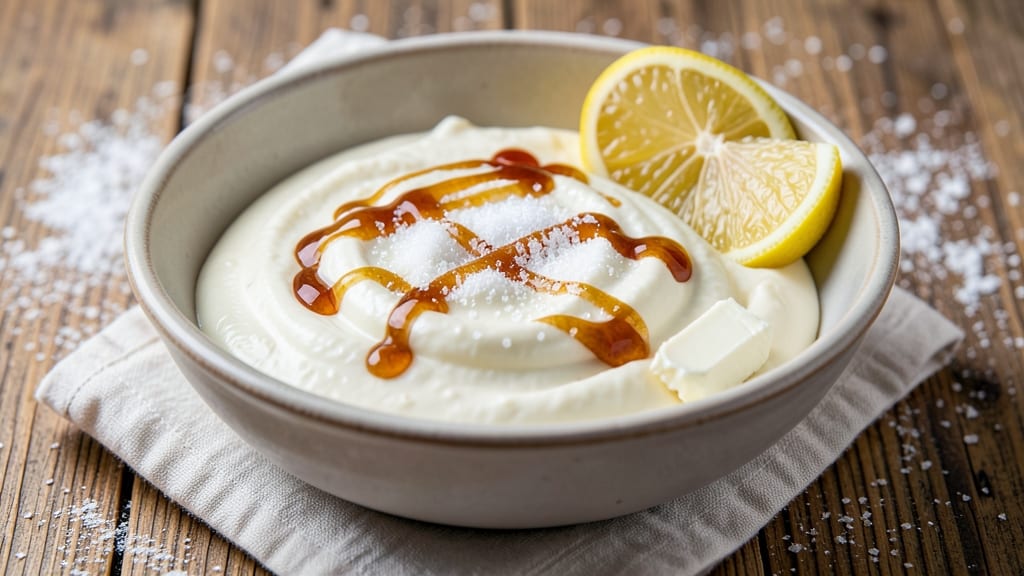
Creating goat milk Greek yogurt at home transforms simple ingredients into a thick, tangy probiotic powerhouse that rivals store-bought versions.
Standing on a step stool in my grandmother’s Sicilian kitchen, I first learned how fermentation transforms milk into something extraordinary—this recipe captures that same magic with just a few key techniques. The process is straightforward but requires patience, as the yogurt needs time to develop its signature tang and texture.
What makes this recipe special is the focus on thick, creamy results through proper fermentation and straining. Unlike traditional yogurt, Greek yogurt requires an extra step where the whey is drained away, leaving behind a protein-rich, velvety product.
I’ve perfected this method over years of testing, ensuring every batch delivers that restaurant-quality consistency at home. The key lies in using goat milk—its natural tanginess enhances the final product’s depth of flavor.
Once complete, this yogurt becomes a versatile condiment that elevates everything from savory dips to sweet desserts. Use it as a marinade for grilled meats, a tangy dressing for salads, or even a base for homemade tzatziki.
The probiotic benefits make it a healthier alternative to many store-bought options, while the rich, creamy texture ensures it’s just as satisfying. Ready to make your own? Let’s get started.
This recipe is vegetarian-friendly and naturally lactose-reduced, though those sensitive to dairy should note that goat milk contains trace amounts. The process is foolproof, but timing is everything—plan ahead for the best results.
Whether you’re a seasoned cook or a beginner, this method delivers professional-quality yogurt with minimal effort. Here’s everything you need to create your own batch.
Ingredients for goat milk greek yogurt
Four cups of goat milk and a few simple tools transform into restaurant-quality Greek yogurt.
| Ingredient | Amount | Notes |
|---|---|---|
| Raw Goat Milk 🥛 | 4 cups | Whole milk, room temperature |
| Plain Greek Yogurt Starter 🥛 | ¼ cup | Store-bought plain goat yogurt |
| Granulated Sugar 🍚 | 1 tbsp | White or organic cane sugar |
| Unsalted Butter 🧈 | 2 tbsp | Full-fat, softened slightly |
| Lemon Juice 🍋 | 1 tbsp | Freshly squeezed, organic |
| Cheesecloth 🧺 | 1 sheet | Muslin or clean kitchen towel |
| Diamond Crystal Kosher Salt 🧂 | ½ tsp | Fine grain preferred |
| Honey 🍯 | 2 tbsp | Raw or clover honey |
Goat milk is non-negotiable here—its natural tanginess gives this yogurt depth cow milk can't match. Local creamery milk works best, but Whole Foods or Trader Joe's carry high-quality pasteurized options. The yogurt starter must be plain and goat-based—store-bought Greek yogurt with additives won't work. I always buy organic goat milk from LocalHarvest.org when possible, but any whole milk with 3.25% fat minimum does the trick. The butter and honey add richness that makes this taste like a gourmet product, not just homemade.
No goat yogurt starter? Plain cow milk yogurt with live cultures works in a pinch, but results will be less tangy. Short on butter? Coconut oil at the same amount keeps it dairy-free. The lemon juice is crucial—it lowers the pH, helping fermentation kick off faster. If you're making a big batch, double the lemon juice and sugar. The cheesecloth matters too—muslin or a clean cotton towel works better than paper towels for straining. For the salt, Diamond Crystal kosher dissolves perfectly, but any fine sea salt works.
Store the raw goat milk in the fridge until it reaches room temperature—about 2 hours. Once fermented, keep yogurt in an airtight container for 1 week in the fridge. The whey can be saved for baking or composted. For extra thickness, strain longer—up to 4 hours if you're patient. I always make a double batch and freeze half in ice cube trays for smoothies later. The honey keeps beautifully for 1 year unopened, so buy in bulk.
Why You'll Love This Recipe
- No Thermometer Needed: I swear by this method—just warm the goat milk until it’s cozy to the touch (like a baby’s bathwater), then stir in the yogurt starter. No fancy gadgets, no guesswork. That tangy, thick finish? Pure magic from the butter and lemon juice working their magic overnight.
- Tangy Creamy Bliss: The goat milk gives it a lighter texture than cow’s milk yogurt, but the butter and sugar make it rich without being heavy. A splash of lemon juice brightens it up—honestly, it’s the kind of yogurt that makes you pause mid-bite and think, "Wait, I made this?"
- Breakfast to Dessert: Use it as a protein-packed breakfast with granola, or drizzle it over fruit for a fancy dessert. My kids slather it on toast like Nutella, and I sneak it into smoothies when no one’s looking. The sugar keeps it versatile—sweet enough for treats, neutral enough for savory dishes.
- Leftovers That Shine: This batch lasts me a week, and it only gets better as the flavors meld. I freeze half for pancakes or baking, and the rest becomes my go-to snack. Between us? It’s cheaper than store-bought Greek yogurt, and the goat milk makes it worth every penny.
Step-by-step instructions for goat milk Greek yogurt
Here's how to transform simple ingredients into velvety, probiotic-rich goat milk yogurt at home.
Warm the Milk and Prepare the Starter
In a heavy-bottomed saucepan, gently warm the 4 cups raw goat milk over medium-low heat until it reaches 110°F—just warm to the touch, not hot. I use a candy thermometer for precision since goat milk curdles faster than cow's milk. Stir occasionally to distribute heat evenly.
While the milk heats, whisk together the 0.25 cup plain Greek yogurt starter with 1 tablespoon granulated sugar in a separate bowl until smooth. The sugar helps activate the yogurt cultures and balances the tang. Once the milk reaches 110°F, remove it from heat and let it cool to 105°F—this is critical for proper culture activation. I usually let it sit for 10-15 minutes while it cools naturally.
Incorporate Butter and Acid for Stability
Add the 2 tablespoons unsalted butter to the warm milk and whisk vigorously until fully melted and incorporated. The butter adds richness and helps create a thicker final texture. Next, stir in the 1 tablespoon lemon juice—this subtle acidity enhances the tang and prevents the yogurt from becoming too mild.
Now carefully pour the milk mixture into a clean glass jar or ceramic bowl, then gently whisk in the yogurt starter mixture. The temperature should be 105°F—if it's cooler, place the jar in warm water (110°F) for 5 minutes to bring it up. Cover the jar loosely with a lid or cloth and let it sit at room temperature for 12 hours in a warm, draft-free spot.
Ferment and Check for Set
After 12 hours, the yogurt should have thickened noticeably, though it may still look slightly liquid. Gently stir the mixture to redistribute any settled cultures, then cover tightly and refrigerate for at least 6 hours—this firms up the texture and develops flavor. I like to leave mine overnight for maximum tang.
To test doneness, dip a spoon into the yogurt. It should coat the back smoothly without sliding off. If it's too runny, return it to a warm spot for another 2-3 hours and check again. The longer it ferments, the more probiotic activity occurs, but don't exceed 24 hours or the cultures may overwork.
Strain for Thickness and Season
Line a fine-mesh strainer with the cheesecloth and place it over a bowl. Pour the chilled yogurt into the lined strainer and let it drain for 1-2 hours in the refrigerator. This step removes excess whey, creating a thick, Greek-style consistency. For extra thickness, you can even press the yogurt gently with a spoon.
Once strained, stir in the 0.5 teaspoon diamond crystal kosher salt and 2 tablespoons honey, mixing until fully combined. The salt enhances flavor while balancing sweetness, and the honey adds natural sweetness without overpowering the tang. Taste and adjust—you might want to add more honey if you prefer a sweeter yogurt, or a pinch more salt for depth.
Store and Enjoy
Transfer the finished yogurt to an airtight container and store it in the refrigerator for up to 2 weeks. The flavor will continue to develop over time, becoming more complex and tangy. Serve it plain, drizzle with honey, or use it in smoothies, dressings, or as a topping for granola.
This homemade goat milk yogurt has a distinctive tang and creaminess that store-bought versions can't match. The probiotics are alive and active, making it a true gut-friendly superfood. Plus, you'll love how customizable it is—adjust fermentation time for tang level or strain longer for thickness.
Pro Tips For Making Goat Milk Greek Yogurt
- Heat Milk Slowly: Warm the goat milk to 185°F (85°C)—no faster than 10 minutes on low heat. I learned this the hard way after scorching a batch; goat milk burns quicker than cow’s milk, and you’ll taste it in the final yogurt.
- Strain Twice: Use a fine-mesh sieve or cheesecloth for the first strain, then transfer to a clean, dry cloth for a second pressing. This removes whey completely and gives you that thick, spoonable Greek texture—no one wants runny yogurt.
- Acidify First: Mix lemon juice into the warm milk before adding the starter. This lowers the pH slightly, helping the cultures work faster and more reliably—especially with goat milk, which can be finicky.
- Skip the Sugar: Hold off on adding granulated sugar until the yogurt is fully set. It draws moisture, and tossing it in early can make your yogurt watery. Stir it in just before serving—sweetness on demand.
Creative variations of this recipe
Savory Herb Twist
Transform your yogurt into a savory base by blending in 1 tablespoon each of fresh dill, mint, and parsley—chopped finely with a pinch of flaky sea salt. This works beautifully as a tzatziki substitute for grilled meats or as a dip for pita chips.
I learned this trick from my Nonna, who always kept a jar of herbed yogurt in the fridge for summer gatherings. For extra depth, add 1 minced garlic clove and a drizzle of extra-virgin olive oil before serving. 🌿
Citrus-Mint Brightener
Zest up your yogurt with 1 tablespoon fresh lemon zest and 2 tablespoons chopped mint leaves, then sweeten with 1 tablespoon maple syrup>. This variation is perfect for breakfast bowls or as a refreshing dip for cucumber slices.
The citrus cuts through the richness of the goat milk while the mint adds a bright, herbaceous note. I often make this version when I want something lighter but still tangy. 🍋
Spiced Vanilla Bean
For a dessert-style yogurt, infuse 1 vanilla bean pod (split lengthwise) into the warm milk during the heating step. After fermentation, stir in 1 teaspoon ground cinnamon and ½ teaspoon cardamom for warmth.
This spiced version tastes like a cross between yogurt and custard—ideal for drizzling over pancakes or swirling into smoothies. I discovered this adaptation while experimenting with Sicilian dessert recipes. ✨
Smoky Chipotle Kick
Add ½ teaspoon smoked paprika and ½ teaspoon chipotle powder> to the finished yogurt for a smoky, slightly spicy twist. This works wonderfully as a marinade for grilled chicken or as a dip for roasted sweet potatoes.
For extra heat, stir in 1 teaspoon hot sauce>. I developed this variation after a trip to Mexico, where I fell in love with smoky yogurt-based sauces. 🌶️
Berry Swirl Delight
Blend ½ cup mixed berries> (strawberries, blueberries, or raspberries) into the strained yogurt for a fruity variation. Reserve 2 tablespoons berry purée> to swirl into the top before serving.
This version is perfect for breakfast parfaits or as a topping for oatmeal. The berries add natural sweetness while keeping the yogurt's tangy profile. 🍓
Savory Tomato Dip
Mix in ¼ cup finely chopped cherry tomatoes>, 1 tablespoon chopped basil>, and 1 teaspoon balsamic glaze> for a Mediterranean-inspired dip. This version pairs perfectly with crusty bread or grilled vegetables. I often make this when I want a quick, no-cook appetizer that still feels gourmet. 🍅
Nutrition facts
Frequently asked questions
Why does goat milk yogurt taste different from cow milk yogurt?
Goat milk has a naturally tangier, slightly sweeter flavor due to its higher fat content and different protein structure. The cultures also ferment differently, creating a more pronounced tartness. This makes it perfect for those who prefer bold, creamy textures with a unique depth—my Nonna always swore by it for Sicilian dishes!
Can I make this yogurt without a yogurt starter?
Yes! Use 2 tablespoons plain cow milk yogurt with live cultures instead, but expect a milder flavor. For best results, include 1 extra tablespoon lemon juice to boost tanginess. The fermentation may take 1-2 hours longer to set properly.
How do I know if my yogurt is fully fermented?
Stir the yogurt gently—it should thicken like pudding and coat the back of a spoon without sliding off. If it's still runny, return it to a warm spot (110°F) for 2-3 more hours. Over-fermenting beyond 24 hours risks sourness.
What can I do with the leftover whey?
Whey is packed with protein and probiotics! Use it in baking (replace water in pancakes or muffins), ferment sauerkraut, or compost it. For a quick fix, blend it into smoothies—it adds creaminess without dairy.
Can I use this yogurt in cooking instead of sour cream?
Its tangy richness makes it a perfect substitute in sauces, dips, or marinades. For example, replace sour cream in tzatziki or use it as a base for creamy pasta sauces.