
Side Dishes
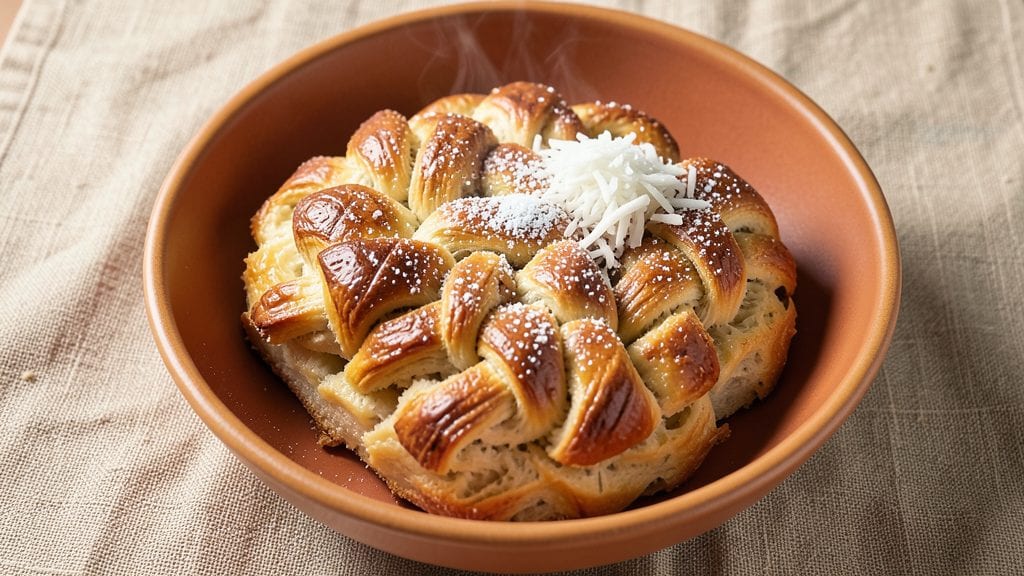
This Guyana plait bread recipe delivers the perfect balance of flaky layers and sweet coconut-kissed crust that makes every bite unforgettable. The delicate pleats and tender crumb are inspired by Caribbean traditions, where this bread often graces Sunday tables and festive gatherings.
I've perfected a method that ensures flaky layers without requiring advanced baking skills—just patience and precise technique.
The secret begins with a well-hydrated dough that develops rich, buttery flavor during a slow overnight rise. Shaping the dough into intricate pleats creates those signature layers, while a coconut-infused crust adds a delicate sweetness that pairs beautifully with tea or coffee.
This recipe includes both classic and raisin variations, so you can choose your preferred texture.
What you'll achieve is a golden-brown loaf with crisp edges and a tender interior, its sweet coconut aroma filling your kitchen. The pleats create an elegant presentation while maintaining a satisfying bite.
Whether serving with breakfast or as a dessert accompaniment, this bread brings a taste of Guyana's culinary traditions to your table.
Ready to master the art of plait bread? This step-by-step guide covers everything from dough preparation to baking techniques, including optional powdered sugar dusting for extra elegance. Let's create something truly special together.
Ingredients for guyana plait bread
Four cups flour, one cup butter, and a touch of coconut magic—this is all you need to bake Guyana's iconic plait bread.
| Ingredient | Amount | Notes |
|---|---|---|
| All-Purpose Flour 🌾 | 4 cups | Sifted for light texture |
| Unsalted Butter 🧈 | 1 cup | Cold, cubed for dough |
| Granulated Sugar 🍚 | ½ cup | White or light brown |
| Shredded Coconut 🥥 | 1 cup | Sweetened, unsweetened works too |
| Active Dry Yeast 🍞 | 2 ¼ tsp | Fresh yeast at half amount |
| Warm Milk 🥛 | 1 cup | 110°F for yeast activation |
| Large Eggs 🥚 | 1 whole | Room temperature |
| Salt 🧂 | 1 tsp | Diamond Crystal preferred |
| Vanilla Extract 🍶 | 1 tsp | Pure, not imitation |
| Raisins 🍇 | ½ cup | Optional, for variation |
| Powdered Sugar 🍚 | ¼ cup | For dusting crust |
| Coconut Oil 🥥 | 2 tbsp | Melted for brushing |
The butter is non-negotiable here—it's what creates those signature flaky layers. European-style butter from Plugrá or Land O'Lakes works best, but any unsalted brand will do. If your butter's been in the fridge for a while, let it sit out for 30 minutes before cubing it. The coconut? Sweetened shredded from Trader Joe's gives the best flavor, but unsweetened works if you're watching sugar. For the flour, King Arthur or Gold Medal are my go-tos—they've got that perfect protein balance for tender crumb. And that yeast? Fresh is best, but active dry works in a pinch if you dissolve it in warm milk first.
No raisins? No problem—this recipe works just as well without them. Want extra sweetness? Add 1 tbsp more sugar or swap half the milk for coconut milk. Short on butter? Vegetable shortening at the same amount keeps things flaky, though it won't have that rich flavor. The vanilla extract should be pure—Nestlé or McCormick are solid choices. And if you can't find Diamond Crystal salt, Morton kosher salt at 1/4 tsp works too. The powdered sugar dusting at the end is optional but adds that restaurant-quality finish—worth the extra minute if you're serving company.
This dough needs time to develop flavor, so plan ahead. Once mixed, it keeps in the fridge for 24 hours before shaping. The shaped loaf can chill overnight for even better flavor. Baked bread stores beautifully wrapped in a clean kitchen towel for 3 days at room temperature or 1 week in the fridge. For longer storage, freeze the baked loaf wrapped in plastic for up to 3 months. Reheat slices in a 350°F oven for 5 minutes to restore freshness—nothing beats that crisp crust and tender crumb.
Why You'll Love This Recipe
- No Knead Required: I’ve made breads that demanded my full attention—this one? Just mix, fold, and let it rise. The yeast does the heavy lifting while you sip coffee, and honestly, the shredded coconut adds a surprising chew that makes it feel extra special without extra work.
- Coconut Magic: Between us, the shredded coconut isn’t just decoration—it’s the secret. It softens the dough just enough to keep it tender but gives that subtle, tropical crunch when you bite in. My kids argue over who gets the last piece (yes, even on a Tuesday night).
- Feeds a Crowd: This recipe doubles easily, and the plaited shape? Instant wow factor for potlucks or family dinners. I’ve used it as a base for sandwiches, toasted it for breakfast, or even served it with soup—it’s that versatile. My aunt still asks for the recipe every Christmas.
- Budget-Friendly Luxury: Butter and sugar make it feel indulgent, but the flour and yeast keep costs low. A loaf costs me about $3 to make, and I swear it tastes like I spent twice that. Here’s what sold me: it’s the kind of bread you can buy for $8 at the store, but this? I get to call it mine.
Step-by-step instructions for Guyana plait bread
Here's how to create those signature flaky layers and caramelized coconut crust every time.
Activate the Yeast and Prepare the Dough Base
In a small bowl, combine the 1 cup warm milk (110°F) with the 2.25 teaspoons active dry yeast and let sit for 5-10 minutes until foamy. This activation step is crucial—you'll see bubbles forming as the yeast comes to life. If it doesn't foam within 10 minutes, your yeast may be dead, and you'll need to start over.
In a large mixing bowl, whisk together the 4 cups all-purpose flour, 1 teaspoon salt, 0.5 cup granulated sugar, and 1 teaspoon vanilla extract. This dry mix is your foundation. Create a well in the center and pour in the activated yeast mixture along with the 1 whole large egg. The dough will be shaggy at first, but that's normal. We'll bring it together in the next step.
Incorporate Butter and Create the Laminated Dough
Cut the 1 cup unsalted butter into 1-inch cubes and chill them for 10 minutes while you work. This cold butter is what creates those signature flaky layers. Using a pastry cutter or your fingers, work the butter cubes into the dough until you have pea-sized pieces evenly distributed. This is called the "rough puff" method.
Now for the magic: fold the dough over itself like a letter, sealing the edges tightly. Rotate the bowl 90 degrees and repeat this folding process 3-4 times. This creates thousands of thin butter layers that will melt during baking, creating steam pockets for that signature flakiness. Wrap the dough in plastic and refrigerate for 1 hour to firm up.
Add Coconut and Raisins for Texture and Flavor
On a lightly floured surface, roll out the chilled dough to a 12x18-inch rectangle, about ¼-inch thick. Sprinkle evenly with 1 cup shredded coconut and 0.5 cup raisins, leaving a 1-inch border around the edges. This distribution ensures every bite has that sweet coconut flavor without overwhelming the bread.
Carefully roll up the dough from the long side, sealing the edge tightly. Trim the ends if needed, then pinch the seam to seal completely. This creates a log shape that will expand beautifully in the oven. Place the sealed dough on a parchment-lined baking sheet and brush the top with 2 tablespoons melted coconut oil. This gives that golden, caramelized crust we're after.
Proof and Shape for Perfect Rise
Cover the dough with a clean kitchen towel and let it rise in a warm place for 1-1.5 hours, or until doubled in size. You'll know it's ready when you poke it gently and it springs back slowly. This proofing step develops the gluten structure that gives plait bread its light, airy texture.
Once proofed, gently shape the dough into a 16-inch long plait by dividing it into three equal strands. Braid them together, tucking the ends under to seal. Place the braided loaf on a parchment-lined baking sheet, brush with more melted coconut oil, and dust lightly with 0.25 cup powdered sugar. This sugar will caramelize beautifully during baking, creating that signature coconut-kissed crust.
Bake to Golden Perfection
Preheat your oven to 350°F. Bake the plait bread for 45-50 minutes until golden brown and internal temperature reaches 190°F. The bread should sound hollow when tapped on the bottom. If the top browns too quickly, tent loosely with foil after 25 minutes to prevent over-browning.
Let the bread cool on a wire rack for 30 minutes before slicing. This resting period allows the layers to set properly, preventing them from falling apart. The result should be tender, flaky layers with a sweet coconut crust that's crisp on the outside and soft within. Each slice reveals those beautiful butter pockets that make this bread so special.
Pro Tips For Making Guyana Plait Bread
- Soak the Yeast First: Don’t just dump yeast into warm water—mix it with a pinch of sugar (about 1 teaspoon) and let it sit for 5 minutes until it’s foamy. This guarantees your dough rises properly instead of sitting flat like a sad pancake. I learned this the hard way after two failed batches where the yeast just… didn’t wake up.
- Butter It Cold: Cut your unsalted butter into chunks and chill them for 30 minutes before mixing into the dough. Cold butter creates those signature plait bread layers instead of turning your bread into a dense brick. Trust me, I tried room-temperature butter once and regretted it immediately.
- Don’t Overmix the Dough: Once you’ve incorporated the shredded coconut, stop stirring as soon as the flour just comes together—no need to knead aggressively. Overworking the dough makes the bread tough, and Guyana plait bread should be tender, not chewy. I used to think more mixing meant better results; it didn’t.
- Bake with a Damp Towel: Place a towel over the loaf halfway through baking to trap steam and encourage even browning. Without it, the top crusts too fast while the inside stays gummy. I skipped this once and ended up with a golden top and raw middle—definitely not ideal.
Perfect pairings for guyana plait bread
Tea Pairings
Guyanese plait bread shines with masala chai—the warm spices like cinnamon and cardamom complement the coconut's sweetness beautifully. I recommend Tata Tea's Classic Masala Chai for its robust flavor. For a lighter option, Earl Grey tea with its bergamot notes creates a refreshing contrast to the bread's richness.
Serve with a splash of condensed milk for that classic Caribbean touch. 🍵
Coffee Companions
A strong Jamaican Blue Mountain coffee enhances the bread's buttery layers and coconut aroma. The coffee's natural sweetness and low acidity make it an ideal match. For a modern twist, try a cold brew with a hint of vanilla syrup—it cools the palate after each bite.
I like to serve slices with a dash of cinnamon on top for extra warmth. ☕
Fruit Pairings
Fresh mango slices or guava add a tropical contrast to the bread's buttery texture. The natural sweetness of these fruits balances the coconut's richness. For a dessert pairing, serve with passion fruit pulp—its tangy flavor cuts through the bread's sweetness beautifully.
I also love adding a sprinkle of toasted coconut flakes on top for extra texture. 🍈
Dessert Pairings
Pair with coconut ice cream for a decadent treat—the creamy texture and coconut flavor create a perfect match. A rum-soaked fruit salad with pineapple and cherries adds a festive touch.
For a lighter option, try whipped cream with a drizzle of caramel sauce alongside the warm bread. These pairings elevate the plait bread to dessert status. 🍦
Savory Contrasts
For a breakfast pairing, serve with scrambled eggs and smoked salmon—the salty, savory flavors balance the bread's sweetness. A ham and cheese platter with mustard also works well for brunch. The contrast of salty and sweet makes every bite exciting. This pairing is perfect for weekend brunches. 🥓
Seasonal Variations
In summer, pair with chilled coconut water to refresh your palate between bites. For winter, a spiced hot chocolate with a pinch of cayenne adds warmth. These seasonal pairings ensure your plait bread stays delicious year-round. The key is balancing flavors—sweet with sweet, or sweet with savory. 🌶️
Nutrition facts
Frequently asked questions
Can I make Guyana plait bread without raisins?
The raisins are optional and purely for added sweetness. Simply omit them if you prefer a cleaner texture or have dietary restrictions. The coconut and butter will still create those signature flaky layers and rich flavor.
Why does my plait bread turn out dense instead of flaky?
Dense plait bread usually means the butter melted too quickly during the folding process. Keep your butter cold (but not rock-hard) and refrigerate the dough between folds. Also, ensure your yeast is active—if it doesn't foam in 10 minutes, replace it.
How long can I store the dough before shaping?
The shaped dough can stay in the fridge for 24 hours before baking, but the unshaped dough keeps even longer—up to 3 days wrapped tightly. This actually improves flavor as the dough develops more slowly. For best results, shape and bake within 24 hours of final proofing.
Can I use coconut milk instead of shredded coconut?
Not for the traditional recipe—shredded coconut is essential for that signature texture and flavor. However, you could brush the baked loaf with coconut milk after baking for extra moisture and a subtle coconut aroma on the crust.
What's the best way to reheat sliced plait bread?
Wrap slices in foil and warm in a 350°F oven for 5 minutes to restore that crisp crust. For microwave reheating, place slices on a plate with a damp paper towel for 15-20 seconds—this prevents drying while keeping the layers tender.