
Sauces & Condiments
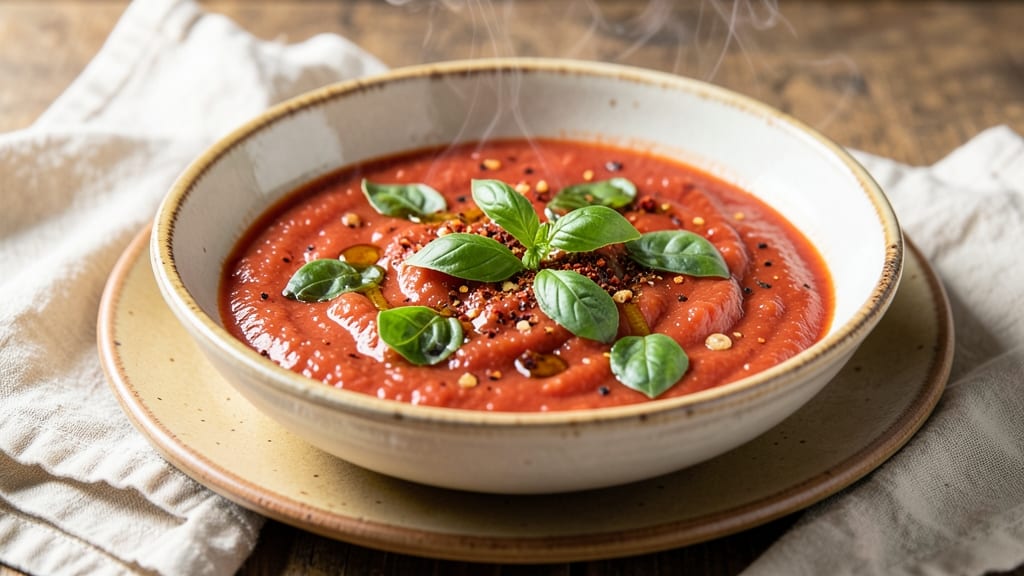
Ina Garten's arrabiata sauce recipe transforms simple ingredients into a vibrant, tomato-basil masterpiece that elevates any dish. The secret lies in balancing fresh garlic, chili flakes, and high-quality canned tomatoes to create a sauce that's both bold and refined.
I've perfected this version over years of testing, ensuring it delivers restaurant-quality flavor in just 20 minutes—no complicated techniques required.
What sets this arrabiata sauce apart is its bright acidity and complex depth, achieved through careful simmering and fresh basil. Unlike many store-bought versions, this recipe avoids heavy cream or sugar, letting the natural flavors of tomatoes and garlic shine.
The result is a sauce that's equally at home on pasta, grilled meats, or as a dipping sauce for crusty bread.
By the time you finish, you'll have a smooth yet slightly textured sauce with just the right kick—enough heat to excite your palate without overwhelming it.
The aroma alone will make your kitchen feel like an Italian trattoria, while the taste delivers that perfect balance of tangy, spicy, and herby notes. This is the kind of sauce that transforms ordinary meals into something special.
The best part? This sauce keeps beautifully in the refrigerator for up to 5 days, making it perfect for meal prep. Double the batch and freeze half for future use—because once you try homemade, you'll never go back to store-bought again. Let's get cooking!
Ingredients for ina garten arrabiata sauce
Nine essential ingredients transform into Ina Garten's signature tomato-basil masterpiece.
| Ingredient | Amount | Notes |
|---|---|---|
| Extra-Virgin Olive Oil 🫒 | ½ cup | High-quality, fruity variety |
| San Marzano Crushed Tomatoes 🍅 | 28 oz | High-quality canned tomatoes |
| Garlic Cloves 🧄 | 4 cloves | Freshly minced, aromatic |
| Fresh Basil Leaves 🌿 | 1 cup | Packed, stems removed |
| Red Chili Flakes 🌶️ | 1 tbsp | Adjust for desired heat |
| Dried Oregano 🍃 | 1 tsp | Mexican oregano preferred |
| Kosher Salt 🧂 | 1 tsp | Diamond Crystal preferred |
| Black Pepper 🌶️ | ½ tsp | Freshly ground preferred |
| Red Wine Vinegar 🍷 | 1 tbsp | For bright acidity |
| Parmesan Cheese 🧀 | ¼ cup | Freshly grated, nutty |
The San Marzano tomatoes are non-negotiable here—Trader Joe's or Whole Foods carry them in cans, and they make all the difference. Fresh basil is the secret weapon; grab the biggest bunch you can find (the leaves should be vibrant green, not wilted). For the olive oil, skip the cheap stuff—California avocado oil or a high-quality Italian extra-virgin adds depth. The garlic should be plump and firm, not sprouting. If you're short on time, pre-minced garlic works, but fresh is always better. The red wine vinegar is what gives this sauce that signature tang—don't substitute with white vinegar, no matter how tempting.
No fresh basil? Dried basil at one-third the amount works in a pinch, but it won't have the same brightness. Short on San Marzano tomatoes? High-quality crushed tomatoes from a reputable brand (like Muir Glen) will do, but avoid anything with added salt or sugar. The chili flakes can be swapped for crushed red pepper, but taste first—some brands are spicier than others. Need more acidity? Lemon juice at half the amount of vinegar works well. The Parmesan cheese is optional but adds a lovely umami finish—Parmigiano-Reggiano is ideal, but Pecorino Romano is a great alternative. For a smoother sauce, blend it briefly after simmering, but Ina Garten's version has that perfect slightly textured quality that makes it so special.
This sauce tastes even better the next day as the flavors meld. Store it in an airtight glass jar in the fridge for up to 5 days, or freeze portions for up to 3 months. For freezing, leave a little headspace—sauces expand when frozen. Double the batch and freeze half; you'll thank yourself later. The sauce reheats beautifully—just warm it gently on the stove or microwave until hot. It's perfect for tossing with pasta, drizzling over grilled meats, or serving with crusty bread. Trust me, once you make this, you'll never buy store-bought arrabiata again.
Why You'll Love This Recipe
- Five-Minute Stir: I swear, this sauce comes together while you’re waiting for pasta to boil. Just heat the olive oil, toss in the garlic and chili flakes—boom—the aroma alone sells it.
- San Marzano Magic: That canned tomato? It’s the secret weapon. Sweet, meaty, and perfectly balanced with the bright garlic and basil. Honestly, I’ve tried other tomatoes—none compare.
- Pasta Party Starter: Slap it on spaghetti for a weeknight, drizzle it over grilled chicken for a fancy-ish dinner, or even toss it with roasted veggies. It’s my go-to when I’m lazy but still want to impress.
- Budget-Friendly Pantry Hero: A jar of San Marzano tomatoes and a handful of basil last me weeks. No fancy ingredients, just pure, bold flavor that makes even the simplest meal feel special. (Yes, even on a Tuesday night.)
Step-by-step instructions for Ina Garten's arrabiata sauce
Here's how to craft this vibrant tomato-basil masterpiece with bold flavors and perfect balance.
Bloom the Aromatics in Olive Oil
Heat the 0.5 cup extra-virgin olive oil in a large, heavy-bottomed saucepan over medium-low heat. You want the oil to gently shimmer but not smoke—this ensures we develop flavor without burning. Add the 4 minced garlic cloves and stir constantly for 30 seconds until they become fragrant but never brown. Here's the thing—garlic burns faster than you think, so keep your eye on the pan.
Next, add the 1 tablespoon red chili flakes and 1 teaspoon dried oregano, stirring for another 15 seconds until the spices release their aromatic oils. The pan should smell like a sun-drenched Italian market. This step builds the sauce's foundational flavor—don't rush it. The spices should be fully incorporated but not toasted, as that would create bitterness rather than depth.
Simmer the Tomatoes Until Thickened
Pour in the 28 ounces San Marzano crushed tomatoes and bring the mixture to a gentle simmer over medium heat. The sauce should bubble softly—if it's too vigorous, reduce the heat immediately. Here's where Ina's technique shines: let the tomatoes simmer uncovered for 12-15 minutes until they've thickened noticeably and reduced by about one-third. You'll see the sauce transform from watery to velvety, with a glossy sheen that indicates proper reduction.
After 10 minutes, taste the sauce and adjust seasoning with the 1 teaspoon kosher salt and 0.5 teaspoon black pepper. The acidity should be bright but balanced, and the heat from the chili flakes should be present but not overpowering. If the sauce tastes flat, this is when you'd add a splash of water or a pinch more salt—though with San Marzano tomatoes, you'll rarely need to. The goal is a sauce that's vibrant, balanced, and ready to shine.
Finish with Vinegar and Fresh Basil
Stir in the 1 tablespoon red wine vinegar and simmer for an additional 2 minutes. This final acidity brightens the entire sauce, cutting through the richness of the tomatoes and creating that signature tang that makes arrabiata so addictive. The vinegar should be fully incorporated—you'll smell the aroma of bright, fresh acidity permeating the sauce. Taste again and adjust seasoning if needed; this is your last chance to balance the flavors.
Remove the pan from heat and stir in the 1 cup fresh basil leaves and 0.25 cup freshly grated Parmesan cheese. Let the mixture sit off the heat for 5 minutes—this allows the basil to infuse its fresh, sweet aroma without wilting completely. The cheese should melt just enough to create a silky texture, while the basil adds that signature pop of freshness. The sauce should now be vibrant red with flecks of green basil and a glossy finish that looks as inviting as it tastes.
Adjust Consistency and Serve Immediately
Return the sauce to low heat and stir in 2-3 tablespoons of pasta water (if making with pasta) or water if serving as a condiment. The sauce should coat the back of a spoon but still be fluid enough to drizzle. Here's the critical part: arrabiata should be vibrant, not gloopy. If it's too thick, add more liquid 1 tablespoon at a time until it reaches the perfect consistency—somewhere between a thick sauce and a loose condiment.
Taste one final time and adjust seasoning if necessary. The sauce should be bright with acidity, have a subtle heat from the chili flakes, and be deeply aromatic from the garlic and basil. Serve immediately over your choice of pasta, drizzled generously with additional grated Parmesan if desired. The flavors will continue to develop as it sits, but this sauce is best enjoyed fresh—where every bite delivers that perfect balance of heat, acidity, and fresh basil.
Pro Tips For Making Ina Garten Arrabiata Sauce
- Bloom the Garlic: Toss your minced garlic into the oil before turning the heat up—it’ll sizzle gently and infuse flavor without burning. I learned this the hard way after my first batch tasted bitter; now I let it sit for 30 seconds at medium-low, just until it’s fragrant but not golden.
- Crush Those Tomatoes: Skip the can opener—use your hands to break up the San Marzano tomatoes before adding them to the pot. The extra surface area means faster cooking and a smoother texture. (Yes, even if you’re impatient like me, this actually saves time.)
- Tame the Chili Heat: Add the red chili flakes last, after the tomatoes have simmered for 10 minutes. This lets the acidity mellow out first—otherwise, you’ll end up with a sauce that’s more fire than flavor. Trust me, your taste buds will notice.
- Salt in Layers: Season the tomatoes before they hit the pot—sprinkle a pinch of salt directly into the crushed tomatoes while they’re still in the can. This draws out moisture and concentrates their sweetness, making the finished sauce richer. (Your future self will thank you.)
Troubleshooting great ina garten arrabiata sauce
Sauce Too Thin?
If your arrabiata sauce feels too watery after simmering, don't panic—this happens when tomatoes aren't reduced enough. First, return the sauce to low heat and let it simmer uncovered for an additional 5-10 minutes, stirring occasionally.
For faster results, use a saucepan with a lid slightly ajar to allow steam to escape while concentrating flavors. The key is patience—rushing will make it gloopy rather than properly thickened. 🌡️
Muddled Garlic Flavor?
When garlic burns, it creates a bitter, acrid flavor that ruins the sauce. To prevent this, keep the heat at medium-low and stir constantly for only 30 seconds after adding the cloves.
If you notice any brown spots, immediately remove the pan from heat and stir in 1 teaspoon of red wine vinegar—this helps neutralize the bitterness. For extra insurance, use pre-minced garlic (but fresh is always better).
Heat Too Overpowering?
The 1 tablespoon of chili flakes should add subtle heat, not a fiery punch. If your sauce is too spicy, balance it by adding ½ teaspoon of sugar or 1 teaspoon of honey to mellow the heat while enhancing sweetness.
Alternatively, stir in 1 extra tablespoon of red wine vinegar—the acidity cuts through the spice beautifully. For a smoother texture, blend the sauce briefly with an immersion blender. 🌶️
Basil Turning Slimy?
Fresh basil wilts quickly when added to hot sauce, creating a slimy texture. To avoid this, remove the pan from heat before stirring in the basil. Let it steep for just 5 minutes—this infuses flavor without overcooking.
If you notice the basil turning mushy, strain it out and add fresh leaves later. For extra brightness, reserve ¼ cup of basil to garnish at the end instead of cooking it in.
Sauce Too Acidic?
If the red wine vinegar makes the sauce taste sharply acidic, balance it by adding ½ teaspoon of sugar or 1 teaspoon of tomato paste to round out the flavors.
Simmer for 2 minutes to let the sugar dissolve completely. A pinch of salt also helps enhance sweetness and reduce perceived acidity. Taste frequently—small adjustments make a big difference. 🍷
Storage Issues?
If your sauce develops a skin or separates after refrigeration, stir in 1-2 tablespoons of water or olive oil to restore its smooth texture. For reheating, warm gently on low heat or microwave in 30-second intervals, stirring between each.
To prevent skin formation, press plastic wrap directly onto the sauce's surface before storing. Freeze in airtight glass jars with 1-inch headspace—sauces expand when frozen. 🧊
Nutrition facts
Frequently asked questions
Why does Ina Garten's arrabiata sauce taste so different from store-bought versions?
The key lies in the high-quality ingredients and careful balance of flavors. Store-bought sauces often rely on sugar, artificial additives, or weaker tomatoes to achieve consistency. Ina's recipe uses San Marzano tomatoes, fresh basil, and red wine vinegar for bright acidity—no shortcuts! The medium-low heat and 12-15 minute simmer also develop complex flavors that mass-produced sauces can't match. The result is a sauce that's tangy, herby, and subtly spicy without being overpowering.
Can I make this sauce ahead of time?
This sauce tastes even better the next day as flavors meld. Store it in an airtight glass jar in the fridge for up to 5 days. For longer storage, freeze portions in glass jars with 1-inch headspace (sauces expand when frozen) for up to 3 months. When reheating, warm gently on low heat or microwave in 30-second bursts, stirring between each. Press plastic wrap directly onto the sauce's surface before storing to prevent skin formation.
What if my sauce turns out too thin after simmering?
Don't worry—this happens when tomatoes aren't reduced enough. Return the sauce to low heat and simmer uncovered for 5-10 more minutes, stirring occasionally. For faster results, use a saucepan with a lid slightly ajar to concentrate flavors without overcooking. The goal is a sauce that coats the back of a spoon but still drizzles easily—think of it as a thickened condiment, not a paste. Patience is key!
Can I substitute dried basil for fresh?
Yes, but with a caveat: use one-third the amount of dried basil compared to fresh. Fresh basil adds vibrant brightness and sweetness that dried basil can't fully replicate. For the best results, reserve ¼ cup of fresh basil to stir in at the end (off heat) or use for garnishing. If using dried, toast it lightly in the olive oil with the garlic for 10 seconds to wake up its flavors before adding tomatoes.