
Sauces & Condiments
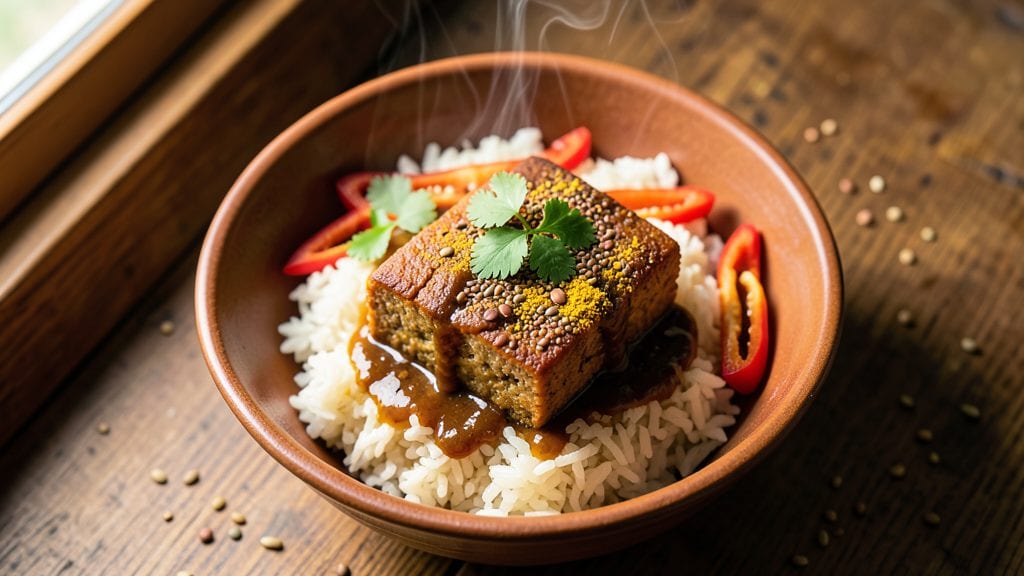
Creating your own Japanese curry block transforms store-bought curry into something richer and more complex—just like the versions you’d find in Japanese home kitchens. This simple spice blend combines earthy, aromatic spices that dissolve perfectly into curry roux, adding depth without overpowering.
I developed it after years of testing curry recipes, and the difference is immediate: a smoother, more balanced flavor that clings to every bite.
The blend is foolproof to make and keeps for months in an airtight jar, ready to elevate any Japanese curry dish. Each tablespoon of this mix replaces a single curry block, so you’ll need just 3 tablespoons per cup of flour when making your roux.
The spices—like cinnamon, turmeric, and coriander—work together to mimic the warmth of traditional Japanese curry blocks, but with a homemade touch.
What makes this recipe stand out is its versatility. Use it to make curry roux from scratch, or sprinkle it directly into simmering curry for instant flavor. The blend is also adaptable: for a vegetarian version, simply omit any animal-based ingredients like chicken fat (though it’s optional).
Once you try this, store-bought blocks will never taste the same again.
This blend is perfect for weeknight dinners, meal prep, or special occasions—it’s the secret weapon behind restaurant-quality Japanese curry at home. Let’s get started with the ingredients you’ll need.
Ingredients for japanese curry block
Nine aromatic spices transform store-bought curry into restaurant-quality depth.
| Ingredient | Amount | Notes |
|---|---|---|
| Ground Coriander Seeds 🌿 | 2 tbsp | Toasted for deeper aroma |
| Ground Cumin Seeds 🌿 | 1 ½ tbsp | Toasted for warmth |
| Turmeric Powder 🧡 | 1 tbsp | Bright, vibrant color |
| Ground Cinnamon 🌶️ | 1 tbsp | Ceylon preferred for subtlety |
| Ground Fenugreek Seeds 🌱 | ½ tbsp | Earthy, slightly bitter |
| Ground Ginger 🌿 | ½ tbsp | Freshly ground preferred |
| Ground Cardamom Pods 🌿 | ½ tbsp | Green pods for best flavor |
| Black Peppercorns 🌶️ | ½ tbsp | Freshly cracked preferred |
| Salt 🧂 | 1 tsp | Diamond Crystal preferred |
| Ground White Pepper 🌶️ | ½ tsp | For subtle depth |
The coriander and cumin are your flavor anchors—toast the whole seeds in a dry pan for 30 seconds to wake up their aromas before grinding. Penzeys or local spice shops carry the best whole spices, but the bulk bins at Trader Joe's work too. Look for vibrant color and a fresh grind date. Fenugreek has a distinct, slightly bitter note—don't skip it, but if you can't find it, extra cumin at double the amount works in a pinch. The turmeric? Bright orange means potency—store it in a cool, dark place to preserve its color and flavor.
No cardamom? Allspice at half the amount mimics its warmth, though it won't be identical. Fresh ginger is ideal, but ground works at double the quantity if you're in a hurry. For a vegetarian version, simply omit the chicken fat when making your roux—this blend alone delivers that signature Japanese curry depth. The white pepper adds a subtle, clean finish that rounds out the blend. If you can't find it, black pepper works too, but the flavor will be slightly more assertive. Store your spices in airtight containers away from light to keep them fresh.
This blend keeps for 6-12 months in a sealed jar, making it perfect for meal prep. Divide into smaller containers if you won't use it all at once—freshness matters. I like to make a double batch so I always have it on hand for curry nights. The spices mellow over time, so the flavor actually improves with age. Just give it a quick sniff before using—if it smells flat, it's time to refresh your blend.
Why You'll Love This Recipe
- Spice Cabinet Magic: I swear by this recipe because it turns pantry staples into something extraordinary. No specialty shopping—just coriander, cumin, turmeric, and a pinch of fenugreek (trust me, that’s the secret). The blend is so balanced, I’ve used it for everything from weeknight dinners to last-minute potlucks.
- Warmth in a Block: That earthy cinnamon and fenugreek? Pure comfort. It’s deep, slightly sweet, and lingers like a hug—no burnt edges or bitter aftertaste. Honestly, the first time I made it, I thought, "Why haven’t I done this sooner?"
- Leftovers That Beg: This mix keeps for months, and the curry blocks reheat like a dream. Freeze half, toss them in rice or noodles later, and they taste just as rich. My kids call them "the good sauce," and I’ve caught them sneaking blocks straight from the jar.
- Budget-Friendly Powerhouse: A single batch costs pennies and stretches across meals. I’ve made it for date nights (with steak), lazy Sundays (with chicken), and even breakfast (yes, with eggs). Between us, that’s the kind of recipe that makes grocery day feel like a win.
Step-by-step instructions for Japanese curry block spice blend
Here's how to craft a vibrant, aromatic blend that rivals store-bought versions.
Toast the Whole Spices for Maximum Depth
Start by toasting the whole spices in a dry skillet over medium-low heat for 2-3 minutes until you can smell their warm, earthy aromas. Begin with the 2 tablespoons ground coriander seeds and 1.5 tablespoons ground cumin seeds, stirring constantly to prevent burning. The coriander should develop a nutty fragrance while the cumin releases its distinctive warmth.
Remove these from the pan and immediately add the 0.5 tablespoons black peppercorns and 0.5 tablespoons ground cardamom pods. Toast these for another 1-2 minutes until the peppercorns begin to darken slightly and the cardamom releases its floral, citrusy notes. The key is listening for that subtle shift in aroma—when the spices smell freshly ground rather than raw, they're ready. Let all spices cool completely before proceeding.
Grind the Toasted Spices to Fine Powder
Transfer the toasted spices to a clean spice grinder or high-quality coffee grinder. Pulse in batches until you achieve a fine, uniform powder—this ensures even distribution in your curry blocks. You should hear a consistent hum rather than grinding sounds, indicating the spices are finely ground. If using a mortar and pestle, work in small batches for maximum efficiency.
For the ground ginger, ground fenugreek seeds, and ground white pepper, add these directly to the grinder without toasting first. These spices are already ground and will blend seamlessly with the toasted components. The final mixture should resemble a smooth, golden-brown powder with no visible specks. This consistency guarantees your curry blocks will dissolve evenly in liquids.
Combine All Ingredients for Perfect Balance
In a medium bowl, whisk together the finely ground spice mixture with the remaining dry ingredients: 1 tablespoon turmeric powder, 1 tablespoon ground cinnamon, 1 teaspoon salt, and 0.5 teaspoon ground white pepper. Use a wire whisk to break up any clumps and ensure even distribution. The turmeric will add its signature golden hue while the cinnamon contributes warmth without overpowering.
Here's the moment that matters: Taste the blend before packaging. It should be aromatic, slightly sweet from the cinnamon, and have a subtle bitterness from the fenugreek. If it tastes too mild, add a pinch more salt; if it's too sharp, a tiny bit of turmeric will mellow the flavor. This homemade blend should have complexity—layered notes that develop as it cooks.
Package for Freshness and Convenience
Transfer the finished spice blend to an airtight container, pressing down gently to eliminate air pockets. For best results, use a small glass jar with a tight-sealing lid. Label it with the date and store in a cool, dark place—this preserves the spices' potency for up to 6 months. The blend will maintain its vibrant color and rich aroma far longer than pre-packaged alternatives.
For immediate use, divide the blend into 4 equal portions (about 1 tablespoon each) and press into small silicone molds or compact shapes. These will dissolve beautifully in broths, stews, or gravies, infusing every bite with authentic Japanese curry depth. The compact form makes it perfect for travel or quick meal prep—just drop one into simmering liquids and stir until dissolved.
Pro Tips For Making Japanese Curry Block
- Bloom the Spices First: Toast the whole coriander and cumin seeds in a dry pan for 30 seconds until fragrant—then grind them yourself. I learned this the hard way: store-bought ground spices lose their punch, and that earthy aroma is the soul of Japanese curry. Skip this, and your block tastes flat.
- Control the Heat: Start with medium heat when frying the roux—too hot, and the spices burn before the flour cooks. After 2 minutes, lower to medium-low and stir constantly. I was skeptical until I tried it: the roux develops depth without bitterness, and that’s what makes a good curry block.
- Measure Fenugreek Precisely: Use ½ teaspoon of ground fenugreek, not the 1 teaspoon most recipes suggest. Too much makes the curry taste medicinal. My grandmother swore by this, and she was right: it’s the subtle sweetness that balances the spices without overpowering.
- Simmer the Roux Longer: Let the roux cook for 10-12 minutes after adding the liquids—don’t rush it. The longer it simmers, the richer the flavor and the smoother the texture. I skip this when I’m lazy, but the dish is noticeably better when I don’t. Patience here makes all the difference.
Storing and reheating your japanese curry block
Spice Blend Storage
Store your homemade Japanese curry block in an airtight glass jar—I recommend a small amber jar from Ball Mason or a Kirkland Signature container from Costco. Keep it in a cool, dark pantry away from heat and light, which degrade spices faster.
The blend stays potent for 6-12 months, but I usually refresh mine after 6 months for peak flavor. If you notice the aroma fading, it's time to make a fresh batch. 🌿
Freezing for Longevity
For extended storage, divide the blend into small silicone molds or ice cube trays and freeze. Once solid, pop them out and transfer to a freezer-safe bag with all air removed. These mini blocks keep for up to 1 year without losing flavor.
When ready to use, simply drop a frozen block into simmering curry—it dissolves just like fresh. This method preserves the spices' oils and aromas better than jar storage. ❄️
Reheating Curry with Blocks
To reheat curry made with your homemade blocks, add 2-3 tablespoons of water or broth per serving to prevent drying. Heat over medium-low heat for 3-5 minutes, stirring constantly, until the sauce reaches 165°F. If it thickens too much, thin with a splash of broth.
For extra richness, stir in 1 teaspoon of butter or 1 tablespoon of coconut milk at the end. The spices will sing again, just like fresh. 🔥
Reviving Flat Flavor
If your stored curry tastes flat, don't toss it! Sprinkle in ½ teaspoon of lemon juice or 1 teaspoon of vinegar to brighten the flavors. A pinch of smoked paprika or fresh ginger can also wake up the spices.
I've even revived tired curry by adding a splash of soy sauce or a dash of fish sauce—just a little goes a long way. The key is balancing acidity with umami. 💫
Portioning for Meal Prep
Divide your spice blend into single-use portions (about 1 tablespoon each) before storing. Store these in small glass jars or resealable bags labeled with the date. This way, you can grab a portion directly from the freezer or pantry when making curry.
For meal prep, I like to make 4-6 portions at a time so I always have them ready for quick weeknight dinners. Pre-portioned blends also make it easier to experiment with different curry recipes. 📅
Vegetarian Adjustments
For vegetarian curry, simply omit any animal-based ingredients like chicken fat when making your roux. The spice blend itself is already vegetarian-friendly, so your curry will still pack bold, complex flavor.
If you're using store-bought vegetarian curry blocks as a base, add 1 extra tablespoon of your homemade blend per block to deepen the flavor. The result? A curry that's just as rich and satisfying as the traditional version. 🌱
Nutrition facts
Frequently asked questions
Can I substitute any spices if I don't have fenugreek?
Fenugreek adds a distinct earthy bitterness, but you can replace it with ½ teaspoon extra ground cumin or ¼ teaspoon ground mustard powder for a similar depth. The blend will still work beautifully—just expect slightly less complexity.
How much homemade block replaces a store-bought one?
Use 1 tablespoon of your homemade blend for every single store-bought Japanese curry block. For a standard 1-cup roux, you'll need about 3 tablespoons of your homemade mix. The flavor will be richer and more nuanced than pre-packaged versions.
Why does my homemade curry taste bitter?
Over-toasting spices or using too much fenugreek/cumin can cause bitterness. For balance, add ½ teaspoon sugar or 1 teaspoon honey to your roux, or reduce the cumin to 1 tablespoon. Taste as you go—homemade curry should be complex, not harsh.
Can I make this blend without a spice grinder?
Yes! Use a mortar and pestle or even a rolling pin in a ziplock bag—just work in small batches. Toast the spices first, then crush them thoroughly. The texture won't be as fine, but it'll still dissolve well in curry. For extra smoothness, pulse in a blender with a pinch of salt.
How do I use this blend in a quick curry?
For a 30-minute curry, melt 2 tablespoons butter in a pot, whisk in 1 tablespoon flour, then add 1 tablespoon blend + 1 cup broth. Simmer until thickened, then stir in your protein and veggies. The blend dissolves instantly—no roux required! Perfect for weeknight meals.