
Desserts
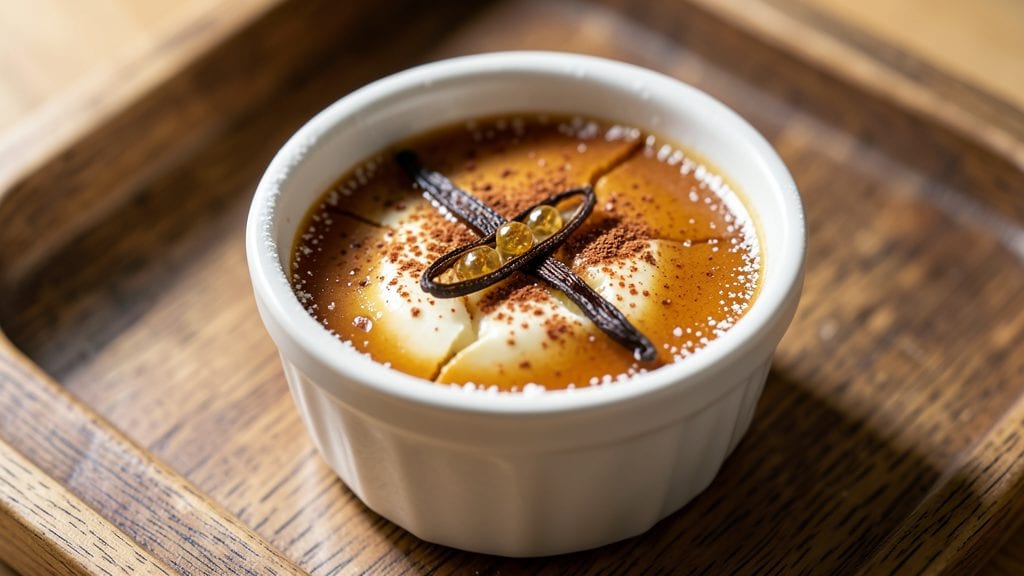
This Japanese milk pudding recipe delivers a silky vanilla cloud with a delicate cinnamon kiss that feels like a warm hug in dessert form. The secret lies in slow simmering milk and sugar until it reaches that perfect, velvety consistency—no fancy equipment needed.
I first discovered this version while studying traditional Japanese sweets, and it’s become a staple in my dessert rotation for its simplicity and elegant results.
The beauty of this recipe is its foolproof method—just milk, sugar, and a touch of cornstarch to create that signature smooth texture. No overcomplicating, no special tools, just a stovetop and patience. The cinnamon-infused vanilla bean adds depth without overpowering, making it feel both comforting and refined.
Whether you're serving it chilled or at room temperature, the contrast of warm spices and cool creaminess is undeniable.
What you’ll end up with is a dessert that’s light yet indulgent, with a texture so tender it practically melts on the tongue. The pudding sets beautifully in the fridge, allowing it to develop even more flavor over time.
It’s the kind of treat that feels special enough for guests but simple enough for a weeknight craving. Pair it with fresh berries or a sprinkle of toasted nuts for extra dimension.
This recipe also works as a versatile base—swap vanilla for matcha or coconut milk for a tropical twist. The technique stays the same, but the flavors adapt effortlessly. Let’s get started on creating your own cloud-like pudding that tastes like a little piece of Japan.
Ingredients for japanese milk pudding
Four simple ingredients transform into a delicate Japanese vanilla cloud with cinnamon warmth.
| Ingredient | Amount | Notes |
|---|---|---|
| Whole Milk 🥛 | 4 cups | Full-fat for creaminess |
| Granulated Sugar 🍚 | ¾ cup | White or light brown |
| Cornstarch 🌾 | 2 tbsp | For silky texture |
| Vanilla Bean 🍋 | 1 whole | Scraped seeds and pod |
| Ground Cinnamon 🌿 | ½ tsp | High-quality for aroma |
| Salt 🧂 | ¼ tsp | Fine sea salt |
| Unsalted Butter 🧈 | 2 tbsp | Cold, cut into pieces |
The milk is the foundation—whole milk delivers the richest texture, but 2% works in a pinch if that's what you have. For the vanilla, Madagascar beans are ideal, but any high-quality vanilla bean will do. The cornstarch is non-negotiable—it's what creates that signature silky consistency. Most grocery stores carry it near the flour, but Trader Joe's and Whole Foods often have premium options. If you can't find vanilla beans, pure vanilla extract works, though the seeds add that luxurious touch. The cinnamon should be freshly ground if possible—pre-ground loses potency quickly, so check the date on the jar.
No vanilla bean? Pure vanilla extract at half the amount (1/2 tsp) works, though the texture won't be as luxurious. Running short on cornstarch? Arrowroot powder is a 1:1 substitute. The butter adds richness—European-style butter like Plugrá or Kerrygold gives the best flavor, but any unsalted butter will work. For a lighter version, replace half the milk with light coconut milk (though the flavor will shift slightly). The sugar can be swapped for coconut sugar or honey (reduce by 1 tbsp), but white sugar ensures the classic flavor profile. If you're making this ahead, the pudding actually improves overnight—just stir before serving.
This pudding keeps beautifully in the fridge for up to 5 days, though it's best within 3 days for peak texture. For longer storage, freeze in portions—it thaws perfectly and tastes just as good. The butter should be stored in the freezer to preserve freshness. When reheating, warm gently on the stove or microwave in 20-second bursts, stirring between each. Serve chilled for that classic Japanese dessert experience, or at room temperature for a warmer, more comforting texture. Pair with fresh berries or a sprinkle of toasted coconut for extra dimension.
Why You'll Love This Recipe
- No Whisk Wars: I swear, this pudding only needs a saucepan and a whisk—no blender, no food processor, no stress. The cornstarch slurry thickens it like magic, and honestly? My first attempt was lumpy, but now I just stir until it’s smooth. (Pro tip: low heat is your friend.)
- Vanilla-Cinnamon Magic: That split vanilla bean? It’s not just flavor—it’s depth. A single scrape of the seeds turns this from "dessert" to "I’d drive through rain for this" moment. And the cinnamon? Just a pinch, but it lingers like a hug from your favorite aunt.
- Weeknight Hug: I make this when I’m too tired to bake, when I need something sweet without effort, or when my kiddo begs for a treat after school. It’s the kind of dessert that feels fancy but takes less time than boiling water for pasta.
Step-by-step instructions for Japanese milk pudding
Follow this precise method to create a velvety, aromatic milk pudding with perfect texture every time.
Infuse the Milk with Vanilla and Cinnamon
In a medium saucepan, combine the 4 cups whole milk, the scraped seeds and pod from 1 whole vanilla bean, 0.5 teaspoon ground cinnamon, and 0.25 teaspoon salt. Place the saucepan over medium-low heat and warm the mixture, stirring occasionally, until it reaches 180°F. This gentle heating allows the vanilla and cinnamon to fully infuse the milk without scorching.
I like to use a candy thermometer for accuracy here. The milk should feel warm to the touch but not hot enough to cause steam. If you don't have a thermometer, test by dipping your finger in—it should feel comfortably warm, not scalding. This step ensures maximum flavor extraction from the vanilla bean and cinnamon.
Create the Cornstarch Slurry
While the milk heats, whisk together the 0.75 cup granulated sugar and 2 tablespoons cornstarch in a small bowl until completely dissolved. This creates a smooth slurry that will thicken the pudding evenly. The sugar helps balance the acidity of the cornstarch and enhances the overall sweetness.
I prefer using a whisk for this step to avoid any lumps. If you see any small clumps, simply press them against the side of the bowl with the back of your spoon until fully incorporated. This slurry is the secret to achieving that signature silky texture—any lumps will create a grainy pudding.
Thicken the Pudding on Gentle Heat
Slowly pour the cornstarch-sugar slurry into the warm milk while whisking constantly. Return the saucepan to medium-low heat and continue stirring with a wooden spoon or silicone spatula. The mixture will begin to thicken almost immediately, but keep stirring for 3-5 minutes until it reaches a pudding-like consistency.
You'll know it's ready when the mixture coats the back of your spoon and leaves a clear path when you run your finger through it. This should take about 5 minutes of constant stirring. If the pudding thickens too quickly, reduce the heat slightly to prevent scorching. The key is gentle, even heat throughout this process.
Finish with Butter for Richness
Remove the saucepan from heat and stir in the 2 tablespoons cold unsalted butter, cut into small pieces. The butter will melt into the warm pudding, adding a luxurious richness. Let the mixture sit for 1-2 minutes, then give it one final stir to ensure everything is fully incorporated.
This butter step is crucial for that authentic Japanese milk pudding texture. The cold butter prevents the pudding from becoming too thick while adding a subtle depth of flavor. The finished mixture should be smooth, glossy, and just slightly thicker than heavy cream. If it's too thick, you can thin it with a splash of warm milk.
Chill and Serve
Transfer the pudding to a heatproof bowl and press plastic wrap directly onto the surface to prevent a skin from forming. Refrigerate for at least 2 hours, or until completely chilled and set. The pudding should have a firm but still slightly jiggly texture when ready to serve.
For best results, serve the pudding cold. It can be enjoyed on its own, topped with a sprinkle of extra cinnamon, or paired with fresh fruit like berries. The contrast between the warm cinnamon notes and the cool, creamy texture makes this pudding truly special. Store any leftovers in an airtight container in the refrigerator for up to 3 days.
Pro Tips For Making Japanese Milk Pudding
- Whisk Like You Mean It: The cornstarch slurry needs to be smooth as silk—no lumps, or you’ll end up with that sad, grainy texture. Use a fine-mesh sieve to sift it into cold milk first, then whisk aggressively for 30 seconds before heating. I learned this the hard way after scraping lumps out of my pudding with a fork.
- Split the Vanilla Bean: Skip the pre-scraped vanilla paste—it’s convenient, but nothing beats fresh. Split the pod lengthwise, scrape out all the seeds (yes, even the tiny ones), and toss the scraped pod into the milk while heating. The leftover pod fibers infuse flavor without bitterness, and it looks impressive when you serve it.
- Watch the Boil: Once the mixture thickens, it’ll bubble hard and look like it’s about to seize. That’s when you drop the heat to lowest simmer and stir constantly—no walking away. I used to let it boil too long, and the pudding turned gluey. A gentle simmer for 1-2 minutes after thickening is all it needs.
- Chill It Properly: Pour the pudding into a shallow dish (like a pie plate) and press plastic wrap directly on the surface before refrigerating. This prevents a skin from forming, and the texture stays silky. I used to let it cool in a deep bowl, and the top would dry out—now it’s always creamy edge to edge.
Pro cooking tips for perfect results
Temperature Control Secrets
Japanese milk pudding relies on precise temperature control—the milk must warm to 180°F without scorching.
I use a candy thermometer (like the OXO Good Grips) to monitor this, but if you don’t have one, test with your finger: the milk should feel warm but not hot enough to cause steam. Overheating burns the milk and ruins the delicate flavor. 🌡️
Slurry Perfection
The cornstarch-sugar slurry must be fully dissolved before adding to the milk—any lumps create a grainy texture. Whisk vigorously in a small bowl until smooth, then slowly pour into the warm milk while stirring constantly.
For extra silky results, strain the mixture through a fine-mesh sieve after thickening to eliminate any remaining grit.
Butter Integration
Adding cold butter at the end is non-negotiable—it prevents the pudding from becoming too thick while adding richness. Cut the butter into small cubes and let it melt into the warm pudding off the heat.
Stir just until fully incorporated to avoid overworking the mixture, which can make it gummy. 🧈
Chilling Like a Pro
Press plastic wrap directly onto the pudding’s surface before refrigerating to prevent a skin from forming. This ensures a smooth, velvety texture when served. For faster chilling, place the bowl in an ice bath for 15 minutes before transferring to the fridge.
The pudding should set in 2 hours—test by gently shaking the bowl; it should jiggle slightly but hold its shape.
Stirring Technique
Constant stirring is critical during thickening—use a wooden spoon or silicone spatula to avoid scratching the saucepan. Stir in small circles at the bottom to prevent scorching, and keep the heat at medium-low.
If the pudding thickens too quickly, immediately reduce the heat or remove the pan from the stove. Patience here ensures a flawless texture.
Flavor Layering
Infuse the milk with vanilla bean and cinnamon for 5 minutes before adding the slurry to maximize flavor extraction. For deeper aroma, toast the cinnamon lightly in a dry pan before grinding it.
The vanilla pod can be reused once—simply rinse it and store it in the freezer for up to 3 months. This step elevates the pudding from basic to luxurious. 🌿
Nutrition facts
Frequently asked questions
Can I make this Japanese milk pudding without a vanilla bean?
Yes! Use ½ teaspoon pure vanilla extract instead, though the texture won't be quite as luxurious. For a stronger vanilla flavor, add ¼ teaspoon vanilla bean paste along with ½ teaspoon extract. The key is balancing the flavor while maintaining the silky consistency.
Why did my pudding turn out grainy?
Graininess usually means the cornstarch didn't fully dissolve before mixing. Whisk the cornstarch-sugar slurry until completely smooth, and pour it slowly into the warm milk while stirring constantly. If it's already grainy, strain through a fine-mesh sieve before chilling.
Can I use coconut milk instead of regular milk?
Replace half the milk with coconut milk for a tropical twist. The texture will be slightly lighter, but the flavor will be richer and more aromatic. For best results, use full-fat coconut milk and adjust the sugar to taste since coconut milk is naturally sweeter.
How long does this pudding keep in the fridge?
The pudding stays fresh for 3-5 days when stored in an airtight container. For longer storage, freeze portions in silicone molds—it thaws beautifully and tastes just as good. The texture may soften slightly after freezing, but it’s still delicious when warmed gently.
What’s the best way to serve this dessert?
Serve chilled in small bowls with a sprinkle of toasted cinnamon or fresh berries for contrast. For a modern twist, layer with matcha whipped cream or drizzle with caramel. The warm spices and cool creaminess make it perfect for any occasion—whether it's a cozy night in or a special dessert course.