
Breakfast & Brunch
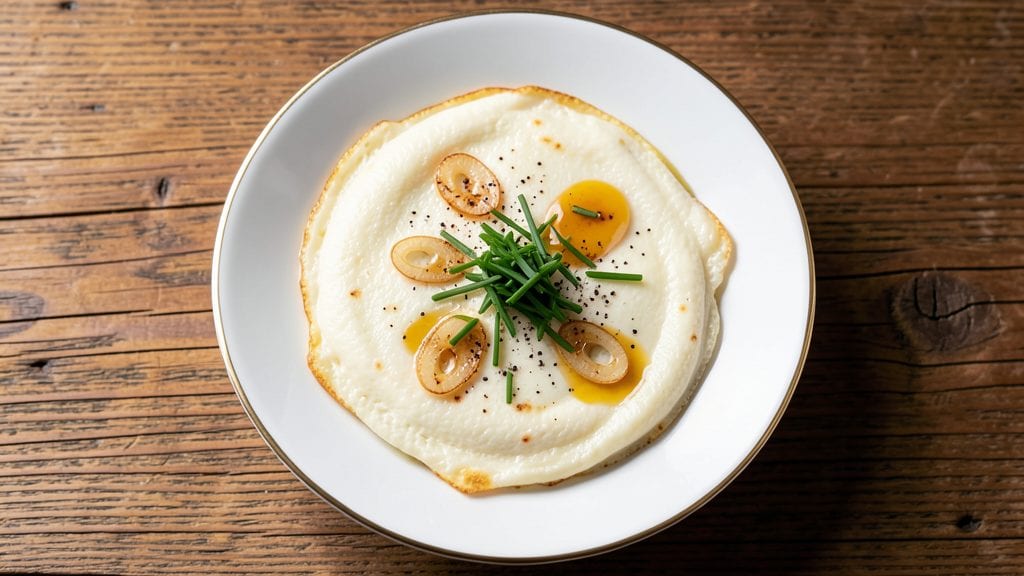
Julia Child's classic omelette recipe is the gold standard for French egg perfection—buttery, fluffy, and folded with precision. What makes this technique legendary isn't just the result, but the method: gentle heat, constant motion, and a copper pan that conducts heat like magic.
I've recreated her approach after years of experimenting, and the difference between a good omelette and a great one comes down to these exact steps.
The secret lies in three critical elements: using room-temperature eggs, a perfectly seasoned butter base, and the patience to let the omelette set gradually. Julia Child herself emphasized that an omelette should be "just set" when rolled—not overcooked or rubbery.
This recipe delivers that signature custardy interior and tender exterior, with every fold holding its shape when plated.
What you'll achieve is an omelette so light it practically melts in your mouth, with a delicate golden hue and a texture that's neither dry nor runny. The folding technique ensures no filling escapes, and the buttery richness lingers long after the last bite.
This is the kind of dish that transforms breakfast into an event—restaurant-quality at home with just a few simple tools.
Whether you're serving it as a brunch centerpiece or a late-night indulgence, this method works every time. The key is confidence in the process—once you master the timing, you'll never go back to the diner-style version again. Let's get started on creating your own masterpiece.
Ingredients for julia child omelette
Four eggs, two tablespoons butter, and a copper pan transform into Julia Child's legendary omelette.
| Ingredient | Amount | Notes |
|---|---|---|
| Large Eggs 🥚 | 4 whole | Room temperature preferred |
| Unsalted Butter 🧈 | 2 tbsp | European-style preferred |
| Fresh Chives 🌿 | 1 tbsp | Finely chopped for garnish |
| Shallots 🧅 | 1 small | Minced for filling (about 1 tbsp) |
| Salt 🧂 | ¼ tsp | Fine sea salt preferred |
| Freshly Ground Black Pepper 🌶️ | ⅛ tsp | Freshly cracked preferred |
| Heavy Cream 🥛 | 1 tbsp | Optional for extra richness |
| Parmesan Cheese 🧀 | 1 tbsp | Freshly grated for filling |
| Copper Pan 🍳 | 1 whole | 8-inch preferred for even heat |
| Butter Knife 🔪 | 1 whole | For precise butter folding |
The eggs need to be room temperature—Julia Child insisted on this. Pull them from the fridge 30 minutes before cooking or run them under warm water for 5 minutes. For the butter, European-style with higher fat content gives that signature richness. I grab mine from Whole Foods or Trader Joe's—the good stuff melts smoothly without burning. The shallots? One small shallot is perfect—peel it, slice it thin, and let it sit in the butter for 30 seconds before adding eggs. Fresh chives add brightness, but skip them if you're serving something else inside.
No chives? Fresh parsley or tarragon works just as well. Running low on butter? Olive oil or ghee can substitute, but the flavor won't be identical. The Parmesan should be freshly grated from a block—pre-shredded gets clumpy. Want extra fluff? Add a tablespoon of heavy cream to the eggs before whipping. The copper pan is non-negotiable for even heat distribution—if you don't have one, a well-seasoned stainless steel works in a pinch. Just make sure it's preheated on medium-low before adding butter.
Eggs keep best in the fridge for 3 weeks after purchase, but use them within 1 week6 months in the pantry, but once opened, keep it in the fridge. The chives? Wrap them in damp paper towels and store in a bag—they'll last 1 week. Make ahead tip: Whip the eggs and store them in the fridge for up to 24 hours—just whisk again before cooking. The filling can be prepped while the pan heats, so everything's ready when you start.
Why You'll Love This Recipe
- Here’s what sold me: that golden, buttery crust on the bottom while the inside stays silky. The shallots caramelize just enough to add sweetness, and the chives? They turn this into a flavor bomb without any fuss. It’s the kind of omelette where every bite feels intentional.
- Five-Ingredient Magic: I swear by this recipe because it’s the kind of dish where you actually use what’s in your fridge. No shopping lists, no stress—just eggs, butter, shallots, chives, and salt. That’s it. The butter alone makes it feel like a restaurant meal, even when I’m microwaving leftovers for lunch.
- Butter-Crisped Perfection: Here’s what sold me: that golden, buttery crust on the bottom while the inside stays silky. The shallots caramelize just enough to add sweetness, and the chives? They turn this into a flavor bomb without any fuss. It’s the kind of omelette where every bite feels intentional.
- Weeknight Hero: Between us, this is my go-to when I’m too tired to think. Toss in a handful of chives and a couple of sliced shallots, cook it low and slow, and suddenly you’ve got dinner. Honestly, I’ve served it at brunch, as a side for steak, and even as a fancy-ish breakfast for guests. It works everywhere.
Step-by-step instructions for Julia Child's classic omelette
Here's how to make a perfectly fluffy, buttery omelette just like Julia taught us.
Whisk the Eggs Until Silky
Crack all 4 whole large eggs into a bowl and add the 0.25 teaspoon salt and 0.125 teaspoon freshly ground black pepper. Use a fork or whisk to beat vigorously for about 30 seconds until the yolks and whites are fully combined and the mixture begins to thicken slightly. This step ensures a smooth, creamy texture in your omelette.
If you're using the 1 tablespoon heavy cream, add it now and whisk again for another 10 seconds. The cream adds richness, but it's optional for a classic version. Julia always emphasized room temperature eggs—this prevents any chance of scrambling when they hit the hot pan. If your eggs are straight from the fridge, let them sit out for 10 minutes before whisking.
Prepare the Filling and Pan
Finely chop the 1 tablespoon fresh chives and mince the 1 small shallot until you have about 1 tablespoon of minced shallot. Set these aside in separate small bowls. The copper pan is your secret weapon here—its even heat distribution creates that perfect, tender omelette texture. Place the pan over medium-low heat and add the 2 tablespoons unsalted butter.
Let the butter melt completely, then swirl it around the pan to coat the bottom and sides evenly. You'll see it foam and bubble—this is your signal that it's ready. The butter should be hot but not smoking, about 325°F. If it starts to brown too quickly, reduce the heat slightly. Julia always said butter is the soul of a good omelette, and this step makes all the difference.
Cook the Omelette to Perfect Fluff
Pour the egg mixture into the pan and immediately begin stirring gently with the butter knife. Keep the heat at medium-low and use a figure-eight motion to create small, even curds. This stirring technique prevents the eggs from sticking and ensures that beautiful, tender texture. After about 30 seconds, you'll notice the eggs start to set at the edges while remaining slightly runny in the center—this is exactly what you want.
When the eggs are mostly set but still slightly soft in the middle (about 1 minute 30 seconds total), sprinkle the 1 tablespoon freshly grated parmesan cheese evenly over one half of the omelette. Then fold that half over the other half using the butter knife. The cheese will melt slightly from the residual heat, creating a creamy center. Keep the folded omelette in the pan for another 10 seconds to let the cheese melt completely.
Plate and Serve with Finesse
Carefully slide the omelette onto a warm plate using the butter knife. The filling should stay neatly contained in the center. Sprinkle the minced shallots and chopped chives over the top for a pop of color and fresh flavor. Julia always served her omelettes immediately—this is when they're at their peak texture and temperature.
Cut each omelette in half and serve right away. The outside should be golden and slightly crisp, while the inside remains tender and creamy. If you made two omelettes, serve them both at once—they won't wait. This classic technique delivers that perfect balance of buttery richness, tender eggs, and delicate filling that makes Julia Child's omelette legendary.
Pro Tips For Making Julia Child Omelette
- Prep Shallots Like a Pro: Thinly slice them lengthwise into paper-thin strips—not dice them—so they cook fast and stay crisp. I learned this the hard way when my omelette turned into a soggy shallot stew.
- Use Medium-High Heat: Julia’s method relies on a hot pan—crank it to medium-high before adding butter. If it’s too low, your omelette will steam instead of develop that golden crust. Trust me, your future omelette will thank you.
- Salt the Eggs First: Whisk the eggs with salt before cooking—it distributes evenly and seasons the whole dish, not just the top. I used to sprinkle it later, and the flavor was always uneven.
- Fold, Don’t Roll: Julia’s signature fold (one-third over, then the rest) keeps the filling inside—rolling traps it and makes a mess. It looks fussy, but it’s the only way to get that elegant, intact finish.
Common mistakes when making great julia child omelette
Overcooking the Eggs
I’ve seen so many omelettes turn out rubbery or dry because the cook let them sit too long in the pan. Julia Child’s method relies on gentle heat and constant motion—never let the eggs cook beyond 1 minute 30 seconds on medium-low.
If your pan isn’t hot enough, the eggs will scramble instead of forming that signature fluffy texture. The moment the edges set but the center remains slightly runny, it’s time to fold. 🔥
Skipping the Butter Foam
That initial foam when you melt the butter isn’t just for show—it’s your signal that the pan is ready. If you rush and add eggs before the butter foams, you’ll end up with a greasy, uneven omelette.
Let the butter bubble and sizzle for 30 seconds after melting, coating the pan completely. I’ve tried using olive oil, but nothing replaces that buttery richness Julia insisted on. 🧈
Folding Too Early or Too Late
The fold is everything! Folding too early means the filling will spill out, while folding too late results in a tough, overcooked center. Aim for when the eggs are 80% set—the edges should hold their shape, but the middle should still look slightly wet.
Use a butter knife to fold one half over the other with confidence, keeping the filling contained. Practice makes perfect here.
Ignoring Room-Temperature Eggs
Cold eggs from the fridge will scramble instead of creating that delicate omelette texture. Julia Child was adamant about this—always use room-temperature eggs. If you’re in a hurry, run them under warm water for 5 minutes or let them sit out for 30 minutes.
Cold eggs also cause the butter to cool too quickly, breaking the perfect cooking balance. 🥚
Using Pre-Shredded Cheese
Pre-shredded cheese contains anti-caking agents that make it clump and release moisture, turning your omelette into a soggy mess. Always use freshly grated Parmesan—it melts smoothly and adds that authentic, nutty depth.
If you’re using other cheeses like Gruyère or goat cheese, grate them yourself too. The texture difference is night and day.
Stirring Too Aggressively
While constant motion is key, aggressive stirring can break up the eggs into scrambled bits. Use a gentle figure-eight motion with your butter knife to create small, even curds.
Think of it like painting—smooth, controlled strokes. If you’re too rough, you’ll lose that silky, custardy interior Julia’s omelettes are famous for. 🎨
Nutrition facts
Frequently asked questions
Why does Julia Child's omelette need room-temperature eggs?
Room-temperature eggs create that signature creamy, custardy texture instead of scrambling. Cold eggs cook unevenly, causing the omelette to turn rubbery. Julia insisted on this step—simply let eggs sit out for 30 minutes or run them under warm water for 5 minutes before whisking. The difference in texture is dramatic!
Can I make this omelette without a copper pan?
While copper pans distribute heat perfectly, a well-seasoned 8-inch stainless steel pan works too. Just ensure it's preheated on medium-low heat and maintain constant motion with your butter knife. The key is even heat distribution—if your pan gets too hot, reduce the flame immediately.
What's the best way to fold an omelette without losing filling?
Fold when the eggs are 80% set—edges firm but center still slightly runny. Use a butter knife to lift one half and fold it over the other with confidence. Julia's technique: tilt the pan slightly to help gravity assist the fold. Practice makes perfect—don't be afraid to try again if the first attempt isn't perfect!
How do I store leftover omelette?
Store in an airtight container in the fridge for up to 2 days. Reheat gently in a dry pan over low heat for 2-3 minutes per side—never microwave, as it makes the texture rubbery. For best results, make fresh omelettes whenever possible, as they're at their peak texture when served immediately.
What are some great fillings for this classic omelette?
Julia's original used shallots and chives, but you can get creative! Try smoked salmon with dill, gruyère and spinach, or mushrooms and thyme. For a French twist, add fines herbes (tarragon, chervil, parsley). Just remember: add fillings right before folding to keep them warm and fresh.