
Desserts
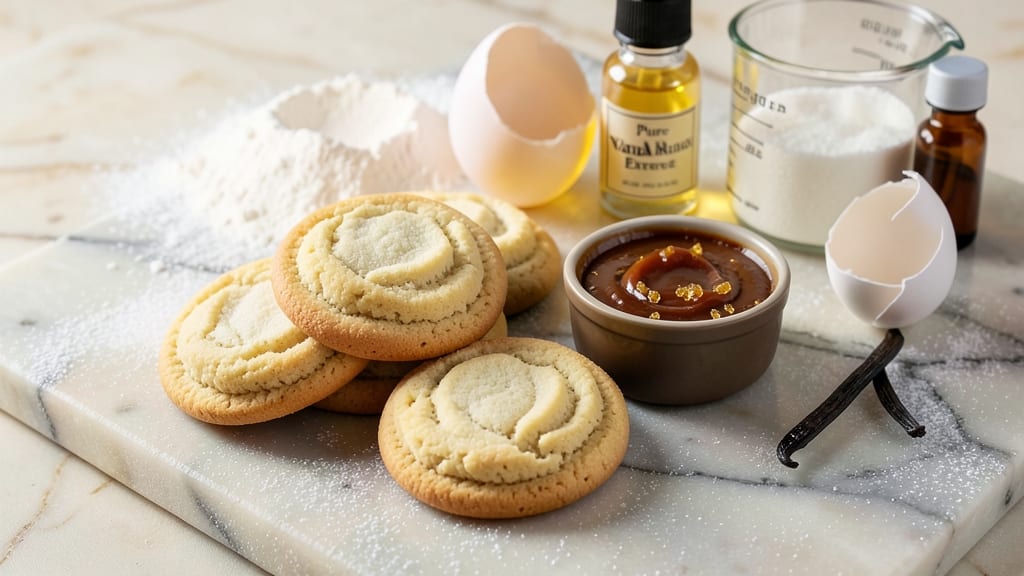
This Toll House sugar cookie recipe delivers the classic butter-and-sugar perfection that's been baking up holiday memories for generations. The secret lies in precise ratios of butter, sugar, and eggs—creamed together until light and fluffy—while the addition of vanilla and almond extract creates that signature warm, aromatic flavor.
I've baked these cookies for decades, and this method never fails to produce tender centers with crisp edges that hold their shape perfectly.
The recipe uses simple pantry staples—flour, butter, sugar, eggs, and vanilla—but the technique makes all the difference. Chilling the dough for at least 24 hours develops deeper flavor and prevents spreading, while baking at 350°F ensures golden-brown cookies with that signature caramelized edge.
The result is a batch of cookies that tastes like your favorite bakery's version, with a texture that's just right—chewy yet firm enough to hold decorations.
What makes these cookies truly special is their versatility. Use them for holiday gift-giving, cookie exchanges, or just satisfying that mid-afternoon sweet tooth. The dough can be rolled and cut into classic rounds, festive shapes, or even pressed into a pan for a sheet of decorated perfection.
Each bite delivers that perfect balance of sweetness and buttery richness that defines a true Toll House cookie.
For professional results, follow the recipe exactly—especially the chilling time and baking temperature. These cookies are foolproof when made correctly, and the difference between good and great often comes down to these small details. Let's get baking!
Ingredients for toll house sugar cookie
The classic butter-and-sugar cookie blend that creates tender centers and crisp edges every time.
| Ingredient | Amount | Notes |
|---|---|---|
| Unsalted Butter 🧈 | 1 cup | Softened, room temperature |
| Granulated Sugar 🍚 | 1 ½ cups | Superfine preferred for smooth texture |
| Large Eggs 🥚 | 2 whole | Room temperature for best mixing |
| Pure Vanilla Extract 🌿 | 2 tsp | High-quality, no imitation |
| Almond Extract 🌿 | ½ tsp | Pure, not imitation |
| All-Purpose Flour 🌾 | 3 ½ cups | Sifted for light texture |
| Baking Soda 🧂 | 1 tsp | Pure, no aluminum |
| Kosher Salt 🧂 | ½ tsp | Fine grain preferred |
| Cream of Tartar 🍋 | ½ tsp | For tender texture |
| Powdered Sugar 🍚 | ½ cup | For rolling and decorating |
| Heavy Cream 🥛 | ¼ cup | Optional for egg wash |
The butter and sugar are the foundation of these cookies. Use European-style butter like Plugrá or Land O'Lakes for higher fat content, which creates that signature tender crumb. Granulated sugar should be superfine if possible—it dissolves more easily and prevents graininess. I always buy mine from King Arthur Flour or Bob's Red Mill because their sifting process ensures consistency. For the extracts, McCormick or Goya are reliable brands that deliver authentic almond flavor without bitterness. Room temperature ingredients are non-negotiable—they cream together more smoothly, preventing dense cookies.
No cream of tartar? Substitute lemon juice at the same amount—it helps stabilize the egg whites and prevents spreading. Running short on vanilla? Almond extract at half the amount adds depth, but don't skip both. For the flour, King Arthur or Gold Medal brands are ideal—they're protein-balanced for perfect texture. If you're gluten-free, Bob's Red Mill 1:1 baking flour works but may yield slightly denser cookies. The powdered sugar can be swapped for confectioners' sugar from Domino, but sift it well to avoid lumps. For the egg wash, heavy cream adds shine and richness, but whole milk thinned with vanilla works in a pinch.
Store dough in an airtight container in the fridge for up to 5 days—the longer it rests, the deeper the flavor. Baked cookies keep in a sealed container for 1 week at room temperature or 3 months frozen. For gift-giving, wrap individually in parchment-lined bags with a silica gel packet to prevent moisture. I always bake a double batch—they freeze beautifully for holiday parties. To revive stale cookies, sprinkle with powdered sugar and a splash of milk, then warm for 10 seconds in the microwave.
Why You'll Love This Recipe
- Five-Ingredient Magic: I swear by this recipe—just butter, sugar, eggs, and those two extracts. No fancy add-ins, no stress. The almond extract gives it that subtle depth without overpowering the vanilla, and honestly? It’s the kind of simplicity that makes me feel like a baking pro.
- Buttery Crunch Perfection: That crisp edge when baked just right? Chef’s kiss. The butter-to-sugar ratio here creates this irresistible texture—chewy inside, crackly outside—while the vanilla and almond extracts layer in warmth that lingers. (Yes, even on a Tuesday night.)
- Holiday or Hangry Fix: I’ve used these for Christmas cookies, last-minute gifts, and even a quick snack when my kiddo’s friends showed up hungry. Freeze half the dough, and you’ve got a backup for any occasion. No excuses.
Step-by-step instructions for classic butter-and-sugar cookies
Here's the method that delivers bakery-quality sugar cookies every time.
Cream the Butter and Sugar Together
In a stand mixer fitted with the paddle attachment, combine the 1 cup unsalted butter and 1.5 cups granulated sugar. Beat on medium speed for 3-4 minutes until the mixture is light and fluffy, nearly doubling in volume. You'll notice the color lighten as air incorporates—this is what creates those signature crackly tops.
I press down gently on the mixture after a minute to check for proper creaming. It should leave a slight imprint that slowly fills back in. This ensures the butter is fully emulsified with the sugar, which prevents dense cookies. If your mixture isn't light enough after 4 minutes, continue beating for another minute—under-creaming is the most common mistake here.
Add Eggs and Extracts for Flavor
Add the 2 whole large eggs, one at a time, mixing on low speed for 30 seconds after each addition. Then add the 2 teaspoons pure vanilla extract and 0.5 teaspoon almond extract, mixing just until combined. The extracts should blend seamlessly into the batter without overworking it.
Here's the thing—almond extract is potent. Start with the full 0.5 teaspoon and adjust to taste if needed. The combination of vanilla and almond creates that classic Toll House flavor profile. At this stage, the batter should be smooth and slightly thick, like soft cookie dough. If it looks too stiff, you can gently fold in 1 tablespoon of heavy cream to help with mixing, though the recipe doesn't require it.
Combine Dry Ingredients for Light Texture
In a separate bowl, whisk together the 3.5 cups all-purpose flour, 1 teaspoon baking soda, 0.5 teaspoon kosher salt, and 0.5 teaspoon cream of tartar. Sift the flour mixture directly into the wet ingredients, then mix on low speed until just combined. You should still see small flour streaks—overmixing develops gluten, which makes cookies tough.
The cream of tartar is crucial here. It stabilizes the egg whites and helps create that tender crumb. I always sift the dry ingredients to prevent lumps and ensure even distribution. When the mixture comes together, it should form a soft dough that holds its shape when pressed between fingers but isn't crumbly.
Chill the Dough for Perfect Shape
Divide the dough into two equal portions, flatten each into a disk about 1 inch thick, and wrap tightly in plastic wrap. Refrigerate for at least 1 hour (or up to 48 hours). Chilling firms up the butter, which prevents excessive spreading in the oven and helps maintain those classic cookie shapes.
This step is non-negotiable. Cold dough also allows the flour to fully hydrate, resulting in a more tender cookie. If you're short on time, you can chill the dough for 30 minutes in the freezer instead. Just make sure it's thoroughly chilled before rolling—warm dough will be sticky and difficult to handle.
Roll, Cut, and Bake to Golden Perfection
Preheat your oven to 375°F and line two baking sheets with parchment paper. On a lightly floured surface, roll out one portion of chilled dough to 1/4-inch thickness. Use a 2.5-inch round cutter to cut out cookies, then reroll the scraps and cut more shapes. Place cookies 2 inches apart on the prepared baking sheets.
Bake for 8-10 minutes until the edges are golden brown but the centers still look slightly underdone. They'll continue cooking on the hot pan after removal. Immediately transfer cookies to a wire rack to cool completely—they'll firm up as they cool. For extra shine, brush the tops with a mixture of 0.25 cup heavy cream and 0.5 cup powdered sugar while still warm.
Pro Tips For Making Toll House Sugar Cookie
- CREAM THE BUTTER SLOWLY: Dump the cold butter cubes into the sugar and pulse your mixer low for 30 seconds first—this chops it evenly without melting. I learned this the hard way after ending up with a greasy, soupy dough that refused to hold shape. Once it’s crumbly, then crank up the speed to medium.
- MEASURE ALMOND EXTRACT LAST: Add the almond extract after the vanilla, and mix it in just until combined—overdoing it makes the dough smell like perfume, not cookies. A ¼ teaspoon is plenty; my first batch smelled like a bakery, the second like a hospital. Taste the dough before shaping to check.
- CHILL THE DOUGH TWICE: Divide the dough in half, flatten into discs, and refrigerate for 2 hours before rolling. Then, after cutting shapes, freeze them on a tray for 15 minutes—this prevents spreading and keeps edges crisp. Skimping here means sad, flat cookies that bake into sad, flat cookies.
- BAKE UNTIL GOLDEN, NOT WHITE: Pull cookies when edges are just set but still pale—overbaking turns them dry and sandy. My grandmother’s trick: tap the bottom; it should sound hollow but still feel soft. If they look underdone, they’ll finish off the heat. No, they won’t be cookie-colored at first—that’s normal.
Wine and beer pairings for this toll house sugar cookie
Sweet Dessert Wines
Buttery sugar cookies pair beautifully with Moscato d'Asti—this Italian sparkling wine has honeyed notes that complement the cookie's richness without overpowering it. I always keep a bottle of Sutter Home Moscato chilled for cookie exchanges.
The slight effervescence cleanses your palate between bites, while its 10-12% ABV keeps the sweetness balanced. 🍷
Creamy Dessert Beers
A Belgian Dubbel like Westmalle Dubbel (8% ABV) brings caramel and spice notes that mirror the cookie's vanilla-almond profile. The beer's slight malty backbone contrasts nicely with the sweetness. For lighter options, try a Belgian Witbier such as Hoegaarden—its coriander and orange peel flavors add a refreshing twist. 🍺
Coffee Pairings
Skip the wine and serve with espresso or cold brew instead. The bitterness of coffee cuts through the sugar's sweetness, creating a perfect balance. I recommend a dark roast like Peet's Major Dickason's Blend for its chocolatey undertones that pair beautifully with the cookie's buttery richness. ☕
Spiced Tea Options
For a non-alcoholic pairing, chai tea with cinnamon and cardamom enhances the cookie's warm spices. Brew Tazo Chai with warm milk and a touch of honey for a cozy dessert experience. The tea's spices echo the almond extract in the cookies, creating a harmonious flavor connection. 🍵
Seasonal Variations
In winter, pair with mulled wine—its warm spices like cinnamon and clove complement the cookie's vanilla-almond flavor. For summer, a sparkling peach iced tea adds a fruity contrast. Both options enhance the cookie's versatility across seasons while keeping the pairing refreshing. ❄️
Nutrition facts
Frequently asked questions
Why does the dough need to chill for at least 24 hours?
Chilling the dough for 24 hours is essential for developing deeper flavor and preventing excessive spreading during baking. The cold temperature firms up the butter, creating a more tender cookie with crisp edges. It also allows the flour to fully absorb the moisture, resulting in a lighter texture. While 1 hour works in a pinch, the longer chill time makes all the difference for bakery-quality results.
Can I substitute all-purpose flour with a gluten-free blend?
Yes, but expect slightly denser cookies. Use a 1:1 gluten-free baking flour like Bob's Red Mill and add 1 extra tablespoon of powdered sugar for moisture. Gluten-free dough may spread more, so roll it slightly thinner and bake at 350°F for 8-10 minutes. The texture won't be identical, but the flavor remains delicious!
How do I prevent my cookies from spreading too much?
Underbaking and warm dough are the biggest culprits. Always chill the dough for at least 1 hour (preferably 24 hours) and roll it 1/4-inch thick on a lightly floured surface. Bake at 375°F until edges are golden—this stops spreading early. Avoid overmixing the dough, which develops gluten and makes cookies tough.
Can I make the dough ahead of time and freeze it?
Shape the dough into disks, wrap tightly in plastic, and freeze for up to 3 months. Thaw overnight in the fridge before rolling. Frozen dough works perfectly—just ensure it’s fully chilled before handling. This is a great way to prep for holiday baking!
What’s the best way to decorate Toll House sugar cookies?
Brush warm cookies with a heavy cream and powdered sugar glaze for shine, then sprinkle with colored sanding sugar or sprinkles. For a classic look, use a piping bag with royal icing to create intricate designs. Let decorations set for 10 minutes before storing to prevent smudging.